

 Anteprima in scala reale
 Invia
Invia Condividi
 Dettagli opera
 Guida
Guida

 Scarica
 Simili
 Radiografia
 Slideshow
 Domande e risposte
 Statistiche
Prometheus Bound

- 243.0 x 162.0 cm


 Espandi i dettagli
Giclée / Stampe d'arte
Stampa giclée o su tela di qualità museale, con produzione rapida e diverse opzioni di finitura. ( Acquista il dipinto realizzato a mano Passa all'immagine digitale)




P118B €10

P118H €10

P118W €10

P438Z €10

P508JH €12

P508YH €12

P805H €10

P805Z €10

P919BZ €10

P919G €10

P919XJ €10

P959ZH €10

P968JZ €12

W106C €8

W218G €10

W218JH €8

W218Y €10

W307PJ €10

W316G €10

W316PJ €8

W316Y €10

W398PJ €8

W4111J €10

W500HY €15

W500JH €15

W692G €12

W849H €8

W940BG €15

W953PJ €8




Scegli tra le nostre dimensioni predefinite, che rispettano le proporzioni originali dell'opera d'arte.

Inserisci la larghezza e l'altezza desiderate, per adattarle alla tua cornice o alla tua parete. Una stampa può essere solo ritagliata, mai resa più grande dell'immagine originale; pertanto, un formato con una forma differente comporterà la perdita di una parte dell'opera. Ti invieremo un mockup digitale da approvare prima di procedere con la stampa. L'immagine mostrata in questa pagina non rappresenta il ritaglio reale — solo il mockup lo mostra.
Consegna in tutto il mondo () in 2 settimane invece delle normali 4/5 settimane. (19 Novembre)

Spedizione espressa gratuita in tutto il mondo

Tela in lino di alta qualità

Assicurazione completa sulla spedizione

Garanzia di rimborso dei dazi doganali

Garanzia di fedeltà cromatica assoluta

Politica di reso entro 100 giorni (solo per difetti di fabbricazione)

Garanzia di rimborso al 100%

Offerta per acquisti multipli
 L'opzione vetro è disponibile solo per dimensioni inferiori a 110 cm

Prometheus Bound
Giclée / Stampe d'arte
Dimensioni riproduzione
-


Prezzo finale calcolato
€ 56
The Weight of Myth: Thomas Cole’s “Prometheus Bound”
Thomas Cole's "Prometheus Bound," painted in 1847, isn’t merely a landscape; it’s a profound meditation on defiance, punishment, and the enduring human spirit. This monumental canvas, now residing within the Fine Arts Museums of San Francisco, transcends its subject matter to become a powerful allegory for the struggles inherent in challenging authority and forging one's own destiny. Cole, a pivotal figure in the Hudson River School movement, masterfully blends Romanticism with an underlying moral urgency, creating an image that continues to resonate deeply with viewers today.
The scene depicts Prometheus, chained to a towering rock formation amidst a desolate, snow-laden mountainscape. The composition is strikingly dramatic – a vast expanse of jagged peaks dominates the background, dwarfing the solitary figure of the Titan and emphasizing his isolation and vulnerability. A vulture circles overhead, a constant reminder of Zeus’s relentless retribution, while a subtle hint of Jupiter, the Roman equivalent of Zeus, watches from above, embodying the cold indifference of divine power. Cole's use of light is particularly masterful; a diffused, almost ethereal glow illuminates the scene, casting long shadows and creating an atmosphere of both grandeur and despair. The color palette—primarily cool blues, grays, and whites—reinforces this sense of bleakness, punctuated by the fiery red underpaint used to render the snow-covered mountains – a deliberate choice that subtly hints at Prometheus’s stolen fire.
A Myth Made Manifest: Exploring the Narrative
The painting draws directly from Aeschylus's Greek tragedy, “Prometheus Bound,” a story of rebellion against the gods. Prometheus, in this narrative, is not simply a titan but a symbol of humanity’s relentless pursuit of knowledge and progress. He steals fire from Mount Olympus, gifting it to mankind – an act of defiance that ultimately earns him eternal torment at the hands of Zeus. Cole doesn't shy away from the brutality of the punishment; the stark depiction of Prometheus’s chains and the looming threat of the vulture vividly convey the weight of his transgression. However, within this scene of suffering, there is also a palpable sense of resilience. Prometheus’s gaze, fixed upon the viewer, exudes an almost defiant serenity—a refusal to succumb to despair.
The inclusion of the chorus, comprised of figures emerging from the depths of the mountains, adds another layer of complexity to the narrative. They represent the forces of nature, witnesses to Prometheus's plight, and perhaps even a subtle acknowledgment of his heroic struggle. Their hesitant approach, marked by curiosity and apprehension, suggests that even those seemingly untouched by divine wrath recognize the significance of Prometheus’s actions.
The Hudson River School: A New American Vision
“Prometheus Bound” is a quintessential example of the Hudson River School's artistic philosophy. Unlike earlier European landscape paintings that often focused on idyllic pastoral scenes, Cole sought to capture the raw power and sublime beauty of the American wilderness. He employed a technique known as “atmospheric perspective,” subtly blurring distant elements to create a sense of depth and vastness. This approach wasn’t simply about replicating reality; it was about conveying an emotional response—a feeling of awe and reverence for nature's grandeur.
Cole’s work also reflects the burgeoning American identity of the mid-19th century, grappling with themes of independence, self-reliance, and the relationship between humanity and the natural world. The painting can be interpreted as a metaphor for America’s own struggle to assert its sovereignty against established powers – a sentiment particularly relevant in the context of westward expansion and the nation's growing tensions with European empires.
A Timeless Masterpiece: Reproduction & Beyond
Reproductions of “Prometheus Bound” offer an exceptional opportunity to bring this powerful image into any setting. The meticulous detail, evocative atmosphere, and profound symbolism ensure that a high-quality reproduction will serve as both a beautiful work of art and a compelling conversation piece. Consider framing the artwork in a manner that complements its dramatic scale and reinforces its thematic resonance – perhaps within a contemporary interior space to juxtapose the ancient myth with modern life.
For those seeking an authentic experience, exploring the original painting at the Fine Arts Museums of San Francisco is highly recommended. It’s a truly immersive encounter with one of America's most significant artistic achievements—a testament to Thomas Cole’s genius and a timeless exploration of human courage in the face of overwhelming adversity.
Domande e risposte
In quale ambiente della casa si adatterebbe bene una riproduzione di "Prometheus Bound"?
Lo spazio consigliato per "Prometheus Bound" di Thomas Cole è un Zona living. Il suggerimento può naturalmente essere adattato ai vostri interni.
Che età aveva Thomas Cole quando ha realizzato "Prometheus Bound"?
Quando "Prometheus Bound" fu creata nel 1847, Thomas Cole - nato nel 1801 - aveva 46 anni.
Quale emozione trasmette "Prometheus Bound" di Thomas Cole?
"Prometheus Bound" di Thomas Cole trasmette una sensazione Malinconico all'interno di un'atmosfera complessivamente Sognante e intimo.
Opere simili


Biografia dell'artista
La vita e l'arte di Thomas Cole
Nato il 1° febbraio 1801 a Bolton le Moors, nel Lancashire, in Inghilterra, Thomas Cole iniziò il suo cammino lontano dai paesaggi che avrebbero infine reso immortale il suo nome. La sua famiglia emigrò negli Stati Uniti nel 1818, alla ricerca di un nuovo inizio in una terra di vasti territori ancora inesplorati. In quegli anni formativi, fu un uomo dalle molteplici abilità: lavorò come incisore e, a partire dal 1822, trovò una stabilità come ritrattista. Essendo in gran parte autodidatta, sviluppò il suo sguardo attraverso l'osservazione diretta e lo studio meticoloso dei libri, piuttosto che attraverso una formazione accademica formale. Questa sua indipendenza d'animo gli permise di contemplare la natura selvaggia americana attraverso una lente profondamente personale e originale.
Con il tempo, il suo interesse si spostò dai volti degli individui alla scala monumentale del mondo naturale. Fondando la Hudson River School, egli fornì un linguaggio visivo a una nazione ancora in cerca della propria identità. La sua opera cercava spesso di scovare una risonanza spirituale tra le foreste indomite e le montagne maestose, allontanandosi dalle tradizioni strutturate dell'Europa. Cole visse una vita di costante osservazione, trovando significati profondi nel gioco di luci e ombre che si diffondeva tra le valli del Nuovo Mondo. Questa dedizione assoluta al paesaggio lo accompagnò fino alla sua morte, avvenuta l'11 febbraio 1848, a Catskill, New York.
Residenza a Catskill e New York
Dopo un periodo trascorso a Filadelfia, nel 1825 Thomas Cole si trasferì a Catskill, New York. Questo spostamento si rivelò l'ambientazione decisiva per la sua vita e per la sua intera produzione creativa. Già nel 1827, aveva stabilito uno studio permanente a Cedar Grove, una fattoria a Catskill che gli offriva sia una dimora che uno spazio di lavoro. È proprio all'interno di questo paesaggio che l'artista compì la sua metamorfosi, passando dai primi lavori come ritrattista allo studio profondo e appassionato della natura selvaggia americana.
La sua vita domestica tra le montagne dei Catskill fu segnata da un'unione significativa nel 1836, quando sposò Maria Bartow. Questo periodo di stabilità coincise con i suoi anni più prolifici, mentre lavorava instancabilmente nel suo studio per tradurre la topografia circostante in tele di grande formato. L'ambiente della valle del fiume Hudson non era per lui un semplice sfondo per i suoi soggetti, ma una presenza costante e vibrante nella sua esistenza quotidiana.
Il termine della sua vita giunse con la stessa brusca rapidità dei mutamenti stagionali che tanto spesso aveva dipinto. Thomas Cole morì a Catskill l'11 febbraio 1848, dopo una dura lotta contro la pleurite. Lasciò dietro di sé un'eredità artistica profondamente radicata nella terra e nella luce della regione in cui aveva trascorso i suoi decenni più formativi.
Tecnica e Stile Artistico
Thomas Cole lavorò prevalentemente con l'olio su tela, un mezzo che gli permise di forgiare una reputazione solida sia nella pittura di paesaggio romantico che in quella storica. Il suo approccio compositivo prevedeva spesso l'inserimento di piccole figure umane o strutture solitarie immerse in vasti e malinconici paesaggi naturali. Queste composizioni raramente erano semplici vedute scenografiche; si trattava, invece, di opere frequentemente allegoriche, capaci di utilizzare il mondo fisico per suggerire significati morali o spirituali più profondi. Egli possedeva una straordinaria sensibilità nel rendere le texture della natura selvaggia americana, avvalendosi spesso di un sapiente gioco di luci e ombre per infondere un senso di atmosfera e profondità quasi tangibile.
L'estetica di Thomas Cole veniva spesso percepita come conservatrice, specchio di una certa resistenza verso i rapidi mutamenti del suo tempo. Attraverso la sua pennellata, l'artista offriva una silenziosa critica alle tendenze contemporanee dell'industrialismo, dell'urbanesimo e della costante spinta verso l'espansione verso l'ovest. Egli preferiva inquadrare il Nuovo Mondo come un eden naturale e incontaminato, ponendo un netto contrasto con i paesaggi urbani soffocati dallo smog della Gran Bretagna dell'era della Rivoluzione Industriale in cui era cresciuto. Questa predilezione per l'indomito rispetto all'ambiente costruito conferì alle sue opere un carattere distintivo e, spesso, profondamente escapista.
- The Oxbow (circa 1836)
- The Voyage of Life: Childhood (1842)
- The Voyage of Life: Manhood (1842)
- The Voyage of Life: Old Age (1842)
- Prometheus Bound (1847)
Opere Chiave e Grandi Cicli
La produzione giovanile di Thomas Cole rivelò un fascino crescente per la forza primordiale del paesaggio americano. Nel 1826, l'artista realizzò Kaaterskill Falls, un'opera capace di catturare l'energia verticale e selvaggia della natura incontaminata. Con l'espandersi delle sue ambizioni artistiche, la sua pittura evolse verso composizioni sempre più complesse. Intorno al 1833 dipinse The Titan's Goblet e, nel 1836, completò The Oxbow, un dipinto magistrale che accosta la valle fluviale indomita alla presenza invasiva dei terreni agricoli coltivati. Questa tensione tra il mondo selvaggio e quello civilizzato divenne un tema ricorrente nel suo linguaggio visivo.
Il suo impegno più ambizioso fu rappresentato dal ciclo in cinque parti The Course of Empire, concluso nel 1836. Attraverso queste tele, Thomas Cole tracciò l'ascesa e la caduta ciclica delle civiltà, partendo da uno stato di purezza originaria fino all'inevitabile distruzione. Questo interesse per il passare del tempo e per la condizione umana proseguì anche negli anni della maturità. Nel 1842, l'artista diede vita a The Voyage of Life, una serie allegorica che descrive le tappe dell'esistenza umana. I suoi ultimi anni videro un'inclinazione verso soggetti ancora più profondi, spesso di natura religiosa o mitologica, come si evince da The Architect's Dream, dipinto intorno al 1840, e da Prometheus Bound nel 1847, un'opera monumentale ispirata alla tragedia greca. Persino il lavoro del 1845, The Hunter, rifletteva questa sua straordinaria capacità di collocare la figura umana all'interno di una valle vasta e inondata di luce solare.
- Kaaterskill Falls (1826)
- The Oxbow (1836)
- The Course of Empire (1836)
- The Voyage of Life (1842)
- The Hunter (1845)
- Prometheus Bound (1847)
Cerchia, Rivali e Allievi
La vita di Thomas Cole era ancorata a una rete di legami intimi che si estendevano dalla sua famiglia ristretta ai talenti più promettenti della sua epoca. Sua sorella, Sarah Cole, condivideva la sua inclinazione per il paesaggio, affermandosi come pittrice a pieno titolo. All'interno della sua stessa casa, l'impulso artistico era un linguaggio condiviso; sua figlia, Emily Cole, intraprese un percorso diverso ma affine, lavorando come artista botanica con acquerelli e applicando la sua maestria al delicato medium della porcellana.
La sua influenza professionale si fece sentire in modo più diretto attraverso il mentore di Frederic Edwin Church. Guidando Church, Thomas Cole assicurò che i principi della Hudson River School trovassero un potente successore. Questa discendenza non era solo una questione di tecnica, ma il passaggio di un modo specifico di percepire la natura selvaggia americana. Oltre ai suoi allievi formali, Thomas Cole mantenne un'amicizia profonda e duratura con Daniel Wadsworth, un legame che gli garantì una presenza costante e stabile nel mezzo della sua prolifica produzione artistica.
Eredità e influenza duratura
La scomparsa di Thomas Cole nel 1848 lasciò un vuoto nel panorama artistico americano che molti avrebbero cercato di colmare per decenni. In quanto fondatore della Hudson River School, egli fornì il primo linguaggio visivo significativo per una nazione che cercava di definire la propria identità attraverso il proprio suolo e il proprio cielo. La sua opera andò ben oltre la semplice riproduzione di vedute paesaggistiche, stabilendo un codice espressivo che permise alle generazioni successive di pittori di esplorare le dimensioni spirituali e morali della natura selvaggia. Questo cambiamento contribuì a trasformare l'arte americana da una provinciale imitazione delle tradizioni europee in una forza distinta e potente.
La sua influenza si estese ben oltre la cerchia ristretta dei suoi contemporanei. Insegnando l'importanza dell'osservazione diretta unita a una profonda indagine filosofica, egli plasmò la traiettoria della pittura di paesaggio americana per gran parte del XIX secolo. La sua capacità di intrecciare l'allegoria con il mondo naturale assicurò che il suo impatto non si limitasse all'estetica del tratto pittorico, ma venisse percepito nel modo stesso in cui il pubblico interpretava la natura incontaminata dell'America. Egli rimane un pilastro del patrimonio artistico statunitense, una figura la cui presenza si avverte ancora oggi nello studio continuo del rapporto tra l'umanità e l'ambiente selvaggio.
- The Voyage of Life (1842)
- The Course of Empire (completata nel 1836)
- The Oxbow (circa 1836)
- Prometheus Bound (1847)
Dove ammirare le sue opere oggi
Per incontrare le tracce tangibili della sua visione artistica, è necessario intraprendere un viaggio verso i principali custodi dell'arte americana. Il Metropolitan Museum of Art di New York custodisce capolavori significativi della sua produzione, tra cui lo studio per il "Sogno di Arcadia". A Washington D.C., la National Gallery of Art preserva diverse sue importanti tele, come "The Voyage of Life: Childhood", "The Voyage of Life: Manhood" e "The Voyage of Life: Old Age". Queste opere permettono uno studio diretto del suo approccio all'esperienza umana, filtrata attraverso la lente del paesaggio naturale.
Anche il Museum of Fine Arts di Boston mantiene una collezione dei suoi dipinti, offrendo ulteriori spunti sulla sua evoluzione stilistica. Per chi invece cerca un legame profondo con il suo ambiente personale, il Thomas Cole National Historic Site a Catskill, New York, conserva la casa e lo studio dove l'artista visse e creò. Questo sito, noto come Cedar Grove, offre uno sguardo raro sugli spazi domestici e creativi che hanno plasmato la sua vita e le sue osservazioni della valle del fiume Hudson.
- The Titan's Goblet (1833)
- The Architect (1840)
- The Hunter (1845)
- Prometheus Bound (1847)

Thomas Cole
1801 - 1848 , Regno Unito
Dettagli rapidi
- Artistic Movement Or Style: Hudson River School
- Artists Or Movements Influenced By This Artist:
- Frederic Edwin Church
- Hudson River School
- Artists Who Influenced This Artist:
- Claude Lorrain
- J.M.W. Turner
- Date Of Birth: 1801
- Date Of Death: 1848
- Full Name: Thomas Cole
- Nationality: Anglo-Americana
- Notable Artworks:
- The Oxbow
- The Course of Empire
- The Voyage of Life
- Prometheus Bound
- Place Of Birth: Bolton, Regno Unito
Articoli correlati

Echoes of Olympus: Mythological Narratives in Western Art Through the Ages
Explore the captivating history of mythological narratives in Western art! From ancient Greece to modern masterpieces, discover iconic artworks & symbolism. Expert analysis and high-quality reproductions at ArtsDot.

Embodying the Polis: Civic Virtue as Subject & Symbol in Western Art
Explore the fascinating history of civic virtue in Western art! From ancient Greece to the French Revolution, discover how artists depicted ideals of citizenship, duty & republicanism. Expert analysis at ArtsDot.
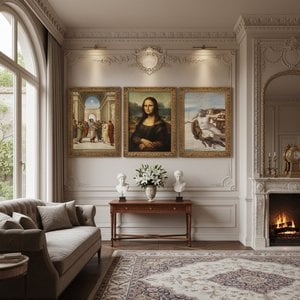
I 10 Capolavori del Rinascimento Maturo che Hanno Definito l'Arte: Scopri i Maestri
Esplora i 10 capolavori del Rinascimento Maturo con ! Scopri Leonardo, Michelangelo, Raffaello e altri maestri. Dipinti iconici, storie affascinanti e riproduzioni d'arte di alta qualità per la tua casa. Esplora la collezione online!

Wilderness and Wonder: An Exploration of the Sublime in American Romantic Landscape Painting
Explore the power of the sublime through Thomas Cole and the Hudson River School. Discover the majesty of American Romantic landscapes now.

Oltre l'Imitazione: La Risonanza Culturale della Riproduzione Artistica e i Collezionisti Esigenti
Scopri riproduzioni artistiche di alta qualità realizzate da maestri qualificati. Personalizza la tua opera e arricchisci il tuo spazio con arte autentica. Consulenza gratuita e spedizione sicura.


