

 Anteprima in scala reale
 Invia
Invia Condividi
 Dettagli opera
 Guida
Guida

 Scarica
 Simili
 Radiografia
 Slideshow
 Domande e risposte
 Statistiche
Jungle


 Espandi i dettagli
L'opera d'arte visualizzata in questa pagina è protetta dalle leggi sul diritto d'autore, il che significa che non possiamo legalmente creare o vendere una riproduzione identica. Tale protezione è garantita da accordi internazionali quali la Convenzione di Berna e dalle leggi nazionali, incluse quelle stabilite da Legge sul copyright degli Stati Uniti - Titolo 17. Tutti i diritti riservati. Le immagini presenti su questo sito sono protette da copyright e non possono essere riprodotte o utilizzate senza l'autorizzazione scritta di WahooArt.com o dei rispettivi proprietari del copyright.
Questo metodo è pienamente conforme alle normative sul diritto d'autore poiché non prevede la copia o la duplicazione dell'opera protetta. Si tratta invece di una rielaborazione creativa: un nuovo dipinto che trae ispirazione dall'originale, senza tuttavia esserne identico.
Giclée / Stampe d'arte
Stampa giclée o su tela di qualità museale, con produzione rapida e diverse opzioni di finitura. ( Acquista il dipinto realizzato a mano Passa all'immagine digitale)




P118B €10

P118H €10

P118W €10

P438Z €10

P508JH €12

P508YH €12

P805H €10

P805Z €10

P919BZ €10

P919G €10

P919XJ €10

P959ZH €10

P968JZ €12

W106C €8

W218G €10

W218JH €8

W218Y €10

W307PJ €10

W316G €10

W316PJ €8

W316Y €10

W398PJ €8

W4111J €10

W500HY €15

W500JH €15

W692G €12

W849H €8

W940BG €15

W953PJ €8




Scegli tra le nostre dimensioni predefinite, che rispettano le proporzioni originali dell'opera d'arte.

Inserisci la larghezza e l'altezza desiderate, per adattarle alla tua cornice o alla tua parete. Una stampa può essere solo ritagliata, mai resa più grande dell'immagine originale; pertanto, un formato con una forma differente comporterà la perdita di una parte dell'opera. Ti invieremo un mockup digitale da approvare prima di procedere con la stampa. L'immagine mostrata in questa pagina non rappresenta il ritaglio reale — solo il mockup lo mostra.
Consegna in tutto il mondo () in 2 settimane invece delle normali 4/5 settimane. (7 Novembre)

Spedizione espressa gratuita in tutto il mondo

Tela in lino di alta qualità

Assicurazione completa sulla spedizione

Garanzia di rimborso dei dazi doganali

Garanzia di fedeltà cromatica assoluta

Politica di reso entro 100 giorni (solo per difetti di fabbricazione)

Garanzia di rimborso al 100%

Offerta per acquisti multipli
 L'opzione vetro è disponibile solo per dimensioni inferiori a 110 cm

Jungle
Giclée / Stampe d'arte
Dimensioni riproduzione
-


Prezzo finale calcolato
€ 56
Opere simili


Biografia dell'artista
Teofil Ociepka (1891-1978)
Teofil Antoni Jaksa Kwiatkowski, known universally as Teofil Ociepka, was a Polish self-taught primitivist painter, occultist, and theosophist whose distinctive artistic vision captivated audiences worldwide. Born April 22nd, 1891, in Janów Śląski (present-day Częstochowa Voivodeship), Poland, he passed away January 15th, 1978, in Bydgoszcz. Alongside Nikifor Khrachevsky and Henri Rousseau, Ociepka stands as one of the most prominent figures within Polish primitivism—a movement characterized by its rejection of academic conventions and embrace of raw emotion and instinctive expression.Early Life and Artistic Beginnings
Ociepka’s formative years were marked by a profound engagement with spirituality and esoteric traditions. Largely devoid of formal artistic training, he honed his craft through observation and experimentation—primarily fueled by an unwavering belief in the interconnectedness of nature and human consciousness. His early works reflected this influence, depicting landscapes imbued with dreamlike qualities and still lifes that conveyed a palpable sense of mystery. Notably, he began working at the age of 15 to financially support his family after his father’s untimely death—a circumstance that instilled within him a resilience and determination which would permeate throughout his life's artistic endeavors. He pursued various occupations, culminating in a career as a power plant machinist at the Giesche coal mine in Katowice, where he labored until his retirement—a grounding experience that provided him with invaluable perspective on the rhythms of everyday existence. His involvement in military service during World War I exposed him to occultism, notably through Athanasius Kircher’s treatise on the Seventy Two Names of God, shaping his artistic sensibilities and fostering a lifelong fascination with symbolism and hidden meanings.The Janowska Group and Artistic Style
Around 1927, Ociepka embarked upon his artistic journey under the guidance of Philip Hohmann—a Swiss mentor who championed his talent and encouraged him to explore uncharted creative territories. Hohmann’s influence steered him toward membership in the Rosicrucian Lodge, where he cultivated a vibrant community dedicated to esoteric pursuits and scientific inquiry. This affiliation profoundly impacted Ociepka's worldview and fueled his artistic impulse. He continued painting until 1947, experiencing a hiatus during which he wrestled with doubts regarding his own work—a period punctuated by critical assessments from art historians like Tadeusz Dobrowolski who questioned the coherence of his vision. However, following World War II, Ociepka’s oeuvre gained renewed recognition thanks to an exhibition organized by trade unions showcasing his paintings alongside those of fellow Silesian miners—an event that solidified his position as a pivotal voice within Polish primitivism. His distinctive artistic style was characterized by bold color palettes and simplified forms—a deliberate rejection of academic realism in favor of conveying primal emotion and capturing the essence of subjective experience. Recurring motifs included landscapes rendered with luminous hues and stylized depictions of flora and fauna, reflecting Ociepka’s deep communion with the natural world.Notable Works and Artistic Legacy
Among Ociepka's most celebrated paintings are “The Garden” and “The Mountain”—works that exemplify his artistic prowess and masterful use of symbolism. These canvases transport viewers into realms of ethereal beauty, inviting contemplation on themes of spirituality and transcendence. They stand as testament to his ability to distill complex ideas into evocative visual representations—a hallmark of primitivist art itself. His paintings continue to inspire artists and collectors alike, securing his place within the annals of Polish artistic history. Ociepka’s artwork resides in several museums across Poland, including the National Museum in Wrocław and the Museum of Folk Architecture in Sanok—providing enduring access to his singular creative vision. He remains a compelling figure for scholars investigating the intersection between art, spirituality, and social context—a legacy destined to endure for generations to come.
Teofil Ociepka
1891 - 1978 , Polonia
Dettagli rapidi
- Artistic Movement Or Style: Primitivismo
- Artists Or Movements Influenced By This Artist: ['Nikifor']
- Artists Who Influenced This Artist:
- Nikifor Khrachevsky
- Henri Rousseau
- Date Of Birth: 22 aprile 1891
- Date Of Death: 15 gennaio 1978
- Full Name: Teofil Antoni Jaksa Kwiatkowski
- Nationality: Polacco
- Notable Artworks:
- Il giardino
- La montagna
- Place Of Birth: Janów Śląski, Polonia
Articoli correlati
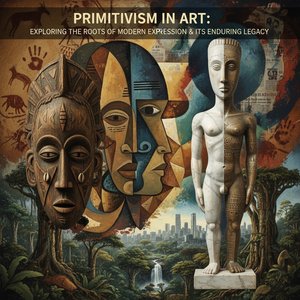
Primitivism in Art: Exploring the Roots of Modern Expression & its Enduring Legacy
Explore the fascinating history of Primitivism in art – its origins, key artists like Gauguin & Picasso, and lasting impact on modern expression. Uncover the complexities of this influential movement with ArtsDot.

Animalia: Esplorando la Presenza Duratura degli Animali nell'Arte e nel Design d'Interni
Esplora il ruolo affascinante degli animali nell'arte e nel design d'interni. Scopri simbolismi nascosti, capolavori iconici e come portare la bellezza della fauna nella tua casa con .

Jan Matejko e la Narrazione Storica: Identità Nazionale nella Pittura Polacca dell'Ottocento
Esplora la vita e le opere di Jan Matejko, il pittore che incarnò l'identità nazionale polacca nell'Ottocento. Analisi approfondita del suo stile romantico e delle sue tele più iconiche.

Stanisław Wyspiański: Symbolism, National Identity & the Polish Secession
Explore the life & work of Stanisław Wyspiański, a pivotal figure in Polish Symbolism and the Young Poland movement. Discover his iconic paintings, dramas, and stained glass designs reflecting national identity & artistic innovation.

Beastly Brushstrokes: A Historical Journey Through Animal Painting & Aesthetic Movements
Explore the rich history of animal painting across cultures & movements. Discover iconic artists, symbolism, collecting trends & expert art consultation at ArtsDot.com.