

 Anteprima in scala reale
 Invia
Invia Condividi
 Dettagli opera
 Guida
Guida

 Scarica
 Simili
 Radiografia
 Slideshow
 Domande e risposte
 Statistiche
Cane

 Espandi i dettagli
L'opera d'arte visualizzata in questa pagina è protetta dalle leggi sul diritto d'autore, il che significa che non possiamo legalmente creare o vendere una riproduzione identica. Tale protezione è garantita da accordi internazionali quali la Convenzione di Berna e dalle leggi nazionali, incluse quelle stabilite da Legge sul copyright degli Stati Uniti - Titolo 17. Tutti i diritti riservati. Le immagini presenti su questo sito sono protette da copyright e non possono essere riprodotte o utilizzate senza l'autorizzazione scritta di WahooArt.com o dei rispettivi proprietari del copyright.
Questo metodo è pienamente conforme alle normative sul diritto d'autore poiché non prevede la copia o la duplicazione dell'opera protetta. Si tratta invece di una rielaborazione creativa: un nuovo dipinto che trae ispirazione dall'originale, senza tuttavia esserne identico.
Giclée / Stampe d'arte
Stampa giclée o su tela di qualità museale, con produzione rapida e diverse opzioni di finitura. ( Acquista il dipinto realizzato a mano Passa all'immagine digitale)




































Scegli tra le nostre dimensioni predefinite, che rispettano le proporzioni originali dell'opera d'arte.

Inserisci la larghezza e l'altezza desiderate, per adattarle alla tua cornice o alla tua parete. Una stampa può essere solo ritagliata, mai resa più grande dell'immagine originale; pertanto, un formato con una forma differente comporterà la perdita di una parte dell'opera. Ti invieremo un mockup digitale da approvare prima di procedere con la stampa. L'immagine mostrata in questa pagina non rappresenta il ritaglio reale — solo il mockup lo mostra.
Consegna in tutto il mondo () in 2 settimane invece delle normali 4/5 settimane. (9 Novembre)

Spedizione espressa gratuita in tutto il mondo

Tela in lino di alta qualità

Assicurazione completa sulla spedizione

Garanzia di rimborso dei dazi doganali

Garanzia di fedeltà cromatica assoluta

Politica di reso entro 100 giorni (solo per difetti di fabbricazione)

Garanzia di rimborso al 100%

Offerta per acquisti multipli
 L'opzione vetro è disponibile solo per dimensioni inferiori a 110 cm

Cane
Giclée / Stampe d'arte
Dimensioni riproduzione
-


Prezzo finale calcolato
€ 56
Opere simili


Biografia dell'artista
La Dinastia Tang: Un Crogiolo di Innovazione Artistica
La dinastia Tang (618–907) si erge come un'epoca senza pari nella storia cinese e nel panorama dei traguardi artistici, un periodo caratterizzato da stabilità politica, prosperità economica e un fervore cosmopolita che abbracciava culture lontane. Emergendo dalle frammentate conseguenze del collasso della dinastia Sui — vera testimonianza di resilienza in mezzo al tumulto — gli imperatori Tang inaugurarono un'era che avrebbe plasmato profondamente la traiettoria dell'arte, della letteratura e della filosofia cinese per i secoli a venire. Questo'età dell'oro fu teatro di sperimentazioni artistiche senza precedenti, alimentate dal patrocinio imperiale e facilitate da rotte commerciali in espansione che collegavano la Cina alla Persia, all'India e all'Asia Centrale, dando vita a una sintesi mozzafiato di stili e tecniche. Il panorama politico vide il regno dell'imperatore Taizong (626–649) segnare gli anni formativi della dinastia, consolidando il potere attraverso la conquista militare e stabilendo strutture amministrative centralizzate che privilegiava la meritocrazia — un concetto rivoluzionario per l'epoca — rispetto al privilegio ereditario. Questo impegno verso una governance capace sostenne le successive politiche imperiali volte a favorire la crescita economica e a promuovere il fiorire culturale. Parallelamente, si assistette a un vero boom economico: la produzione di seta decollò durante il periodo Tang, spinta dall'espansione delle reti commerciali e alimentata dalle innovazioni nella tecnologia della tessitura. La produttività agricola aumentò grazie ai progressi nei metodi di irrigazione e fertilizzazione, sostenendo una popolazione urbana in crescita. La prosperità di quest'era andò ben oltre la mera ricchezza materiale, coltivando un ambiente intellettuale vibrante dove gli studiosi dibattevano idee filosofiche e gli artisti inseguivano nuovi orizzonti creativi. In questo contesto, Chang'an — la capitale Tang — divenne un magnete per intellettuali, artigiani e inviati da tutta l'Eurasia, trasformandosi in una delle città più cosmopolite del mondo, dove i monasteri buddisti fiorivano commissionando sculture e dipinti monumentali, mentre il cristianesimo nestoriano e lo zoroastrismo trovavano spazio tra le élite, dimostrando l'apertura della dinastia verso diverse tradizioni religiose.L'Arte del Paesaggio: Catturare la Bellezza Sublime
La pittura di paesaggio raggiunse il suo zenit durante la dinastia Tang, raggiungendo un livello di sofisticatezza e potere espressivo impareggiabile nei secoli precedenti. Gli artisti cercavano di ritrarre non solo vedute scenografiche, ma anche profonde verità spirituali, riflesso degli ideali confuciani che enfatizzavano l'armonia con la natura e la riverenza per il cosmo. Le innovazioni stilistiche promosse da maestri come Wang Wei (699–759) rivoluzionarono la pratica artistica; egli fu pioniere dello stile "spirito della montagna", caratterizzato da sottili gradazioni tonali e una prospettiva atmosferica capace di trasmettere un'illusione di profondità e luminosità. Questa tecnica, influenzata dalla cosmologia buddista, catturava la grandezza dei paesaggi montuosi con un'accuratezza mozzafiato, infondendo loro una risonanza simbolica. Attraverso un lavoro meticoloso del pennello, gli artisti riuscivano a rendere texture e contorni utilizzando pigmenti minerali mescolati con colla di seta o carta per ottenere una straordinaria fedeltà cromatica. L'uso della prospettiva aerea, tecnica introdotta proprio da Wang Wei, creava un'atmosfera nebbiosa che ammorbidiva i profili e accentuava il senso di distanza. In queste opere, la pittura trasmetteva idee filosofiche complesse radicate nel Confucianesimo e nel Buddismo: le montagne rappresentavano la stabilità e la virtù morale, i pini simboleggiavano la resilienza e la longevità, mentre le rocce incarnavano la fermezza. Opere come Dwelling Among the Pines di Wang Wei esemplificano perfettamente questo stile, catturando la bellezza serena di una pineta immersa nella luce lunare — un capolavoro che continua a ispirare ammirazione per la sua esecuzione magistrale e il suo profondo significato simbolico.Pittura su Seta: Un'Eredità di Eleganza e Raffinatezza
La pittura su seta emerse come un altro genere artistico dominante durante la dinastia Tang, distinguendosi per la sua squisita delicatezza e i suoi colori luminosi. Gli artisti applicavano con maestria il pigmento sul tessuto di seta — un materiale importato dall'Asia Centrale — creando immagini che celebravano la grandezza imperiale e una bellezza idealizzata. La tecnica prevedeva la stratificazione di velature traslucide sopra pigmenti opachi per ottenere un effetto scintillante, un marchio di fabbrica dell'arte Tang che incantava il pubblico sia in patria che all'estero. Il tessuto di seta fungeva da supporto ideale, offrendo una superficie perfetta per catturare sottili variazioni tonali; i pigmenti derivati da minerali e piante venivano meticolosamente mescolati con colla di seta per produrre tonalità vibranti, spesso arricchite dalla foglia d'oro, che esaltavano l'impatente visivo dell'opera. I pittori della seta Tang prediligevano un'estetica raffinata, caratterizzata da composizioni aggraziate e dettagli minuziosi, impiegando tecniche come la pittura "bagnato su bagnato" per permettere ai pigmenti di fondersi senza soluzione di continuità, creando effetti soffusi ed eterei. L'iconografia di queste opere raffigurava figure mitologiche, motivi floreali e paesaggi carichi di significati simbolici: l'immagine dei fiori, in particolare delle peonie, rappresentava la prosperità e la buona fortuna, un motivo frequentemente utilizzato nei ritratti imperiali e nelle decorazioni cerimoniali.Influenza ed Eredità
Le conquiste artistiche della dinastia Tang esercitarono un'influenza profonda sulla successiva storia dell'arte cinese, stabilendo standard di innovazione stilistica ed eccellenza estetica che sarebbero durati per secoli. La pittura di paesaggio continuò a ispirare gli artisti durante tutta la dinastia Song (960–1279), mentre la pittura su seta mantenne il suo prestigio come mezzo privilegiato per le commissioni imperiali, testimoniando la sua bellezza intramontabile. Inoltre, gli ideali artistici Tang — come l'armonia con la natura e la riverenza per la tradizione — hanno plasmato il più ampio panorama culturale della Cina, lasciando un segno indelebile sul suo patrimonio intellettuale e sulle sue sensibilità artistiche. L'eredità dell'arte Tang persiste ancora oggi, fungendo da fonte di ispirazione per gli artisti di tutto il mondo e ricordandoci il potere trasformativo della creatività e dello scambio culturale.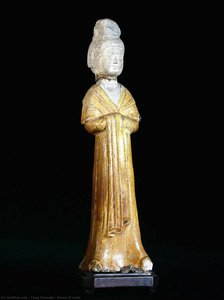
Dinastia Tang
Cina
Dettagli rapidi
- Artistic Movement Or Style: Pittura di Paesaggio
- Full Name: Dinastia Tang
- Nationality: Cinese
- Notable Artworks: ['Arte di Gru, Pino e Roccia']
- Place Of Birth: Cina