


 Anteprima in scala reale
 Condividi
 Condividi
 Dettagli
 Guida stampabile

 Scarica
 Articoli simili
 Radiografia
 Slideshow
 Statistiche
Two Eagle Dancers


 Leggi tutto
L'opera d'arte visualizzata in questa pagina è protetta dalle leggi sul diritto d'autore, il che significa che non possiamo legalmente creare o vendere una riproduzione identica. Tale protezione è garantita da accordi internazionali quali la Convenzione di Berna e dalle leggi nazionali, incluse quelle stabilite da Legge sul copyright degli Stati Uniti - Titolo 17. Tutti i diritti riservati. Le immagini presenti su questo sito sono protette da copyright e non possono essere riprodotte o utilizzate senza l'autorizzazione scritta di WahooArt.com o dei rispettivi proprietari del copyright.
Come alternativa rispettosa e legale, offriamo opere d'arte personalizzate e dipinte a mano, ispirate all'originale. I nostri artisti esperti e professionisti studiano con cura lo stile, l'atmosfera e l'essenza artistica dell'opera originale per creare un pezzo nuovo e unico che evochi la stessa emozione, pur rimanendo una creazione originale a pieno titolo.
Questo metodo è pienamente conforme alle normative sul diritto d'autore poiché non prevede la copia o la duplicazione dell'opera protetta. Si tratta invece di una rielaborazione creativa: un nuovo dipinto che trae ispirazione dall'originale, senza tuttavia esserne identico.
Riproduzione a olio fatta a mano
Olio su tela dipinto a mano nelle tue dimensioni e con la tua cornice, realizzato su ordinazione dai nostri artisti. ( Passa alle stampe Passa all'immagine digitale)




P118B €10

P118H €10

P118W €10

P438Z €10

P508JH €12

P508YH €12

P805H €10

P805Z €10

P919BZ €10

P919G €10

P919XJ €10

P959ZH €10

P968JZ €12

W106C €8

W218G €10

W218JH €8

W218Y €10

W307PJ €10

W316G €10

W316PJ €8

W316Y €10

W398PJ €8

W4111J €10

W500HY €15

W500JH €15

W692G €12

W849H €8

W940BG €15

W953PJ €8




Scegli tra le nostre dimensioni predefinite, che rispettano le proporzioni originali dell'opera d'arte.

Inserisci la larghezza e l'altezza di cui hai bisogno, per adattarle alla tua cornice o alla tua parete. Trattandosi di un'opera dipinta a mano, in caso di dimensioni con una forma differente, l'artista può dipingere un po' più oltre i bordi dell'immagine o ritagliare leggermente — la scelta spetta a te. Ti invieremo un mockup digitale da approvare prima che la pittura abbia inizio. L'immagine mostrata in questa pagina non rappresenta il risultato reale — solo il mockup lo fa.
Dopo l'ordine, il team di ArtsDot.com contatterà il cliente via e-mail per ricevere le istruzioni e fornirà un'anteprima del mockup
Consegna in tutto il mondo () in 3/4 settimane anziché nelle normali 5 settimane. (18 Ottobre). Nessun compromesso sulla qualità.

Spedizione espressa gratuita in tutto il mondo

Tela in lino di alta qualità

Assicurazione completa sulla spedizione

Garanzia di rimborso dei dazi doganali

Garanzia di perfetta fedeltà cromatica

Politica di reso entro 100 giorni (solo per difetti di fabbricazione)

Garanzia di rimborso al 100%

Sconto per acquisti multipli
 L'opzione vetro è disponibile solo per dimensioni inferiori a 110 cm

Two Eagle Dancers
Tecnica di riproduzione
Dimensioni della riproduzione
-


Prezzo totale
€ 229
Domande e risposte
Dove dovrebbe essere appesa una riproduzione di "Two Eagle Dancers" di Stephen Mopope?
Il formato Panoramic di "Two Eagle Dancers" di Stephen Mopope è consigliato per un/una Restaurant. Il formato e lo spazio insieme guidano il posizionamento di una riproduzione.
Quale tecnica è stata utilizzata per "Two Eagle Dancers" di Stephen Mopope?
La tecnica utilizzata per "Two Eagle Dancers" di Stephen Mopope è Painting. Le riproduzioni mirano a restituire l'aspetto di questa tecnica.
Posso visualizzare un'anteprima di "Two Eagle Dancers" di Stephen Mopope prima di ordinare?
La pagina di Anteprima di "Two Eagle Dancers" ti permette di visualizzare l'anteprima dell'opera prima dell'ordine.
Opere correlate


Biografia dell'artista
**Primi anni e formazione**
Stephen Mopope, conosciuto anche con il nome di Qued Koi, è stato un pittore Kiowa, danzatore e suonatore di flauto nativo americano dell'Oklahoma. Nato il 27 agosto 1898 nei pressi della Redstone Baptist Mission, nella riserva Kiowa del territorio indiano, il viaggio artistico di Mopope ebbe inizio fin dalla tenera età. La sua arte fu profondamente radicata nelle tradizioni familiari, avendo appreso dai suoi parenti l'antica tecnica di dipingere sulle pelli in modo tradizionale. Successivamente, la sua formazione si arricchì attraverso un percorso accademico, frequentando la St. Patrick's Indian Mission School ad Anadarko, in Oklahoma, per poi perfezionare i suoi studi presso la Scuola di Arte dell'Università dell'Oklahoma.**Contributi artistici e stile**
Mopope si distinse come il membro più prolifico del celebre gruppo noto come i "Kiowa Six". La sua opera è un tripudio di colori vibranti che riflettono con intensità la sua eredità culturale e i paesaggi dell'Oklahoma, animata da temi dinamici che spesso ritraggono scene della vita nativa americana, cerimonie sacre e l'ineffabile bellezza della natura. Tra le sue opere più significative si annoverano:- Two Eagle Dancers (presso il National Postal Museum dello Smithsonian, Washington, Stati Uniti), un murale che mette in mostra l'abilità di Mopope nel catturare l'essenza stessa della cultura Kiowa.
- Apache Ben (presso il National Cowboy & Western Heritage Museum, Oklahoma City, Stati Uniti), un acquerello che evidenzia la sua straordinaria versatilità e ampiezza espressiva.
**Eredità e impatto**
Come artista straordinariamente prolifico, l'ampia produzione di Mopope lo ha reso una figura cardine nella storia dell'arte nativa americana. Il suo stile unico e la sua tecnica magistrale hanno esercitato un profondo influsso sulle generazioni successive di artisti, garantendo che il suo lascito rimanga vivo nel tempo. **Scopri altre opere di Stephen Mopope su [https://ArtsDot.com/@/stephen-mopope](https://ArtsDot.com/@/stephen-mopope)**- Esplora il movimento dei Pittori di Skagen e la sua influenza sull'arte nativa americana.
- Scopri di più su Antoine Wiertz, pittore e scultore belga, su [https://ArtsDot.com/@@/a@d3apat-discover-the-musee-wiertz-museum-brussels](https://ArtsDot.com/@@/a@d3apat-discover-the-musee-wiertz-museum-brussels)
**Conclusione**
La vita e l'opera di Stephen Mopope sono una testimonianza vibrante della ricchezza della cultura e dell'arte nativa americana. Attraverso i suoi dipinti, egli ha lasciato un segno indelebile nel mondo delle belle arti, consolidando la sua eredità come uno dei pittori Kiowa più prolifici della sua generazione. **Scopri di più sulla storia e sui movimenti artistici su [https://ArtsDot.com](https://ArtsDot.com)**
Stephen Mopope
1898 - 1974 , Stati Uniti d'America
Informazioni rapide
- Artistic Movement Or Style: Arte grafica, Xilografia
- Artists Or Movements Influenced By This Artist:
- Rene Magritte
- Martin Gardner
- Artists Who Influenced This Artist:
- George Arnold Escher
- Frank Reaugh
- Date Of Birth: 17 giugno 1898
- Date Of Death: 27 marzo 1972
- Full Name: Maurits Cornelis Escher
- Nationality: Olandese
- Notable Artworks:
- Mano con sfera riflettente
- Mani che disegnano
- Relatività
- Cascata
- Ascendente e discendente
- Place Of Birth: Leeuwarden, Paesi Bassi
Articoli correlati
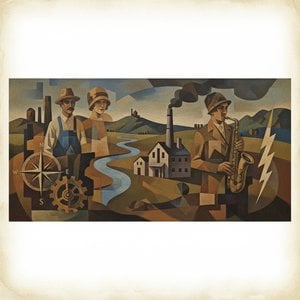
James Otto Lewis: Navigating American Modernism Through Regional Identity & Stylistic Innovation
Explore the captivating portraits of James Otto Lewis, a pivotal figure bridging 19th-century realism & American Modernism. Discover his groundbreaking work documenting Native American culture and regional identity.

Henry Farny: Romantic Visions of the American West & Indigenous Life
Explore the evocative paintings of Henry Farny, renowned for his romantic realism & depictions of Native American life in the 19th-century West. Discover his legacy and key artworks at ArtsDot.

American Regionalism: A Crucible of Identity – Exploring Themes of Place, Labor & Social Commentary
Explore American Regionalism's powerful depiction of the American heartland during the Great Depression. Discover Grant Wood, Thomas Hart Benton & more. Expert analysis & high-quality art reproductions at ArtsDot.

Realismo Americano: 10 Capolavori che Hanno Definito un'Epoca | ArtsDot
Esplora i 10 capolavori del Realismo Americano con ArtsDot. Scopri Andrew Wyeth, Edward Hopper e George Bellows. Quadri iconici, storie uniche e riproduzioni di alta qualità per la tua casa. Esplora la collezione online!

Grant Wood e il Regionalismo Americano: Identità, Mito e Paesaggio Rurale
Esplora il Regionalismo Americano con Grant Wood e i suoi capolavori. Analisi approfondita di 'American Gothic', contesto storico, influenze artistiche e l'eredità di questo movimento iconico. Scopri la vera essenza dell'arte rurale americana.