


 Anteprima in scala reale
 Invia
Invia Condividi
 Dettagli opera

 Scarica immagine
 Simili
 Radiografia
 Slideshow
The Hundred Jugs
 Acrylic On Canvas
- WallArt
 1916
1916- 19th Century
 123.0 x 154.0 cm
 Galleria d'Arte Walker
 Espandi i dettagli
Riproduzione a olio fatta a mano
Olio su tela dipinto a mano nelle tue dimensioni e con la tua cornice, realizzato su ordinazione dai nostri artisti. ( Acquista stampa Acquista immagine)




P118B $10

P118H $10

P118W $10

P438Z $10

P508JH $12

P508YH $12

P805H $10

P805Z $10

P919BZ $10

P919G $10

P919XJ $10

P959ZH $10

P968JZ $12

W106C $8

W218G $10

W218JH $8

W218Y $10

W307PJ $10

W316G $10

W316PJ $8

W316Y $10

W398PJ $8

W4111J $10

W500HY $15

W500JH $15

W692G $12

W849H $8

W940BG $15

W953PJ $8




Scegli tra le nostre dimensioni predefinite, che rispettano le proporzioni originali dell'opera d'arte.

È possibile inserire dimensioni personalizzate per adattare l'opera a una cornice o a uno spazio specifico. Se la dimensione selezionata non corrisponde alle proporzioni dell'immagine originale, provvederemo a ritagliare l'opera o a estendere il dipinto con elementi aggiuntivi dipinti a mano. Un mockup digitale ti sarà inviato per approvazione prima dell'inizio della produzione.
Si prega di notare che l'anteprima a schermo non riflette il ritaglio o l'estensione effettivi. Solo il mockup mostrerà accuratamente la composizione finale.
Sebbene siano disponibili dimensioni personalizzate, consigliamo di selezionare una dimensione dall'elenco predefinito per preservare le proporzioni originali.
Dopo l'ordine, il team di ArtsDot.com contatterà il cliente via e-mail per le istruzioni e fornirà un'anteprima del mockup
Consegna in tutto il mondo () in 3/4 settimane anziché nelle normali 5 settimane. (31 Agosto). Nessun compromesso sulla qualità.

Spedizione espressa gratuita in tutto il mondo

Tela in lino di alta qualità

Assicurazione completa sulla spedizione

Garanzia di rimborso dei dazi doganali

Garanzia di fedeltà cromatica

Politica di reso entro 60 giorni (solo per difetti di fabbricazione)

Garanzia di rimborso al 100%

Offerta per acquisti multipli
 L'opzione vetro è disponibile solo per dimensioni inferiori a 110 cm

The Hundred Jugs
Tecnica di riproduzione
Dimensioni riproduzione
-


Prezzo totale calcolato
$ 263
A Symphony of Ceramics: William Nicholson’s “The Hundred Jugs”
William Nicholson's "The Hundred Jugs," painted in 1916 during the tumultuous years of World War I, is far more than a simple arrangement of pottery. It’s a carefully constructed tableau brimming with quiet observation, subtle tension, and a poignant exploration of domesticity amidst the backdrop of national upheaval. The painting, now residing in the Walker Art Gallery in Liverpool, immediately draws the eye into a densely packed room – not a grand hall, but rather a humble space, hinting at a comfortable, if slightly cluttered, existence. Nicholson masterfully employs a muted palette of browns, ochres, and greys, creating an atmosphere of subdued warmth that contrasts subtly with the inherent chaos of the scene.
The sheer volume of jugs is immediately arresting – a seemingly endless collection of earthenware, stoneware, china, and glass vessels in varying sizes and shapes. They aren’t arranged with any discernible order; instead, they tumble over each other, creating a sense of overflowing abundance. This isn't the idealized still life of earlier periods, where objects were meticulously posed for aesthetic perfection. Here, Nicholson embraces a more spontaneous approach, capturing the everyday reality of a household filled with possessions – a reflection of the era’s burgeoning interest in the ordinary and the vernacular.
The Beggarstaff Legacy and Artistic Innovation
To fully appreciate “The Hundred Jugs,” it's crucial to understand Nicholson’s artistic background. He was a key figure in the Beggarstaff partnership, alongside his brother-in-law James Pryde, renowned for their groundbreaking poster designs and illustrations. The Beggarstaff style – characterized by its bold lines, dynamic compositions, and often satirical or humorous subject matter – represented a significant departure from traditional illustration. Nicholson’s influence on this movement is evident in the painting's energetic arrangement and slightly off-kilter perspective.
However, “The Hundred Jugs” transcends the Beggarstaff aesthetic. While retaining some of their dynamism, it demonstrates a deeper engagement with color and texture. Nicholson’s use of tone—the subtle variations in hue and value—is particularly noteworthy. He eschews bright colors in favor of muted tones that create a sense of depth and atmosphere. This tonal approach, as he himself described, is “quality in common between colours,” prioritizing the overall harmony of the composition over precise representation.
Symbolism and Emotional Resonance
The painting’s symbolism is layered and open to interpretation. The abundance of jugs can be seen as a metaphor for domesticity, prosperity, or even the anxieties associated with wartime shortages. The cat perched atop a stack of jugs, greedily lapping up milk from a spilled vessel, adds a touch of playful irony – a moment of levity amidst a period of profound uncertainty. This small detail hints at the human desire for comfort and pleasure in the face of adversity.
Furthermore, the painting’s creation during World War I imbues it with a poignant emotional resonance. Nicholson's son, Ben, later recalled that his father’s still-life paintings stemmed from “a very simple, direct painterly approach,” rooted in the beauty of everyday objects like these jugs – a grounding force amidst the horrors of war. The painting serves as a testament to the enduring power of art to capture and convey human experience, even in times of great upheaval.
A Timeless Masterpiece for Collectors and Designers
"The Hundred Jugs" remains a captivating work of art, offering a glimpse into the domestic life of early 20th-century Britain. Its masterful composition, evocative use of color, and subtle symbolism make it a timeless masterpiece. Reproductions of this painting are highly sought after by collectors and interior designers alike, who appreciate its ability to add warmth, character, and a touch of understated elegance to any space. It’s a piece that invites contemplation, sparking conversations about art, life, and the enduring beauty found in the ordinary.
Opere simili


Biografia dell'artista
Primi anni e formazione
Sir William Newzam Prior Nicholson, un rinomato pittore britannico, nacque il 5 febbraio 1872 a Newark-on-Trent. Era il figlio più giovane di William Newzam Nicholson, industriale e deputato conservatore, e della moglie Annie Elizabeth Prior. A partire dai nove anni, Nicholson frequentò la Magnus Grammar School, dove ricevette lezioni d'arte da William Cubley, pittore e politico.Carriera artistica
La carriera artistica di Nicholson può essere divisa in diverse fasi, ognuna caratterizzata da uno stile e un mezzo unico. Nella sua prima età adulta, collaborò con suo cognato James Pryde nella progettazione di poster e lavori grafici, producendo manifesti innovativi che mostravano la loro audacia del contorno e la semplicità del trattamento.- La partnership Beggarstaff (1893-1898): La collaborazione di Nicholson con James Pryde diede vita a una serie di manifesti rivoluzionari, tra cui Don Chisciotte (1895) e Harper's Magazine (1895).
- Xilografia e incisione su legno (anni '90): Nicholson si evolse dai poster, sviluppando uno stile personale che sfruttò attraverso le tecniche di xilografia e incisione su legno.
- Pittura (anni '10): Si concentrò sulla pittura, incoraggiato da Whistler, ed espose per la prima volta come pittore alla International Society.
Opere significative e mostre
Alcune delle opere più importanti di Nicholson includono:- Lady in furs, Mme. P. (c.1907), un ritratto che mostra la sua maestria nel catturare l'essenza dei suoi soggetti.
- The Lowestoft Bowl (1911), una pittura di natura morta che dimostra la sua attenzione ai dettagli e all'uso del colore.
- Studio for 'Plaza de Toros, Malaga' (1935), un paesaggio che evidenzia la sua capacità di catturare l'atmosfera di un luogo.
Influenze e sviluppo artistico
Nicholson fu influenzato da diversi artisti e movimenti. L’incoraggiamento di Whistler lo spinse a concentrarsi sulla pittura, mentre la collaborazione con James Pryde portò alla nascita dello stile innovativo dei Beggarstaff. Il suo lavoro mostra un'evoluzione dalla grafica ai ritratti e ai paesaggi, sempre caratterizzati da una ricerca di semplicità ed eleganza formale. La sua capacità di combinare elementi realistici con una sensibilità moderna lo rese uno degli artisti più importanti del suo tempo.Eredità e collezioni
Le opere di Nicholson sono presenti in vari musei, tra cui:- Tate Britain, che presenta diverse delle sue opere, tra cui The Lowestoft Bowl (1911) e Lady in furs, Mme. P. (c.1907).
- National Galleries of Scotland, che ha un'ampia collezione dei suoi dipinti, tra cui The Young Polo Player (anni '20).

Sir William Nicholson
1872 - 1949 , Regno Unito
Dati rapidi
- Artistic Movement Or Style: Ritrattismo, Natura morta, Xilografia
- Artists Who Influenced This Artist: ['Whistler']
- Date Of Birth: 5 febbraio 1872
- Date Of Death: 16 maggio 1949
- Full Name: Sir William Newzam Prior Nicholson
- Nationality: Britannico
- Notable Artworks:
- Lady in Furs, Mme. P.
- The Lowestoft Bowl
- Study for 'Plaza de Toros'
- Place Of Birth (City And Country): Newark-on-Trent, Regno Unito
Articoli correlati

Sir William Nicholson: Uno Studio sul Ritratto Post-Impressionista e il Modernismo Decorativo
Esplora la vita e l'opera di Sir William Nicholson, pittore inglese versatile tra ritrattistica post-impressionista e modernismo decorativo. Analisi approfondita del suo stile unico e della sua eredità artistica.
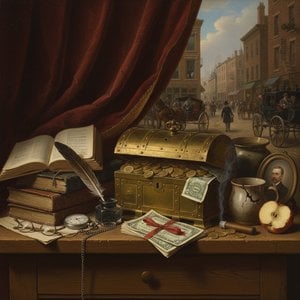
William Michael Harnett: Still Life, Realism & the American Pursuit of Materiality
Explore the captivating still lifes of William Michael Harnett, a master of American realism and trompe l'oeil painting. Discover his technique, legacy & the cultural context behind his iconic works.

Silent Narratives: Exploring the Enduring Appeal of Still Life Painting Across Centuries
Explore the rich history of still life painting with ArtsDot. Discover Dutch Masters, decode vanitas symbolism & learn about collecting timeless art. Expert insights and museum-quality reproductions.
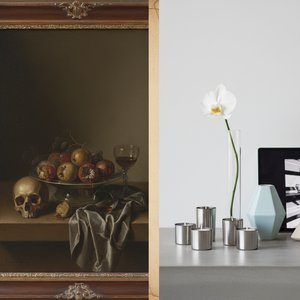
The Enduring Appeal of Still Life: A Historical & Contemporary Exploration
Explore the rich history & symbolism of still life painting with ArtsDot. Discover masterpieces from the Dutch Golden Age, learn about vanitas art, and find expert guidance for collecting timeless artworks.

Clyfford Still e l'Espressionismo Astratto: Un Viaggio nel Colore, la Forma e il Paesaggio Interiore
Esplora l'universo artistico di Clyfford Still e dell'Espressionismo Astratto. Analisi approfondite, tecniche pittoriche e il suo impatto sull'arte moderna. Scopri i capolavori e la sua eredità.



