


 Anteprima in scala reale
 Condividi
 Condividi
 Dettagli
 Guida stampabile

 Scarica
 Articoli simili
 Radiografia
 Slideshow
 Statistiche
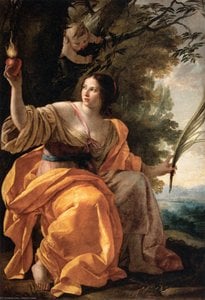
The Fortune Teller
 Oil On Canvas
- WallArt
- French Baroque
 1617
1617 95.0 x 135.0 cm
 Galleria Nazionale d’Arte Antica
 Leggi tutto
Giclée / Stampe d'arte
Stampa giclée o su tela di qualità museale, con produzione rapida e diverse opzioni di finitura. ( Ordina la riproduzione dipinta a mano Passa all'immagine digitale)




P118B €10

P118H €10

P118W €10

P438Z €10

P508JH €12

P508YH €12

P805H €10

P805Z €10

P919BZ €10

P919G €10

P919XJ €10

P959ZH €10

P968JZ €12

W106C €8

W218G €10

W218JH €8

W218Y €10

W307PJ €10

W316G €10

W316PJ €8

W316Y €10

W398PJ €8

W4111J €10

W500HY €15

W500JH €15

W692G €12

W849H €8

W940BG €15

W953PJ €8




Scegli tra le nostre dimensioni predefinite, che rispettano le proporzioni originali dell'opera d'arte.

Inserisci la larghezza e l'altezza desiderate, per adattarle alla tua cornice o alla tua parete. Una stampa può essere solo ritagliata, mai resa più grande dell'immagine originale; pertanto, un formato con una forma differente comporterà la perdita di una parte dell'opera. Ti invieremo un mockup digitale da approvare prima di procedere con la stampa. L'immagine mostrata in questa pagina non rappresenta il ritaglio reale — solo il mockup lo mostra.
Consegna in tutto il mondo () in 2 settimane invece delle normali 4/5 settimane. (23 Ottobre)

Spedizione espressa gratuita in tutto il mondo

Tela in lino di alta qualità

Assicurazione completa sulla spedizione

Garanzia di rimborso dei dazi doganali

Garanzia di perfetta fedeltà cromatica

Politica di reso entro 100 giorni (solo per difetti di fabbricazione)

Garanzia di rimborso al 100%

Sconto per acquisti multipli
 L'opzione vetro è disponibile solo per dimensioni inferiori a 110 cm

The Fortune Teller
Giclée / Stampe d'arte
Dimensioni della riproduzione
-


Prezzo totale
€ 54
The Enigmatic Allure of Simon Vouet’s “The Fortune Teller”
Simon Vouet's "The Fortune Teller," painted in 1617, isn’t merely a portrait; it’s a carefully constructed tableau brimming with intrigue and a palpable sense of the mystical. Housed within the venerable Galleria Nazionale d’Arte Antica in Rome, this oil on canvas invites viewers into a dimly lit chamber where the boundaries between reality and prophecy blur. Vouet, a pivotal figure bridging the Mannerist and Baroque eras, masterfully employs chiaroscuro – the dramatic interplay of light and shadow – to draw our attention to the central figures and imbue the scene with an almost theatrical intensity.
The composition itself is deliberately layered. At its heart sits a man, his features obscured by a wide-brimmed hat and a flowing beard, engaged in a hushed conversation. He holds an open book, seemingly offering guidance or revealing secrets. Flanking him are two women, their attire – one clad in vibrant red, the other in deep blue – adding splashes of color to the predominantly dark palette. Their attentive gazes suggest they are both recipients and observers of this unfolding drama. The background, rendered in muted tones, serves primarily as a backdrop, emphasizing the figures and creating an atmosphere of hushed anticipation.
A Masterclass in Baroque Technique
Vouet’s technique is a fascinating blend of influences. He absorbed the dramatic lighting favored by Caravaggio, but tempered it with a more refined elegance characteristic of French portraiture. Notice how light pools around the faces and hands, highlighting their expressions and gestures while leaving much of the scene shrouded in shadow. This creates a sense of depth and mystery, inviting speculation about the events taking place within the room. The brushstrokes are smooth and blended, contributing to the painting’s overall polished appearance – a hallmark of Vouet's style.
The use of *sfumato*, another technique borrowed from Leonardo da Vinci, is subtly present, softening edges and creating an atmospheric haze that further enhances the sense of depth. Vouet wasn’t simply replicating Caravaggio; he was adapting his innovations to suit the evolving tastes of the French court, resulting in a uniquely sophisticated style.
Symbolism and Historical Context
"The Fortune Teller" is steeped in symbolism, reflecting the prevailing fascination with astrology, divination, and the occult during the early 17th century. The book held by the central figure likely represents knowledge, prophecy, or perhaps even fate itself. The women, often interpreted as representing fortune tellers or advisors, are positioned to receive this information. The red and blue garments could symbolize different types of wisdom or guidance – a common motif in Renaissance art.
Painted during a period of significant artistic transition in France, Vouet’s work exemplifies the shift from the rigid formality of Mannerism towards the more dynamic and emotionally expressive style of the Baroque. His patronage by influential figures like Cardinal Richelieu helped establish him as one of the leading artists of his time, shaping the course of French painting for decades to come.
A Timeless Appeal: Reproduction Possibilities
The enduring appeal of “The Fortune Teller” lies in its ability to evoke a sense of mystery and intrigue. It’s a scene ripe with narrative possibilities, prompting viewers to imagine the story behind the figures and their exchange. Today, high-quality reproductions of this captivating artwork are available through ArtsDot.com, meticulously crafted using traditional oil painting techniques and premium materials, ensuring that the drama and emotional depth of Vouet's original masterpiece are faithfully preserved. These reproductions offer a beautiful way to bring this iconic work into your home or office – a testament to the enduring power of art.
For further exploration, consider visiting the Galleria Nazionale d’Arte Antica in Rome or delving into online resources like the Web Gallery of Art (The Fortune Teller by VOUET, Simon) and exploring Valentin de Boulogne's work for a deeper understanding of Caravaggio’s influence.
Domande e risposte
Di cosa è fatto "The Fortune Teller"?
La tecnica utilizzata per "The Fortune Teller" di Simone Vouet è Oil On Canvas. Le riproduzioni mirano a restituire l'aspetto di questa tecnica.
Chi ha creato "The Fortune Teller"?
"The Fortune Teller" è attribuito a Simone Vouet.
Quale artista e quale stile si celano dietro "The Fortune Teller"?
"The Fortune Teller" è stata creata da Simone Vouet in stile French Baroque. L'artista e il movimento identificano la tradizione dell'opera.
Opere correlate




Biografia dell'artista
Simon Vouet: Un Ponte tra l'Arte Italiana e Francese
- Nato: 9 gennaio 1590, Parigi, Francia
- Morto: 30 giugno 1649, Parigi, Francia
Simon Vouet fu una figura fondamentale nella transizione della pittura francese dal Manierismo allo stile Barocco. Nato in una famiglia di artisti – suo padre Laurent era un pittore e suo fratello Aubin si dedicò anch'egli all’arte – Vouet ricevette una formazione precoce che pose le basi per il suo futuro successo. Suo nipote, Ludovico Dorigny, avrebbe continuato l'eredità artistica della famiglia.
Primi Anni e Influenze Italiane (1608-1627)
- Ritrattistica Iniziale: Vouet iniziò la sua carriera come ritrattista, dimostrando un talento precoce.
- Viaggio in Inghilterra (1608): All'età di soli 14 anni, viaggiò in Inghilterra per dipingere un ritratto su commissione, mostrando così la sua nascente reputazione.
- Impero Ottomano e Venezia: Nel 1611, Vouet si unì alla scorta del barone de Sancy, ambasciatore francese nell'Impero Ottomano, nuovamente per lavori di ritrattistica. Questo viaggio lo portò attraverso Costantinopoli e poi a Venezia nel 1612.
- Roma (1614-1627): Il suo periodo a Roma si rivelò trasformativo. Vi rimase per tredici anni, immergendosi nella vivace scena artistica del nascente periodo Barocco.
Durante il suo soggiorno italiano, Vouet assorbì una vasta gamma di influenze. Studiò le tecniche di illuminazione drammatica pioniere da Caravaggio, abbracciò elementi del Manierismo italiano e analizzò meticolosamente le palette cromatiche e la tecnica dello sotto in su (prospettiva accorciata) impiegata da Paolo Veronese. Si ispirò anche alle opere di Carracci, Guercino, Lanfranco e Guido Reni, sintetizzando questi diversi stili in una visione artistica unica.
Sviluppo dello Stile Distintivo di Vouet
- Elezione all'Accademia di San Luca (1624): Il suo successo a Roma culminò nella sua elezione a presidente della prestigiosa Accademia di San Luca, una testimonianza della sua abilità e del riconoscimento ottenuto nel mondo dell’arte italiana.
- Sintesi delle Influenze: Lo stile di Vouet fu caratterizzato dalla sua capacità di assorbire e distillare varie influenze artistiche. Non si limitò a copiare; integrò questi elementi in un'estetica Barocca distintamente italianizzante e coesa.
- Introduzione del Barocco in Francia: Al suo ritorno in Francia nel 1627, Vouet svolse un ruolo cruciale nell’introdurre lo stile Barocco italiano alla pittura francese, influenzando significativamente il panorama artistico del paese.
Realizzazioni Importanti e Eredità
- Premier Peintre du Roi: Vouet fu nominato Premier peintre du Roi (Primo Pittore del Re) – una posizione di notevole prestigio e influenza.
- Laboratorio Produttivo: Mantené un laboratorio ampio e attivo, formando numerosi artisti che avrebbero plasmato la generazione successiva di pittori francesi.
- Discepoli Notabili: Tra i suoi discepoli più influenti figurarono Charles Le Brun (che in seguito organizzò tutta la pittura decorativa a Versailles), Valentin de Boulogne, Charles Alphonse du Fresnoy, Pierre Mignard, Eustache Le Sueur e Claude Mellan.
- Influenza sull'Arte Francese: L’impatto di Vouet si estese oltre le sue opere; i suoi studenti diffusero il suo stile e le sue tecniche in tutta la Francia, stabilendo una scuola distintamente Barocca della pittura. La sua influenza è particolarmente evidente nei grandiosi schemi decorativi commissionati da Luigi XIV.
Significato Storico
L'eredità di Simon Vouet si fonda sul suo ruolo fondamentale come ponte tra l’arte italiana e quella francese. Importò con successo il dinamismo e la grandiosità del Barocco italiano, trasformandolo in uno stile che risuonava con i gusti della corte e dell'aristocrazia francese. La sua influenza è innegabile nello sviluppo della pittura francese durante il XVII secolo, e i suoi contributi continuano ad essere riconosciuti dagli storici dell’arte oggi.

Simone Vouet
1590 - 1649 , Francia
Informazioni rapide
- Artistic Movement Or Style: Barocco
- Artists Or Movements Influenced By This Artist:
- Charles Le Brun
- Valentin de Boulogne
- Pittura Barocca Francese
- Artists Who Influenced This Artist:
- Caravaggio
- Paolo Veronese
- Carracci
- Guercino
- Lanfranco
- Guido Reni
- Date Of Birth: 9 gennaio 1590
- Date Of Death: 30 giugno 1649
- Full Name: Simon Vouet
- Nationality: Francese
- Notable Artworks:
- Gaucher de Châtillon
- La Ricchezza
- Venere e Adone
- L'Apothéose di San Luigi
- Place Of Birth: Parigi, Francia
Articoli correlati

Simon Vouet: A Baroque Master's Journey from Italian Influence to French Classicism
Explore the life & art of Simon Vouet, a pivotal French Baroque painter who introduced Italian styles to France. Discover his masterpieces and lasting influence on 17th-century art.

The Enduring Power of Painting: A Historical & Contemporary Exploration of Form and Emotion
Explore the rich history & enduring techniques of oil painting with ArtsDot. Discover masterpieces, learn about art collecting, and find authentic handmade reproductions crafted by skilled artists.

The Dramatic Flourish: Exploring the Baroque Movement's Enduring Legacy in Art History
Explore the dramatic world of Baroque art! Discover iconic artists like Caravaggio & Rubens, defining techniques, and its lasting impact on art history. Expert insights for collectors & enthusiasts at ArtsDot.

Il Dramma Barocco: Portare Splendore ed Emozione negli Interni Contemporanei
Scopri come portare il dramma e lo splendore dell'arte barocca nei tuoi interni con . Riproduzioni di alta qualità, consulenza d'arte personalizzata e ispirazione per uno stile unico.

The Enduring Legacy of Oil on Canvas: Technique, History & Aesthetic Impact
Explore the rich history & techniques of oil painting – from Renaissance masters to Impressionism. Discover pigments, layering methods, and why this timeless medium endures. Expert insights for artists & art enthusiasts.


