

 Anteprima in scala reale
 Condividi
 Condividi
 Dettagli

 Scarica immagine
 Articoli simili
 Radiografia
 Slideshow
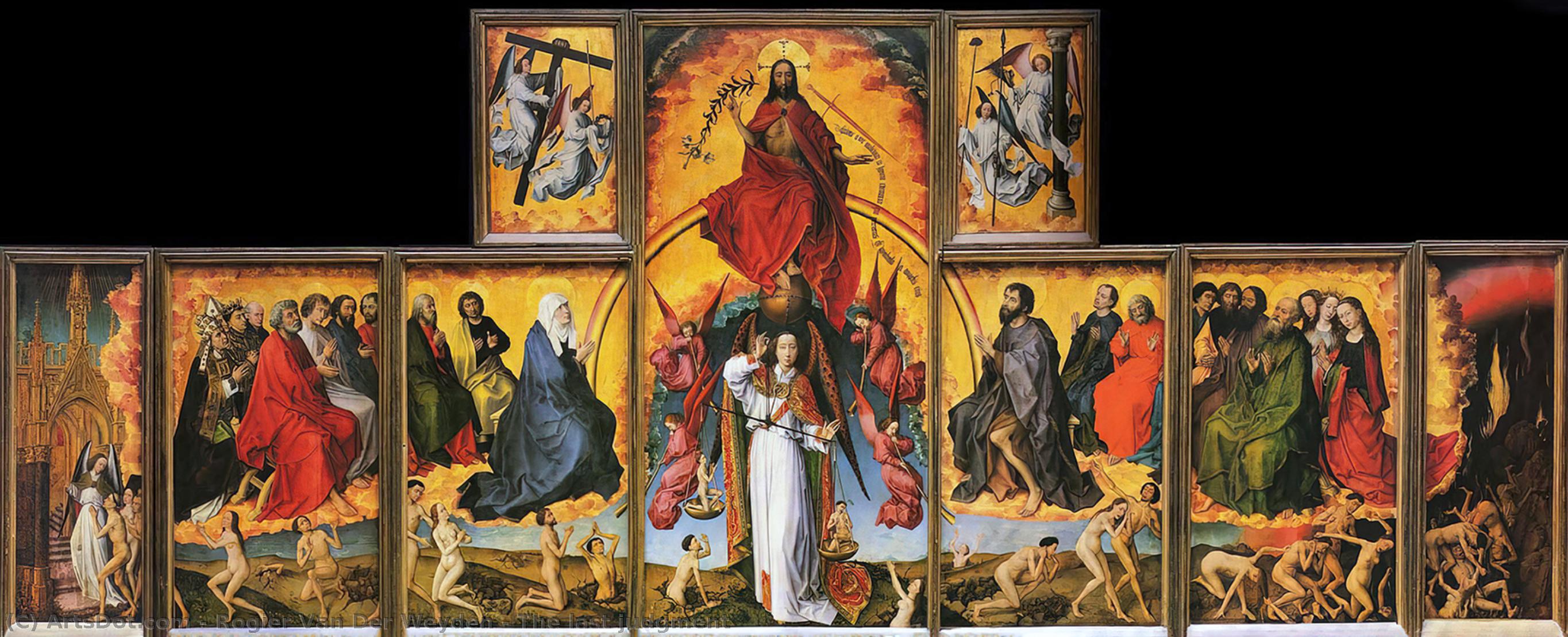
The Last Judgment

 Leggi tutto
Giclée / Stampe d'arte
Stampa giclée o su tela di qualità museale, con produzione rapida e diverse opzioni di finitura. ( Passa alla versione dipinta a mano Passa all'immagine)




P118B $10

P118H $10

P118W $10

P438Z $10

P508JH $12

P508YH $12

P805H $10

P805Z $10

P919BZ $10

P919G $10

P919XJ $10

P959ZH $10

P968JZ $12

W106C $8

W218G $10

W218JH $8

W218Y $10

W307PJ $10

W316G $10

W316PJ $8

W316Y $10

W398PJ $8

W4111J $10

W500HY $15

W500JH $15

W692G $12

W849H $8

W940BG $15

W953PJ $8




Scegli tra le nostre dimensioni predefinite, che rispettano le proporzioni originali dell'opera d'arte.

È possibile inserire dimensioni personalizzate per adattare l'opera a una cornice o a uno spazio specifico. Se la dimensione selezionata non corrisponde alle proporzioni dell'immagine originale, procederemo al ritaglio dell'opera o all'estensione dell'immagine con un bordo specchiato o a tinta unita. Un mockup digitale ti verrà inviato per approvazione prima dell'inizio della produzione.
Si prega di notare che l'anteprima a schermo non riflette il ritaglio o l'estensione effettivi. Solo il mockup mostrerà accuratamente la composizione finale.
Sebbene siano disponibili dimensioni personalizzate, si raccomanda di selezionare una dimensione dall'elenco predefinito per preservare le proporzioni originali.
Consegna in tutto il mondo () in 2 settimane invece delle normali 4/5 settimane. (7 Agosto)

Spedizione espressa gratuita in tutto il mondo

Tela in lino di alta qualità

Assicurazione completa sulla spedizione

Garanzia di rimborso dei dazi doganali

Garanzia di fedeltà cromatica dell'originale

Politica di reso entro 60 giorni (solo per difetti di fabbricazione)

Garanzia di rimborso al 100%

Sconto per acquisti multipli
 L'opzione vetro è disponibile solo per dimensioni inferiori a 110 cm

The Last Judgment
Giclée / Stampe d'arte
Dimensioni della riproduzione
-


Prezzo totale
$ 63
Descrizione del pezzo
Rogier van der Weyden’s “The Last Judgment”: A Descent into Emotional Turmoil
Rogier van der Weyden's "The Last Judgment," painted around 1430-1435, isn’t merely a depiction of biblical narrative; it’s a visceral exploration of human mortality and the agonizing weight of divine judgment. This monumental work, likely intended for a private chapel or a significant civic commission, transcends simple religious illustration to become a profoundly moving meditation on sin, redemption, and the inescapable consequences of earthly actions. Van der Weyden, already recognized as a master of psychological realism in his portraits, here unleashes an intensity rarely seen in Northern European painting of the period, employing techniques that anticipate the dramatic fervor of the Renaissance.
The scene unfolds within a richly detailed architectural setting – a vast, echoing space dominated by a towering crucifix. Figures are arranged in layers, creating a powerful sense of depth and drawing the viewer’s eye into the heart of the drama. Van der Weyden's meticulous attention to detail is immediately apparent: the textures of clothing, the folds of drapery, the subtle variations in skin tone – all rendered with an almost obsessive precision that lends each figure a startlingly lifelike quality. He doesn’t shy away from depicting the grotesque and uncomfortable; the faces of the damned are contorted in agony, their bodies twisted in despair, while those ascending to heaven exhibit expressions ranging from serene acceptance to ecstatic joy. The inclusion of a small dog on the left side adds an unexpected element of pathos – perhaps symbolizing loyalty or even judgment itself.
The Master of Emotion: Van der Weyden’s Innovative Techniques
What distinguishes “The Last Judgment” is not simply its dramatic subject matter, but Van der Weyden's masterful manipulation of color and light. He employs a sophisticated palette – deep reds, blues, and golds contrasted with stark whites – to heighten the emotional impact of the scene. The use of *chiaroscuro*—the dramatic interplay of light and shadow—is particularly effective in sculpting the figures and emphasizing their expressions of torment or hope. Van der Weyden was a pioneer in using oil paints, allowing him to achieve subtle gradations of color and create a luminous quality that was previously unattainable with tempera. This technique allowed for a level of detail and realism that set him apart from his contemporaries.
Furthermore, Van der Weyden’s approach to depicting human emotion is revolutionary. He moves beyond the stylized gestures and idealized expressions common in earlier religious art, capturing moments of raw, unfiltered anguish and profound spiritual yearning. The faces of the damned are not simply frightening; they are heartbreakingly vulnerable, conveying a sense of utter despair. The figures ascending to heaven, while radiating joy, also exhibit a quiet dignity and acceptance that speaks volumes about their faith.
Symbolism and Historical Context
“The Last Judgment” is rich in symbolic meaning. The central crucifix represents Christ’s sacrifice and the gateway to salvation. The arrangement of figures – the damned descending into darkness, the saved ascending towards light – reflects traditional theological interpretations of the afterlife. Van der Weyden's work was created during a period of intense religious fervor and political upheaval in Burgundy, where the powerful Dukes were actively promoting piety and artistic patronage. This commission likely served as a potent reminder of moral responsibility and the consequences of sin within the ruling elite.
Interestingly, this painting is part of a larger polyptych, suggesting it was intended for a private chapel setting. The reverse side of the panel offers further insight into Van der Weyden’s artistic process and his engagement with contemporary trends. The influence of Italian Renaissance art, particularly in its use of perspective and dramatic composition, can be detected in “The Last Judgment,” signaling a shift towards greater realism and emotional intensity within Northern European painting.
A Timeless Exploration of Human Condition
“The Last Judgment” remains a profoundly moving work of art. It’s not just a depiction of biblical events; it's an exploration of the human condition—our capacity for both great good and terrible evil, our struggle with mortality, and our yearning for redemption. Van der Weyden’s masterful technique, combined with his profound understanding of human psychology, creates a work that continues to resonate with viewers centuries after its creation. A high-quality reproduction allows us to experience the painting's emotional power and artistic brilliance in our own homes, serving as a constant reminder of the choices we make and their ultimate consequences.
Opere correlate


Biografia dell'artista
vita e carriera
rogier van der weyden, noto anche come roger de la pasture, è stato un pittore fiammingo precoce di spicco attivo nel XV secolo. Nato in Belgio intorno al 1400, è diventato uno degli artisti più influenti del suo tempo, con le sue opere che hanno ottenuto un notevole riconoscimento nei Paesi Bassi, in Italia e in Spagna.stile artistico e tecnica
Lo stile artistico di Van der Weyden era caratterizzato da una ricca colorazione, da un'espressione simpatica e da un approccio unico al pathos e al naturalismo. Le sue figure apparivano spesso statueche, soprattutto nei suoi trittici, che presentavano dettagli intricati e caratteristiche facciali idealizzate. Ha impiegato una vasta tavolozza di colori, assicurandosi che nessun singolo tono venisse ripetuto, aggiungendo profondità e complessità alle sue composizioni.opere notevoli
* santo lucio che disegna un ritratto della Madonna (Museo di Belle Arti di Boston): questo dipinto mostra la maestria di Van der Weyden nella pittura a olio su tavola, con una splendida rappresentazione del santo Luca. * Lamentazioni (Musée des Beaux-Arts di Tournai, Belgio): questo piccolo ma potente dipinto dimostra la capacità di Van der Weyden di esprimere intensità emotiva attraverso il chiaroscuro.musei e collezioni
* Musée des Beaux-Arts di Tournai, Belgio: ospita una collezione impressionante delle opere di Van der Weyden, tra cui il dipinto a due facce di Jean de Gros. * Musées royaux des Beaux-Arts (Bruxelles, Belgio): ospita una collezione significativa di dipinti fiamminghi antichi, tra cui opere di Van der Weyden e altri artisti importanti.eredità
L'influenza di Van der Weyden sul Rinascimento settentrionale è innegabile. Era al fianco di Robert Campin e Jan van Eyck come uno dei tre grandi artisti fiamminghi antichi, rinomato per il suo stile e la sua tecnica innovativi. Nonostante la sua fama sia diminuita nel XVII secolo, le opere di Van der Weyden sono state riscoprite nel XIX secolo e ora è considerato una figura importante nella storia della pittura fiamminga antica.- visualizza altre opere di rogier van der weyden su ArtsDot.com
- esplora la collezione del Musée des Beaux-Arts di Tournai su scopri i capolavori del Musée des Beaux-Arts di Tournai, Belgio
- impara a conoscere la pittura fiamminga antica su wikipedia

Rogier van der Weyden
1400 - 1464 , Belgio
Informazioni rapide
- Artisti Influenti: ['Robert Campin']
- Artisti Influenzati: ['Goswijn van der Weyden']
- Data Di Morte: 1464
- Data Di Nascita: circa 1400
- Luogo Di Nascita: Tournai, Belgio
- Movimento Artistico: Primitivi fiamminghi
- Nazionalità: Belga
- Nome Completo: Rogier van der Weyden
- Opere Notevoli:
- San Luca che disegna la Madonna
- Lamentazione
- Deposizione
- Trittico Bladelin
Articoli correlati

Ugo van der Goes: Devozione, Innovazione e la Profondità Psicologica della Pittura Fiamminga del Primo Rinascimento
Esplora la vita e le opere di Ugo van der Goes, maestro del Rinascimento fiammingo. Analisi approfondita dell'Altare Portinari, delle sue innovazioni tecniche e dell'impatto sulla storia dell'arte.
Illuminating Realism: Early Netherlandish Painting (15th-16th Centuries)
Explore the captivating world of Early Netherlandish painting! Discover Jan van Eyck, Hans Memling & more. Uncover symbolism, techniques & the legacy of these Flemish masters. A comprehensive guide for art enthusiasts.

Jan van Eyck: Innovazione, Simbolismo e l'Alba della Pittura Primitiva Fiamminga
Esplora l'innovazione e il simbolismo rivoluzionari di Jan van Eyck, padre della pittura fiamminga. Analisi approfondita della tecnica ad olio, del Polittico dell'Agnello Mistico e dei suoi capolavori. Scopri la sua eredità artistica.

I 10 Capolavori della Pittura Fiamminga Antica: Arte, Storia e Stile per la Tua Casa
Esplora i 10 capolavori della pittura fiamminga antica! Jan van Eyck, Rogier van der Weyden e altri maestri rinascimentali. Scopri storia, tecnica e simbolismo di questi dipinti iconici. Trova riproduzioni d'arte di alta qualità per la tua casa su ArtsDot.com.

I 10 Capolavori del Rinascimento Netherlandese: Arte, Storia e Decorazioni di Lusso
Esplora i 10 capolavori del Rinascimento Netherlandese: Jan van Eyck, Rogier van der Weyden e altri maestri fiamminghi. Scopri la storia, le tecniche e il simbolismo di questi dipinti iconici. Riproduzioni d'arte di lusso su ArtsDot.com.



