


 Anteprima in scala reale
 Condividi
 Condividi
 Dettagli
 Guida stampabile

 Scarica
 Articoli simili
 Radiografia
 Slideshow
 Statistiche
St. George e il Drago


 Leggi tutto
Riproduzione a olio fatta a mano
Olio su tela dipinto a mano nelle tue dimensioni e con la tua cornice, realizzato su ordinazione dai nostri artisti. ( Passa alle stampe Passa all'immagine digitale)




P118B €10

P118H €10

P118W €10

P438Z €10

P508JH €12

P508YH €12

P805H €10

P805Z €10

P919BZ €10

P919G €10

P919XJ €10

P959ZH €10

P968JZ €12

W106C €8

W218G €10

W218JH €8

W218Y €10

W307PJ €10

W316G €10

W316PJ €8

W316Y €10

W398PJ €8

W4111J €10

W500HY €15

W500JH €15

W692G €12

W849H €8

W940BG €15

W953PJ €8




Scegli tra le nostre dimensioni predefinite, che rispettano le proporzioni originali dell'opera d'arte.

Type the width and the height you need, to fit your frame or your wall. This is hand-painted, so for a size with a different shape the artist can paint a bit more around the picture, or cut a bit — you choose. We send you a digital mockup to approve before the painting starts. The picture shown on this page does not show the real result — only the mockup does.
Dopo l'ordine, il team di ArtsDot.com contatterà il cliente via e-mail per ricevere le istruzioni e fornirà un'anteprima del mockup
Consegna in tutto il mondo () in 3/4 settimane anziché nelle normali 5 settimane. (14 Ottobre). Nessun compromesso sulla qualità.

Spedizione espressa gratuita in tutto il mondo

Tela in lino di alta qualità

Assicurazione completa sulla spedizione

Garanzia di rimborso dei dazi doganali

Garanzia di perfetta fedeltà cromatica

Politica di reso entro 100 giorni (solo per difetti di fabbricazione)

Garanzia di rimborso al 100%

Sconto per acquisti multipli
 L'opzione vetro è disponibile solo per dimensioni inferiori a 110 cm

St. George e il Drago
Tecnica di riproduzione
Dimensioni della riproduzione
-


Prezzo totale
€ 228
St. George and the Dragon
“St. George and the Dragon” by Raffaello Sanzio Da Urbino stands as a cornerstone of High Renaissance art, embodying Raphael’s unparalleled mastery of composition, color palette, and profound emotional resonance. Created between 1504-1506 during his formative Florentine period, this diminutive cabinet painting continues to fascinate audiences globally with its dramatic portrayal of Saint George's heroic confrontation with the monstrous serpent.
The Artistic Context
Raphael emerged as a pivotal figure within the Italian High Renaissance—a movement characterized by humanist ideals and an unwavering devotion to classical antiquity. Artists like Michelangelo and Leonardo da Vinci sought inspiration from Greco-Roman sculpture and architecture, mirroring the renewed interest in humanism that permeated intellectual circles of the time. Raphael skillfully blended these influences with Christian iconography, reflecting the spiritual values prevalent in Renaissance Italy. “St. George and the Dragon” exemplifies this harmonious fusion, drawing upon biblical narratives rooted in Christian mythology.
Composition and Symbolism
The painting’s setting is a stylized forest—a deliberate choice that enhances its dramatic impact. Saint George, mounted on a magnificent white horse—symbolizing purity and courage—faces off against the dragon—representing evil and chaos. The horse's posture conveys determination and readiness for battle. Scattered throughout the scene are figures observing the confrontation, adding to the theatrical atmosphere. Notably, two birds appear prominently—one positioned near the center-left side of the canvas and another towards the right—likely symbolizing hope and redemption—a recurring motif in Renaissance art.
Artistic Techniques
Raphael’s masterful use of oil paint allowed for exceptional color vibrancy and textural richness, elevating the emotional depth of the artwork. Despite its small size—approximately 38 x 27 cm—the painting achieves a remarkable sense of perspective and movement thanks to careful attention to detail. Anatomical precision is evident in the depiction of Saint George’s musculature and posture, reflecting Raphael's meticulous study of classical sculpture—a practice that profoundly influenced his artistic style.
Historical Significance
"St. George and the Dragon" originally resided within the prestigious Pierre Crozat collection before being acquired by Catherine II of Russia in 1772. It subsequently graced the Imperial Hermitage Museum for over a century, becoming a celebrated exemplar of Russian art history. A pivotal moment arrived in 1931 when Andrew Mellon generously donated it to the National Gallery of Art in Washington D.C., securing its place among America’s most treasured artistic treasures. Raphael's influence extends far beyond his own lifetime, shaping the trajectory of Neoclassical painting and inspiring generations of artists.
- Madonna with Beardless St Joseph by Raffaello Sanzio Da Urbino
- Self-Portrait by Raffaello Sanzio Da Urbino
- Raphael
- Florentine Renaissance art
- Western painting
For those eager to delve deeper into Raphael’s artistic legacy or explore the broader panorama of Renaissance art, ArtsDot presents a curated selection of exquisite oil painting reproductions and comprehensive scholarly information—perfect for enriching your understanding of this enduring masterpiece.
Domande e risposte
I colori di "St. George e il Drago" di Raffaello sono vivaci o tenui?
"St. George e il Drago" di Raffaello è caratterizzato da una saturazione di Saturazione morbida e bilanciata e un'intensità di Equilibrato.
Quale soggetto e quale atmosfera combinano "St. George e il Drago" di Raffaello?
"St. George e il Drago" mostra saint george, dragon slayer, renaissance art, mythology, christian symbolism, composition, color palette, perspective, e l'atmosfera che ne deriva è Drammatico.
Come è strutturata la composizione cromatica di "St. George e il Drago" di Raffaello?
In "St. George e il Drago", un Dichiarazione contrasto si sposa con una Armonia equilibrata armonia.
Opere correlate


Biografia dell'artista
**primi anni di vita e formazione**
Raphael (Raffaello Sanzio da Urbino), un rinomato pittore e architetto italiano, nacque tra il 28 marzo e il 6 aprile 1483, nella piccola ma culturalmente significativa città di Urbino. Suo padre, Giovanni Santi, era un pittore di corte per il duca, offrendo a Raffaello un'esposizione precoce al mondo dell’arte. Dopo la morte del padre all'età di undici anni, Raffaello probabilmente gestì l'officina familiare, consolidando ulteriormente le sue fondamenta artistiche.**carriera artistica e influenze**
Il percorso artistico di Raffaello può essere suddiviso in tre fasi distinte, ciascuna caratterizzata da uno stile unico:- primi anni a Umbriglia: caratterizzati dall'influenza del padre e dall'atmosfera culturale di Urbino.
- periodo fiorentino (1504-1508): assorbendo le tradizioni artistiche di Firenze, che hanno profondamente influenzato il suo stile.
- periodo romano (1508-1520): lavorando per due papi e i loro associati, producendo alcune delle sue opere più celebrate, tra cui La scuola di Atene nella stanza della segnatura Vaticana.
**opere notevoli e eredità**
Alcune delle opere più importanti di Raffaello includono:- Il giudizio di Solemano (visualizza su ArtsDot)
- La Madonna di Esterhazy (visualizza su ArtsDot)
- Stanze Vaticane - Vista della stanza della segnatura (visualizza su ArtsDot)
- S. Sebastiano (visualizza su ArtsDot)
- La donna velata (visualizza su ArtsDot)
**influenza e eredità**
L'influenza di Raffaello sull'arte è profonda, con le sue opere che costituiscono un pilastro del Rinascimento maturo. Il suo stile sereno e armonioso è stato un modello per la pittura neoclassica, come notato da l' storico dell'arte Johann Joachim Winckelmann. Nonostante l'influenza successiva dello stile di Michelangelo, Raffaello rimane uno degli artisti più celebrati della storia. visualizza il profilo di Raffaello su ArtsDot
Raffaello
1483 - 1520 , Italia
Informazioni rapide
- Artisti Influenti:
- Giovanni Santi
- Pietro Perugino
- Leonardo da Vinci
- Michelangelo
- Artisti Influenzati: ['Neoclassicismo']
- Data Di Morte: 6 aprile 1520
- Data Di Nascita: 28 marzo 1483
- Luogo Di Nascita: Urbino, Italia
- Movimento Artistico: Rinascimento maturo
- Nazionalità: Italiana
- Nome Completo: Raffaello Sanzio da Urbino
- Opere Notevoli:
- La Scuola di Atene
- Madonna Solly
- Madonna del Cardellino
- Le Tre Grazie
- La Messa a Bolsena
Articoli correlati

Georges Seurat: I 25 Capolavori che Rivoluzionarono la Pittura | ArtsDot
Esplora i 25 capolavori di Georges Seurat, il maestro del Pointillismo. Scopri la storia, le tecniche e l'emozione dietro dipinti iconici come 'Un dimanche à la Grande Jatte'. Trova riproduzioni d'arte di alta qualità per decorare casa tua su ArtsDot.com.
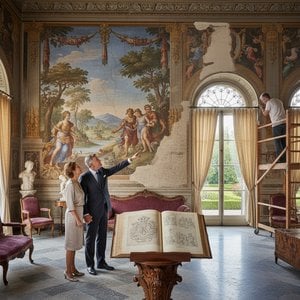
L'Arte dei Murales di Famiglia: Trasformare le Mura in Memorie Eterne
Scopri l'arte del fresco e crea murales familiari unici! Esplora la storia, le tecniche e realizza il tuo sogno artistico con : esperti artisti e qualità garantita.

Georges Braque: I 25 Capolavori che Hanno Rivoluzionato l'Arte Moderna | ArtsDot
Esplora i 25 capolavori di Georges Braque, pioniere del Cubismo. Scopri la storia, le tecniche e l'impatto di opere iconiche come 'The Patience'. Trova riproduzioni d'arte di alta qualità per decorare casa tua su ArtsDot.com.

Raffaello Sanzio: I 25 Capolavori Immortali dell'Arte Rinascimentale | ArtsDot
Esplora i 25 capolavori immortali di Raffaello Sanzio, il maestro del Rinascimento italiano. Scopri la storia, le tecniche e l'emozione dietro dipinti iconici come 'La Scuola di Atene'. Trova riproduzioni d'arte di alta qualità per decorare casa tua su ArtsDot.com.

The Enduring Legacy of Fresco: Technique, History & Artistic Expression Across Cultures
Explore the rich history & enduring legacy of fresco painting! Discover ancient techniques, Giotto's masterpieces, and modern applications. Expert insights for art lovers & professionals.


