Anteprima in scala reale
 Condividi
 Condividi
 Dettagli

 Scarica immagine
 Articoli simili
 Radiografia
 Slideshow
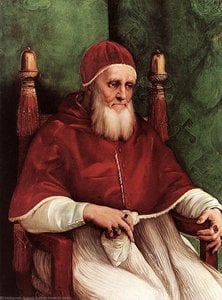
La Visione di Ezechiele
 Olio su tela
- Opere da parete
- Rinascimento
 1518
1518- Renaissance
 40.0 x 30.0 cm
 Museo del Palazzo Pitti
 Leggi tutto
Riproduzione a olio fatta a mano
Olio su tela dipinto a mano nelle tue dimensioni e con la tua cornice, realizzato su ordinazione dai nostri artisti. ( Ordina stampa Acquista download)




P118B $10

P118H $10

P118W $10

P438Z $10

P508JH $12

P508YH $12

P805H $10

P805Z $10

P919BZ $10

P919G $10

P919XJ $10

P959ZH $10

P968JZ $12

W106C $8

W218G $10

W218JH $8

W218Y $10

W307PJ $10

W316G $10

W316PJ $8

W316Y $10

W398PJ $8

W4111J $10

W500HY $15

W500JH $15

W692G $12

W849H $8

W940BG $15

W953PJ $8




Scegli tra le nostre dimensioni predefinite, che rispettano le proporzioni originali dell'opera d'arte.

È possibile inserire dimensioni personalizzate per adattare l'opera a una cornice o a uno spazio specifico. Se la dimensione selezionata non corrisponde alle proporzioni dell'immagine originale, provvederemo a ritagliare l'opera o a estendere il dipinto con elementi aggiuntivi dipinti a mano. Un mockup digitale ti sarà inviato per approvazione prima dell'inizio della produzione.
Si prega di notare che l'anteprima a schermo non riflette il ritaglio o l'estensione effettivi. Solo il mockup mostrerà accuratamente la composizione finale.
Sebbene siano disponibili dimensioni personalizzate, consigliamo di selezionare una dimensione dall'elenco predefinito per preservare le proporzioni originali.
Dopo l'ordine, il team di ArtsDot.com contatterà il cliente via e-mail per le istruzioni e fornirà un'anteprima del mockup
Consegna in tutto il mondo () in 3/4 settimane anziché nelle normali 5 settimane. (16 Agosto). Nessun compromesso sulla qualità.

Spedizione espressa gratuita in tutto il mondo

Tela in lino di alta qualità

Assicurazione completa sulla spedizione

Garanzia di rimborso dei dazi doganali

Garanzia di fedeltà cromatica dell'originale

Politica di reso entro 60 giorni (solo per difetti di fabbricazione)

Garanzia di rimborso al 100%

Sconto per acquisti multipli
 L'opzione vetro è disponibile solo per dimensioni inferiori a 110 cm

La Visione di Ezechiele
Tecnica di riproduzione
Dimensioni della riproduzione
-


Prezzo totale
$ 313
Descrizione dell'opera
Un Incontro Divino: Svelando La Visione di Ezechiele di Raffaello
La Visione di Ezechiele di Raffaello, dipinta nel 1518, è un olio su tavola piccolo ma profondamente d'impatto, con dimensioni di appena 40 x 30 cm. Attualmente custodita nel prestigioso Museo di Palazzo Pitti a Firenze, in Italia, quest'opera racchiude la magistrale fusione tra fervore religioso e innovazione artistica tipica del Rinascimento maturo. È un pezzo che premia una contemplazione attenta, rivelando strati di simbolismo e brillantezza tecnica.Decodificare la Visione: Soggetto e Simbolismo
Il dipinto ritrae una scena ispirata al Libro di Ezechiele nell'Antico Testamento – nello specifico, l'esperienza visionaria del profeta descritta nei capitoli 1 e 10. Una figura alata, spesso identificata con l'Angelo Gabriele, domina la composizione. Egli accoglie teneramente un neonato, mentre un altro bambino sta in piedi, attento, nelle vicinanze. Attorno a loro si trovano tre cherubini, le cui forme riecheggiano la scultura classica, e una affascinante serie di animali: un cavallo potente, un bue instancabile e uccelli in volo. Queste creature non sono puramente decorative; rappresentano i quattro esseri viventi (Tetramorfo) descritti nella visione di Ezechiele – simboli del potere terreno e della presenza divina. Le nuvole vorticose che formano lo sfondo accentuando il senso di rivelazione ultraterrena. L'intera scena non è una rappresentazione letterale, bensì un'interpretazione artistica di un'esperienza spirituale, focalizzata sui temi della profezia, della protezione e dell'ordine divino.La Maestria Artistica di Raffaello: Stile e Tecnica
La Visione di Ezechiele esemplifica lo stile inconfondibile di Raffaello, caratterizzato da grazia, armonia e meticoloso dettaglio. L'uso della pittura a olio permette una ricchezza di colore e sottili sfumature di luce e ombra, creando un senso di profondità e realismo. Si noti il delicato modellato delle figure, il fluire dei drappeggi e l'espressività dei volti. La composizione di Raffaello è accuratamente bilanciata, guidando l'occhio dello spettatore verso il gruppo centrale pur mantenendo l'interesse visivo in tutta la scena. La struttura piramidale conferisce stabilità e grandezza all'immagine. La sua tecnica dimostra una profonda comprensione dell'anatomia, della prospettiva e della teoria del colore – marchi di fabbrica del Rinascimento maturo.Contesto Storico e Stirpe Artistica
Creata durante il periodo in cui Raffaello fu architetto capo della Basilica di San Pietro a Roma, La Visione di Ezechiele riflette il clima artistico dell'epoca. Il Palazzo Pitti stesso possiede una storia affascinante, costruito originariamente per Luca Pitti nel 1458 e divenuto in seguito la residenza principale della famiglia Medici. Raffaello fu profondamente influenzato dai maestri precedenti come Leonardo da Vinci e Michelangelo, ma sviluppò uno stile unico che lo distinse. Questo dipinto si erge come testimonianza della sua evoluzione artistica e del suo contributo alla fioritura della scena artistica rinascimentale.Risonanza Emotiva e Impatto Duraturo
Oltre alla sua brillantezza tecnica e alla sua importanza storica, La Visione di Ezechiele evoca una potente risposta emotiva. La tenerezza dell'abbraccio dell'angelo, l'innocenza dei bambini e la presenza maestosa delle creature divine creano un senso di riverenza e meraviglia. Il dipinto invita gli spettatori a contemplare i temi della fede, della speranza e i misteri del regno spirituale. È un'opera che continua a ispirare artisti e amanti dell'arte, fungendo da promemoria del potere duraturo dell'espressione artistica.Portare la Visione a Casa: Riproduzioni Disponibili
Per coloro che sono catturati dal capolavoro di Raffaello, sono disponibili riproduzioni di alta qualità di dipinti a olio realizzati a mano, che permettono di sperimentare la bellezza e l'arte della Visione di Ezechiele nel proprio spazio. Queste riproduzioni meticolosamente realizzate catturano l'essenza dell'opera originale, offrendo un legame tangibile con la storia dell'arte.Esplora Altre Opere di Raffaello
- Considera l'esplorazione di altre opere di Raffaello come La Scuola di Atene, La Madonna Sistina e i suoi numerosi ritratti.
- La sua maestria nella composizione, nel colore e nella forma è evidente in tutta la sua opera.
- Approfondisci il mondo del Rinascimento maturo per comprendere le forze culturali e artistiche che hanno plasmato la visione di Raffaello.
Opere correlate


Biografia dell'artista
**primi anni di vita e formazione**
Raphael (Raffaello Sanzio da Urbino), un rinomato pittore e architetto italiano, nacque tra il 28 marzo e il 6 aprile 1483, nella piccola ma culturalmente significativa città di Urbino. Suo padre, Giovanni Santi, era un pittore di corte per il duca, offrendo a Raffaello un'esposizione precoce al mondo dell’arte. Dopo la morte del padre all'età di undici anni, Raffaello probabilmente gestì l'officina familiare, consolidando ulteriormente le sue fondamenta artistiche.**carriera artistica e influenze**
Il percorso artistico di Raffaello può essere suddiviso in tre fasi distinte, ciascuna caratterizzata da uno stile unico:- primi anni a Umbriglia: caratterizzati dall'influenza del padre e dall'atmosfera culturale di Urbino.
- periodo fiorentino (1504-1508): assorbendo le tradizioni artistiche di Firenze, che hanno profondamente influenzato il suo stile.
- periodo romano (1508-1520): lavorando per due papi e i loro associati, producendo alcune delle sue opere più celebrate, tra cui La scuola di Atene nella stanza della segnatura Vaticana.
**opere notevoli e eredità**
Alcune delle opere più importanti di Raffaello includono:- Il giudizio di Solemano (visualizza su ArtsDot)
- La Madonna di Esterhazy (visualizza su ArtsDot)
- Stanze Vaticane - Vista della stanza della segnatura (visualizza su ArtsDot)
- S. Sebastiano (visualizza su ArtsDot)
- La donna velata (visualizza su ArtsDot)
**influenza e eredità**
L'influenza di Raffaello sull'arte è profonda, con le sue opere che costituiscono un pilastro del Rinascimento maturo. Il suo stile sereno e armonioso è stato un modello per la pittura neoclassica, come notato da l' storico dell'arte Johann Joachim Winckelmann. Nonostante l'influenza successiva dello stile di Michelangelo, Raffaello rimane uno degli artisti più celebrati della storia. visualizza il profilo di Raffaello su ArtsDot
Raffaello
1483 - 1520 , Italia
Informazioni rapide
- Artisti Influenti:
- Giovanni Santi
- Pietro Perugino
- Leonardo da Vinci
- Michelangelo
- Artisti Influenzati: ['Neoclassicismo']
- Data Di Morte: 6 aprile 1520
- Data Di Nascita: 28 marzo 1483
- Luogo Di Nascita: Urbino, Italia
- Movimento Artistico: Rinascimento maturo
- Nazionalità: Italiana
- Nome Completo: Raffaello Sanzio da Urbino
- Opere Notevoli:
- La Scuola di Atene
- Madonna Solly
- Madonna del Cardellino
- Le Tre Grazie
- La Messa a Bolsena
Articoli correlati

Raffaello Sanzio: I 25 Capolavori Immortali dell'Arte Rinascimentale | ArtsDot
Esplora i 25 capolavori immortali di Raffaello Sanzio, il maestro del Rinascimento italiano. Scopri la storia, le tecniche e l'emozione dietro dipinti iconici come 'La Scuola di Atene'. Trova riproduzioni d'arte di alta qualità per decorare casa tua su ArtsDot.com.

I 10 Capolavori a Olio su Tavola che Hanno Rivoluzionato la Storia dell'Arte
Esplora i 10 capolavori a olio su tavola che hanno segnato la storia dell'arte! Da Botticelli a Leonardo, scopri le storie e le tecniche dei maestri. Trova riproduzioni d'arte di alta qualità per decorare casa con stile su .

Oil on Panel: A Historical Survey of Technique, Support, and Aesthetic Impact
Explore the rich history of oil on panel painting! Discover Renaissance techniques, support construction, & the enduring legacy of this masterful art form. Expert insights for collectors and enthusiasts.

Oil on Panel: A Historical Survey of Technique, Support & Aesthetic Evolution
Explore the rich history of oil on panel painting! Discover Renaissance techniques, support structures & aesthetic evolution. Expert insights for art collectors and enthusiasts.

The Enduring Legacy of Oil on Canvas: Technique, History & Aesthetic Impact
Explore the rich history & techniques of oil painting – from Renaissance masters to Impressionism. Discover pigments, layering methods, and why this timeless medium endures. Expert insights for artists & art enthusiasts.