


 Anteprima in scala reale
 Invia
Invia Condividi
 Dettagli opera

 Scarica immagine
 Simili
 Radiografia
 Slideshow
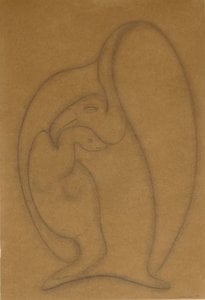
St. athanasius
 Espandi i dettagli
Giclée / Stampe d'arte
Stampa giclée o su tela di qualità museale, con produzione rapida e diverse opzioni di finitura. ( Acquista il dipinto realizzato a mano Acquista immagine)




































Scegli tra le nostre dimensioni predefinite, che rispettano le proporzioni originali dell'opera d'arte.

È possibile inserire dimensioni personalizzate per adattare l'opera a una cornice o a uno spazio specifico. Se la dimensione selezionata non corrisponde alle proporzioni dell'immagine originale, procederemo al ritaglio dell'opera o all'estensione dell'immagine con un bordo specchiato o a tinta unita. Un mockup digitale ti verrà inviato per approvazione prima dell'inizio della produzione.
Si prega di notare che l'anteprima a schermo non riflette il ritaglio o l'estensione effettivi. Solo il mockup mostrerà accuratamente la composizione finale.
Sebbene siano disponibili dimensioni personalizzate, si raccomanda di selezionare una dimensione dall'elenco predefinito per preservare le proporzioni originali.
Consegna in tutto il mondo () in 2 settimane invece delle normali 4/5 settimane. (27 Agosto)

Spedizione espressa gratuita in tutto il mondo

Tela in lino di alta qualità

Assicurazione completa sulla spedizione

Garanzia di rimborso dei dazi doganali

Garanzia di fedeltà cromatica

Politica di reso entro 60 giorni (solo per difetti di fabbricazione)

Garanzia di rimborso al 100%

Offerta per acquisti multipli
 L'opzione vetro è disponibile solo per dimensioni inferiori a 110 cm

St. athanasius
Giclée / Stampe d'arte
Dimensioni riproduzione
-


Prezzo totale calcolato
$ 62
Opere simili




Biografia dell'artista
La Melagrana di Roma: La Vita e l'Eredità di Cristoforo Roncalli
Nel cuore vibrante e turbolento della Roma della fine del XVI secolo, pochi nomi risuonarono con tanta gravità spirituale e artistica come Cristoforo Roncalli. Conosciuto dalla storia con l'evocativo soprannome di Il Pomarancio—un tributo alla sua terra natale toscana, Pomarance, dove la melagrana fiorisce rigogliosa—Roncalli era molto più di un semplice pittore; era un maestro tessitore di luce, ombra e dramma divino. Nato intorno al 1553 in una prospera famiglia di mercanti, i suoi primi anni furono immersi nelle tradizioni umanistiche della Toscana. La sua formazione a Firenze gli permise di respirare la stessa aria intellettuale degli eredi di Michelangelo e Raffaello, assorbendo una linea stilistica che enfatizzava la precisione anatomica e una profonda riverenza per la forma classica. Eppure, fu la sua migrazione verso il centro della corte papale a incendiare veramente il suo genio.
Entro il 1578, Roncalli si era stabilito a Roma, entrando nel prestigioso atelier di Niccolò Circignani. Questo periodo di apprendistato fu trasformativo, poiché si immerse profondamente nell'ecosistema artistico romano, un luogo in cui l'eleganza sbiadita del Rinascimento maturo veniva rimodellata dalla nascente energia del Manierismo. Lavorando al fianco di Circignani su monumentali cicli di affreschi, come quelli per Santa Maria di Loreto, Roncalli perfezionò una maestria tecnica che gli permise di dominare vasti spazi architettonici. La sua opera in quest'epoca iniziò a mostrare i tratti distintivi di un maestro in maturazione: una sensibilità senza pari al chiaroscuro e una tavolozza cromatica capace di trasmettere le più profonde profondità psicologiche.
Un Maestro della Tensione Manierista e della Devozione
Con il progredire della sua carriera, lo stile di Roncalli si evolse in una sofisticata espressione dello spirito della Controriforma. Si allontanò dalle composizioni serene e idealizzate del secolo precedente, abbracciando invece le figure stilizzate e le tensioni drammaticamente caratteristiche del movimento manierista. Le sue tele divennero palcoscenici per intensi incontri emotivi, dove arti allungate e pose complesse e contorte—la figura serpentinata—servivano ad accrescere la posta in gioco spirituale dei suoi soggetti religiosi. In opere come Santa Domitilla con i Santi Nereo e Achilleo, si osserva un comando mozzafiato della luce che scolpisce le figure dall'oscurità, infondendo in ogni santo una palpabile vulnerabilità umana.
La brillantezza de Il Pomarancio risiedeva nella sua capacità di bilanciare il rigore intellettuale della sua formazione con un potere viscerale ed emotivo. La sua pennellata poteva passare senza soluzione di continuità dalla delicata ed eterea qualità dei suoi schizzi preparatori—come l'inquietante Angelo Volante—alle robuste e materiche pitture a olio che adornavano le cupole e gli altari delle basiliche più sacre di Roma. Questa versatilità gli permise di rispondere alle diverse esigenze dei suoi patroni, dal clero di alto rango alle famiglie influenti, tutti alla ricerca della sua capacità di rendere il divino allo stesso tempo magnifico e intimamente presente.
Significato Storico e Resistenza Artistica
L'eredità di Cristoforo Roncalli è incisa nella trama stessa dell'architettura romana. I suoi contributi alla decorazione di San Silvestro e gli straordinari affreschi all'interno della cupola di Santa Maria di Loreto rimangono testimonianza di una vita di monumentali successi. Oltre alla sua abilità tecnica, Roncalli occupa un posto significativo nella storia dell'arte come ponte tra l'eleganza strutturata del Rinascimento e l'intensità drammatica e teatrale dell'imminente era Barocca.
Studiare le opere de Il Pomarancio significa testimoniare l'anima di un'epoca che lotta con la fede e la mortalità. I suoi dipinti non si limitano a ritrarre scene; evocano atmosfere di preghiera, lotta e trascendenza. Attraverso la sua maestria nei seguenti elementi, egli ha assicurato il suo posto tra i titani dell'arte italiana:
- Sintesi Stilistica: La fusione perfetta della precisione anatomica fiorentina con il vigore drammatico romano.
- Profondità Emotiva: Una capacità unica di infondere nell'iconografia religiosa complessità psicologica e pathos umano.
- Versatilità Tecnica: Padronanza di diversi media, tra cui affreschi su larga scala, olio su tela e intricati disegni a gessetto.
- Impatto Culturale: Il ruolo di figura chiave nel movimento manierista romano durante l'apice della Controriforma.
Sebbene siano passati secoli dalla sua morte nel 1626, la "melagrana" di Pomarance continua a offrire un raccolto ricco e duraturo per coloro che cercano di comprendere la profonda intersezione tra arte, fede ed emozione umana nel Rinascimento italiano.

Cristoforo Roncalli
1553 - 1626 , Italia
Dati rapidi
- Artistic Movement Or Style: Mannerism
- Artists Who Influenced This Artist: ['Niccolò Circignani']
- Date Of Birth: ca. 1553
- Date Of Death: 1626
- Full Name: Cristoforo Roncalli
- Nationality: Italian
- Notable Artworks:
- St Domitilla with Sts Nereus and Achilleus
- The foundation of the church of st. chiara
- Santa Cecilia
- Place Of Birth: Pomarance, Italy

