

 Anteprima in scala reale
 Condividi
 Condividi
 Dettagli

 Scarica immagine
 Articoli simili
 Radiografia
 Slideshow
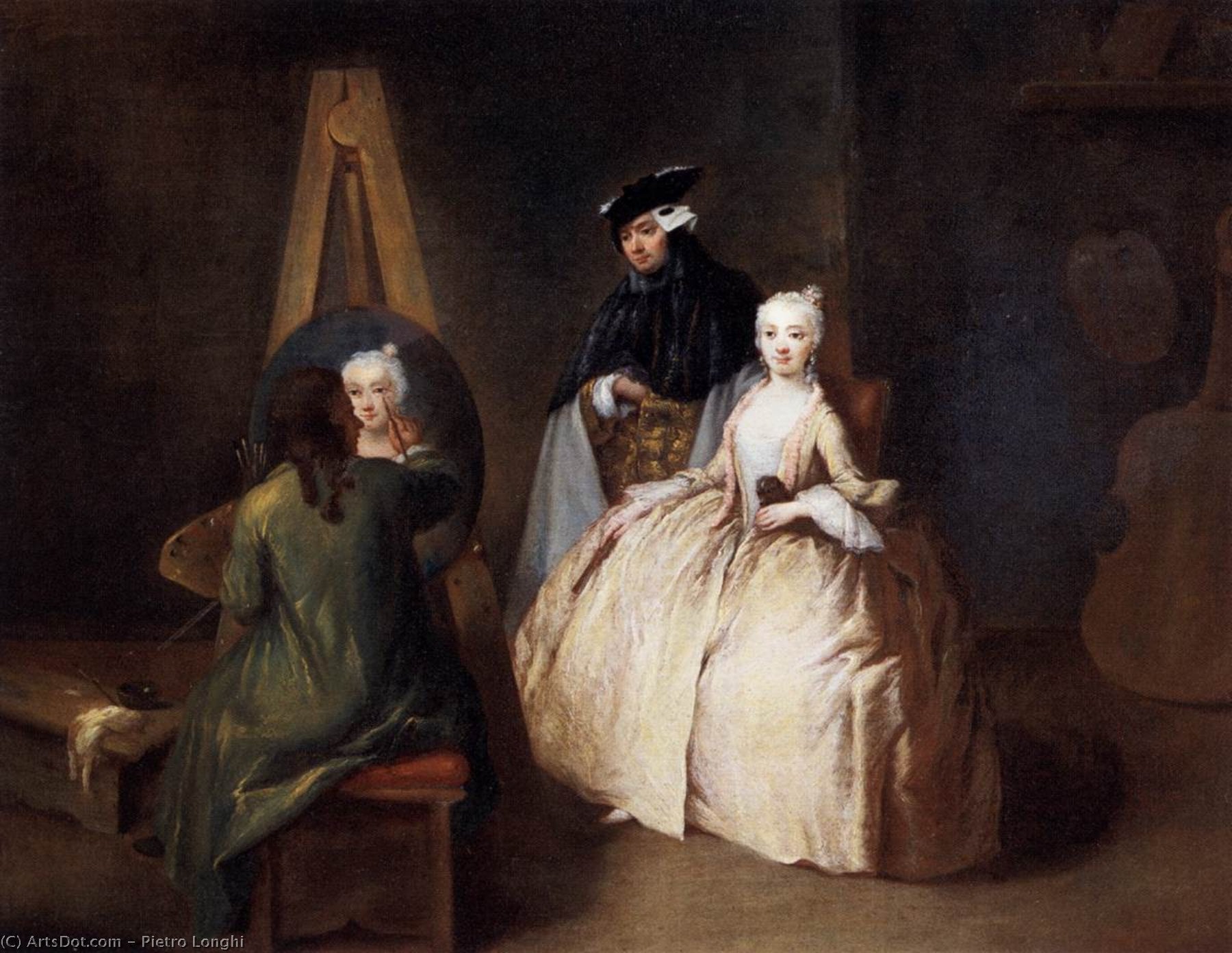
Painter in his Studio


 Leggi tutto
Giclée / Stampe d'arte
Stampa giclée o su tela di qualità museale, con produzione rapida e diverse opzioni di finitura. ( Ordina la riproduzione dipinta a mano Acquista download)




P118B $10

P118H $10

P118W $10

P438Z $10

P508JH $12

P508YH $12

P805H $10

P805Z $10

P919BZ $10

P919G $10

P919XJ $10

P959ZH $10

P968JZ $12

W106C $8

W218G $10

W218JH $8

W218Y $10

W307PJ $10

W316G $10

W316PJ $8

W316Y $10

W398PJ $8

W4111J $10

W500HY $15

W500JH $15

W692G $12

W849H $8

W940BG $15

W953PJ $8




Scegli tra le nostre dimensioni predefinite, che rispettano le proporzioni originali dell'opera d'arte.

È possibile inserire dimensioni personalizzate per adattare l'opera a una cornice o a uno spazio specifico. Se la dimensione selezionata non corrisponde alle proporzioni dell'immagine originale, procederemo al ritaglio dell'opera o all'estensione dell'immagine con un bordo specchiato o a tinta unita. Un mockup digitale ti verrà inviato per approvazione prima dell'inizio della produzione.
Si prega di notare che l'anteprima a schermo non riflette il ritaglio o l'estensione effettivi. Solo il mockup mostrerà accuratamente la composizione finale.
Sebbene siano disponibili dimensioni personalizzate, si raccomanda di selezionare una dimensione dall'elenco predefinito per preservare le proporzioni originali.
Consegna in tutto il mondo () in 2 settimane invece delle normali 4/5 settimane. (14 Agosto)

Spedizione espressa gratuita in tutto il mondo

Tela in lino di alta qualità

Assicurazione completa sulla spedizione

Garanzia di rimborso dei dazi doganali

Garanzia di fedeltà cromatica dell'originale

Politica di reso entro 60 giorni (solo per difetti di fabbricazione)

Garanzia di rimborso al 100%

Sconto per acquisti multipli
 L'opzione vetro è disponibile solo per dimensioni inferiori a 110 cm

Painter in his Studio
Giclée / Stampe d'arte
Dimensioni della riproduzione
-


Prezzo totale
$ 62
Descrizione del pezzo
Pietro Longhi’s Venetian Revelations: A Window into 18th-Century Life
Pietro Longhi, born Pietro Falca in Venice in 1701, wasn't a painter of grand historical narratives or mythological epics. Instead, he meticulously captured the quiet dramas unfolding within the vibrant heart of his city – Venice. He became renowned for his witty and remarkably intimate genre paintings, offering viewers glimpses into the lives of Venetian bourgeois society during the Rococo era. These weren’t sweeping landscapes or heroic portraits; they were snapshots of everyday life: masked balls, lively conversations in cafes, family gatherings, and the subtle rituals of a thriving mercantile republic. Longhi's genius lay not just in his technical skill but in his ability to imbue these seemingly mundane scenes with a captivating charm and a keen observational eye – earning him the affectionate moniker “the Venetian Hogarth” by art historians.
Longhi’s artistic journey began under the tutelage of Antonio Balestra, a respected Veronese painter who recognized and nurtured the young artist's talent. This foundation in traditional technique provided a solid base for his later innovations. He adopted the surname “Longhi,” a symbolic shedding of his father’s trade – a silversmith – to fully embrace his artistic aspirations. His career blossomed during a period when Venetian painting was largely dominated by grand historical and religious works; Longhi's focus on domestic scenes and social interactions offered a refreshing and distinctly human perspective.
“The Painter in His Studio”: A Masterpiece of Illusion and Observation
"The Painter in His Studio," painted around 1740-1745, stands as perhaps Longhi’s most ambitious and captivating work. This oil on canvas isn't merely a portrait; it’s an intricate allegory – a layered exploration of the artistic process itself, interwoven with social commentary and a subtle celebration of Venetian culture. The scene unfolds within the artist’s studio, a meticulously rendered space filled with objects that speak to his craft and his world. At the center stands Longhi himself, diligently painting a landscape depicting the Loue River valley in Franche-Comté – a region deeply connected to his own origins.
Around him are figures representing various facets of artistic life: a young boy observing intently, a nude female model (a deliberate nod to the academic tradition of “contrapposto” and the debate over the superiority of male versus female models), and a white cat curled up on a table. The background reveals partially obscured paintings – remnants of unfinished works, hinting at the challenges and rewards of artistic creation. A map of the Seventeen Provinces of the Netherlands hangs prominently on the wall, adorned with miniature depictions of Dutch cities, reflecting Venice’s historical ties to its northern neighbors. The inclusion of these details isn't arbitrary; they serve as symbolic markers, inviting viewers to contemplate the interconnectedness of art, knowledge, and society.
Decoding the Symbolism: A Window into Venetian Society
Beyond its technical brilliance, “The Painter in His Studio” is rich with symbolism. The presence of a "crucified figure" on the left side of the painting has been interpreted as a representation of the death of the Royal Academy’s artistic standards – a critique of the rigid conventions that Longhi sought to challenge. The map itself holds multiple layers of meaning, referencing both historical connections and the pursuit of knowledge. The inclusion of figures representing Parisian society—including Charles Baudelaire, Champfleury, and Alfred Bruyas—highlights Longhi's engagement with contemporary intellectual currents.
Longhi’s meticulous attention to detail – from the textures of the fabrics to the play of light on the objects in the studio – creates a remarkably immersive experience for the viewer. The painting isn’t just *about* art; it *is* an artwork, demonstrating Longhi's mastery of technique and his profound understanding of how to capture both the physical reality and the emotional essence of his subject matter. It offers a rare glimpse into the world of a Venetian artist at work, revealing not only his craft but also his perspective on society and the creative process.
A Legacy of Observation: Longhi’s Enduring Appeal
Pietro Longhi's legacy extends far beyond the confines of his studio. His paintings provide invaluable insights into 18th-century Venetian life, capturing a world of social customs, artistic trends, and intellectual debates with remarkable wit and precision. His work stands as a testament to the power of genre painting – its ability to illuminate the everyday experiences of ordinary people. Today, Longhi’s art continues to resonate with audiences, offering a captivating blend of realism, symbolism, and human insight. Reproductions of “The Painter in His Studio” provide a beautiful and accessible way to experience this remarkable masterpiece, bringing a touch of Venetian charm into any space.
Opere correlate


Biografia dell'artista
Primi anni e formazione
Pietro Longhi, rinomato pittore veneziano, nacque a Venezia nella parrocchia di Santa Maria il 5 novembre 1701. Era figlio primogenito di Alessandro Falca, un argentiere, e della moglie Antonia. Longhi adottò il suo cognome quando iniziò a dipingere, inizialmente istruito dal pittore veronese Antonio Balestra.Carriera artistica
I primi lavori di Longhi includevano pale d'altare e temi religiosi, con il suo primo importante lavoro documentato essendo una pala d'altare per la chiesa di San Pellegrino nel 1732. In seguito si specializzò in opere di genere su piccola scala, guadagnandosi il titolo di "il William Hogarth veneziano". Le sue scene interiori galanti riflettono l'attenzione del XVIII secolo verso il privato e il borghese.- I dipinti di Longhi spesso presentano figure mascherate impegnate in varie attività, come l'incontro del procuratore e di sua moglie, che mostra la sua prospettiva satirica.
- Le sue opere, come cacciatori di anatra sulla laguna, dimostrano la sua capacità di catturare la vita quotidiana a Venezia.
- I numerosi disegni di Longhi, tipicamente in grafite o matita accentuati con gesso bianco su carta colorata, erano spesso realizzati per se stessi, piuttosto che come studi preparatori per i dipinti.
Influenze e sviluppo artistico
Longhi fu inizialmente influenzato dal pittore veronese Antonio Balestra, che lo introdusse alla pittura. Successivamente, il suo periodo di apprendistato con Giuseppe Maria Crespi a Bologna ebbe un impatto significativo sul suo stile, introducendolo alle tecniche della pittura di genere e all'influenza dei maestri olandesi. Questo si riflette nella sua attenzione ai dettagli realistici e nella rappresentazione accurata della vita quotidiana veneziana. Il suo sviluppo artistico fu caratterizzato da una graduale transizione dai temi religiosi a quelli profani, culminando nella specializzazione nelle scene di genere che lo resero famoso.Opere principali e stile
Longhi è noto per le sue vivaci rappresentazioni della vita veneziana del XVIII secolo. Tra le sue opere più importanti si annoverano:- Il sarto (Gallerie dell'Accademia, Venezia)
- Il battesimo (Fondazione Querini Stampalia, Venezia)
- Il pittore nel suo studio (Ca' Zenobio, Venezia)
- La scena della mostra di uno Rinoceronte, che cattura l’eccitazione e la curiosità del pubblico veneziano.
Significato storico e eredità
Pietro Longhi morì l'8 maggio 1785, lasciando dietro di sé un’eredità come uno dei più celebrati pittori di genere del suo tempo. La sua opera continua ad essere ammirata per il suo insolito connubio tra satira e vita quotidiana, offrendo uno sguardo sulla Venezia del XVIII secolo. Longhi è considerato un precursore della pittura di genere moderna e la sua influenza si può riscontrare in molti artisti successivi. Visualizza altre opere di Pietro Longhi su ArtsDot.com.
Pietro Longhi
1701 - 1785 , Italia
Informazioni rapide
- Artisti Influenti:
- Antonio Balestra
- Giuseppe Maria Crespi
- Data Di Nascita: 5 novembre 1701
- Luogo Di Nascita: Venezia, Italia
- Movimento Artistico: Rococò Veneziano
- Nazionalità: Italiana
- Nome Completo: Pietro Longhi
- Opere Notevoli:
- Il sarto
- Il battesimo
- Pittore nel suo studio
Articoli correlati

Pietro Longhi's Venetian Scenes: A Study of Rococo Society & Domestic Life
Explore the captivating world of Pietro Longhi's Venetian scenes! Discover insightful analysis of his Rococo masterpieces & social commentary on 18th-century life. Learn about this 'Venetian Hogarth' and his lasting artistic legacy.

Jacopo Tintoretto: I 25 Capolavori che Definiscono un Maestro del Rinascimento Veneziano | ArtsDot
Esplora i 25 capolavori di Jacopo Tintoretto, il maestro del Rinascimento veneziano. Scopri la storia, le tecniche e l'emozione dietro ogni dipinto. Trova riproduzioni artistiche di alta qualità per decorare la tua casa su ArtsDot.com.

Scenes of Daily Life: A Comprehensive Exploration of Genre Painting Through History
Explore the rich history of genre painting! Discover Dutch Masters & European artists who captured everyday life with stunning realism. Learn about symbolism, techniques & lasting influence.

Il XVIII Secolo nell'Arte: 10 Capolavori da Ammirare e Decorare la Tua Casa
Esplora i 10 capolavori che definiscono l'arte del XVIII secolo! Da Guardi a Fragonard, scopri storie, tecniche e colori di un'epoca d'oro. Trova riproduzioni artistiche di alta qualità per decorare la tua casa su ArtsDot.com.

Michelangelo Morlaiter: Venetian Landscapes & the Pursuit of Atmospheric Realism
Explore the captivating landscapes of Michelangelo Morlaiter, a key figure in 18th-century Venetian painting. Discover his mastery of atmospheric perspective and lasting influence on Italian art history. Learn more at ArtsDot.

