


 Anteprima in scala reale
 Invia
Invia Condividi
 Dettagli opera

 Scarica immagine
 Simili
 Radiografia
 Slideshow
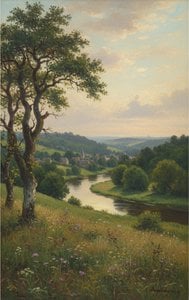
A Landscape With Cows

 Espandi i dettagli
Giclée / Stampe d'arte
Stampa giclée o su tela di qualità museale, con produzione rapida e diverse opzioni di finitura. ( Acquista il dipinto realizzato a mano Acquista immagine)




P118B $10

P118H $10

P118W $10

P438Z $10

P508JH $12

P508YH $12

P805H $10

P805Z $10

P919BZ $10

P919G $10

P919XJ $10

P959ZH $10

P968JZ $12

W106C $8

W218G $10

W218JH $8

W218Y $10

W307PJ $10

W316G $10

W316PJ $8

W316Y $10

W398PJ $8

W4111J $10

W500HY $15

W500JH $15

W692G $12

W849H $8

W940BG $15

W953PJ $8




Scegli tra le nostre dimensioni predefinite, che rispettano le proporzioni originali dell'opera d'arte.

È possibile inserire dimensioni personalizzate per adattare l'opera a una cornice o a uno spazio specifico. Se la dimensione selezionata non corrisponde alle proporzioni dell'immagine originale, procederemo al ritaglio dell'opera o all'estensione dell'immagine con un bordo specchiato o a tinta unita. Un mockup digitale ti verrà inviato per approvazione prima dell'inizio della produzione.
Si prega di notare che l'anteprima a schermo non riflette il ritaglio o l'estensione effettivi. Solo il mockup mostrerà accuratamente la composizione finale.
Sebbene siano disponibili dimensioni personalizzate, si raccomanda di selezionare una dimensione dall'elenco predefinito per preservare le proporzioni originali.
Consegna in tutto il mondo () in 2 settimane invece delle normali 4/5 settimane. (1 Settembre)

Spedizione espressa gratuita in tutto il mondo

Tela in lino di alta qualità

Assicurazione completa sulla spedizione

Garanzia di rimborso dei dazi doganali

Garanzia di fedeltà cromatica

Politica di reso entro 60 giorni (solo per difetti di fabbricazione)

Garanzia di rimborso al 100%

Offerta per acquisti multipli
 L'opzione vetro è disponibile solo per dimensioni inferiori a 110 cm

A Landscape With Cows
Giclée / Stampe d'arte
Dimensioni riproduzione
-


Prezzo totale calcolato
$ 62
Opere simili


Biografia dell'artista
L'Anima del Paesaggio Francese: La Vita e l'Eredità di Pierre-Emmanuel Damoye
Nel crepuscolo dorato del XIX secolo, mentre le rigide strutture del realismo accademico iniziavano a dissolversi nelle luminose sperimentazioni dell'Impressionismo, emerse un pittore capace di colmare il divario tra tradizione e innovazione. Pierre-Emmanuel Damoye, nato a Parigi il 20 febbraio 1847, non fu solo un cronista della natura, ma un vero poeta della terra. Il suo viaggio ebbe inizio nel cuore della Francia, nutrito dalla rigorosa formazione dell'École des Beaux-Arts> sotto lo sguardo attento di Léon Bonnat. Sebbene il suo mentore fosse un maestro della forma umana e del ritratto, il cuore di Damoye apparteneva all'orizzonte. Egli possedette una sensibilità innata verso la luce mutevole e il silenzioso dramma della campagna, una passione che lo avrebbe infine portato a diventare uno degli eredi più significativi della tradizione della Scuola di Barbizon.
L'evoluzione artistica di Damoye era profondamente intrecciata con i paesaggi che abitava. Come figura di spicco della Scuola di Pontoise, trovò la sua musa lungo le rive sinuose della Senna e dell'Oise. Questo gruppo di dedicati paesaggisti cercava di catturare la bellezza cruda e senza ornamenti del territorio francese, stabilendo spesso la propria vita in piccole comunità fluviali. Attraverso i suoi occhi, le sponde dei fiumi divennero palcoscenici di luce e ombra, dove il movimento dell'acqua e il fruscio delle foglie venivano resi con un profondo senso di presenza. La sua opera vagò spesso tra gli altopiani del bacino dell'Oise, le lussureggianti distese della Picardia e persino le ampie vedute della Valle della Loira, avventurandosi occasionalmente lungo la selvaggia costa normanna per catturare l'atmosfera salmastra del mare.
Un Arazzo di Influenza e Tecnica
Comprendere la pennellata di Damoye significa comprendere la stirpe della pittura di paesaggio francese. Le sue prime opere della fine degli anni Sessanta respirano le tranquille armonie tonali di Jean-a-Baptiste-Camille Corot>, riflettendo una riverenza per la luce sottile e argentea che definì l'era di Barbizon. Eppure, vi era un'inconfondibile vitalità nella sua tavolozza che puntava verso una sensibilità più moderna. Traendo ispirazione da Charles-François Daubigny, Damoye abbracciò una gamma cromatica più brillante e una tecnica più libera ed espressiva. Questo tocco "impressionista" gli permise di catturare le qualità effimere del tempo e dell'atmosfera: l'umidità pesante di una nebbia mattutina o la brillante chiarezza di un pomeriggio estivo.
Ciò che distinse veramente Damoye dai suoi predecessori fu la sua capacità di coltivare una visione indipendente. Pur rimanendo profondamente consapevole dei maestri che lo avevano preceduto, rifiutò di essere un semplice imitatore. Sviluppò uno schema cromatico altamente personalizzato e un repertorio di composizioni che sentiva unicamente proprie. Le sue tele sono celebrate per i loro:
- Cieli Immensi: Vastissimi cieli atmosferici che dominano le sue composizioni e dettano l'umore del paesaggio.
- Campagne Vibranti: Pianure riccamente strutturate e scene agricole che celebrano la fertilità e il ritmo della vita rurale.
- Pianure Costellate di Alberi: Disposizioni accuratamente bilanciate di fogliame che conferiscono struttura e profondità alle sue ampie vedute.
Ascesa all'Eminenza Artistica
La traiettoria della carriera di Damoye fu segnata da una rapida e meritata ascesa nei prestigiosi circoli artistici francesi. Iniziò a lasciare il segno al Salon nel 1875 con la sua evocativa opera L’hiver, e quasi immediatamente i critici iniziarono a riconoscere la sua capacità unica di infondere vita al paesaggio. La sua ascesa fu nulla meno che meteorica; entro il 1879, fu onorato con una medaglia di bronzo, seguita da una medaglia di secondo classe nel 1884. L'apice del suo riconoscimento professionale arrivò all' Exposition Universelle del 1889, dove gli fu conferita una prestigiosa medaglia d'oro, cementando il suo status di maestro del mestiere sulla scena globale.
All'inizio del secolo, Damoye era passato da talento emergente ad autorità consolidata, arrivando persino a far parte della giuria del Salon nel 1900. La sua eredità è preservata non solo nelle prestigiose collezioni del Louvre e del Musée d’Orsay a Parigi, ma anche nella duratura risonanza emotiva dei suoi dipinti. Egli rimane un legame vitale nella storia dell'arte, rappresentando quel bellissimo momento in cui le tradizioni radicate e profonde della Scuola di Barbizon incontrarono l'energia trasformativa e inondata di luce dell'Impressionismo. Attraverso la sua opera, i paesaggi della Francia continuano a parlare, offrendo una finestra senza tempo sulla serenità e lo splendore del mondo naturale.

Pierre-Emmanuel Damoye
1847 - 1916 , Francia
Dati rapidi
- Artistic Movement Or Style: Barbizon School Impressionismo
- Artists Who Influenced This Artist:
- Jean Baptiste Camille Corot
- Charles François Daubigny
- Date Of Birth: Feb 20, 1847
- Date Of Death: Jan 23, 1916 Paris
- Full Name: Pierre Emmanuel Damoye
- Nationality: Francese
- Notable Artworks:
- Isola saint-ouen
- Paesaggio con figure riposanti su un percorso e il mare in lontananza
- Place Of Birth: Paris France
Articoli correlati
Henri-Joseph Harpignies: Capturing the Poetic Essence of the French Landscape
Explore the serene landscapes of Henri-Joseph Harpignies, a master of the Barbizon School. Discover his atmospheric paintings, recurring themes & enduring legacy in 19th-century French art. Learn more at ArtsDot.

Evoking Nature's Sublime: A Comprehensive Exploration of 19th-Century Landscape Painting
Explore the captivating world of 19th-century landscape painting! Discover renowned artists like Friedrich & Monet, key movements, and find the perfect artwork to bring nature's serenity into your home. Expert insights at ArtsDot.

Paul Huet: Capturing the Essence of French Romanticism Through Light and Landscape
Explore the captivating world of Paul Huet (1803-1869), a master of French Romantic landscape painting. Discover his influence on Barbizon & Impressionism, and browse high-quality reproductions at ArtsDot.

The Barbizon School: Pioneering Realism & the Pastoral Vision in 19th-Century French Painting
Explore the Barbizon School's pivotal role in 19th-century French painting. Discover how these artists revolutionized landscape art with their commitment to Realism and a profound connection to nature. Learn about key figures like Rousseau, Millet & Corot.

John Constable: I 25 Capolavori che Celebrano la Bellezza della Campagna Inglese
Esplora i 25 capolavori di John Constable, il maestro del Romanticismo inglese. Paesaggi suggestivi, luce naturale e colori vibranti ti aspettano. Acquista riproduzioni d'arte di alta qualità su ArtsDot.com e porta la bellezza della campagna inglese nella tua casa.

