- Home

- Stampa su tela
- Pierre Bonnard
- The Window

 Ordina la riproduzione Acquista download
 Invia
Invia
 Condividi
 Dettagli opera
 Aggiungi ai preferiti

 Scarica
 Simili
 Radiografia
 Slideshow
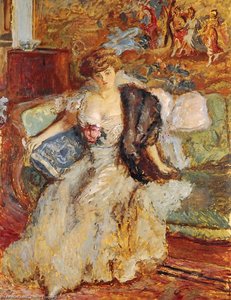
The Window


 Scopri di più
Giclée / Stampa d'arte
Stampa giclée o su tela di qualità museale, con produzione rapida e diverse opzioni di finitura.




P118B $10

P118H $10

P118W $10

P438Z $10

P508JH $12

P508YH $12

P805H $10

P805Z $10

P919BZ $10

P919G $10

P919XJ $10

P959ZH $10

P968JZ $12

W106C $8

W218G $10

W218JH $8

W218Y $10

W307PJ $10

W316G $10

W316PJ $8

W316Y $10

W398PJ $8

W4111J $10

W500HY $15

W500JH $15

W692G $12

W849H $8

W940BG $15

W953PJ $8




Scegli tra le nostre dimensioni predefinite, che rispettano le proporzioni originali dell'opera d'arte.

È possibile inserire dimensioni personalizzate per adattare l'opera a una cornice o a uno spazio specifico. Se la dimensione selezionata non corrisponde alle proporzioni dell'immagine originale, procederemo al ritaglio dell'opera o all'estensione dell'immagine con un bordo specchiato o a tinta unita. Un mockup digitale ti verrà inviato per approvazione prima dell'inizio della produzione.
Si prega di notare che l'anteprima a schermo non riflette il ritaglio o l'estensione effettivi. Solo il mockup mostrerà accuratamente la composizione finale.
Sebbene siano disponibili dimensioni personalizzate, si raccomanda di selezionare una dimensione dall'elenco predefinito per preservare le proporzioni originali.
Consegna in tutto il mondo () in 2 settimane invece delle normali 4/5 settimane. (16 Luglio)

Spedizione espressa gratuita in tutto il mondo

Tela in lino di alta qualità

Assicurazione completa sulla spedizione

Garanzia di rimborso dei dazi doganali

Garanzia di fedeltà cromatica

Politica di reso entro 60 giorni (solo per difetti)

Garanzia di rimborso al 100%

Sconto per acquisti multipli
 L'opzione vetro è disponibile solo per dimensioni inferiori a 110 cm

The Window
Giclée / Stampa d'arte
Dimensioni riproduzione
-


Prezzo totale finale
-
Descrizione dell'opera
The Window by Pierre Bonnard: A Study in Light, Memory, and Intimacy
Pierre Bonnard’s “The Window,” painted in 1925, isn't merely a depiction of a domestic scene; it’s an exquisitely rendered meditation on light, memory, and the quiet beauty of everyday life. Housed within the Tate Gallery in London, this oil-on-canvas masterpiece invites us into a world of muted colors, subtle shifts in tone, and a profound sense of contemplative stillness. Bonnard, a key figure in the Nabis movement—a group of artists who sought to break from academic traditions and explore subjective experience—crafted “The Window” with a deliberate focus on capturing the *feeling* of a moment rather than a photographic representation.
Bonnard’s artistic journey was marked by a constant exploration of color and form. Initially influenced by Paul Gauguin's bold use of pigment and Japanese prints, he gradually developed his own distinctive style—characterized by flattened perspectives, simplified forms, and an almost obsessive attention to the interplay of light and shadow. “The Window” exemplifies this approach perfectly. The scene unfolds within a modestly furnished room, dominated by a large window that serves as both a visual anchor and a source of profound atmospheric effect. Notice how Bonnard doesn’t strive for realistic representation; instead, he uses color—a delicate blend of blues, greens, yellows, and browns—to evoke the *impression* of light filtering through the glass, casting soft shadows across the table and illuminating the objects within.
A Symphony of Color and Light
Bonnard’s technique is remarkably subtle yet powerfully effective. He employs a broken brushstroke, layering colors in thin washes to create a sense of depth and luminosity. The light itself isn't sharply defined; it’s diffused and atmospheric, suggesting a hazy afternoon or the gentle glow of twilight. Observe how he uses complementary colors—such as blue and orange—to heighten the visual impact and create a dynamic tension within the composition. The arrangement of objects on the table – books, bottles, and a vase – is deliberately understated, serving primarily to frame the window and contribute to the overall sense of tranquility. It’s not about showcasing possessions; it's about capturing the *feeling* of being present in that space.
The painting’s historical context is crucial to understanding its significance. “The Window” was created during a period of personal upheaval for Bonnard, as he and his wife, Marthe de Méligny, were navigating an increasingly complex relationship. Despite the potential for emotional turmoil, Bonnard managed to imbue this scene with a remarkable sense of serenity and intimacy. The woman seated at the window—her face partially obscured by shadow—appears lost in thought, seemingly detached from the world outside. This suggests a state of introspection or perhaps a longing for something beyond the confines of the room.
Symbolism and Emotional Resonance
While Bonnard’s work is often characterized by its apparent simplicity, “The Window” is rich with symbolic meaning. The window itself represents a portal—a connection between the interior world of the subject and the external environment. It also symbolizes memory and reflection, as the woman's gaze seems to be directed inward, contemplating her past or perhaps anticipating the future. The books on the table could represent knowledge, wisdom, or simply the comfort of familiar companions. The bottles might hint at a shared moment of relaxation or contemplation.
Ultimately, “The Window” is more than just a painting; it’s an invitation to slow down and appreciate the beauty of the ordinary. It's a testament to Bonnard’s ability to capture the essence of human experience—the quiet moments of reflection, the subtle shifts in light and color, and the enduring power of memory. Reproductions of this work offer a remarkable opportunity to bring this evocative scene into your own home, allowing you to share in its timeless appeal.
Technical Details & Reproduction Considerations
The original painting measures approximately 73 x 92 cm (28.7 x 36.2 inches). Bonnard’s masterful use of color and texture is particularly evident when viewed at close range, revealing the delicate layering of brushstrokes that create such a luminous effect. When considering reproductions, it's important to select high-quality prints that accurately capture the nuances of Bonnard’s palette and technique. Archival inks and fine art paper are essential for ensuring long-lasting color fidelity and preventing fading or discoloration.
ArtsDot offers meticulously crafted hand-painted reproductions of “The Window” in a variety of sizes and formats, allowing you to experience the beauty of this iconic artwork in your own space. Our skilled artists carefully replicate Bonnard’s unique style, ensuring that each reproduction is a faithful representation of the original masterpiece.
Opere simili


Biografia dell'artista
Primi anni e carriera
Pierre Bonnard, nato a Fontenay-aux-Roses il 3 ottobre 1867, proveniva da una famiglia benestante. Suo padre era un alto funzionario del ministero della guerra francese. Fin dalla giovinezza, dimostrò un talento artistico, nonostante le pressioni familiari che lo spingevano verso una carriera nel diritto. Studiò legge, ma si dedicò con passione alla pittura, frequentando l'Académie Julian e poi l'École des Beaux-Arts. Iniziò a esporre i suoi lavori fin dalla giovane età, mostrando influenze dell'arte giapponese e del movimento impressionista.L'influenza dei Nabi e il Post-Impressionismo
Nel 1891, Bonnard conobbe Toulouse-Lautrec e si avvicinò al gruppo dei Nabi (profeti), un collettivo di artisti che cercavano nuove forme espressive oltre l'impressionismo. Insieme a Maurice Denis, Paul Ranson ed Édouard Vuillard, i Nabi esplorarono temi simbolici e decorativi, influenzati dall'arte giapponese e dalla pittura sintetica. Bonnard collaborò con la rivista *La Revue Blanche*, realizzando illustrazioni che contribuirono alla sua crescente popolarità nel mondo artistico parigino.L'Intimismo e le scene domestiche
A partire dal 1900, Bonnard si concentrò su soggetti più intimi e personali, abbandonando gradualmente i temi simbolici dei Nabi. Prediligeva dipingere di memoria, utilizzando disegni come riferimento per creare opere caratterizzate da un'atmosfera onirica e suggestiva. Le sue scene domestiche, spesso raffiguranti sua moglie Marthe de Meligny, lo consacrarono come uno dei maggiori esponenti dell'intimismo nella pittura francese. Bonnard catturava la bellezza della vita quotidiana con una sensibilità unica, trasformando momenti fugaci in opere d'arte evocative e poetiche.Evoluzione stilistica e gli ultimi anni
Nel corso della sua carriera, Bonnard sviluppò uno stile pittorico sempre più personale, caratterizzato da colori vibranti, pennellate fluide e composizioni innovative. Abbandonò la prospettiva tradizionale per creare un senso di profondità illusorio, fondendo spesso elementi del primo piano e dello sfondo. Trascorse gli ultimi anni della sua vita a Le Cannet, sulla Costa Azzurra, dove dipinse giardini lussureggianti e scene domestiche con una tavolozza sempre più audace e luminosa. Morì il 23 gennaio 1947, lasciando un'eredità artistica di grande valore.Significato storico e opere principali
Pierre Bonnard è considerato uno dei maggiori pittori del XX secolo, per la sua capacità di trasformare la realtà quotidiana in arte sublime. La sua opera ha influenzato numerosi artisti successivi, contribuendo a definire l'estetica dell'intimismo e della pittura moderna. Tra le sue opere più importanti si ricordano:- Donna con abito a quadretti (1890)
- Il salotto di Marthe de Meligny (1912-1913)
- La terrazza a Vernet (1925)
- L'albero di mandorle in fiore (1947)

Pierre Bonnard
1867 - 1947 , Francia
Dati rapidi
- Artisti Influenti:
- Claude Monet
- Édouard Vuillard
- Paul Gauguin
- Data Di Nascita: 3 ottobre 1867
- Luogo Di Nascita: Fontenay-aux-Roses, Francia
- Movimento Artistico: Post-Impressionismo, Nabi
- Nazionalità: Francese
- Nome Completo: Pierre Bonnard
- Opere Notevoli:
- Donna con abito a quadretti
- L'albero di mandorle in fiore
Articoli correlati

Impressionismo e Postimpressionismo: Evoluzione, Caratteristiche Distintive e Influenze Reciproche
Esplora l'evoluzione dell'Impressionismo e del Postimpressionismo con la nostra guida esperta. Scopri i maestri, le tecniche e l'influenza di questi movimenti artistici rivoluzionari.

L'Impressionismo: Una Rivoluzione di Luce e Colore Che Ha Cambiato la Storia dell'Arte
Scopri la rivoluzione impressionista! Esplora le origini, i maestri e l'eredità di questo movimento artistico iconico. Riproduzioni d'arte di alta qualità disponibili su .

Manuel Benedito Vives: A Study of Light, Color & Emotional Resonance in Contemporary Spanish Painting
Explore the captivating world of Manuel Benedito Vives, a celebrated Spanish painter influenced by Sorolla. Discover his masterful portraits, luminous landscapes & enduring legacy – a favorite of the Spanish Royal Family. Art collectors will appreciate this in-depth study.

Anna Ancher: Capturing Light & Domesticity in the Skagen Tradition
Discover Anna Ancher (1859-1935), a leading figure of the Skagen Painters. Explore her captivating depictions of domestic life, masterful use of light, and lasting legacy in Danish Impressionism. Learn more at ArtsDot.
I 10 Capolavori a Olio Che Hanno Rivoluzionato la Storia dell'Arte |
Esplora i 10 capolavori a olio che hanno segnato la storia dell'arte! Da Van Gogh a Leonardo, scopri le storie e le tecniche dei più grandi maestri. Trova riproduzioni di alta qualità e idee per arredare con arte su .