


 Anteprima in scala reale
 Condividi
 Condividi
 Dettagli
 Guida
Guida

 Scarica
 Articoli simili
 Radiografia
 Slideshow
 Statistiche
The Path through the Forest


 Leggi tutto
Riproduzione a olio fatta a mano
Olio su tela dipinto a mano nelle tue dimensioni e con la tua cornice, realizzato su ordinazione dai nostri artisti. ( Passa alle stampe Passa all'immagine digitale)




P118B $10

P118H $10

P118W $10

P438Z $10

P508JH $12

P508YH $12

P805H $10

P805Z $10

P919BZ $10

P919G $10

P919XJ $10

P959ZH $10

P968JZ $12

W106C $8

W218G $10

W218JH $8

W218Y $10

W307PJ $10

W316G $10

W316PJ $8

W316Y $10

W398PJ $8

W4111J $10

W500HY $15

W500JH $15

W692G $12

W849H $8

W940BG $15

W953PJ $8




Scegli tra le nostre dimensioni predefinite, che rispettano le proporzioni originali dell'opera d'arte.

È possibile inserire dimensioni personalizzate per adattare l'opera a una cornice o a uno spazio specifico. Se la dimensione selezionata non corrisponde alle proporzioni dell'immagine originale, provvederemo a ritagliare l'opera o a estendere il dipinto con elementi aggiuntivi dipinti a mano. Un mockup digitale ti sarà inviato per approvazione prima dell'inizio della produzione.
Si prega di notare che l'anteprima a schermo non riflette il ritaglio o l'estensione effettivi. Solo il mockup mostrerà accuratamente la composizione finale.
Sebbene siano disponibili dimensioni personalizzate, consigliamo di selezionare una dimensione dall'elenco predefinito per preservare le proporzioni originali.
Dopo l'ordine, il team di ArtsDot.com contatterà il cliente via e-mail per ricevere le istruzioni e fornirà un'anteprima del mockup
Consegna in tutto il mondo () in 3/4 settimane anziché nelle normali 5 settimane. (22 Settembre). Nessun compromesso sulla qualità.

Spedizione espressa gratuita in tutto il mondo

Tela in lino di alta qualità

Assicurazione completa sulla spedizione

Garanzia di rimborso dei dazi doganali

Garanzia di perfetta fedeltà cromatica

Politica di reso entro 100 giorni (solo per difetti di fabbricazione)

Garanzia di rimborso al 100%

Sconto per acquisti multipli
 L'opzione vetro è disponibile solo per dimensioni inferiori a 110 cm

The Path through the Forest
Tecnica di riproduzione
Dimensioni della riproduzione
-


Prezzo totale
$ 263
A Symphony of Light and Impression
In the heart of the French Impressionist movement, few works capture the ephemeral magic of nature as tenderly as Pierre-Auguste Renoir’s 1871 masterpiece, The Path through the Forest. This painting is far more than a mere landscape; it is a profound meditation on the fleeting beauty of a single moment captured in time. As the eye wanders along the winding dirt path, one is immediately struck by the way Renoir orchestrates a symphony of light and shadow. The canvas portrays a tranquil woodland scene where dense foliage frames a journey into the unknown, inviting the viewer to step away from the bustle of modern life and into a serene, sun-dappled sanctuary. Within this lush greenery, two figures—believed to be the artist's wife, Estelle Flachat, and their son, Jean—are subtly woven into the composition, providing a gentle human heartbeat to the sprawling natural world.
The technique employed in this work serves as a definitive hallmark of Renoir’s burgeoning Impressionistic style. Eschewing the rigid, meticulous lines of the academic tradition, Renoir utilizes loose, visible brushstrokes that dance across the surface of the canvas. He masterfully employs the concept of broken color, applying small, unblended patches of pigment to simulate the way sunlight filters through a canopy of leaves. This method creates a shimmering, atmospheric effect, where the boundaries between light and shadow become fluid and alive. For the discerning collector or interior designer, this technique offers an unparalleled sense of movement and depth, making the artwork feel as though it is breathing within the space it inhabits.
Symbolism and the Journey of Life
Beyond its visual splendor, The Path through the Forest carries a deep layer of symbolic resonance that speaks to the human condition. The winding path itself serves as a powerful metaphor for life’s journey—a continuous progression through varying terrains of light and shadow, growth and stillness. The dappled sunlight, dancing across the forest floor, represents optimism, warmth, and the preciousness of ephemeral moments that can never be recaptured. Renoir’s ability to imbue a natural setting with such emotional weight allows the painting to transcend its era, offering a timeless sense of peace and harmony that resonates with anyone seeking solace in the beauty of the natural world.
Historically, this piece emerged during a formative period for Renoir, reflecting the broader Impressionist fascination with capturing sensory immediacy. It was a reaction against the stiff conventions of the past, favoring the raw, authentic experience of nature. For those looking to adorn a home or gallery with a high-quality reproduction, this painting offers more than just decoration; it provides an emotional anchor. Whether placed in a sunlit study or a quiet corner of a living room, Renoir’s masterful rendering of light and his celebration of life's quiet joys bring an enduring elegance and a sense of tranquil inspiration to any interior design scheme.
Opere correlate


Biografia dell'artista
vitae e carriera
pierre-auguste renoir, un artista francese fondamentale, nacque il 25 febbraio 1841 a Limoges, Francia. Ha svolto un ruolo cruciale nel plasmare il movimento impressionista, rinomato per la sua luce vibrante e i colori saturi. L'opera di Renoir celebrava la bellezza, in particolare la sensualità femminile, collocandolo in una linea di artisti che si estende da Rubens a Watteau.eredità artistica
L'eredità di Renoir si estese oltre la sua tela, poiché era il capofamiglia di una famiglia dove l'arte fioriva in varie forme. I suoi figli, pierre renoir (1885–1952), il filmmaker jean renoir (1894–1979) e l'artista ceramista claude renoir (1901–1969), hanno dato ognuno un contributo significativo nei loro campi. Suo nipote, il filmmaker claude renoir (1913–1993), ha ulteriormente promosso l'eredità artistica della famiglia.opere notevoli e musei
* dance at bougival, un'opera pittorica degna di nota di Renoir, mostra la sua maestria nel catturare l'essenza dell'arte impressionista. * Il musée des collettes, situato a Cagnes-sur-Mer, Francia, è una destinazione imperdibile per gli amanti dell'arte. Questo museo, un tempo la casa di Pierre-Auguste Renoir, testimonia la sua vita e il suo lavoro, ospitando quindici dei suoi dipinti. * Il musée maurice denis, un'altra gemma nascosta in Francia, presenta una collezione impressionante di dipinti post-impressionisti francesi del tardo XIX e inizio XX secolo.esplora l'arte di Renoir con ArtsDot
- Scopri il fascino del musée des collettes (Francia) e della sua arte impressionista su ArtsDot: [https://ArtsDot.com/@@/a@d3aupf](https://ArtsDot.com/@@/a@d3aupf)
- Esplora le meraviglie del musée maurice denis (Francia) con ArtsDot: /it/art/show/art-d3aue3-it/
- Visualizza i dipinti di Renoir, tra cui dance at bougival, su ArtsDot: [https://ArtsDot.com/@/pierre-auguste renoir](https://ArtsDot.com/@/pierre-auguste%20renoir)

Pierre-Auguste Renoir
1841 - 1919 , Francia
Informazioni rapide
- Artisti Influenti:
- Rubens
- Watteau
- Camille Pissarro
- Édouard Manet
- Artisti Influenzati:
- Pierre Renoir
- Jean Renoir
- Claude Renoir
- Data Di Morte: 3 dicembre 1919
- Data Di Nascita: 25 febbraio 1841
- Luogo Di Nascita: Limoges, Francia
- Movimento Artistico: Impressionismo
- Nazionalità: Francese
- Nome Completo: Pierre-Auguste Renoir
- Opere Notevoli:
- Ballo al Moulin de la Galette
- Pranzo sulla barca
- Dopo il bagno
- Le Grandi Bagnanti
- Due sorelle (Sul Balcone)
Articoli correlati

Claude Monet: I 25 Capolavori Essenziali per Amare l'Impressionismo | ArtsDot
Esplora i 25 capolavori di Claude Monet, il maestro dell'Impressionismo. Scopri la storia, i colori e le tecniche dietro ninfee, paesaggi iconici e dipinti famosi. Trova riproduzioni artistiche di alta qualità per arredare casa con stile su ArtsDot.com.
Nature’s Sanctuary: Curating Enchanting Forest Artworks to Transform Your Home into a Serene Woodland Retreat
Transform your home into a serene woodland retreat with enchanting forest artworks. Discover museum-quality oil reproductions and custom landscape commissions designed to bring the peaceful beauty of nature indoors.

Boschi Incantati: i 10 Capolavori che Catturano la Magia della Foresta
Esplora 10 capolavori iconici che celebrano la magia dei boschi: dai colori dell'Impressionismo al mistero del Surrealismo. Trova ispirazione e riproduzioni d'arte di alta qualità per i tuoi interni su ArtsDot.com. Scopri l'intera collezione online.
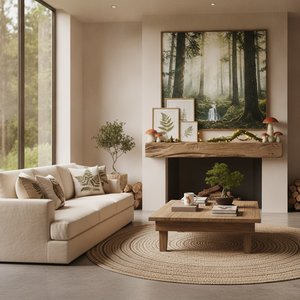
Bring the Forest Home: An Elegant Buyer's Guide to Transforming Your Space with Enchanting Woodland Art
Create a serene sanctuary in your new home with enchanting woodland art. Explore our guide to forest landscapes, from Impressionist masterpieces to custom oil paintings of your wedding memories. Discover hand-painted treasures at ArtsDot.com to bring nature's peace to your space.

Renoir: I 25 Capolavori Essenziali per Amare l'Impressionismo | ArtsDot
Esplora i 25 capolavori di Renoir, l'icona dell'Impressionismo! Scopri la storia, le tecniche e i colori vibranti dei suoi dipinti più famosi. Trova riproduzioni artistiche di alta qualità per decorare casa tua su ArtsDot.com.


