


 Anteprima in scala reale
 Condividi
 Condividi
 Dettagli
 Guida
Guida

 Scarica
 Articoli simili
 Radiografia
 Slideshow
 Statistiche
The Bay


 Leggi tutto
Riproduzione a olio fatta a mano
Olio su tela dipinto a mano nelle tue dimensioni e con la tua cornice, realizzato su ordinazione dai nostri artisti. ( Passa alle stampe Passa all'immagine digitale)




P118B $10

P118H $10

P118W $10

P438Z $10

P508JH $12

P508YH $12

P805H $10

P805Z $10

P919BZ $10

P919G $10

P919XJ $10

P959ZH $10

P968JZ $12

W106C $8

W218G $10

W218JH $8

W218Y $10

W307PJ $10

W316G $10

W316PJ $8

W316Y $10

W398PJ $8

W4111J $10

W500HY $15

W500JH $15

W692G $12

W849H $8

W940BG $15

W953PJ $8




Scegli tra le nostre dimensioni predefinite, che rispettano le proporzioni originali dell'opera d'arte.

È possibile inserire dimensioni personalizzate per adattare l'opera a una cornice o a uno spazio specifico. Se la dimensione selezionata non corrisponde alle proporzioni dell'immagine originale, provvederemo a ritagliare l'opera o a estendere il dipinto con elementi aggiuntivi dipinti a mano. Un mockup digitale ti sarà inviato per approvazione prima dell'inizio della produzione.
Si prega di notare che l'anteprima a schermo non riflette il ritaglio o l'estensione effettivi. Solo il mockup mostrerà accuratamente la composizione finale.
Sebbene siano disponibili dimensioni personalizzate, consigliamo di selezionare una dimensione dall'elenco predefinito per preservare le proporzioni originali.
Dopo l'ordine, il team di ArtsDot.com contatterà il cliente via e-mail per ricevere le istruzioni e fornirà un'anteprima del mockup
Consegna in tutto il mondo () in 3/4 settimane anziché nelle normali 5 settimane. (21 Settembre). Nessun compromesso sulla qualità.

Spedizione espressa gratuita in tutto il mondo

Tela in lino di alta qualità

Assicurazione completa sulla spedizione

Garanzia di rimborso dei dazi doganali

Garanzia di perfetta fedeltà cromatica

Politica di reso entro 100 giorni (solo per difetti di fabbricazione)

Garanzia di rimborso al 100%

Sconto per acquisti multipli
 L'opzione vetro è disponibile solo per dimensioni inferiori a 110 cm

The Bay
Tecnica di riproduzione
Dimensioni della riproduzione
-


Prezzo totale
$ 263
A Symphony of Light and Tranquility: Renoir’s “The Bay”
Pierre-Auguste Renoir's "The Bay" is more than just a landscape; it’s an immersion into the heart of Impressionist philosophy, a testament to the artist’s profound understanding of light and atmosphere. Painted during a pivotal period in his career – roughly around 1885 – this work exemplifies Renoir’s shift towards capturing fleeting moments of beauty rather than meticulously detailed representations. The scene unfolds with a remarkable serenity, depicting a vast expanse of water reflecting the sky above, framed by a gently rolling field dotted with trees and, crucially, a small herd of horses. These aren't merely subjects; they are imbued with a sense of movement and life, contributing to the overall feeling of peaceful contemplation that defines the painting.
Impressionist Technique and Color
Renoir’s masterful technique is immediately apparent in “The Bay.” He employs broken brushstrokes – a hallmark of Impressionism – to capture the shimmering effects of light on water and foliage. Notice how he doesn't blend colors smoothly; instead, he applies them in short, distinct dabs, allowing the viewer’s eye to synthesize the hues. The dominant palette is dominated by soft greens, blues, and ochres, creating a harmonious and luminous effect. This deliberate avoidance of dark shadows – a characteristic of academic painting – further emphasizes the play of light and contributes to the painting's ethereal quality. The artist’s use of complementary colors—particularly the juxtaposition of blue and orange in the reflections—intensifies the visual impact and adds depth to the composition.
Historical Context: A Parisian Vision
"The Bay" was created during a time of immense artistic ferment in Paris. The Impressionist movement, initially met with skepticism by the established Salon, was gaining momentum thanks to exhibitions like those organized by Renoir and his contemporaries. This painting reflects the growing interest in depicting everyday life and landscapes – particularly scenes from the French countryside – rather than historical or mythological subjects. Renoir’s Parisian upbringing profoundly influenced his work; he captured the vibrancy of city life, but also sought refuge in nature, finding inspiration in the beauty of the Seine and its surrounding areas. The presence of the horses, a common motif in Impressionist art, speaks to this fascination with the natural world and the fleeting moments of human interaction within it.
Symbolism and Emotional Resonance
Beyond its technical brilliance, “The Bay” possesses a subtle symbolic depth. The horses, often associated with freedom and nobility, add an element of romanticism to the scene. The figures in the distance – two individuals enjoying the tranquility of the landscape – represent humanity’s connection to nature and our innate desire for peace and solitude. Renoir's ability to evoke such a profound sense of serenity is remarkable. The painting invites viewers to step into this idyllic world, offering a momentary escape from the stresses of modern life. It’s a reminder of the beauty that can be found in simple moments – a quiet afternoon by the water, surrounded by nature and companionship.
Opere correlate


Biografia dell'artista
vitae e carriera
pierre-auguste renoir, un artista francese fondamentale, nacque il 25 febbraio 1841 a Limoges, Francia. Ha svolto un ruolo cruciale nel plasmare il movimento impressionista, rinomato per la sua luce vibrante e i colori saturi. L'opera di Renoir celebrava la bellezza, in particolare la sensualità femminile, collocandolo in una linea di artisti che si estende da Rubens a Watteau.eredità artistica
L'eredità di Renoir si estese oltre la sua tela, poiché era il capofamiglia di una famiglia dove l'arte fioriva in varie forme. I suoi figli, pierre renoir (1885–1952), il filmmaker jean renoir (1894–1979) e l'artista ceramista claude renoir (1901–1969), hanno dato ognuno un contributo significativo nei loro campi. Suo nipote, il filmmaker claude renoir (1913–1993), ha ulteriormente promosso l'eredità artistica della famiglia.opere notevoli e musei
* dance at bougival, un'opera pittorica degna di nota di Renoir, mostra la sua maestria nel catturare l'essenza dell'arte impressionista. * Il musée des collettes, situato a Cagnes-sur-Mer, Francia, è una destinazione imperdibile per gli amanti dell'arte. Questo museo, un tempo la casa di Pierre-Auguste Renoir, testimonia la sua vita e il suo lavoro, ospitando quindici dei suoi dipinti. * Il musée maurice denis, un'altra gemma nascosta in Francia, presenta una collezione impressionante di dipinti post-impressionisti francesi del tardo XIX e inizio XX secolo.esplora l'arte di Renoir con ArtsDot
- Scopri il fascino del musée des collettes (Francia) e della sua arte impressionista su ArtsDot: [https://ArtsDot.com/@@/a@d3aupf](https://ArtsDot.com/@@/a@d3aupf)
- Esplora le meraviglie del musée maurice denis (Francia) con ArtsDot: /it/art/show/art-d3aue3-it/
- Visualizza i dipinti di Renoir, tra cui dance at bougival, su ArtsDot: [https://ArtsDot.com/@/pierre-auguste renoir](https://ArtsDot.com/@/pierre-auguste%20renoir)

Pierre-Auguste Renoir
1841 - 1919 , Francia
Informazioni rapide
- Artisti Influenti:
- Rubens
- Watteau
- Camille Pissarro
- Édouard Manet
- Artisti Influenzati:
- Pierre Renoir
- Jean Renoir
- Claude Renoir
- Data Di Morte: 3 dicembre 1919
- Data Di Nascita: 25 febbraio 1841
- Luogo Di Nascita: Limoges, Francia
- Movimento Artistico: Impressionismo
- Nazionalità: Francese
- Nome Completo: Pierre-Auguste Renoir
- Opere Notevoli:
- Ballo al Moulin de la Galette
- Pranzo sulla barca
- Dopo il bagno
- Le Grandi Bagnanti
- Due sorelle (Sul Balcone)
Articoli correlati

Renoir: I 25 Capolavori Essenziali per Amare l'Impressionismo | ArtsDot
Esplora i 25 capolavori di Renoir, l'icona dell'Impressionismo! Scopri la storia, le tecniche e i colori vibranti dei suoi dipinti più famosi. Trova riproduzioni artistiche di alta qualità per decorare casa tua su ArtsDot.com.

Katsushika Hokusai: Le 25 Opere Più Iconiche per Amare l'Arte Giapponese
Esplora le 25 opere più iconiche di Katsushika Hokusai, maestro dell'ukiyo-e. Scopri la storia dietro 'La Grande Onda', il Monte Fuji e altre stampe giapponesi senza tempo. Trova riproduzioni d'arte di alta qualità per decorare la tua casa su ArtsDot.com.

I 10 Capolavori Impressionisti che Hanno Rivoluzionato il Paesaggio Pittorico
Esplora i 10 capolavori impressionisti che hanno rivoluzionato il paesaggio pittorico! Monet, Renoir e altri maestri catturati in stampe su tela di alta qualità. Scopri la storia dell'arte e trova l'opera perfetta per arredare casa tua con ArtsDot.com.
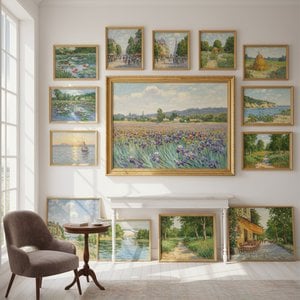
I 10 Capolavori Impressionisti che Hanno Rivoluzionato il Paesaggio Pittorico
Esplora i 10 capolavori impressionisti che hanno rivoluzionato il paesaggio pittorico! Monet, Renoir e altri maestri catturati in stampe su tela di alta qualità. Trova l'arte perfetta per la tua casa su ArtsDot.com.

John Constable: I 25 Capolavori che Celebrano la Bellezza della Campagna Inglese
Esplora i 25 capolavori di John Constable, il maestro del Romanticismo inglese. Paesaggi suggestivi, luce naturale e colori vibranti ti aspettano. Acquista riproduzioni d'arte di alta qualità su ArtsDot.com e porta la bellezza della campagna inglese nella tua casa.


