


 Anteprima in scala reale
 Condividi
 Condividi
 Dettagli
 Guida
Guida

 Scarica
 Articoli simili
 Radiografia
 Slideshow
 Statistiche
Natura Morta, Tulipani e Mele
 Olio su tela
- Arte da parete
- Post-Impressionismo
 1894
1894- XIX Secolo
 58.0 x 42.0 cm
 Leggi tutto
Giclée / Stampe d'arte
Stampa giclée o su tela di qualità museale, con produzione rapida e diverse opzioni di finitura. ( Ordina la riproduzione dipinta a mano Passa all'immagine digitale)




P118B $10

P118H $10

P118W $10

P438Z $10

P508JH $12

P508YH $12

P805H $10

P805Z $10

P919BZ $10

P919G $10

P919XJ $10

P959ZH $10

P968JZ $12

W106C $8

W218G $10

W218JH $8

W218Y $10

W307PJ $10

W316G $10

W316PJ $8

W316Y $10

W398PJ $8

W4111J $10

W500HY $15

W500JH $15

W692G $12

W849H $8

W940BG $15

W953PJ $8




Scegli tra le nostre dimensioni predefinite, che rispettano le proporzioni originali dell'opera d'arte.

È possibile inserire dimensioni personalizzate per adattare l'opera a una cornice o a uno spazio specifico. Se la dimensione selezionata non corrisponde alle proporzioni dell'immagine originale, procederemo al ritaglio dell'opera o all'estensione dell'immagine con un bordo specchiato o a tinta unita. Un mockup digitale ti verrà inviato per approvazione prima dell'inizio della produzione.
Si prega di notare che l'anteprima a schermo non riflette il ritaglio o l'estensione effettivi. Solo il mockup mostrerà accuratamente la composizione finale.
Sebbene siano disponibili dimensioni personalizzate, si raccomanda di selezionare una dimensione dall'elenco predefinito per preservare le proporzioni originali.
Consegna in tutto il mondo () in 2 settimane invece delle normali 4/5 settimane. (20 Settembre)

Spedizione espressa gratuita in tutto il mondo

Tela in lino di alta qualità

Assicurazione completa sulla spedizione

Garanzia di rimborso dei dazi doganali

Garanzia di perfetta fedeltà cromatica

Politica di reso entro 100 giorni (solo per difetti di fabbricazione)

Garanzia di rimborso al 100%

Sconto per acquisti multipli
 L'opzione vetro è disponibile solo per dimensioni inferiori a 110 cm

Natura Morta, Tulipani e Mele
Giclée / Stampe d'arte
Dimensioni della riproduzione
-


Prezzo totale
$ 62
A Symphony of Form and Color: Exploring Cézanne’s *Still Life, Tulips and Apples*
Paul Cézanne's 1894 *Still Life, Tulips and Apples* is more than a depiction of everyday objects; it’s a pivotal work demonstrating his revolutionary approach to painting and a cornerstone of Post-Impressionism. Measuring 58 x 42 cm, this oil on canvas embodies Cézanne's dedication to analyzing the fundamental shapes underlying reality and translating them onto the two-dimensional plane. The arrangement – a vase brimming with vibrant tulips alongside carefully placed apples and an orange – appears simple at first glance, yet it reveals layers of complexity upon closer inspection.Deconstructing Reality: Style and Technique
Cézanne deliberately moved away from merely *representing* objects to constructing them through color and form. Notice how he builds the composition using geometric volumes—the cylindrical vase, the spherical fruit, and the planes defining the tabletop. His brushstrokes are visible, deliberate, and often juxtapose contrasting colors, creating a dynamic surface texture. This technique isn’t about blending for seamless realism; it's about capturing the *sensations* of light and space. He employs a limited but impactful palette, emphasizing reds, yellows, greens, and browns to create depth and visual interest. The slightly flattened perspective further emphasizes this construction of form over illusionistic depth – a key characteristic of his style. Cézanne’s method was radically innovative for its time, rejecting the Impressionists' obsession with capturing fleeting impressions of light and color in favor of a more structural approach. He meticulously studied the underlying geometry of objects, breaking down forms into basic shapes—cubes, cylinders, spheres—and rebuilding them on canvas using these elements. This process resulted in paintings that appear to vibrate with energy and movement despite their stillness.A Legacy Forged in Stillness: Historical Context & Influence
Created during a period of significant artistic transition, *Still Life, Tulips and Apples* reflects Cézanne’s ongoing exploration of perception and representation. He was deeply influenced by the Impressionists' focus on light and color but sought to go beyond their fleeting impressions. He aimed for something more solid, enduring – a structural understanding of the world around him. This pursuit directly paved the way for subsequent movements like Proto-Cubism and Fauvism. Artists such as Henri Matisse would later acknowledge Cézanne’s profound impact on their own work, recognizing him as “the father of us all.” Cézanne's influence extended far beyond his immediate contemporaries; he established a precedent for artists to prioritize form over illusion, initiating a shift towards abstraction that would reshape the landscape of modern art. His unwavering commitment to this vision continues to inspire artists today.Beyond the Surface: Symbolism & Emotional Resonance
While seemingly straightforward, still life paintings have historically carried symbolic weight. Flowers, particularly tulips, often represent beauty, love, or even transience. Fruit can symbolize abundance and temptation, while also alluding to mortality (a theme explored in *vanitas* traditions). However, Cézanne’s symbolism is less about explicit meaning and more about the inherent qualities of the objects themselves – their form, color, and texture. The painting evokes a sense of quiet contemplation and appreciation for nature’s beauty. It's not a dramatic scene but rather an intimate observation, inviting the viewer to slow down and truly *see*. Cézanne’s deliberate use of color—particularly reds and yellows—contributes to this emotional resonance, conveying warmth and vibrancy without resorting to sentimentalism. The overall effect is one of understated elegance and profound artistic insight.Bringing Cézanne Home: Reproductions & Lasting Impact
ArtsDot.com offers meticulously crafted, handmade oil painting reproductions of *Still Life, Tulips and Apples*, allowing you to experience the power of Cézanne’s vision in your own space. These reproductions capture not only the visual elements but also the texture and depth of the original masterpiece.- A timeless addition to any collection: This painting is a testament to Cézanne's genius and continues to inspire artists and art lovers today.
- Perfect for interior design: The harmonious color palette and balanced composition make it suitable for various settings, from modern lofts to classic homes.
- A conversation starter: Its historical significance and artistic innovation guarantee engaging discussions.
A Revolutionary Vision: The Life and Art of Paul Cézanne
Paul Cézanne, born in Aix-en-Provence in 1839, stands as a monumental figure bridging the gap between the fleeting impressions of Impressionism and the fragmented forms of Cubism. His journey was not one of immediate acclaim; rather, it was a slow burn of artistic exploration, marked by periods of self-doubt and critical dismissal, ultimately culminating in a legacy that would irrevocably alter the course of modern art. Born to a prosperous family – his father initially a hatmaker who later became a banker – Cézanne enjoyed a financial security unusual for aspiring artists, allowing him the freedom to dedicate himself to his passion without the immediate pressures of commercial success. Though initially steered towards a legal career by his father’s ambitions, the pull of artistic expression proved too strong, and he eventually abandoned law to pursue painting, a decision that wouOpere correlate


Biografia dell'artista
vitae e influenze
paul cézanne, pittore post-impressionista francese, nacque il 19 gennaio 1839 ad Aix-en-Provence, Francia. La sua giovinezza fu segnata da un forte legame con la famiglia e la sua attività bancaria, che gli fornirono sicurezza finanziaria. Ciò gli permise di concentrarsi sulle sue aspirazioni artistiche senza il peso dello stress finanziario. les nabis, neo-impressionismo e simbolismo influenzarono le prime opere di Cézanne, caratterizzate dall'enfasi sulle forme geometriche e su una tavolozza cromatica limitata. Il suo interesse per le opere di paul gauguin e georges seurat ha ulteriormente consolidato il suo stile post-impressionista.stile artistico e tecniche
L'uso innovativo di Cézanne dei piani cromatici e delle piccole pennellate ripetitive creava campi complessi che esprimevano il suo intenso studio dei soggetti. Il suo approccio spesso esploratorio all’arte portò allo sviluppo di una nuova lingua pittorica, che enfatizzava la struttura sottostante degli oggetti in una composizione.- caratteristiche principali:
- forme geometriche e faccette
- tavolozza cromatica ridotta
- enfasi sull'essenza costruttiva del mondo fisico
- prospettiva multipla e simultaneità
- opere influenti:
- the pond at jas de bouffan (1880)
- portrait of emile zola (1866)
- bosco (1892)
- musei che espongono le opere di Cézanne:
- musée marmottan monet a Parigi, Francia
- the museum of fine arts a Houston, Stati Uniti
eredità e impatto
L'opera pionieristica di Cézanne nel post-impressionismo ha aperto la strada a vari movimenti d’avanguardia, tra cui il cubismo, il fauvismo e il surrealismo. La sua influenza può essere vista nelle opere di pablo picasso, henri matisse e georges braque. L'eredità di Cézanne continua a ispirare artisti ed appassionati d’arte, consolidando il suo posto come figura fondamentale nella storia dell’arte moderna.- movimenti artistici correlati:
- visualizza le opere di Cézanne:

Paul Cézanne
1839 - 1906 , Francia
Informazioni rapide
- Artisti Che Hanno Influenzato:
- Paul Gauguin
- Georges Seurat
- Artisti Influenzati:
- Pablo Picasso
- Henri Matisse
- Georges Braque
- Data Di Nascita: 19 gennaio 1839
- Luogo Di Nascita: Aix-en-Provence, Francia
- Movimento Artistico: Post-Impressionismo
- Nazionalità: Francese
- Nome Completo: Paul Cézanne
- Opere Notevoli:
- Lo stagno a Jas de Bouffan
- Ritratto di Émile Zola
- Bosco
- Grandi Bagnanti
Articoli correlati

Beyond Impressionism: Exploring the Emotional Depth of Post-Impressionist Painting
Explore the profound emotional depth & innovative techniques of Post-Impressionism with ArtsDot. Discover Cézanne, Van Gogh, Gauguin & more – and their lasting impact on modern art.

Paul Klee: Le 25 Opere Più Iconiche per Arricchire la Tua Casa con l'Arte
Esplora le 25 opere più iconiche di Paul Klee, maestro dell'arte astratta e del colore. Scopri la storia, lo stile unico e il significato dei suoi capolavori. Trova riproduzioni d'arte di alta qualità per decorare casa con ArtsDot.com.

Impressionismo: I 10 Capolavori che Rivoluzionarono la Pittura | ArtsDot
Esplora i 10 capolavori dell'Impressionismo con ArtsDot. Scopri Monet, Renoir e Degas: storia, tecnica e colori che hanno rivoluzionato l'arte. Stampe di alta qualità per la tua casa! Esplora la collezione online.

Beyond Impressionism: Exploring Emotional Depth & Formal Innovation in Post-Impressionist Art
Explore the profound emotional depth & formal innovations of Post-Impressionism with our expert guide. Discover Cézanne, Van Gogh, Gauguin & more. Learn about art history, collecting, and investing in this pivotal movement.
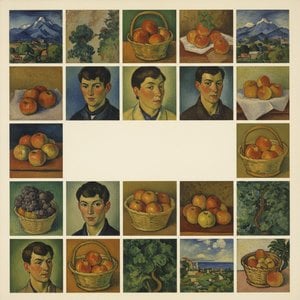
Paul Cézanne: I 25 Capolavori che Hanno Rivoluzionato l'Arte Moderna | ArtsDot
Esplora i 25 capolavori di Paul Cézanne, il maestro dell'impressionismo e post-impressionismo. Scopri la storia, le tecniche e i colori iconici dietro opere come 'Le grandi bagnanti' e 'Mont Sainte-Victoire'. Trova riproduzioni artistiche di alta qualità per decorare la tua casa su ArtsDot.com.


