


 Anteprima in scala reale
 Invia
Invia Condividi
 Dettagli opera

 Scarica immagine
 Simili
 Radiografia
 Slideshow
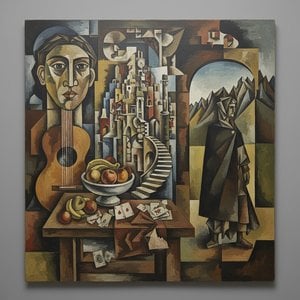
The painter and his model 17

 Espandi i dettagli
Riproduzione a olio fatta a mano
Olio su tela dipinto a mano nelle tue dimensioni e con la tua cornice, realizzato su ordinazione dai nostri artisti. ( Acquista stampa Acquista immagine)




P118B $10

P118H $10

P118W $10

P438Z $10

P508JH $12

P508YH $12

P805H $10

P805Z $10

P919BZ $10

P919G $10

P919XJ $10

P959ZH $10

P968JZ $12

W106C $8

W218G $10

W218JH $8

W218Y $10

W307PJ $10

W316G $10

W316PJ $8

W316Y $10

W398PJ $8

W4111J $10

W500HY $15

W500JH $15

W692G $12

W849H $8

W940BG $15

W953PJ $8




Scegli tra le nostre dimensioni predefinite, che rispettano le proporzioni originali dell'opera d'arte.

È possibile inserire dimensioni personalizzate per adattare l'opera a una cornice o a uno spazio specifico. Se la dimensione selezionata non corrisponde alle proporzioni dell'immagine originale, provvederemo a ritagliare l'opera o a estendere il dipinto con elementi aggiuntivi dipinti a mano. Un mockup digitale ti sarà inviato per approvazione prima dell'inizio della produzione.
Si prega di notare che l'anteprima a schermo non riflette il ritaglio o l'estensione effettivi. Solo il mockup mostrerà accuratamente la composizione finale.
Sebbene siano disponibili dimensioni personalizzate, consigliamo di selezionare una dimensione dall'elenco predefinito per preservare le proporzioni originali.
Dopo l'ordine, il team di ArtsDot.com contatterà il cliente via e-mail per le istruzioni e fornirà un'anteprima del mockup
Consegna in tutto il mondo () in 3/4 settimane anziché nelle normali 5 settimane. (22 Agosto). Nessun compromesso sulla qualità.

Spedizione espressa gratuita in tutto il mondo

Tela in lino di alta qualità

Assicurazione completa sulla spedizione

Garanzia di rimborso dei dazi doganali

Garanzia di fedeltà cromatica

Politica di reso entro 60 giorni (solo per difetti di fabbricazione)

Garanzia di rimborso al 100%

Offerta per acquisti multipli
 L'opzione vetro è disponibile solo per dimensioni inferiori a 110 cm

The painter and his model 17
Tecnica di riproduzione
Dimensioni riproduzione
-


Prezzo totale calcolato
$ 263
Descrizione dell'opera
A Moment Frozen in Time: The Essence of Picasso’s “Painter and His Model”
Pablo Picasso's "The Painter and His Model," painted in 1917, isn’t merely a depiction of an artist at work; it’s a profound meditation on the creative process itself, steeped in melancholy and punctuated by moments of intense observation. Executed during his formative years within Cubism, the painting captures a scene of quiet intimacy within Picasso's Parisian studio – a space both familiar and subtly unsettling. The composition immediately draws the eye to the central figure, Picasso himself, hunched over his canvas with focused intensity, his hand poised above a brush. Beside him lies the model, a woman in repose, her body partially obscured by a draped cloth, suggesting vulnerability and perhaps even a quiet resignation. This isn’t a vibrant, celebratory portrayal of artistic creation; instead, it's imbued with a palpable sense of sadness and introspection – a feeling that resonates deeply within the viewer.
- Style & Technique: The painting exemplifies Picasso’s evolving Cubist style, moving away from the more rigid geometric forms of his Analytical period. Here, he employs a fractured perspective, breaking down figures into fragmented planes and reassembling them in an unconventional manner. The colors are muted – predominantly blues, browns, and greys – contributing to the overall atmosphere of somber reflection. The brushstrokes are loose and expressive, conveying a sense of immediacy and emotional urgency.
- Composition: Notice how Picasso deliberately avoids a straightforward representation of space. The figures seem to float within an ambiguous environment, further emphasizing the dreamlike quality of the scene. The arrangement of objects – the chairs, the table with its solitary cup, the scattered papers – feels carefully considered, yet subtly chaotic, mirroring the complexities of artistic creation.
Echoes of Loss and the Burden of Genius
Understanding the context surrounding “Painter and His Model” is crucial to appreciating its emotional depth. Picasso’s life during this period was marked by profound personal loss – the death of his sister, Conchita, in 1904, and the subsequent grief that permeated much of his work. The model's pose, lying passively on the ground, has been interpreted as a reflection of this sorrow, perhaps representing the muse or inspiration that Picasso struggled to connect with after experiencing such devastating loss. The painting can be viewed as an exploration of the relationship between artist and subject – a dynamic shaped by both creative drive and emotional vulnerability.
Historical Context:Painted in 1917, during the height of World War I, the work reflects a broader sense of disillusionment and uncertainty. The war had shattered traditional values and beliefs, leaving many artists grappling with questions of identity, purpose, and the nature of reality. Picasso’s exploration of fragmented forms mirrored this societal shift – a rejection of established conventions in favor of a more subjective and emotionally driven approach to art.
Symbolism Within the Fragmented Image
While seemingly simple, “Painter and His Model” is rich with symbolic meaning. The seated figure, Picasso himself, embodies the artist’s relentless pursuit of his craft, yet also hints at a sense of isolation and self-doubt. The woman lying beside him isn't merely a passive subject; she represents something more – perhaps the elusive muse, or even a symbol of lost innocence and beauty. The single cup on the table could signify sustenance for the creative spirit, or alternatively, a reminder of the emptiness that can accompany artistic endeavor. Even the stark lighting contributes to the painting’s mood, casting long shadows and emphasizing the figures' vulnerability.
- The Horse: The presence of a horse in the background is particularly intriguing. It has been suggested that it represents Picasso’s own struggles with his artistic identity and the constant pressure to innovate.
- The Absence of Color: The predominantly monochromatic palette reinforces the painting's somber mood, emphasizing the emotional weight of the scene.
A Timeless Reflection on Creativity and Grief
“The Painter and His Model” remains a powerfully evocative work of art, offering a glimpse into the inner world of one of history’s most influential artists. It's not just a portrait; it’s an exploration of the human condition – a meditation on loss, inspiration, and the enduring power of creativity to both illuminate and conceal. Reproductions of this masterpiece capture its haunting beauty and invite viewers to contemplate the complexities of artistic expression and the profound emotions that lie beneath the surface.
Opere simili


Biografia dell'artista
Pablo Picasso: Un Artista Rivoluzionario
Primi Anni di Vita e Formazione (1881-1904)
- Nato il 25 ottobre 1881 a Málaga, in Spagna, Pablo Ruiz y Picasso dimostrò un talento artistico fin da piccolissimo.
- Suo padre, José Ruiz y Blasco, era un insegnante d'arte che gli fornì una formazione precoce. Si dice che le prime parole di Picasso fossero “piz, piz” – cercando di dire ‘matita’.
- Picasso superò rapidamente le capacità del suo padre, mostrando un’abilità notevole nelle rappresentazioni naturalistiche.
- La famiglia si trasferì a A Coruña e successivamente a Barcellona dopo la tragica perdita della sorella di Picasso.
- A Barcellona, frequentò la Scuola d'Arti Visive ma spesso entrò in conflitto con le istruzioni accademiche tradizionali. Studiò brevemente alla Royal Academy of San Fernando a Madrid, trovandola soffocante e preferendo studiare i maestri come Velázquez e Goya in modo indipendente.
Il Periodo Blu e Rosa (1901-1906)
- Il Periodo Blu (circa 1901-1904) è caratterizzato da dipinti malinconici dominati da sfumature di blu e verde acqua.
- Questi lavori raffigurano spesso figure emarginate – mendicanti, ciechi, prostitute – riflettendo malinconia e commento sociale. Esempi chiave includono La Vie (1903) e L'Oldista (1903-1904).
- Successivamente, il Periodo Rosa (1904-1906) emerse con tonalità più calde – rosa, arancione e rosso.
- Questo periodo riflette una prospettiva più ottimista, spesso ritraendo artisti di circo, harlequini e acrobati. Famiglia dei Saltimbanchi (1905) ne è un esempio.
Gli Anni Rivoluzionari: Cubismo e Oltre (1907-1919)
- Il 1907 ha segnato un momento cruciale con Les Demoiselles d'Avignon, influenzato dalla scultura iberica e dalle maschere africane. Questo dipinto infranse la prospettiva tradizionale, aprendo la strada al Cubismo.
- Lavorando a stretto contatto con Georges Braque, Picasso co-fondò il Cubismo, trasformando radicalmente il modo in cui gli artisti rappresentavano la realtà.
- Cubismo Analitico (1909-1912) presentava forme frammentate, colori tenui e una dissezione degli oggetti in forme geometriche.
- Cubismo Sintetico (1912-1919) incorporava elementi di collage – ritagli di giornale, stracci – per creare superfici testurizzate e nuovi livelli visivi.
Neoclassicismo e Surrealismo (Anni '20 - Anni '30)
- Gli anni '20 hanno visto Picasso esplorare stili neoclassici con figure monumentali che enfatizzavano le forme classiche.
- Ha anche interagito con il movimento surrealista, pur non allineandosi pienamente ai suoi principi. La sua opera ha combinato stili precedenti con immagini surrealiste e prospettive distorte.
Anni Successivi e Eredità (1940-1973)
- Durante la Seconda Guerra Mondiale, Picasso è rimasto in Francia, producendo dichiarazioni anti-guerra potenti come Guernica (1937), una risposta viscera al bombardamento di Guernica durante la guerra civile spagnola.
- Guernica è diventata un simbolo duraturo degli orrori della guerra e rimane uno dei suoi lavori più celebrati.
- Nel corso degli anni '50 e '60, Picasso ha continuato a sperimentare con vari mezzi – ceramiche, sculture, stampe – dimostrando una versatilità notevole.
- Si è sposato con Jacqueline Roque nel 1961. È morto il 8 aprile 1973 a Mougins, in Francia.
Influenze e Significato Storico
- Lo sviluppo artistico di Picasso fu plasmato da maestri spagnoli come Velázquez e Goya, dalla scultura iberica, dall'arte africana e da Henri Matisse.
- Il suo impatto sull'arte del XX secolo è incommensurabile. Ha co-fondato il Cubismo, ha pionieristicamente utilizzato collage e sculture costruite e ha costantemente sfidato le convenzioni artistiche.
- L'incessante sperimentazione di Picasso ha ridefinito l'arte moderna e continua a ispirare gli artisti oggi.
- La sua produzione prolifica – stimata in oltre 50.000 opere – consolida la sua posizione come uno degli artisti più importanti e influenti della storia.

Pablo Picasso
1881 - 1973 , Spagna
Dati rapidi
- Artisti Che Hanno Influenzato Questo Artista:
- Velázquez
- Goya
- Henri Matisse
- Data Di Morte: 8 aprile 1973
- Data Di Nascita: 25 ottobre 1881
- Luogo Di Nascita: Malaga, Spagna
- Movimento Artistico: Cubismo, Surrealismo
- Nazionalità: Spagnola
- Nome Completo: Pablo Ruiz y Picasso
- Opere Notevoli:
- Les Demoiselles d'Avignon
- Guernica
- La Vie
- L'Oldista
- Famiglia dei Saltimbanchi
Articoli correlati

Cubismo: I 10 Capolavori Che Hanno Rivoluzionato l'Arte Moderna | ArtsDot
Esplora i 10 capolavori del Cubismo con ArtsDot. Scopri Picasso, Braque e Gris e la rivoluzione artistica delle forme geometriche e dei colori audaci. Quadri iconici per decorare casa con stile! Esplora la collezione online.

Pablo Picasso: Rivoluzione Cubista, Simbolismo e un'Eredità Duratura nell'Arte Moderna
Esplora la rivoluzione artistica di Pablo Picasso e il Cubismo con ArtsDot. Scopri le origini, l'evoluzione stilistica e l'eredità duratura del maestro spagnolo. Guide all'acquisto e valutazione per collezionisti esperti.

Deconstructing Reality: Cubism's Revolutionary Impact on 20th-Century Art
Explore the revolutionary world of Cubism with ArtsDot. Discover Picasso & Braque's groundbreaking techniques, its philosophical roots, and lasting impact on modern art. Expert insights for collectors.
Cubismo Espressivo: 10 Capolavori che Hanno Definito un Movimento Artistico Rivoluzionario
Esplora i 10 capolavori del Cubismo Espressivo con ArtsDot.com! Scopri Picasso, Braque e Gris, la storia di questo rivoluzionario movimento artistico e lasciati ispirare per decorare casa con arte di alta qualità. Esplora la collezione online!

Deconstructing Reality: Cubism's Evolution, Impact & Enduring Legacy
Explore the revolutionary world of Cubism with expert insights from ArtsDot. Discover Picasso & Braque's groundbreaking techniques, its philosophical roots, and lasting impact on modern art. Expert appraisal & custom reproductions available.



