


 Anteprima in scala reale
 Condividi
 Condividi
 Dettagli
 Guida stampabile

 Scarica
 Articoli simili
 Radiografia
 Slideshow
 Statistiche
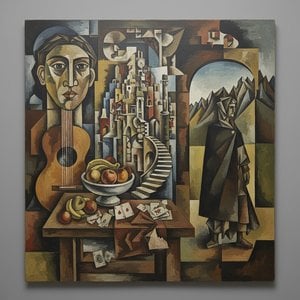
La Bisaccia


 Leggi tutto
L'opera d'arte visualizzata in questa pagina è protetta dalle leggi sul diritto d'autore, il che significa che non possiamo legalmente creare o vendere una riproduzione identica. Tale protezione è garantita da accordi internazionali quali la Convenzione di Berna e dalle leggi nazionali, incluse quelle stabilite da Legge sul copyright degli Stati Uniti - Titolo 17. Tutti i diritti riservati. Le immagini presenti su questo sito sono protette da copyright e non possono essere riprodotte o utilizzate senza l'autorizzazione scritta di WahooArt.com o dei rispettivi proprietari del copyright.
Questo metodo è pienamente conforme alle normative sul diritto d'autore poiché non prevede la copia o la duplicazione dell'opera protetta. Si tratta invece di una rielaborazione creativa: un nuovo dipinto che trae ispirazione dall'originale, senza tuttavia esserne identico.
Giclée / Stampe d'arte
Stampa giclée o su tela di qualità museale, con produzione rapida e diverse opzioni di finitura. ( Ordina la riproduzione dipinta a mano Passa all'immagine digitale)




P118B €10

P118H €10

P118W €10

P438Z €10

P508JH €12

P508YH €12

P805H €10

P805Z €10

P919BZ €10

P919G €10

P919XJ €10

P959ZH €10

P968JZ €12

W106C €8

W218G €10

W218JH €8

W218Y €10

W307PJ €10

W316G €10

W316PJ €8

W316Y €10

W398PJ €8

W4111J €10

W500HY €15

W500JH €15

W692G €12

W849H €8

W940BG €15

W953PJ €8




Scegli tra le nostre dimensioni predefinite, che rispettano le proporzioni originali dell'opera d'arte.

Inserisci la larghezza e l'altezza desiderate, per adattarle alla tua cornice o alla tua parete. Una stampa può essere solo ritagliata, mai resa più grande dell'immagine originale; pertanto, un formato con una forma differente comporterà la perdita di una parte dell'opera. Ti invieremo un mockup digitale da approvare prima di procedere con la stampa. L'immagine mostrata in questa pagina non rappresenta il ritaglio reale — solo il mockup lo mostra.
Consegna in tutto il mondo () in 2 settimane invece delle normali 4/5 settimane. (22 Ottobre)

Spedizione espressa gratuita in tutto il mondo

Tela in lino di alta qualità

Assicurazione completa sulla spedizione

Garanzia di rimborso dei dazi doganali

Garanzia di perfetta fedeltà cromatica

Politica di reso entro 100 giorni (solo per difetti di fabbricazione)

Garanzia di rimborso al 100%

Sconto per acquisti multipli
 L'opzione vetro è disponibile solo per dimensioni inferiori a 110 cm

La Bisaccia
Giclée / Stampe d'arte
Dimensioni della riproduzione
-


Prezzo totale
€ 54
Pablo Picasso: A Revolutionary Spirit
Pablo Ruiz Picasso, a name that resonates through the annals of art history, was born in Málaga, Spain, in 1881—a nation poised on the cusp of profound change. His life, spanning nearly a century, became an extraordinary mirror reflecting this transformation, a relentless exploration of form, perspective, and the very essence of human experience. From his earliest artistic training under his father José Ruiz y Blasco, a painter himself, Picasso displayed a precocious talent that quickly surpassed even his mentor’s abilities. This early mastery wasn't merely technical; it hinted at an insatiable curiosity and a willingness to challenge convention—qualities destined to define his entire career. The family’s subsequent moves to A Coruña and then Barcelona proved pivotal, immersing the young artist in vibrant cultural environments where he honed his skills and began to forge hiThe Birth of Cubism: Fragmented Reality
Picasso's artistic journey commenced with a fascination for traditional academic painting—a path meticulously charted by his father. However, this foundational training wouldn’t be enough to contain the burgeoning genius within him. By the early 1900s, Picasso embarked on an audacious experiment: Cubism. Influenced by Cézanne and African sculpture, he shattered conventional notions of representation, dismantling objects into geometric planes and presenting multiple viewpoints simultaneously. This revolutionary approach wasn't merely stylistic; it reflected a deeper philosophical questioning of how we perceive the world—a quest to capture not just what is seen but also what lies beneath the surface. Les Demoiselles d’Avignon (1907), arguably Picasso’s seminal work, exemplifies this groundbreaking vision, establishing Cubism as a cornerstone of modern art and forever altering its trajectory.Guernica: A Cry Against War
Picasso's artistic output reached its zenith during the Spanish Civil War (1936–1939), culminating in Guernica—a monumental black, white, and gray canvas that stands as a searing indictment of violence and suffering. Inspired by photographs documenting the bombing of Guernica by Nazi German Luftwaffe bombers supporting Francisco Franco’s nationalist forces, Picasso channeled his anguish into a powerful visual narrative. The painting eschews realistic depiction, opting instead for symbolic imagery—a grieving mother clutching her dead child, a wounded horse writhing in agony, and figures representing despair and terror—to convey the horrors of war without resorting to explicit gore. Guernica transcends its historical context, becoming an enduring emblem of human resilience and a timeless plea for peace—a testament to Picasso’s ability to transform personal trauma into universal artistic expression.Exploring Emotion Through Color
Throughout his prolific career, Picasso consistently prioritized emotional resonance over meticulous detail. His stylistic evolution mirrored the shifting currents of his life experiences—from the melancholic hues of the Blue Period (1901–1904), reflecting themes of poverty and despair, to the warmer tones of the Rose Period (1904–1906), portraying portraits of flamenco dancers and bourgeois subjects. Picasso’s masterful use of color served as a conduit for conveying profound feelings—joy, sorrow, passion, and contemplation—often juxtaposing contrasting shades to heighten dramatic impact. Consider “The Old Guitarist” (1903), where the muted blues and greens evoke a sense of solitude and vulnerability, while simultaneously capturing the dignity and resilience of an aging musician.Legacy: An Enduring Influence
Pablo Picasso’s artistic legacy extends far beyond his iconic paintings—spanning sculpture, ceramics, printmaking, and theatrical design. His unwavering commitment to experimentation and innovation irrevocably transformed the landscape of 20th-century art, inspiring generations of artists to challenge conventions and pursue their own unique visions. Picasso's ability to distill complex emotions into simplified forms—a hallmark of his Cubist style—continues to captivate audiences worldwide. Reproductions of masterpieces like Guernica and Les Demoiselles d’Avignon serve as reminders of Picasso’s enduring influence on artistic expression, inviting viewers to contemplate the profound questions he posed about beauty, truth, and humanity's place in the universe.Domande e risposte
I colori di "La Bisaccia" appaiono intensi o delicati?
"La Bisaccia" di Pablo Picasso mostra un'intensità cromatica Equilibrato.
Quale tonalità di fondo attraversa "La Bisaccia" di Pablo Picasso?
"La Bisaccia" tende verso una tonalità Amber to Saffron.
Come è strutturata la composizione cromatica di "La Bisaccia" di Pablo Picasso?
L'analisi cromatica di "La Bisaccia" di Pablo Picasso registra un Statement contrasto e una Balanced Harmony armonia.
Opere correlate


Biografia dell'artista
Pablo Picasso: Un Artista Rivoluzionario
Primi Anni di Vita e Formazione (1881-1904)
- Nato il 25 ottobre 1881 a Málaga, in Spagna, Pablo Ruiz y Picasso dimostrò un talento artistico fin da piccolissimo.
- Suo padre, José Ruiz y Blasco, era un insegnante d'arte che gli fornì una formazione precoce. Si dice che le prime parole di Picasso fossero “piz, piz” – cercando di dire ‘matita’.
- Picasso superò rapidamente le capacità del suo padre, mostrando un’abilità notevole nelle rappresentazioni naturalistiche.
- La famiglia si trasferì a A Coruña e successivamente a Barcellona dopo la tragica perdita della sorella di Picasso.
- A Barcellona, frequentò la Scuola d'Arti Visive ma spesso entrò in conflitto con le istruzioni accademiche tradizionali. Studiò brevemente alla Royal Academy of San Fernando a Madrid, trovandola soffocante e preferendo studiare i maestri come Velázquez e Goya in modo indipendente.
Il Periodo Blu e Rosa (1901-1906)
- Il Periodo Blu (circa 1901-1904) è caratterizzato da dipinti malinconici dominati da sfumature di blu e verde acqua.
- Questi lavori raffigurano spesso figure emarginate – mendicanti, ciechi, prostitute – riflettendo malinconia e commento sociale. Esempi chiave includono La Vie (1903) e L'Oldista (1903-1904).
- Successivamente, il Periodo Rosa (1904-1906) emerse con tonalità più calde – rosa, arancione e rosso.
- Questo periodo riflette una prospettiva più ottimista, spesso ritraendo artisti di circo, harlequini e acrobati. Famiglia dei Saltimbanchi (1905) ne è un esempio.
Gli Anni Rivoluzionari: Cubismo e Oltre (1907-1919)
- Il 1907 ha segnato un momento cruciale con Les Demoiselles d'Avignon, influenzato dalla scultura iberica e dalle maschere africane. Questo dipinto infranse la prospettiva tradizionale, aprendo la strada al Cubismo.
- Lavorando a stretto contatto con Georges Braque, Picasso co-fondò il Cubismo, trasformando radicalmente il modo in cui gli artisti rappresentavano la realtà.
- Cubismo Analitico (1909-1912) presentava forme frammentate, colori tenui e una dissezione degli oggetti in forme geometriche.
- Cubismo Sintetico (1912-1919) incorporava elementi di collage – ritagli di giornale, stracci – per creare superfici testurizzate e nuovi livelli visivi.
Neoclassicismo e Surrealismo (Anni '20 - Anni '30)
- Gli anni '20 hanno visto Picasso esplorare stili neoclassici con figure monumentali che enfatizzavano le forme classiche.
- Ha anche interagito con il movimento surrealista, pur non allineandosi pienamente ai suoi principi. La sua opera ha combinato stili precedenti con immagini surrealiste e prospettive distorte.
Anni Successivi e Eredità (1940-1973)
- Durante la Seconda Guerra Mondiale, Picasso è rimasto in Francia, producendo dichiarazioni anti-guerra potenti come Guernica (1937), una risposta viscera al bombardamento di Guernica durante la guerra civile spagnola.
- Guernica è diventata un simbolo duraturo degli orrori della guerra e rimane uno dei suoi lavori più celebrati.
- Nel corso degli anni '50 e '60, Picasso ha continuato a sperimentare con vari mezzi – ceramiche, sculture, stampe – dimostrando una versatilità notevole.
- Si è sposato con Jacqueline Roque nel 1961. È morto il 8 aprile 1973 a Mougins, in Francia.
Influenze e Significato Storico
- Lo sviluppo artistico di Picasso fu plasmato da maestri spagnoli come Velázquez e Goya, dalla scultura iberica, dall'arte africana e da Henri Matisse.
- Il suo impatto sull'arte del XX secolo è incommensurabile. Ha co-fondato il Cubismo, ha pionieristicamente utilizzato collage e sculture costruite e ha costantemente sfidato le convenzioni artistiche.
- L'incessante sperimentazione di Picasso ha ridefinito l'arte moderna e continua a ispirare gli artisti oggi.
- La sua produzione prolifica – stimata in oltre 50.000 opere – consolida la sua posizione come uno degli artisti più importanti e influenti della storia.

Pablo Picasso
1881 - 1973 , Spagna
Informazioni rapide
- Artisti Che Hanno Influenzato Questo Artista:
- Velázquez
- Goya
- Henri Matisse
- Data Di Morte: 8 aprile 1973
- Data Di Nascita: 25 ottobre 1881
- Luogo Di Nascita: Malaga, Spagna
- Movimento Artistico: Cubismo, Surrealismo
- Nazionalità: Spagnola
- Nome Completo: Pablo Ruiz y Picasso
- Opere Notevoli:
- Les Demoiselles d'Avignon
- Guernica
- La Vie
- L'Oldista
- Famiglia dei Saltimbanchi
Articoli correlati

Deconstructing Reality: Cubism's Revolutionary Impact on 20th-Century Art
Explore the revolutionary world of Cubism with ArtsDot. Discover Picasso & Braque's groundbreaking techniques, its philosophical roots, and lasting impact on modern art. Expert insights for collectors.

Cubismo: I 10 Capolavori Che Hanno Rivoluzionato l'Arte Moderna | ArtsDot
Esplora i 10 capolavori del Cubismo con ArtsDot. Scopri Picasso, Braque e Gris e la rivoluzione artistica delle forme geometriche e dei colori audaci. Quadri iconici per decorare casa con stile! Esplora la collezione online.

Pablo Picasso: Rivoluzione Cubista, Simbolismo e un'Eredità Duratura nell'Arte Moderna
Esplora la rivoluzione artistica di Pablo Picasso e il Cubismo con ArtsDot. Scopri le origini, l'evoluzione stilistica e l'eredità duratura del maestro spagnolo. Guide all'acquisto e valutazione per collezionisti esperti.

Le 10 Opere d'Arte Più Romantiche di Sempre | .it
Scopri le 10 opere d'arte più romantiche di sempre! Esplora la passione di Delacroix, i paesaggi di Friedrich e l'amore nell'arte del XIX secolo. Trova riproduzioni di alta qualità su e trasforma la tua casa con capolavori senza tempo.
Cubismo Espressivo: 10 Capolavori che Hanno Definito un Movimento Artistico Rivoluzionario
Esplora i 10 capolavori del Cubismo Espressivo con ArtsDot.com! Scopri Picasso, Braque e Gris, la storia di questo rivoluzionario movimento artistico e lasciati ispirare per decorare casa con arte di alta qualità. Esplora la collezione online!


