


 Anteprima in scala reale
 Invia
Invia Condividi
 Dettagli opera
 Guida
Guida

 Scarica
 Simili
 Radiografia
 Slideshow
 Q&A
Q&A Statistiche
Pechora. Vestry.


 Espandi i dettagli
Riproduzione a olio fatta a mano
Olio su tela dipinto a mano nelle tue dimensioni e con la tua cornice, realizzato su ordinazione dai nostri artisti. ( Passa alle stampe Passa all'immagine digitale)




P118B €10

P118H €10

P118W €10

P438Z €10

P508JH €12

P508YH €12

P805H €10

P805Z €10

P919BZ €10

P919G €10

P919XJ €10

P959ZH €10

P968JZ €12

W106C €8

W218G €10

W218JH €8

W218Y €10

W307PJ €10

W316G €10

W316PJ €8

W316Y €10

W398PJ €8

W4111J €10

W500HY €15

W500JH €15

W692G €12

W849H €8

W940BG €15

W953PJ €8




Scegli tra le nostre dimensioni predefinite, che rispettano le proporzioni originali dell'opera d'arte.

Inserisci la larghezza e l'altezza desiderate, per adattarle alla tua cornice o alla tua parete. Trattandosi di un'opera dipinta a mano, in caso di dimensioni con un formato differente, l'artista può estendere leggermente il dipinto oltre i bordi dell'immagine o ritagliare una piccola parte — la scelta spetta a te. Ti invieremo un mockup digitale da approvare prima che la realizzazione abbia inizio. L'immagine mostrata in questa pagina non rappresenta il risultato finale — solo il mockup lo fa.
Dopo l'ordine, il team di ArtsDot.com contatterà il cliente via e-mail per ricevere le istruzioni e fornirà un'anteprima del mockup
Consegna in tutto il mondo () in 3/4 settimane anziché nelle normali 5 settimane. (28 Ottobre). Nessun compromesso sulla qualità.

Spedizione espressa gratuita in tutto il mondo

Tela in lino di alta qualità

Assicurazione completa sulla spedizione

Garanzia di rimborso dei dazi doganali

Garanzia di fedeltà cromatica assoluta

Politica di reso entro 100 giorni (solo per difetti di fabbricazione)

Garanzia di rimborso al 100%

Offerta per acquisti multipli
 L'opzione vetro è disponibile solo per dimensioni inferiori a 110 cm

Pechora. Vestry.
Tecnica di riproduzione
Dimensioni riproduzione
-


Prezzo finale calcolato
€ 232
Nicholas Roerich’s ‘Pechora. Vestry.’: A Testament to Spiritual Landscape
Nicholas Roemerich's 1903 painting, “Pechora. Vestry,” is more than a simple depiction of a Russian village church; it’s a profound meditation on the relationship between humanity and the spiritual realm. Executed in the burgeoning Art Nouveau style, this work reveals Roerich’s evolving artistic language – one deeply rooted in his lifelong pursuit of integrating art, archaeology, philosophy, and a fervent belief in global unity.
- Subject Matter: The painting centers on a striking red building with a white roof, immediately recognizable as the Pechora Vestry. Its architectural details—the clock tower, arched windows, and prominent steeple – are rendered with meticulous precision, reflecting Roerich’s keen observational skills and his desire to capture the essence of specific locations.
- Art Nouveau Influence: The flowing lines, decorative motifs, and emphasis on natural forms characteristic of Art Nouveau are evident in the building's design and the surrounding landscape. This stylistic choice aligns with Roerich’s broader interest in embracing contemporary artistic trends while retaining his own unique vision.
Technique and Materials: A Layered Approach
Roerich employed a layered technique, typical of his later work, building up the image through multiple glazes applied over time. This process allowed for subtle shifts in color and tone, creating an atmospheric depth that is particularly noticeable in the depiction of light and shadow. The use of rich pigments – predominantly reds, whites, and blues – contributes to the painting’s luminous quality. The canvas itself was likely primed with a textured gesso, further enhancing the tactile experience of the artwork.
- Glazing Technique: Roerich's mastery of glazing is evident in the way he builds up color and creates a sense of depth and luminosity.
- Pigment Choice: The use of vibrant pigments contributes to the painting’s overall visual impact.
Symbolism and Context – Beyond the Surface
"Pechora. Vestry." is not merely a record of a physical place; it's imbued with Roerich’s spiritual concerns. The church, as a symbol of faith and community, represents humanity’s yearning for connection to something greater than itself. The surrounding landscape – the trees and the distant horizon – further reinforces this theme, suggesting an expansive, interconnected world. Considering the painting was created in 1903, during a period of significant social and intellectual change, it reflects Roerich's evolving ideas about global harmony and the importance of preserving cultural heritage. His work often incorporated esoteric symbolism, reflecting his interest in ancient cultures and spiritual traditions.
Emotional Impact and Artistic Legacy
Roerich’s “Pechora. Vestry.” possesses a quiet power that resonates with viewers long after initial observation. The painting evokes a sense of tranquility and contemplation, inviting the viewer to reflect on themes of faith, community, and the relationship between humanity and nature. As one of Roerich's early works, it demonstrates his developing artistic voice and foreshadows the monumental scale and spiritual depth that would characterize much of his later oeuvre. This piece offers a compelling glimpse into the mind of a visionary artist who sought to bridge the gap between art and spirituality.
Domande e risposte
È disponibile un download ad alta risoluzione di "Pechora. Vestry."?
È possibile acquistare un'immagine digitale di "Pechora. Vestry." di Nikolaj Roerich nella sua pagina Immagine digitale ad alta risoluzione: download di un'immagine digitale ad alta risoluzione.
Quale colore risalta di più in "Pechora. Vestry."?
Il colore dominante di "Pechora. Vestry." di Nikolaj Roerich è Espresso (#3d1e0a).
Che posto occupa "Pechora. Vestry." all'interno della produzione artistica di Nikolaj Roerich?
All'interno della produzione di Nikolaj Roerich, "Pechora. Vestry." si inserisce nello stile Art Nouveau Modern, affiancandosi ai temi di russian spiritualism, architecture, peace, roerich’s exploration of faith, symbolic landscape, cultural motifs, vestry reflects roerich's beliefs, architectural themes.
Opere simili


Biografia dell'artista
Nicholas Roerich: Vita, Arte e Eredità
Primi Anni di Vita ed Educazione
- Nicholas Konstantinovich Roerich nacque il 9 ottobre 1874 a San Pietroburgo, Russia.
- Suo padre, notaio tedesco baltico, e sua madre, una donna russa, coltivarono in lui fin da giovane un apprezzamento per le arti.
- Roerich perseguì sia il diritto che l'arte contemporaneamente, iscrivendosi all'Università di San Pietroburgo e all'Accademia d'Arti Imperiali nel 1893.
- Ricevette il titolo di “Artista” nel 1897 e una laurea in legge l'anno successivo.
Iniziative Artistiche e Influenze
- Lo sviluppo artistico di Roerich fu significativamente influenzato da Simbolismo Russo, un movimento che enfatizzava la spiritualità e la profondità emotiva.
- Diventò coinvolto nella società “World of Art” di Sergei Diaghilev, diventando presidente dal 1910 al 1916.
- Il suo lavoro iniziale mostrava un fascino per l'archeologia e il design teatrale, portando a collaborazioni su produzioni per i Ballets Russes.
- Fu anche influenzato da apocrifi e scritti settari medievali come il Libro dell’Oca.
Collaborazione con i Ballets Russes
- I progetti di Roerich per i Ballets Russes furono molto apprezzati, in particolare il suo lavoro su Alexander Borodin's Principe Igor (1909) e Igor Stravinsky’s Il Rituale della Primavera (1913).
- I suoi progetti di scenografia combinavano ricerca storica con arte immaginativa, creando produzioni visivamente sbalorditive.
- Questa collaborazione lo affermò come figura di spicco nel design teatrale nei primi anni del XX secolo.
Sviluppo Artistico e Temi
- I dipinti di Roerich si evolsero per incorporare temi sempre più mistici e spirituali, riflettendo il suo crescente interesse per la Teosofia e le religioni orientali.
- La sua serie Studi Architettonici (1904–1905) dimostrò la sua abilità architettonica e il suo impegno nella preservazione del patrimonio culturale.
- Motivi ricorrenti nelle sue opere includono paesaggi maestosi, antiche città e figure religiose come San Pantelemon e Kuan Yin.
- Spesso raffigurava l'Himalaya, una regione che per lui aveva un profondo significato spirituale.
Realizzazioni Principali e Riconoscimenti
- Roerich fu un fervente sostenitore della protezione dell’arte e dell’architettura durante i tempi di guerra.
- I suoi sforzi portarono alla creazione del Patto Roerich (1935), un trattato internazionale per la conservazione degli oggetti culturali, guadagnandogli numerose nomine per il Premio Nobel per la Pace.
- Viaggiò ampiamente in Asia Centrale, conducendo ricerche archeologiche e documentando culture antiche.
- Le sue opere sono esposte in importanti collezioni museali in tutto il mondo, tra cui la Galleria d'Arte di Astrakhan.
Significato Storico ed Eredità
- L’impatto di Nicholas Roerich sull’arte e sulla cultura russa è immensurabile.
- Ha colmato il divario tra l'espressione artistica e l'esplorazione spirituale, influenzando generazioni di artisti e pensatori.
- Il suo impegno nella conservazione del patrimonio culturale rimane rilevante oggi, evidenziando l’importanza di proteggere la nostra eredità condivisa.
- L’eredità di Roerich si estende oltre i suoi dipinti; è ricordato come un artista visionario, studioso e umanitario.

Nikolaj Roerich
1874 - 1947 , Russia
Dettagli rapidi
- Artisti Influenti:
- Gauguin
- Van Gogh
- Data Di Nascita: 9 ottobre 1874
- Luogo Di Nascita: San Pietroburgo, Russia
- Movimento Artistico: Simbolismo russo
- Nazionalità: Russo
- Nome Completo: Nikolaj Konstantinovič Rerich
- Opere Notevoli:
- Monte dei cinque tesori
- Percorso verso Kailas 4
- Ponte di Gloria
- Lago dei Naga
Articoli correlati

The Enduring Legacy of Fine Art Prints: Technique, History & Aesthetic Impact
Explore the rich history & techniques of fine art prints. Discover investment potential, assess authenticity, and learn how to preserve your collection with expert guidance. Trusted insights for discerning collectors.

Giclée Prints: Archival Quality & Aesthetic Nuances for the Discerning Collector
Explore the world of giclée prints with ArtsDot. Learn about archival quality, aesthetic nuances & investment potential. Expert guidance for discerning art collectors seeking museum-quality reproductions and lasting value.

Echoes of Time: Exploring the Enduring Appeal & Historical Context of Vintage Art Prints
Explore the captivating world of vintage art prints! Discover their history, collecting tips & enduring appeal. Expert insights on chromolithography and building a legacy collection with ArtsDot.
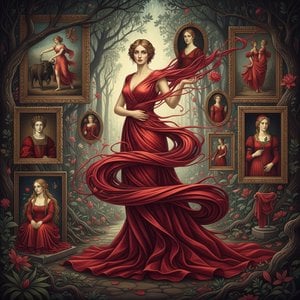
Crimson Threads of Narrative: Exploring Symbolism & Representation in Artworks Featuring the Red Dress
Explore the rich symbolism of the red dress in art history! From ancient power displays to iconic portraits like Cézanne’s 'Madame Cezanne', discover the cultural and artistic significance behind this captivating color. Expert analysis & insights.

Ivan Bilibin: A Synthesis of Folklore, Modernism & National Identity in Russian Illustration
Explore the enchanting world of Ivan Bilibin, a master Russian illustrator who synthesized folklore, Art Nouveau & national identity. Discover his iconic fairy tale illustrations and legacy with ArtsDot.


