
- Home

- Immagine digitale
- Hans Memling
- Inferno
 Acquista stampa Ordina la riproduzione
 Invia
Invia
 Condividi
 Dettagli opera
 Aggiungi ai preferiti

 Scarica
 Simili
 Radiografia
 Slideshow
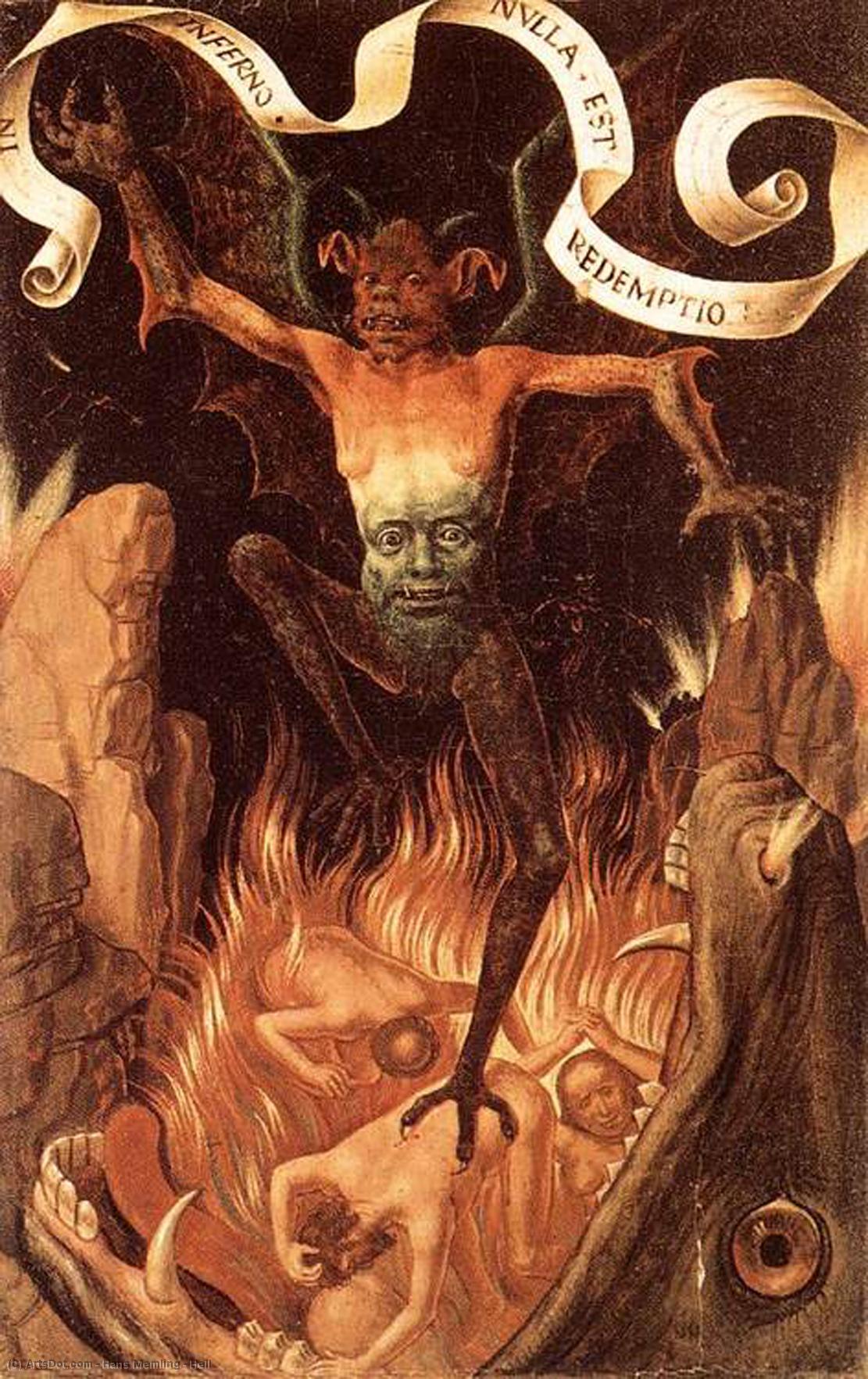
Inferno
 Olio su tela
- Opere d'arte da parete
- pittura barocca fiamminga
 1485
1485- Tardo Medioevo
 22.0 x 14.0 cm
 Musée Des Beaux
 Scopri di più
Acquista un'immagine digitale ad alta risoluzione e ottimizzata, di qualità nettamente superiore all'anteprima online.
Ogni file è meticolosamente preparato dai nostri specialisti interni attraverso l'uso di strumenti avanzati e un sapiente ritocco manuale. Garantiamo che ogni immagine presenti una chiarezza eccezionale, una precisione cromatica impeccabile e dettagli raffinati.
Il file finale viene consegnato via e-mail entro 72 ore, ottimizzato per un uso immediato in contesti professionali, editoriali e di stampa. Si tratta della stessa qualità affidata dai più prestigiosi studi di design, editori e gallerie d'arte.
Immagine Digitale
Scarica un file ad alta risoluzione per uso personale, per la stampa e per progetti creativi.
Incluso in ogni ordine di immagini digitali
Consegna digitale professionale e garantita
Quando scegli ArtsDot.com, non riceverai solo un'immagine: riceverai un'opera d'arte digitale professionalmente ottimizzata, realizzata con la massima precisione e accompagnata da una garanzia di soddisfazione. Ecco tutto ciò che include il tuo ordine, automaticamente:

Consegna rapida via email
Riceverai il file dell'immagine digitale ad alta risoluzione via email entro 72 ore dall'ordine, pronto per un uso immediato.

File digitale ottimizzato dall'IA
La tua opera d'arte viene ottimizzata professionalmente attraverso l'uso di strumenti avanzati di intelligenza artificiale e una revisione manuale, garantendo il massimo livello di dettaglio, nitidezza e accuratezza cromatica.

Riconsegna gratuita a vita
Hai eliminato o perso accidentalmente il tuo file? Non preoccuparti: te lo invieremo di nuovo in qualsiasi momento, gratuitamente.

Nessun costo di importazione - Sempre
Goditi la tua opera d'arte istantaneamente senza costi doganali, dazi o spese di spedizione: i download digitali sono sempre esenti da tasse.

Garanzia di fedeltà cromatica
Garantiamo che la tua immagine digitale rifletta i colori originali con la massima fedeltà, grazie all'uso di strumenti professionali e a una gestione accurata del colore.

Garanzia di soddisfazione di 60 giorni
Se non sei soddisfatto della tua immagine digitale, la revisioneremo o ti rimborseremo il 100% entro 60 giorni, senza domande.

Garanzia di rimborso al 100%
Non sei soddisfatto? Ricevi un rimborso completo entro 60 giorni dalla ricezione del tuo file digitale, senza dover fornire spiegazioni.

Sconti per ordini multipli
Acquista 3 immagini, risparmia il 10% - Acquista 5, risparmia il 15% - Acquista 10+, risparmia il 20%. Ideale per progetti creativi, gallerie e agenzie.
Descrizione del Collezionabile
Hans Memling's "Hell": A Descent into Torment
This arresting depiction of Hell, painted in 1485 by Hans Memling, offers a profoundly unsettling glimpse into the artist’s masterful understanding of human suffering and his deep engagement with religious iconography. Measuring 22 x 14 cm, this intimate scale amplifies the emotional intensity of the scene, drawing the viewer directly into the heart of torment. The painting immediately commands attention with its stark contrasts – the oppressive darkness punctuated by the demonic figure’s vibrant, almost theatrical presence. It is a work born from Memling's time in Bruges, where he was commissioned to create works for wealthy patrons and religious institutions, reflecting the city’s status as a major center of art and commerce.
A Study in Netherlandish Realism and Symbolism
Memling, deeply influenced by Rogier van der Weyden, exemplifies the core tenets of Early Netherlandish painting. The meticulous detail evident in the rendering of textures – the rough fabric of the tormented figures’ clothing, the polished scales of the demon's wings, the aged leather binding of the book – speaks to a dedication to realism that was revolutionary for its time. However, this isn't merely a depiction of physical reality; it is laden with symbolic meaning. The demonic figure, clutching a book filled with names, represents divine judgment and the inescapable consequences of sin. The postures of the figures—groaning in agony, pleading for mercy—are universally understood expressions of despair, tapping into fundamental human anxieties about mortality and punishment. The composition itself, with its tightly packed figures and dramatic lighting, creates a claustrophobic atmosphere, intensifying the sense of dread.
Technique and Materials: The Bruges Master at Work
Painted in oil on panel, Memling’s technique showcases his exceptional control over color and texture. The use of glazing – applying thin layers of translucent paint – creates a luminous quality that softens the harshness of the scene while simultaneously enhancing the sense of depth. Notice the subtle gradations of tone used to depict the demon's skin, conveying both power and vulnerability. Memling’s workshop in Bruges was renowned for its production of high-quality reproductions, often commissioned by wealthy patrons seeking devotional art for their homes. This particular piece likely served a similar purpose, intended to evoke contemplation and perhaps even inspire repentance.
Emotional Impact and Historical Context
"Hell," painted in 1485, reflects the anxieties of late medieval Europe, a period marked by religious fervor, social unrest, and a heightened awareness of mortality. The image resonates with viewers across centuries due to its raw depiction of suffering – a timeless exploration of human fallibility and divine retribution. Hans Memling’s legacy extends beyond this single work; he remains one of the most important figures in Early Netherlandish art, his influence felt throughout Europe through his prolific workshop and enduring masterpieces. This reproduction offers an unparalleled opportunity to experience the power and beauty of Memling's vision, bringing a piece of history into your space.
Opere simili


Biografia dell'artista
Hans Memling: The Bruges Master of Detail and Patronage
Hans Memling (c. 1430 – August 11, 1494), born in Seligenstadt, Germany, stands as a pivotal figure in Early Netherlandish painting—a movement characterized by exquisite realism, meticulous observation of nature, and profound spiritual contemplation. Though his formative years were spent primarily within the Rhineland’s artistic milieu, Memling's trajectory ultimately led him to Bruges, Belgium, where he established himself as one of the foremost artists of his time and cultivated a prolific workshop that disseminated his distinctive style across Europe. His early life remains shrouded in mystery, but biographical accounts suggest he emerged from Mainz around 1430. His artistic education commenced under the tutelage of Rogier van der Weyden, a titan of Flemish painting whose mastery of oil paint and sculptural modeling profoundly shaped Memling's technique. This apprenticeship instilled in him an unwavering dedication to detail—a hallmark that would define his oeuvre. Van der Weyden’s influence is palpable in Memling’s meticulous rendering of drapery folds and the subtle shading techniques he employed, demonstrating a shared commitment to capturing the nuances of human form and texture.Bruges & The Workshop: A Hub for Artistic Innovation
By 1465, Memling secured citizenship in Bruges, a burgeoning commercial hub and artistic epicenter—a city renowned for its patronage of the arts and its vibrant mercantile spirit. Recognizing the potential for collaborative creativity, he founded a workshop staffed by numerous assistants, fostering an environment of innovation and stylistic consistency. This workshop became internationally celebrated for producing stunning reproductions of masterpieces—a testament to Memling’s skill as both artist and pedagogue. He meticulously oversaw every aspect of production, ensuring that each painting adhered to his exacting standards of craftsmanship and artistic vision. The workshop's output included altarpieces, portraits, and decorative panels—all bearing the unmistakable stamp of Memling’s distinctive style.A Style Defined by Precision & Patronage
Memling’s artistic style is instantly recognizable: characterized by luminous color palettes, delicately rendered drapery folds, and an astonishing level of anatomical accuracy. He meticulously studied human anatomy—drawing inspiration from classical sculpture—to achieve unparalleled realism in his portraits and religious scenes alike. Unlike many contemporaries who favored expressive brushstrokes, Memling prioritized meticulous observation and painstaking execution, resulting in images imbued with serene beauty and profound spiritual depth. His approach mirrored the humanist ideals prevalent during the Renaissance, reflecting a belief in the importance of rational inquiry and artistic representation as vehicles for conveying moral truths. The artist’s palette favoured rich hues—particularly reds and blues—creating dramatic contrasts that heightened visual impact.Notable Works & Artistic Achievements
Memling's most enduring legacy resides in his monumental fresco “The Last Judgment” at St John’s Hospital in Bruges—a masterpiece of composition, color theory, and psychological drama. Executed with breathtaking precision and imbued with a palpable sense of solemnity, the fresco exemplifies Memling’s mastery of artistic technique and his ability to communicate complex theological concepts through visual imagery. Alongside “The Last Judgment,” Memling produced numerous iconic paintings including “Cristo Circondato da Angeli Musicisti” and “L'adorazione dei Magi”, demonstrating his versatility as an artist and cementing his reputation as one of the foremost figures of Early Netherlandish painting. These works continue to inspire awe and admiration for their artistic beauty and spiritual significance.Influence & Legacy: Shaping Flemish Renaissance Art
Memling’s influence extended far beyond his own lifetime, shaping the trajectory of Flemish Renaissance art and inspiring subsequent generations of artists—particularly Quentin Massys, who established the Antwerp School—solidifying Memling's position as a cornerstone of Flemish artistic heritage. His unwavering dedication to detail and profound understanding of human psychology remain remarkably relevant in our contemporary appreciation of art history, ensuring that Hans Memling’s name will forever be associated with excellence, innovation, and enduring beauty.
Hans Memling
Germania
Informazioni rapide
- Artistic Movement Or Style: Pittura fiamminga antica
- Artists Who Influenced This Artist: ['Rogier van der Weyden']
- Date Of Birth: c. 1430
- Date Of Death: 11 agosto 1494
- Full Name: Hans Memling
- Nationality: Germano-Fiammingo
- Notable Artworks:
- St Johns Hospital
- L'ultima giudicatura
- Scene dalla Passione
- Place Of Birth: Seligenstadt, Germania

