


 Anteprima in scala reale
 Condividi
 Condividi
 Dettagli
 Guida stampabile

 Scarica
 Articoli simili
 Radiografia
 Slideshow
 Statistiche
The Weaver


 Leggi tutto
Riproduzione a olio fatta a mano
Olio su tela dipinto a mano nelle tue dimensioni e con la tua cornice, realizzato su ordinazione dai nostri artisti. ( Passa alle stampe Passa all'immagine digitale)




P118B €10

P118H €10

P118W €10

P438Z €10

P508JH €12

P508YH €12

P805H €10

P805Z €10

P919BZ €10

P919G €10

P919XJ €10

P959ZH €10

P968JZ €12

W106C €8

W218G €10

W218JH €8

W218Y €10

W307PJ €10

W316G €10

W316PJ €8

W316Y €10

W398PJ €8

W4111J €10

W500HY €15

W500JH €15

W692G €12

W849H €8

W940BG €15

W953PJ €8




Scegli tra le nostre dimensioni predefinite, che rispettano le proporzioni originali dell'opera d'arte.

Inserisci la larghezza e l'altezza di cui hai bisogno, per adattarle alla tua cornice o alla tua parete. Trattandosi di un'opera dipinta a mano, in caso di dimensioni con una forma differente, l'artista può dipingere un po' più oltre i bordi dell'immagine o ritagliare leggermente — la scelta spetta a te. Ti invieremo un mockup digitale da approvare prima che la pittura abbia inizio. L'immagine mostrata in questa pagina non rappresenta il risultato reale — solo il mockup lo fa.
Dopo l'ordine, il team di ArtsDot.com contatterà il cliente via e-mail per ricevere le istruzioni e fornirà un'anteprima del mockup
Consegna in tutto il mondo () in 3/4 settimane anziché nelle normali 5 settimane. (23 Ottobre). Nessun compromesso sulla qualità.

Spedizione espressa gratuita in tutto il mondo

Tela in lino di alta qualità

Assicurazione completa sulla spedizione

Garanzia di rimborso dei dazi doganali

Garanzia di perfetta fedeltà cromatica

Politica di reso entro 100 giorni (solo per difetti di fabbricazione)

Garanzia di rimborso al 100%

Sconto per acquisti multipli
 L'opzione vetro è disponibile solo per dimensioni inferiori a 110 cm

The Weaver
Tecnica di riproduzione
Dimensioni della riproduzione
-


Prezzo totale
€ 231
A Portrait of a Working Life
Max Liebermann’s “The Weaver” isn't merely a depiction of a woman at her loom; it’s a carefully constructed tableau that invites us into the heart of late 19th-century German craft. Painted in 1882, this oil-on-canvas work resides within the Stadelsches Kunstinstitut in Frankfurt, Germany, and immediately draws the viewer in with its warm palette and intimate setting. Liebermann, a master of capturing everyday life with an Impressionistic sensibility, skillfully avoids romanticizing the scene. Instead, he presents a realistic portrayal of a woman diligently engaged in her trade – a weaver working within the modest confines of her home. The composition is deliberately balanced, featuring the central figure bathed in soft light, surrounded by familiar domestic objects: a chair, a table laden with bottles and bowls, and glimpses of other individuals contributing to the household’s activity.
(Image source: Artvee)
Impressionism Meets Craftsmanship
Liebermann’s approach to “The Weaver” is a fascinating blend of Impressionistic techniques and a deep appreciation for the tangible world. He employs broken brushstrokes, layering colors to create a sense of light and atmosphere – a hallmark of the Impressionist movement. However, unlike many of his contemporaries who focused on capturing fleeting moments in nature, Liebermann grounds his work in the realities of daily life. The meticulous detail with which he renders the loom, the threads, and the textures of the fabrics speaks to his respect for the craft itself. This isn’t a painting about beauty; it's about honest labor and the quiet dignity of skilled artisans. The warm tones – ochres, browns, and muted yellows – evoke a sense of comfort and familiarity, suggesting the coziness of the weaver’s domestic space.
A Window into Social Dynamics
Beyond its aesthetic qualities, “The Weaver” offers a poignant glimpse into the social dynamics of the time. The scene unfolds within a humble dwelling, reflecting the lives of working-class families who relied on skilled crafts for their livelihood. Liebermann subtly portrays the interconnectedness of these individuals – the man weaving, the other figures assisting with various tasks. This isn’t a portrait of isolation; it's a depiction of community and shared labor. The painting serves as a reminder of the importance of artisans in society, highlighting their contribution to the economic and cultural fabric of the era. It subtly raises questions about social class and the value placed on manual labor – themes that resonate even today.
Color, Light, and Symbolism
Liebermann’s masterful use of color is central to the painting's impact. The warm hues create a sense of intimacy and tranquility, drawing the viewer into the scene. Notice how he uses light to illuminate the weaver’s hands as they move across the loom – a gesture that emphasizes her skill and dedication. The arrangement of objects within the room also carries symbolic weight. The bottles and bowls suggest sustenance and domesticity, while the loom itself represents both labor and creativity. “The Weaver” is more than just a representation of a craft; it’s a carefully considered meditation on work, community, and the beauty found in everyday life.
Domande e risposte
Con quali pseudonimi o nomi alternativi è conosciuto Max Liebermann?
Max Liebermann è noto anche come Liebermann.
Cosa accomuna "The Weaver" al resto della produzione di Max Liebermann?
"The Weaver" appartiene all'opera Impressionism and Craftsmanship di Max Liebermann, i cui temi ricorrenti includono impressionism, german realism, everyday life, bourgeoisie, working class, social dynamics, craftsmanship, skilled artisans.
Che livello di saturazione e intensità presenta "The Weaver" di Max Liebermann?
"The Weaver" di Max Liebermann è caratterizzato da una saturazione di Muted e un'intensità di Monochromatic.
Opere correlate


Biografia dell'artista
Primi Anni e Formazione
- Nato: Berlino, Germania (1847)
- Morto: 1935
Carriera Artistica e Stile
- Impressionismo: Liebermann divenne un sostenitore di spicco dell'Impressionismo in Germania, catturando momenti fugaci della vita moderna con un focus su luce e colore.
- Influenze: Il suo stile fu notevolmente influenzato da Édouard Manet, evidente nel suo spirito e approccio alla pittura.
- Motivi: Dipingeva frequentemente scene della borghesia e aspetti del suo giardino vicino al lago Wannsee.
- Ritrattistica: Liebermann ottenne riconoscimento come rinomato ritrattista, creando oltre 200 ritratti su commissione, tra cui quelli di Albert Einstein e Paul von Hindenburg.
Opere Significative e Riconoscimenti
- "Il dodicenne Gesù nel tempio": Un'opera giovanile che suscitò dibattiti a causa della sua rappresentazione di un ragazzo semitico come Gesù.
- Elezione alla Prussian Academy of Arts: Un significativo riconoscimento del suo merito artistico e contributo.
- Leadership della Berlin Secession (1899-1911): Guidò questa importante formazione d'avanguardia in Germania, sfidando le norme artistiche tradizionali.
Ultimi Anni e Significato Storico
- Dimissioni dalla Prussian Academy: Nel 1933, si dimise a seguito della decisione dell'accademia di escludere gli artisti ebrei.
- Morte ed Eredità: Morì a Berlino nel 1935, lasciando dietro di sé un corpus significativo di opere che continuano ad essere celebrate per il loro stile impressionista e la loro acuta rappresentazione della società tedesca.

Max Liebermann
1847 - 1935 , Germania
Informazioni rapide
- Artistic Movement Or Style: Impressionismo
- Artists Or Movements Influenced By This Artist: ['Lovis Corinth']
- Artists Who Influenced This Artist: ['Édouard Manet']
- Date Of Birth: 20 luglio 1847
- Date Of Death: 8 febbraio 1935
- Full Name: Max Liebermann
- Nationality: Tedesca
- Notable Artworks:
- Il dodicenne Gesù nel tempio
- Cascina olandese con donna
- Ritratto del Dottor Max Linde
- Place Of Birth: Berlino, Germania
Articoli correlati

Beyond Impressionism: Exploring the Emotional Depth of Post-Impressionist Painting
Explore the profound emotional depth & innovative techniques of Post-Impressionism with ArtsDot. Discover Cézanne, Van Gogh, Gauguin & more – and their lasting impact on modern art.

Woven Wonders: A Beginner's Guide to Elevating Your New Home with Timeless Textile Art
Discover how to transform your new home with the warmth of textile art. Our expert guide for newlyweds explores handwoven tapestries, tactile fibers, and timeless ways to curate a soulful, sophisticated interior through beautiful woven wonders.

Impressionismo e Postimpressionismo: Evoluzione, Caratteristiche Distintive e Influenze Reciproche
Esplora l'evoluzione dell'Impressionismo e del Postimpressionismo con la nostra guida esperta. Scopri i maestri, le tecniche e l'influenza di questi movimenti artistici rivoluzionari.

Impressionismo: I 10 Capolavori che Rivoluzionarono la Pittura | ArtsDot
Esplora i 10 capolavori dell'Impressionismo con ArtsDot. Scopri Monet, Renoir e Degas: storia, tecnica e colori che hanno rivoluzionato l'arte. Stampe di alta qualità per la tua casa! Esplora la collezione online.
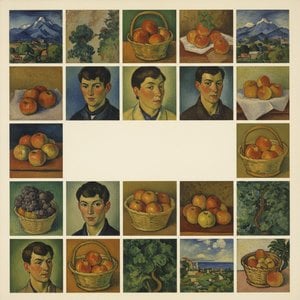
Paul Cézanne: I 25 Capolavori che Hanno Rivoluzionato l'Arte Moderna | ArtsDot
Esplora i 25 capolavori di Paul Cézanne, il maestro dell'impressionismo e post-impressionismo. Scopri la storia, le tecniche e i colori iconici dietro opere come 'Le grandi bagnanti' e 'Mont Sainte-Victoire'. Trova riproduzioni artistiche di alta qualità per decorare la tua casa su ArtsDot.com.


