


 Anteprima in scala reale
 Invia
Invia Condividi
 Dettagli opera

 Scarica immagine
 Simili
 Radiografia
 Slideshow
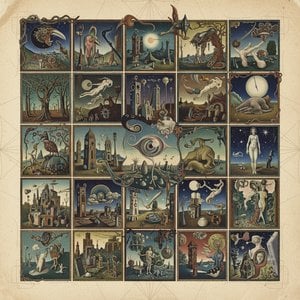
untitled (8854)


 Espandi i dettagli
Giclée / Stampe d'arte
Stampa giclée o su tela di qualità museale, con produzione rapida e diverse opzioni di finitura. ( Acquista il dipinto realizzato a mano Acquista immagine)




P118B $10

P118H $10

P118W $10

P438Z $10

P508JH $12

P508YH $12

P805H $10

P805Z $10

P919BZ $10

P919G $10

P919XJ $10

P959ZH $10

P968JZ $12

W106C $8

W218G $10

W218JH $8

W218Y $10

W307PJ $10

W316G $10

W316PJ $8

W316Y $10

W398PJ $8

W4111J $10

W500HY $15

W500JH $15

W692G $12

W849H $8

W940BG $15

W953PJ $8




Scegli tra le nostre dimensioni predefinite, che rispettano le proporzioni originali dell'opera d'arte.

È possibile inserire dimensioni personalizzate per adattare l'opera a una cornice o a uno spazio specifico. Se la dimensione selezionata non corrisponde alle proporzioni dell'immagine originale, procederemo al ritaglio dell'opera o all'estensione dell'immagine con un bordo specchiato o a tinta unita. Un mockup digitale ti verrà inviato per approvazione prima dell'inizio della produzione.
Si prega di notare che l'anteprima a schermo non riflette il ritaglio o l'estensione effettivi. Solo il mockup mostrerà accuratamente la composizione finale.
Sebbene siano disponibili dimensioni personalizzate, si raccomanda di selezionare una dimensione dall'elenco predefinito per preservare le proporzioni originali.
Consegna in tutto il mondo () in 2 settimane invece delle normali 4/5 settimane. (24 Agosto)

Spedizione espressa gratuita in tutto il mondo

Tela in lino di alta qualità

Assicurazione completa sulla spedizione

Garanzia di rimborso dei dazi doganali

Garanzia di fedeltà cromatica

Politica di reso entro 60 giorni (solo per difetti di fabbricazione)

Garanzia di rimborso al 100%

Offerta per acquisti multipli
 L'opzione vetro è disponibile solo per dimensioni inferiori a 110 cm

untitled (8854)
Giclée / Stampe d'arte
Dimensioni riproduzione
-


Prezzo totale calcolato
$ 62
Descrizione del pezzo
A Surrealist Symphony of Tools: Navigating the Mindscape of Max Ernst
To encounter Max Ernst’s "Untitled (8854)" is to step through a threshold into the labyrinthine corridors of the human subconscious. Created during the height of the Surrealist movement between 1930 and 1936, this enigmatic masterpiece serves as more than just a visual spectacle; it is an invitation to abandon the safety of rational thought and surrender to the beautiful, unsettling logic of dreams. The painting presents a meticulously arranged yet chaotic collection of mechanical devices and implements—most notably a scattered assembly of at least thirteen pairs of scissors that drift through the composition like metallic flora. Alongside these, one finds the sharp edge of a knife, the rhythmic presence of clocks, and the industrial grip of pliers, all suspended in a space where the boundaries between the organic and the mechanical begin to dissolve.
The emotional impact of the work lies in its ability to provoke profound contemplation through a sense of "unsettling fascination." For the collector or interior designer, this piece offers a sophisticated tension; it is at once structured by its subject matter and disrupted by its dreamlike arrangement. There is a haunting quality to the way these everyday objects are stripped of their utility and repurposed as symbols within a psychological landscape. The viewer is left to navigate a world that feels both intimately familiar and utterly alien, making it an ideal centerpiece for spaces that value intellectual depth and avant-garde elegance.
The Alchemy of Technique: Layering Reality and Chance
Ernst’s mastery is found in his radical rejection of academic tradition in favor of automatism—a method designed to bypass conscious control and allow the primal impulses of the psyche to guide the brush. In "Untitled (8854)," this is achieved through a breathtakingly complex collage technique. Ernst did not merely paint; he constructed layers of reality by applying meticulously crafted oil paints over printed paper fragments. This deliberate juxtaposition creates a tactile visual tension, where the smooth, luminous pigment clashes against the rough, textured grain of the underlying paper. Through masterful blending and delicate hatching, Ernst achieves subtle gradations of tone that lend a three-dimensional weight to the floating objects, making the impossible seem tangibly present.
This technique mirrors the very essence of the Surrealist philosophy: the fragmentation of reality to reveal a deeper truth. By utilizing textures that suggest both decay and precision, Ernst creates a sense of depth that draws the eye into the painting's many layers. For those seeking a high-quality reproduction, capturing these subtle gradations and the interplay of light on different surfaces is essential to preserving the artwork's transformative power. The piece does not merely sit upon a wall; it breathes with the restless energy of a dream, offering a window into a universe where the laws of physics are replaced by the laws of desire and memory.
Historical Echoes: Freud, Dada, and the Fragmented Self
The historical context of "Untitled (8854)" is inextricably linked to the seismic shifts in early 20th-century thought, particularly the groundbreaking psychoanalytic theories of Sigmund Freud. As a pioneer who emerged from the anarchic spirit of the Dada movement, Ernst used his art to respond to a world fractured by industrialization and war. The painting’s focus on tools—objects of precision, cutting, and measurement—can be seen as a commentary on the human attempt to impose order upon the chaotic impulses of the unconscious. The scissors, capable of both creation and destruction, serve as potent symbols of the dual nature of the human mind: its capacity for rational thought and its descent into irrationality.
In an era of rapid technological change, Ernst’s ability to find meaning in the irrational remains profoundly relevant. This artwork stands as a testament to a period when artists sought to liberate expression from the constraints of logic, seeking instead to tap into the primal imagery of the human psyche. Owning or displaying a reproduction of this work is an engagement with art history itself—a way to bring the revolutionary spirit of the Surrealist era into a modern setting, providing a constant source of intellectual stimulation and aesthetic wonder.
Opere simili


Biografia dell'artista
Max Ernst: Una Vita nel Surrealismo
Primi Anni di Vita ed Educazione
- Nato il: 1° aprile 1891, a Brühl, Germania.
- Il padre di Ernst, Philipp Ernst, era un insegnante dei sordi e pittore dilettante, favorendo fin dalla giovane età l'interesse di Max per l'arte.
- Ha studiato filosofia, storia dell’arte, letteratura, psicologia e psichiatria all’Università di Bonn dal 1909.
- Questo background accademico diversificato ha profondamente influenzato le sue successive esplorazioni artistiche.
Sviluppo Artistico e Influenze
- Un momento cruciale è stata l’esposizione Sonderbund a Colonia (1912), dove ha incontrato opere di Pablo Picasso, Vincent van Gogh, e Paul Gauguin.
- Nel 1914 ha conosciuto Hans Arp, iniziando un’amicizia che dura tutta la vita e che ha segnato significativamente il suo percorso artistico.
- La Prima Guerra Mondiale ha avuto un profondo impatto su Ernst; le sue esperienze come soldato hanno portato a disillusione e una visione critica della società.
- È stato influenzato dalle opere di Sigmund Freud, esplorando temi della mente inconscia nella sua arte.
Dada & Surrealismo
- Ernst è diventato una figura chiave del gruppo Dada di Colonia dopo la Prima Guerra Mondiale, rifiutando le convenzioni artistiche tradizionali.
- Ha pionierizzato tecniche innovative come frottage (sfregamento di matite su superfici testurizzate) e grattage (raschiatura della pittura per rivelare gli strati sottostanti).
- Negli anni ’20 è entrato nel movimento Surrealista a Parigi, collaborando con artisti come Paul Éluard.
- Il suo lavoro di questo periodo ha esplorato immagini oniriche e temi psicologici.
Opere Principali e Tecniche
- Frottage: Una tecnica utilizzata per creare texture e immagini inaspettate, esemplificata in molte delle sue opere.
- Collage: Ernst ha spesso impiegato il collage, combinando elementi disparati per creare composizioni surrealiste.
- Opere Notevoli:
- La Città Intera
- Euclides
- Di Questo Nessuno Dovrà Sapere
- Foresta e Colomba
- I suoi dipinti spesso presentano immagini simboliche, tra cui uccelli (in particolare il suo alter ego Loplop), paesaggi e giustapposizioni inquietanti.
Vita Successiva & Eredità
- Ernst si è trasferito negli Stati Uniti durante la Seconda Guerra Mondiale, continuando a dipingere ed sperimentare nuove tecniche.
- È tornato in Francia dopo la guerra e è rimasto attivo fino alla sua morte il 1° aprile 1976, a Parigi.
- Significato Storico: I contributi di Max Ernst a Dada e Surrealismo sono stati rivoluzionari. Ha sfidato le norme artistiche, ha esplorato la mente inconscia e ha inventato tecniche innovative che continuano a ispirare gli artisti oggi.
- Resta uno dei personaggi più importanti e influenti del 20° secolo d’arte.

Max Ernst
1891 - 1976 , Germania
Dati rapidi
- Artisti Che Hanno Influenzato Questo Artista:
- Pablo Picasso
- Vincent van Gogh
- Paul Gauguin
- Sigmund Freud
- Data Di Morte: 1 aprile 1976
- Data Di Nascita: 1 aprile 1891
- Luogo Di Nascita: Brühl, Germania
- Movimento Artistico: Dada e Surrealismo
- Nazionalità: Tedesca
- Nome Completo: Max Ernst
- Opere Notevoli:
- La Città Intera
- Euclides
- Foresta e Colomba
- L'Elefante di Celebes
Articoli correlati
Max Ernst: I 25 Capolavori che Rivoluzionarono l'Arte Moderna | ArtsDot
Esplora i 25 capolavori di Max Ernst, pioniere del Surrealismo. Scopri la storia, le tecniche e il simbolismo dietro ogni opera iconica. Trova riproduzioni arte su tela di alta qualità per decorare casa con ArtsDot.com.

Dreamscapes & Disrupted Realities: Exploring Surrealism's Enduring Influence
Explore the fascinating world of Surrealism! Discover its origins, key artists like Dalí & Magritte, and enduring influence on art & culture. Expert insights & high-quality reproductions at ArtsDot.

I 10 Capolavori Surrealisti che Hanno Definito un Movimento Artistico | ArtsDot
Esplora i 10 capolavori del Surrealismo con ArtsDot.com! Scopri le storie di Dalí, Magritte e altri maestri, il simbolismo nascosto e l'impatto di questo movimento artistico rivoluzionario. Quadri surrealisti per la tua casa: acquista stampe d'arte di alta qualità online. Scopri tutte le opere su W

Surrealismo: 10 Capolavori che Hanno Definito un Movimento Artistico | .it
Esplora i 10 capolavori del Surrealismo con .it! Scopri le storie di Dalí, Magritte e Miró, simbolismo e colori che hanno rivoluzionato l'arte. Stampe d'arte di alta qualità per la tua casa. Esplora la collezione online!

Beyond Reality's Grasp: Exploring the Philosophical Foundations of Surrealism
Explore the philosophical roots & artistic innovations of Surrealism with ArtsDot. Discover Dalí, Ernst, Delvaux & Freud's influence on this revolutionary movement. High-quality art reproductions available.



