


 Anteprima in scala reale
 Condividi
 Condividi
 Dettagli
 Guida stampabile

 Scarica
 Articoli simili
 Radiografia
 Slideshow
 Statistiche
untitled (3545)


 Leggi tutto
Riproduzione a olio fatta a mano
Olio su tela dipinto a mano nelle tue dimensioni e con la tua cornice, realizzato su ordinazione dai nostri artisti. ( Passa alle stampe Passa all'immagine digitale)




P118B €10

P118H €10

P118W €10

P438Z €10

P508JH €12

P508YH €12

P805H €10

P805Z €10

P919BZ €10

P919G €10

P919XJ €10

P959ZH €10

P968JZ €12

W106C €8

W218G €10

W218JH €8

W218Y €10

W307PJ €10

W316G €10

W316PJ €8

W316Y €10

W398PJ €8

W4111J €10

W500HY €15

W500JH €15

W692G €12

W849H €8

W940BG €15

W953PJ €8




Scegli tra le nostre dimensioni predefinite, che rispettano le proporzioni originali dell'opera d'arte.

È possibile inserire dimensioni personalizzate per adattare l'opera a una cornice o a uno spazio specifico. Se la dimensione selezionata non corrisponde alle proporzioni dell'immagine originale, provvederemo a ritagliare l'opera o a estendere il dipinto con elementi aggiuntivi dipinti a mano. Un mockup digitale ti sarà inviato per approvazione prima dell'inizio della produzione.
Si prega di notare che l'anteprima a schermo non riflette il ritaglio o l'estensione effettivi. Solo il mockup mostrerà accuratamente la composizione finale.
Sebbene siano disponibili dimensioni personalizzate, consigliamo di selezionare una dimensione dall'elenco predefinito per preservare le proporzioni originali.
Dopo l'ordine, il team di ArtsDot.com contatterà il cliente via e-mail per ricevere le istruzioni e fornirà un'anteprima del mockup
Consegna in tutto il mondo () in 3/4 settimane anziché nelle normali 5 settimane. (6 Ottobre). Nessun compromesso sulla qualità.

Spedizione espressa gratuita in tutto il mondo

Tela in lino di alta qualità

Assicurazione completa sulla spedizione

Garanzia di rimborso dei dazi doganali

Garanzia di perfetta fedeltà cromatica

Politica di reso entro 100 giorni (solo per difetti di fabbricazione)

Garanzia di rimborso al 100%

Sconto per acquisti multipli
 L'opzione vetro è disponibile solo per dimensioni inferiori a 110 cm

untitled (3545)
Tecnica di riproduzione
Dimensioni della riproduzione
-


Prezzo totale
€ 226
The Enigmatic Red and Yellow
Max Ernst’s “Untitled (3545)” is not merely a painting; it's an invitation into the subconscious, a fleeting glimpse of a dreamscape rendered in stark simplicity. The composition immediately arrests the eye – a dominant field of deep red, pulsating with an almost palpable energy, punctuated by a single, luminous yellow circle at its center. This circle, ambiguous in its form, simultaneously suggests both a radiant sun and a serene moon, shifting subtly depending on the viewer’s perspective. The subtle presence of two smaller circles near the upper left corner adds to this sense of layered meaning, hinting at celestial bodies or perhaps even watchful eyes observing from beyond.
Ernst, a pivotal figure in the Surrealist movement, deliberately eschewed traditional artistic conventions, seeking instead to tap into the raw power of intuition and automatic processes. This work exemplifies his fascination with chance, memory, and the irrational – elements he skillfully integrated into his distinctive visual language. The painting’s starkness is deceptive; beneath its apparent simplicity lies a complex web of associations waiting to be deciphered.
A Pioneer of Surrealist Techniques
Born in Brühl, Germany, in 1891, Max Ernst's artistic journey was one of relentless experimentation. He wasn’t confined by academic rules but instead forged his own path, developing groundbreaking techniques that would become hallmarks of the Surrealist movement. “Untitled (3545)” showcases elements of this innovative approach. The bold red background, for instance, isn’t simply a color choice; it's likely achieved through layering and scraping – a technique Ernst famously employed, known as ‘grattage,’ to reveal underlying textures and create unexpected visual effects. His use of collage, particularly in his early work, also informed this piece, suggesting the juxtaposition of disparate elements that is central to Surrealist thought.
- Frottage: Ernst’s signature technique of rubbing a pencil over textured surfaces – wood grain, fabric, or even leaves – onto paper. This process creates ghostly impressions and introduces an element of chance into the composition, as the resulting image is often unpredictable.
- Collage Elements: The painting subtly hints at collage techniques through its layered appearance and the potential for unexpected juxtapositions, echoing Ernst’s broader exploration of found imagery and assemblage.
Symbolism and Psychological Depth
The symbolism within “Untitled (3545)” is deliberately open to interpretation. The red, often associated with passion, danger, or primal energy, immediately establishes a powerful emotional tone. The yellow circle, representing the sun or moon, can be seen as a symbol of illumination, transformation, or even the cyclical nature of time and consciousness – key themes within Surrealism. Considering Ernst’s interest in psychology and his exploration of dreams and the unconscious mind, this painting likely functions as a visual manifestation of internal states.
Furthermore, the placement of the smaller circles suggests a sense of observation or perhaps even surveillance. They could represent watchful eyes, reflecting Ernst's own anxieties about societal control and the intrusion of external forces into the individual psyche. The overall effect is one of quiet contemplation, inviting the viewer to project their own interpretations onto this enigmatic work.
Bringing Surrealism Home
ArtsDot offers meticulously crafted hand-painted reproductions of Max Ernst’s “Untitled (3545),” allowing you to experience the depth and complexity of this iconic artwork in stunning detail. Each reproduction is created by skilled artists who understand the nuances of Ernst's technique, ensuring an authentic representation of his vision. Whether displayed as a striking centerpiece or incorporated into a broader interior design scheme, this piece will undoubtedly spark conversation and evoke the captivating spirit of Surrealism. Explore our collection today and bring a touch of artistic mystery to your space.
Domande e risposte
Esistono opere simili a "untitled (3545)"?
Le opere simili a "untitled (3545)" di Max Ernst sono raccolte nella pagina Opere simili dell'opera.
In che modo "untitled (3545)" di Max Ernst collega Surrealism al paese d'origine dell'artista?
"untitled (3545)" connette il movimento Surrealism con Germania attraverso il luogo di nascita del suo creatore.
Come posso acquistare una stampa di "untitled (3545)" di Max Ernst?
È possibile ordinare una stampa di "untitled (3545)" di Max Ernst direttamente su questa pagina: una stampa fine art su tela di cotone o carta canvas d'archivio.
Chi è l'artista dietro "untitled (3545)"?
L'artista che ha creato "untitled (3545)" è Max Ernst. L'opera è catalogata sotto il nome di Max Ernst.
Chi vende copie dipinte a mano di "untitled (3545)" di Max Ernst?
Puoi ordinare una riproduzione dipinta a mano di "untitled (3545)" di Max Ernst direttamente su questa pagina: una riproduzione a olio dipinta a mano su tela di lino, realizzata su ordinazione.
Che atmosfera conferisce "untitled (3545)" di Max Ernst a un ambiente?
Con la sua atmosfera Mystical, "untitled (3545)" è ideale per Living Room.
Qual è la luminosità di "untitled (3545)" di Max Ernst?
La luminanza rilevata per "untitled (3545)" di Max Ernst è Soft Shadow.
Opere correlate


Biografia dell'artista
Max Ernst: Una Vita nel Surrealismo
Primi Anni di Vita ed Educazione
- Nato il: 1° aprile 1891, a Brühl, Germania.
- Il padre di Ernst, Philipp Ernst, era un insegnante dei sordi e pittore dilettante, favorendo fin dalla giovane età l'interesse di Max per l'arte.
- Ha studiato filosofia, storia dell’arte, letteratura, psicologia e psichiatria all’Università di Bonn dal 1909.
- Questo background accademico diversificato ha profondamente influenzato le sue successive esplorazioni artistiche.
Sviluppo Artistico e Influenze
- Un momento cruciale è stata l’esposizione Sonderbund a Colonia (1912), dove ha incontrato opere di Pablo Picasso, Vincent van Gogh, e Paul Gauguin.
- Nel 1914 ha conosciuto Hans Arp, iniziando un’amicizia che dura tutta la vita e che ha segnato significativamente il suo percorso artistico.
- La Prima Guerra Mondiale ha avuto un profondo impatto su Ernst; le sue esperienze come soldato hanno portato a disillusione e una visione critica della società.
- È stato influenzato dalle opere di Sigmund Freud, esplorando temi della mente inconscia nella sua arte.
Dada & Surrealismo
- Ernst è diventato una figura chiave del gruppo Dada di Colonia dopo la Prima Guerra Mondiale, rifiutando le convenzioni artistiche tradizionali.
- Ha pionierizzato tecniche innovative come frottage (sfregamento di matite su superfici testurizzate) e grattage (raschiatura della pittura per rivelare gli strati sottostanti).
- Negli anni ’20 è entrato nel movimento Surrealista a Parigi, collaborando con artisti come Paul Éluard.
- Il suo lavoro di questo periodo ha esplorato immagini oniriche e temi psicologici.
Opere Principali e Tecniche
- Frottage: Una tecnica utilizzata per creare texture e immagini inaspettate, esemplificata in molte delle sue opere.
- Collage: Ernst ha spesso impiegato il collage, combinando elementi disparati per creare composizioni surrealiste.
- Opere Notevoli:
- La Città Intera
- Euclides
- Di Questo Nessuno Dovrà Sapere
- Foresta e Colomba
- I suoi dipinti spesso presentano immagini simboliche, tra cui uccelli (in particolare il suo alter ego Loplop), paesaggi e giustapposizioni inquietanti.
Vita Successiva & Eredità
- Ernst si è trasferito negli Stati Uniti durante la Seconda Guerra Mondiale, continuando a dipingere ed sperimentare nuove tecniche.
- È tornato in Francia dopo la guerra e è rimasto attivo fino alla sua morte il 1° aprile 1976, a Parigi.
- Significato Storico: I contributi di Max Ernst a Dada e Surrealismo sono stati rivoluzionari. Ha sfidato le norme artistiche, ha esplorato la mente inconscia e ha inventato tecniche innovative che continuano a ispirare gli artisti oggi.
- Resta uno dei personaggi più importanti e influenti del 20° secolo d’arte.

Max Ernst
1891 - 1976 , Germania
Informazioni rapide
- Artisti Che Hanno Influenzato Questo Artista:
- Pablo Picasso
- Vincent van Gogh
- Paul Gauguin
- Sigmund Freud
- Data Di Morte: 1 aprile 1976
- Data Di Nascita: 1 aprile 1891
- Luogo Di Nascita: Brühl, Germania
- Movimento Artistico: Dada e Surrealismo
- Nazionalità: Tedesca
- Nome Completo: Max Ernst
- Opere Notevoli:
- La Città Intera
- Euclides
- Foresta e Colomba
- L'Elefante di Celebes
Articoli correlati
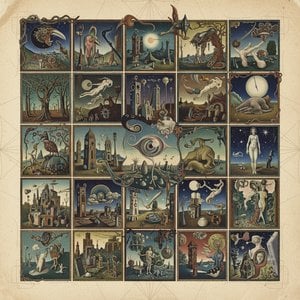
Max Ernst: I 25 Capolavori che Rivoluzionarono l'Arte Moderna | ArtsDot
Esplora i 25 capolavori di Max Ernst, pioniere del Surrealismo. Scopri la storia, le tecniche e il simbolismo dietro ogni opera iconica. Trova riproduzioni arte su tela di alta qualità per decorare casa con ArtsDot.com.
Crimson Threads of Narrative: Exploring Symbolism & Representation in Artworks Featuring the Red Dress
Explore the rich symbolism of the red dress in art history! From ancient power displays to iconic portraits like Cézanne’s 'Madame Cezanne', discover the cultural and artistic significance behind this captivating color. Expert analysis & insights.
I 10 Dipinti Più Famosi Dominati dal Giallo Ocra: Arte e Decorazioni Raffinate
Esplora i 10 dipinti più iconici dominati dal giallo ocra! Scopri la storia di Van Gogh, Monet e altri maestri. Trova riproduzioni d'arte di alta qualità per decorare casa con stile su .

The Golden Hue: Exploring Symbolism & Emotion in Yellow Art
Explore the rich symbolism & emotional power of yellow in art history! From Van Gogh to Kandinsky, discover how artists used this vibrant hue. Expert analysis & high-quality reproductions at ArtsDot.
I 10 Dipinti Più Famosi Inondati di Giallo Cromatico: Arte e Decorazioni Raffinate
Esplora i 10 dipinti più iconici dominati dal giallo cromatico! Van Gogh, Monet e altri maestri celebrano questo colore vibrante. Scopri storie, tecniche e acquista stampe di alta qualità su ArtsDot.com.


