


 Anteprima in scala reale
 Condividi
 Condividi
 Dettagli
 Guida stampabile

 Scarica
 Articoli simili
 Radiografia
 Slideshow
 Statistiche
Forêt et soleil


 Leggi tutto
Giclée / Stampe d'arte
Stampa giclée o su tela di qualità museale, con produzione rapida e diverse opzioni di finitura. ( Ordina la riproduzione dipinta a mano Passa all'immagine digitale)




P118B $10

P118H $10

P118W $10

P438Z $10

P508JH $12

P508YH $12

P805H $10

P805Z $10

P919BZ $10

P919G $10

P919XJ $10

P959ZH $10

P968JZ $12

W106C $8

W218G $10

W218JH $8

W218Y $10

W307PJ $10

W316G $10

W316PJ $8

W316Y $10

W398PJ $8

W4111J $10

W500HY $15

W500JH $15

W692G $12

W849H $8

W940BG $15

W953PJ $8




Scegli tra le nostre dimensioni predefinite, che rispettano le proporzioni originali dell'opera d'arte.

È possibile inserire dimensioni personalizzate per adattare l'opera a una cornice o a uno spazio specifico. Se la dimensione selezionata non corrisponde alle proporzioni dell'immagine originale, procederemo al ritaglio dell'opera o all'estensione dell'immagine con un bordo specchiato o a tinta unita. Un mockup digitale ti verrà inviato per approvazione prima dell'inizio della produzione.
Si prega di notare che l'anteprima a schermo non riflette il ritaglio o l'estensione effettivi. Solo il mockup mostrerà accuratamente la composizione finale.
Sebbene siano disponibili dimensioni personalizzate, si raccomanda di selezionare una dimensione dall'elenco predefinito per preservare le proporzioni originali.
Consegna in tutto il mondo () in 2 settimane invece delle normali 4/5 settimane. (25 Settembre)

Spedizione espressa gratuita in tutto il mondo

Tela in lino di alta qualità

Assicurazione completa sulla spedizione

Garanzia di rimborso dei dazi doganali

Garanzia di perfetta fedeltà cromatica

Politica di reso entro 100 giorni (solo per difetti di fabbricazione)

Garanzia di rimborso al 100%

Sconto per acquisti multipli
 L'opzione vetro è disponibile solo per dimensioni inferiori a 110 cm

Forêt et soleil
Giclée / Stampe d'arte
Dimensioni della riproduzione
-


Prezzo totale
$ 62
Max Ernst's "Forêt et Soleil": A Nocturne of Surreal Reverie
Max Ernst’s “Forêt et Soleil” (Forest and Sun) is not merely a depiction of a nighttime woodland; it’s an immersion into the subconscious, a carefully constructed dreamscape rendered with the precision and unsettling beauty that defined the artist's career. Painted by one of the most influential figures of the 20th century, this work exemplifies Ernst’s deep engagement with Surrealism, a movement he helped pioneer, seeking to unlock the power of the irrational and the symbolic through art.
- Subject Matter: The painting presents a dense forest under the watchful gaze of a luminous moon. The composition is dominated by towering trees, their forms distorted and imbued with an almost hallucinatory quality. A solitary bird perches on one of these branches, adding a touch of fragile life to the otherwise stark and silent scene.
- Style & Technique: Ernst’s technique is characterized by meticulous detail combined with deliberate ambiguity. He employs a layered approach, building up textures and patterns through multiple applications of paint – a hallmark of his process. The use of contrasting light and shadow creates a dramatic effect, emphasizing the surreal nature of the forest and heightening the sense of mystery.
- Historical Context: “Forêt et Soleil” was created during a period of intense artistic experimentation following World War I. The devastation and disillusionment of the war profoundly impacted artists like Ernst, leading them to reject traditional representational art in favor of exploring themes of anxiety, trauma, and the unconscious mind. Surrealism emerged as a direct response to this crisis, offering a new way of seeing and understanding the world.
Symbolic Layers: The Language of Dreams
Ernst’s work is rich in symbolism, drawing heavily on Freudian psychology and the exploration of dreams. The forest itself represents the unconscious mind – dark, dense, and full of hidden pathways. The moon, a recurring motif in Ernst's oeuvre, symbolizes intuition, the feminine principle, and the cyclical nature of time. Its bright illumination cuts through the darkness, suggesting a glimmer of hope or understanding within the depths of the psyche.
- The Trees: The distorted shapes of the trees are not literal representations but rather symbolic embodiments of repressed emotions and anxieties. Their patterns could be interpreted as visual metaphors for complex psychological states.
- The Bird: The solitary bird, a frequent element in Ernst’s work, often represents fragility, vulnerability, or perhaps a yearning for freedom within the confines of the unconscious.
Max Ernst's Artistic Philosophy
Born in Brühl, Germany, in 1891, Max Ernst was a profoundly intellectual artist. His academic background – encompassing philosophy, art history, literature, psychology, and psychiatry – informed his artistic practice in a unique way. He wasn’t simply interested in replicating what he saw; he sought to access deeper truths through the manipulation of form and imagery. This approach is vividly evident in “Forêt et Soleil,” where Ernst uses visual language to evoke emotional responses and stimulate the viewer's own subconscious.
- Surrealist Techniques: Ernst was a master of various Surrealist techniques, including frottage (rubbing textures onto paper) and decalcomania (spreading paint on a surface and then lifting it to create random patterns). These methods allowed him to tap into the unconscious and generate unexpected imagery.
- Influence of Dada: Ernst’s early work was influenced by Dada, another anti-art movement that challenged traditional notions of beauty and meaning. This influence can be seen in his willingness to embrace absurdity and reject conventional artistic norms.
Emotional Impact & Artistic Value
"Forêt et Soleil" possesses a haunting beauty that transcends its subject matter. The painting’s unsettling atmosphere, combined with Ernst's masterful technique, creates a powerful emotional response in the viewer. It invites contemplation on themes of isolation, mystery, and the hidden depths of the human psyche. This reproduction offers an exceptional opportunity to own a piece of art history, bringing the visionary world of Max Ernst into your space.
Opere correlate


Biografia dell'artista
Max Ernst: Una Vita nel Surrealismo
Primi Anni di Vita ed Educazione
- Nato il: 1° aprile 1891, a Brühl, Germania.
- Il padre di Ernst, Philipp Ernst, era un insegnante dei sordi e pittore dilettante, favorendo fin dalla giovane età l'interesse di Max per l'arte.
- Ha studiato filosofia, storia dell’arte, letteratura, psicologia e psichiatria all’Università di Bonn dal 1909.
- Questo background accademico diversificato ha profondamente influenzato le sue successive esplorazioni artistiche.
Sviluppo Artistico e Influenze
- Un momento cruciale è stata l’esposizione Sonderbund a Colonia (1912), dove ha incontrato opere di Pablo Picasso, Vincent van Gogh, e Paul Gauguin.
- Nel 1914 ha conosciuto Hans Arp, iniziando un’amicizia che dura tutta la vita e che ha segnato significativamente il suo percorso artistico.
- La Prima Guerra Mondiale ha avuto un profondo impatto su Ernst; le sue esperienze come soldato hanno portato a disillusione e una visione critica della società.
- È stato influenzato dalle opere di Sigmund Freud, esplorando temi della mente inconscia nella sua arte.
Dada & Surrealismo
- Ernst è diventato una figura chiave del gruppo Dada di Colonia dopo la Prima Guerra Mondiale, rifiutando le convenzioni artistiche tradizionali.
- Ha pionierizzato tecniche innovative come frottage (sfregamento di matite su superfici testurizzate) e grattage (raschiatura della pittura per rivelare gli strati sottostanti).
- Negli anni ’20 è entrato nel movimento Surrealista a Parigi, collaborando con artisti come Paul Éluard.
- Il suo lavoro di questo periodo ha esplorato immagini oniriche e temi psicologici.
Opere Principali e Tecniche
- Frottage: Una tecnica utilizzata per creare texture e immagini inaspettate, esemplificata in molte delle sue opere.
- Collage: Ernst ha spesso impiegato il collage, combinando elementi disparati per creare composizioni surrealiste.
- Opere Notevoli:
- La Città Intera
- Euclides
- Di Questo Nessuno Dovrà Sapere
- Foresta e Colomba
- I suoi dipinti spesso presentano immagini simboliche, tra cui uccelli (in particolare il suo alter ego Loplop), paesaggi e giustapposizioni inquietanti.
Vita Successiva & Eredità
- Ernst si è trasferito negli Stati Uniti durante la Seconda Guerra Mondiale, continuando a dipingere ed sperimentare nuove tecniche.
- È tornato in Francia dopo la guerra e è rimasto attivo fino alla sua morte il 1° aprile 1976, a Parigi.
- Significato Storico: I contributi di Max Ernst a Dada e Surrealismo sono stati rivoluzionari. Ha sfidato le norme artistiche, ha esplorato la mente inconscia e ha inventato tecniche innovative che continuano a ispirare gli artisti oggi.
- Resta uno dei personaggi più importanti e influenti del 20° secolo d’arte.

Max Ernst
1891 - 1976 , Germania
Informazioni rapide
- Artisti Che Hanno Influenzato Questo Artista:
- Pablo Picasso
- Vincent van Gogh
- Paul Gauguin
- Sigmund Freud
- Data Di Morte: 1 aprile 1976
- Data Di Nascita: 1 aprile 1891
- Luogo Di Nascita: Brühl, Germania
- Movimento Artistico: Dada e Surrealismo
- Nazionalità: Tedesca
- Nome Completo: Max Ernst
- Opere Notevoli:
- La Città Intera
- Euclides
- Foresta e Colomba
- L'Elefante di Celebes
Articoli correlati

I 10 Capolavori del Paesaggio Romantico: Arte, Storia e Decorazioni di Lusso
Esplora i 10 capolavori del Paesaggio Romantico con ArtsDot.com! Caspar David Friedrich, Turner e altri maestri: storia, tecnica e colori che definiscono un'epoca. Trova riproduzioni d'arte di lusso per la tua casa. Scopri la collezione completa online!

John Constable: I 25 Capolavori che Celebrano la Bellezza della Campagna Inglese
Esplora i 25 capolavori di John Constable, il maestro del Romanticismo inglese. Paesaggi suggestivi, luce naturale e colori vibranti ti aspettano. Acquista riproduzioni d'arte di alta qualità su ArtsDot.com e porta la bellezza della campagna inglese nella tua casa.
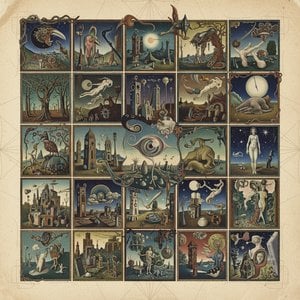
Max Ernst: I 25 Capolavori che Rivoluzionarono l'Arte Moderna | ArtsDot
Esplora i 25 capolavori di Max Ernst, pioniere del Surrealismo. Scopri la storia, le tecniche e il simbolismo dietro ogni opera iconica. Trova riproduzioni arte su tela di alta qualità per decorare casa con ArtsDot.com.

Evocations of Place: A Historical Journey Through Landscape Art
Explore the rich history of landscape art with ArtsDot. Discover renowned artists, movements like Impressionism & Romanticism, and expert guidance for collecting timeless pieces. Find your perfect serene escape today!

The Enchanted Canopy: Exploring Forests in Art History – From Romantic Idealization to Ecological Consciousness
Explore the rich history of forests in art! Discover Romantic masterpieces by Friedrich & Monet, Symbolist depths, and contemporary visions. Find inspiration & quality reproductions at ArtsDot.


