


 Anteprima in scala reale
 Condividi
 Condividi
 Dettagli
 Guida stampabile

 Scarica
 Articoli simili
 Radiografia
 Slideshow
 Statistiche
Bird's hell


 Leggi tutto
Riproduzione a olio fatta a mano
Olio su tela dipinto a mano nelle tue dimensioni e con la tua cornice, realizzato su ordinazione dai nostri artisti. ( Passa alle stampe Passa all'immagine digitale)




P118B €10

P118H €10

P118W €10

P438Z €10

P508JH €12

P508YH €12

P805H €10

P805Z €10

P919BZ €10

P919G €10

P919XJ €10

P959ZH €10

P968JZ €12

W106C €8

W218G €10

W218JH €8

W218Y €10

W307PJ €10

W316G €10

W316PJ €8

W316Y €10

W398PJ €8

W4111J €10

W500HY €15

W500JH €15

W692G €12

W849H €8

W940BG €15

W953PJ €8




Scegli tra le nostre dimensioni predefinite, che rispettano le proporzioni originali dell'opera d'arte.

È possibile inserire dimensioni personalizzate per adattare l'opera a una cornice o a uno spazio specifico. Se la dimensione selezionata non corrisponde alle proporzioni dell'immagine originale, provvederemo a ritagliare l'opera o a estendere il dipinto con elementi aggiuntivi dipinti a mano. Un mockup digitale ti sarà inviato per approvazione prima dell'inizio della produzione.
Si prega di notare che l'anteprima a schermo non riflette il ritaglio o l'estensione effettivi. Solo il mockup mostrerà accuratamente la composizione finale.
Sebbene siano disponibili dimensioni personalizzate, consigliamo di selezionare una dimensione dall'elenco predefinito per preservare le proporzioni originali.
Dopo l'ordine, il team di ArtsDot.com contatterà il cliente via e-mail per ricevere le istruzioni e fornirà un'anteprima del mockup
Consegna in tutto il mondo () in 3/4 settimane anziché nelle normali 5 settimane. (2 Ottobre). Nessun compromesso sulla qualità.

Spedizione espressa gratuita in tutto il mondo

Tela in lino di alta qualità

Assicurazione completa sulla spedizione

Garanzia di rimborso dei dazi doganali

Garanzia di perfetta fedeltà cromatica

Politica di reso entro 100 giorni (solo per difetti di fabbricazione)

Garanzia di rimborso al 100%

Sconto per acquisti multipli
 L'opzione vetro è disponibile solo per dimensioni inferiori a 110 cm

Bird's hell
Tecnica di riproduzione
Dimensioni della riproduzione
-


Prezzo totale
€ 226
A Symphony of Chaos: Exploring Max Beckmann's "Bird's Hell"
To stand before Max Beckmann’s Bird's Hell is not merely to observe a painting; it is to be enveloped by an atmosphere—a vibrant, unsettling confluence of human drama and avian frenzy. This masterpiece from 1938 captures a moment suspended in time, yet vibrating with palpable energy. The scene unfolds within what appears to be an over-furnished, almost claustrophobic interior space. It is a tableau vivant of disarray, where the mundane objects of daily life—bowls, cups, bottles, and vases—seem to have accumulated until they form part of the very psychological landscape.
The sheer density of figures is breathtaking. Dozens of people are interwoven into the composition, some engaged in quiet contemplation, others caught mid-gesture, creating a sense of collective, yet individualized, turmoil. This teeming humanity, coupled with the riotous presence of numerous birds fluttering and perching everywhere, transforms the room into something mythic and deeply unsettling. It speaks to an overstimulation, a sensory overload that mirrors the anxieties of the era in which it was conceived.
Style, Technique, and Beckmann's Vision
Beckmann’s technique here is masterful in its ability to convey both meticulous detail and utter chaos. While his early work might have leaned toward academic precision, Bird's Hell showcases a mature style that channels the distorted energy of modernism. His influences—from the stained-glass narratives of medieval art to the emotional depth of Van Gogh—are visible in how he renders light and shadow across the cluttered surfaces. The application of paint is rich, giving weight to every discarded object while allowing the movement of the birds to suggest an almost ephemeral quality.
The composition itself is a masterclass in controlled pandemonium. Nothing feels accidental; every scattered item, every entangled limb, contributes to a narrative tension that pulls the viewer deeper into its depths. For those considering bringing this powerful aesthetic home through a reproduction, understanding this balance between meticulous rendering and emotional abandon is key—it promises drama without sacrificing artistic integrity.
Symbolism of Disorder and Humanity
The symbolism within Bird's Hell is notoriously rich and open to interpretation, which only enhances its enduring power. The birds, often symbols of the spirit or freedom, here seem almost predatory in their numbers, adding a layer of wildness to the human predicament. Coupled with the sheer accumulation of domestic clutter—the bowls, the cups—the painting suggests a critique of modern existence itself: a life so saturated with material possessions and social interaction that it verges on collapse. It is a meditation on excess, on the beautiful burden of too much being.
The sense of disorder does not equate to meaninglessness; rather, Beckmann elevates this chaos into a profound commentary on the human condition—a place where individual souls struggle against overwhelming societal pressures and sensory input. It invites us to pause our own hurried lives and examine what we are accumulating, both materially and emotionally.
Emotional Resonance for the Modern Collector
For the art lover or interior designer seeking a piece with undeniable narrative weight, Bird's Hell offers an unparalleled emotional anchor. It is not a painting meant to soothe; it is one designed to provoke thought, conversation, and deep introspection. Reproducing this work allows one to harness its dramatic energy within a contemporary setting. Imagine the visual impact of such a complex, emotionally charged piece anchoring a room—it becomes the focal point around which all other design elements must orbit.
Owning or displaying a reproduction of Bird's Hell is an embrace of complexity. It suggests that beauty can be found not just in serene perfection, but within the vibrant, messy, and utterly compelling reality of shared human experience.
Domande e risposte
Quanti anni aveva Max Beckmann quando ha creato "Bird's hell" nel 1938?
Max Beckmann ha realizzato "Bird's hell" all'età di 54. L'artista è nato nel 1884 e l'opera è datata 1938.
Quante persone visualizzano "Bird's hell"?
Esiste una pagina Statistiche per "Bird's hell". Essa illustra le visite mensili dell'opera e delle altre opere dell'artista, con suddivisioni per paese e lingua.
In che anno è stata realizzata l'opera "Bird's hell" di Max Beckmann?
"Bird's hell" risale al 1938. La data colloca l'opera all'interno della carriera di Max Beckmann e della sua epoca.
Chi ha creato "Bird's hell"?
L'artista che ha creato "Bird's hell" è Max Beckmann. L'opera è catalogata sotto il nome di Max Beckmann.
Posso esaminare "Bird's hell" più nel dettaglio?
"Bird's hell" può essere esaminata strato dopo strato nella pagina Raggi X dell'opera, un visualizzatore ispirato al banco luminoso di un restauratore con undici letture ottiche dell'immagine.
Quanto è satura la tavolozza di "Bird's hell"?
I colori di "Bird's hell" di Max Beckmann hanno una saturazione Balanced Soft. La saturazione descrive quanto i colori siano vivaci o attenuati.
In che modo i colori di "Bird's hell" di Max Beckmann si relazionano alla sua emozione?
In "Bird's hell", i colori di Earthy accompagnano una sensazione Tense.
Opere correlate


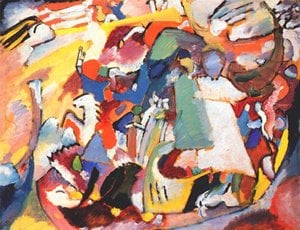


Biografia dell'artista
Primi anni di vita e sviluppo artistico
Max Beckmann, rinomato pittore, disegnatore, incisore, scultore e scrittore tedesco, nacque il 12 febbraio 1884 a Lipsia, in Sassonia. Il suo percorso artistico iniziò con rappresentazioni accademicamente corrette, che successivamente si trasformarono in figure e spazi distorti, riflettendo la sua visione alterata dell'umanità dopo aver prestato servizio come infermiere durante la prima guerra mondiale.Stile artistico e influenze
Lo stile di Beckmann, radicato nell’immaginario delle vetrate medievali, fu influenzato da vari artisti, tra cui Cézanne, Van Gogh, Blake, Rembrandt e Rubens. Trasse ispirazione anche dagli artisti nordici del tardo Medioevo e del primo Rinascimento, come Bosch, Bruegel e Matthias Grünewald.Opere notevoli ed esposizioni
- La Barka (acquisita dalla National Gallery di Berlino)
- Autoritratto in frac (acquistato nel 1928)
- Retrospettive alla Städtische Kunsthalle Mannheim (1928) e a Basilea e Zurigo (1930)
Vita successiva ed esilio
La fortuna di Beckmann cambiò con l'ascesa di Adolf Hitler, che portò al suo licenziamento dalla scuola d'arte di Francoforte e alla confisca di oltre 500 delle sue opere. Visse in autoesilio ad Amsterdam per dieci anni, senza riuscire a ottenere un visto per gli Stati Uniti.Eredità
- Insegnò nelle scuole d'arte della Washington University di St. Louis e del Brooklyn Museum
- La prima retrospettiva negli Stati Uniti ebbe luogo nel 1948 al City Art Museum di Saint Louis
- La Max-Slevogt Galerie, in Germania, espone una collezione delle sue opere
- Nato: 12 febbraio 1884
- Morto: 27 dicembre 1950

Max Beckmann
1884 - 1950 , Germania
Informazioni rapide
- Artisti Influenti:
- Cézanne
- Van Gogh
- Blake
- Rembrandt
- Rubens
- Bosch
- Bruegel
- Matthias Grünewald
- Data Di Nascita: 12 febbraio 1884
- Luogo Di Nascita: Leipzig, Germania
- Movimento Artistico: Espressionismo tedesco
- Nazionalità: Tedesca
- Nome Completo: Max Beckmann
- Opere Notevoli:
- The Bark
- Self-Portrait in Tuxedo
Articoli correlati
Max Ernst: I 25 Capolavori che Rivoluzionarono l'Arte Moderna | ArtsDot
Esplora i 25 capolavori di Max Ernst, pioniere del Surrealismo. Scopri la storia, le tecniche e il simbolismo dietro ogni opera iconica. Trova riproduzioni arte su tela di alta qualità per decorare casa con ArtsDot.com.

Max Beckmann: Navigare il Trauma e la Modernità Attraverso una Lente Distorta
Esplora l'opera di Max Beckmann, maestro dell'Espressionismo tedesco e della Neue Sachlichkeit. Analisi approfondite del suo simbolismo distorto, il contesto storico e consigli per collezionisti esperti.

Giclée Prints: Archival Quality & Aesthetic Nuances for the Discerning Collector
Explore the world of giclée prints with ArtsDot. Learn about archival quality, aesthetic nuances & investment potential. Expert guidance for discerning art collectors seeking museum-quality reproductions and lasting value.

Espressionismo Tedesco: 10 Capolavori Rivoluzionari per Arredare con Emozione
Esplora i 10 capolavori dell'Espressionismo Tedesco con ArtsDot.com! Scopri Kirchner, Munch e Nolde, le loro emozioni intense e tecniche rivoluzionarie. Arreda la tua casa con stampe d'arte di alta qualità. Esplora la collezione online!

The Enduring Legacy of Fine Art Prints: Technique, History & Aesthetic Impact
Explore the rich history & techniques of fine art prints. Discover investment potential, assess authenticity, and learn how to preserve your collection with expert guidance. Trusted insights for discerning collectors.


