


L'immagine segue le tue scelte: , .
Descrizione del reperto
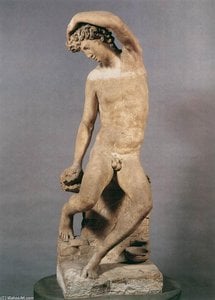
Explore Matteo Civitale’s ‘St Sebastian’ – a poignant 15th-century wood sculpture of Christ's crucifixion. Medieval art, rich texture & symbolism.
Biografia dell'artista
Esplora l'arte di Matteo Civitale (1436-1501), pittore lucchese del Rinascimento. Scopri il genio italiano del primo XVI secolo.
 Espandi i dettagli
Riproduzione a olio fatta a mano
Olio su tela dipinto a mano nelle tue dimensioni e con la tua cornice, realizzato su ordinazione dai nostri artisti. ( Passa alle stampe Passa all'immagine digitale)
Maggiori informazioni su questo dipinto
 Anteprima in scala reale
 Invia
Invia Condividi
 Dettagli opera
 Guida
Guida

 Scarica
 Simili
 Radiografia
 Slideshow
 Domande e risposte
 Statistiche
Ordina il tuo dipinto in quattro semplici passaggi
Prenditi tutto il tempo necessario. Puoi modificare qualsiasi risposta; il prezzo nel tuo carrello si aggiornerà in base a ogni scelta.
1 Primo passaggio di quattro
Quale formato desideri?
Queste dimensioni mantengono le proporzioni del dipinto originale. L'illustrazione mostra la tua scelta su una parete, sopra un divano di due metri.
Oppure inserisci le tue misure personalizzate
Scegli tra le nostre dimensioni predefinite, che rispettano le proporzioni originali dell'opera d'arte.

Inserisci la larghezza e l'altezza desiderate, per adattarle alla tua cornice o alla tua parete. Trattandosi di un'opera dipinta a mano, in caso di dimensioni con un formato differente, l'artista può estendere leggermente il dipinto oltre i bordi dell'immagine o ritagliare una piccola parte — la scelta spetta a te. Ti invieremo un mockup digitale da approvare prima che la realizzazione abbia inizio. L'immagine mostrata in questa pagina non rappresenta il risultato finale — solo il mockup lo fa.
2 Passaggio due di quattro
Come deve essere preparato: arrotolato, teso o incorniciato?
I prezzi riportati di seguito si riferiscono alla dimensione selezionata nella prima fase.
Scegli il tipo di bordo per la tela tesa
Scegli la tua cornice

Bianco €1

Bordi sfumati €1

Bordi estesi €1

P118B €10

P118H €10

P118W €10

P438Z €10

P508JH €12

P508YH €12

P805H €10

P805Z €10

P919BZ €10

P919G €10

P919XJ €10

P959ZH €10

P968JZ €12

W106C €8

W218G €10

W218JH €8

W218Y €10

W307PJ €10

W316G €10

W316PJ €8

W316Y €10

W398PJ €8

W4111J €10

W500HY €15

W500JH €15

W692G €12

W849H €8

W940BG €15

W953PJ €8

H24-GOLD €30

H24-SILVER €30

H36-GOLD €45

H36-SILVER €45
Con cornice
Cornice: . Dimensioni complessive con cornice: .
3 Passaggio tre di quattro
Desideri apportare qualche modifica al dipinto?
La maggior parte delle persone risponde di no. Poiché ogni dipinto è realizzato a mano, il nostro artista può anche adattarlo alle tue esigenze.
Dopo l'ordine, il team di ArtsDot.com invierà un'e-mail al cliente per le istruzioni e fornirà un'anteprima del mockup
4 Quarto passaggio di quattro
Alcune opzioni di finitura
Tutti sono opzionali. Le risposte già selezionate non comportano costi aggiuntivi.
Chi l'ha dipinto?
Consegna in tutto il mondo () in 3/4 settimane anziché nelle normali 5 settimane. (16 Novembre). Nessun compromesso sulla qualità.
Una targhetta, come quella di un museo?
Dettagli della targhetta in bronzo inciso
This elegant plaque features the artist's name and the title of the artwork, finely engraved for a timeless presentation.
It is made from bronze with a refined, elegant finish. The text is precisely laser-engraved for a sharp and permanent result. Measuring 9x2 cm, the plaque is compact yet easy to read. It's built to be durable and scratch-resistant, offering a professional, museum-quality look. Mounting is simple thanks to the included adhesive backing.
Dettagli della targhetta in acrilico trasparente
The plaque includes essential engraved details such as the artist's name, the title of the artwork, the date it was created, the type of media used-like oil on canvas or watercolor-a brief description of the piece, and a QR code that links to the complete artwork information.
It is crafted from clear acrylic, offering a sleek, modern appearance. The text is UV-engraved in black to ensure strong visual contrast. With a size of 10x15 cm, it ensures optimal readability. It comes equipped with two metal hooks for secure wall mounting. The plaque is designed to be weather-resistant, making it suitable for various environments, and it includes interactive features that work seamlessly with smartphone scanning.
Dettagli della targhetta in acrilico nero
This elegant plaque includes engraved information such as the artist's name, the title of the artwork, the date it was created, the type of media used (like oil on canvas or watercolor), a short description of the artwork, and a QR code for quick access to more information.
The plaque itself is made from refined black acrylic with a premium finish. The text is laser-engraved in white for high contrast and readability. Its size is 10x15 cm, designed to be easy to read. It comes with two metal hooks for professional mounting. The design is sleek and fits any interior style. It is also weather-resistant and durable, with built-in digital integration for mobile compatibility.
Una vernice protettiva?
Quando ti serve?
✓ Controlla e ordina
Il tuo dipinto, esattamente come lo hai ordinato

St sebastian
Tecnica di riproduzione
Dimensioni riproduzione
-

Artisti di alto livello
Maggiore dettaglio, finezza e tempi di produzione dedicati
-

Cornice per riproduzione
-
-
Per opere d'arte o riproduzioni con un lato superiore a 105 cm (circa 41 pollici), la cornice verrà spedita in forma di kit smontato. Questo metodo garantisce una consegna sicura e previene danni durante il trasporto.
Montaggio professionale richiesto - non è un prodotto fai-da-te.
Il kit deve essere assemblato e la tela tesa da un esperto cornice professionista, utilizzando colla per legno (non inclusa), una pinza per tendere la tela e morsetti per mantenere i listelli in squadra durante l'asciugatura della colla. Un montaggio errato o una tensione non uniforme della tela possono danneggiare permanentemente l'opera d'arte e non sono coperti dalla nostra garanzia.
 Per opere d'arte o riproduzioni con un lato superiore a 105 cm (circa 41 pollici), la cornice verrà spedita in forma di kit smontato. Questo metodo garantisce una consegna sicura e previene danni durante il trasporto.
Tutte le barre in legno massello sono incluse, tagliate con precisione alle dimensioni corrette.
Da assemblare con le viti fornite e con la colla per legno per gli incastri degli angoli, che non è inclusa e dovrà essere reperita dal vostro corniceio.
Sono necessari strumenti professionali non inclusi: una pinza tendicanvas (tenditore) e dei morsetti per mantenere i listelli in squadra durante l'asciugatura della colla.
Importante:
Gli incastri d'angolo richiedono colla per legno, i listelli devono essere mantenuti in posizione con dei morsetti finché la colla non è completamente asciutta, e il tensionamento della tela sulla cornice assemblata richiede una pinza per tendere la tela. Nessuno di questi strumenti è incluso nel kit. Si prega di consultare un incorniciatore professionista esperto prima di ordinare questa misura.

Didascalia
-
-

Vernice protettiva
Vernice lucida (esalta i colori, protegge da luce e umidità)
-

Personalizza la mia opera
Esempi di personalizzazione: sostituire il volto con una foto del cliente; aggiungere un animale domestico (ad esempio, sostituire un gatto con un cane); inserire un messaggio nascosto nello sfondo; cambiare il paesaggio o gli elementi dello sfondo.
-

Consegna rapida
Consegna in tutto il mondo () in 3/4 settimane anziché nelle normali 5 settimane. (16 Novembre). Nessun compromesso sulla qualità.
-
Spedizione espressa
Spedizione in tutto il mondo () in 5 settimane. (23 Novembre).
Spedizione inclusa
Prezzo finale calcolato
€ 234
L'opzione vetro è disponibile solo per dimensioni inferiori a 110 cm
Incluso in ogni ordine
- Spedizione espressa gratuita in tutto il mondo
- Tela in lino di alta qualità
- Assicurazione completa sulla spedizione
- Garanzia di rimborso dei dazi doganali
- Garanzia di fedeltà cromatica assoluta
- Politica di reso entro 100 giorni (solo per difetti di fabbricazione)
- Garanzia di rimborso al 100%
- Offerta per acquisti multipli


Opere simili




Matteo Civitale
1436 - 1501, Italia
Biografia dell'artista
Lo Spirito Rinascimentale di Lucca: La Vita di Matteo Civitale
Nel cuore del Rinascimento italiano, in mezzo al nascente dinamismo culturale di Lucca, emerse un talento singolare capace di gettare un ponte tra i mondi della pietra e del pigmento. Matteo Civitale (ca. 1436 – 1501) si erge come una profonda testimonianza dello spirito artistico multifaccettico della sua epoca. Sebbene le cronache storiche suggeriscano una vita di sorprendenti transizioni — con alcuni resoconti che ipotizzano persino una carriera come chirurgo prima di dedicarsi interamente allo scalpello — la sua eredità è indelebilmente incisa nel marmo e nel legno del paesaggio toscano. Nato a Lucca il 5 giugno 1436, Civitale divenne una figura artistica di spicco del Primo Rinascimento, incarnando l'ideale umanista del polimata capace di padroneggiare sia la dimensione fisica che quella estetica.
I suoi anni formativi furono plasmati dalle rigorose tradizioni della sua città natale, eppure la sua visione si espanse grazie a un'essenziale formazione a Firenze. Fu lì che incontrò gli stili trasformativi di Antonio Rossellino e Mino da Fiesole, maestri il cui delicato trattamento della forma e la grazia classica avrebbero influenzato profondamente il suo stile maturo. Questa esposizione all'innovazione fiorentina permise a Civitale di infondere nelle sue opere un'eleganza sofisticata che trascendeva i confini locali, fondendo le solide tradizioni dell'artigianato lucchese con la nascente precisione anatomica e la rinascita classica che stava travolgendo l'Italia.
La Maestria della Forma: Scultura e Anima Umana
La vera fama di Civitale risiede nella sua straordinaria capacità di infondere vita alla materia inanimata. Come scultore, fu forse l'artista del marmo più significativo operante al di fuori di Firenze durante la seconda metà del XV secolo. La sua opera è caratterizzata da un notevole dettaglio materico e dalla capacità di catturare la profonda intensità emotiva dei suoi soggetti. Uno dei suoi traguardi più toccanti è la scultura lignea di San Sebastiano, attualmente conservata nella Cattedrale di Palermo. Quest'opera esemplifica la sua maestria nell'intaglio, utilizzando tecniche meticolose per creare un senso di presenza fisica e vulnerabilità spirituale. La figura riflette l'influenza delle tradizioni scultoree fiamminghe, dove il dettaglio minuzioso serve ad accrescere la connessione emotiva dello spettatore con il divino.
Oltre il monumentale, Civitale possedeva un occhio acuto per le sottili sfumature dell'espressione umana. Le sue sculture riflettono spesso la preoccupazione umanistica per la virtù morale e la contemplazione spirituale. Che lavorasse nella forza duratura del marmo o nel medium più caldo e organico del legno, le sue mani cercavano di tradurre le complessità della condizione umana in una forma permanente. Questa dedizione nel catturare l'essenza dei suoi soggetti — che fossero santi o patroni civici — ha garantito che la sua opera non fungesse solo da decorazione, ma come un profondo dialogo tra il terreno e l'eterno.
Il Pennello Elusivo: Pittura e Eredità Architettonica
Sebbene la storia lo ricordi principalmente come maestro della scultura, la portata artistica di Civitale si estese ai delicati domini della pittura e persino dell'ingegneria. La sua carriera pittorica, sebbene più sfuggente e spesso frutto di collaborazioni, rivela un artista capace di grande versatilità. La scoperta di contratti storici ha illuminato il suo lavoro su pale d'altare, come il trittico per la chiesa di San Michele di Antraccoli, dove lavorò insieme al pittore fiorentino Baldassarre di Biagio. In opere come la Madonna col Bambino e Santi, si può osservare una profonda riverenza per i maestri del passato; le sue figure dipinte riecheggiano spesso la forza iconica delle sculture di Donatello, mostrando un'integressione perfetta della sua sensibilità scultorea nel medium dell'olio e della tempera.
L'ampiezza del contributo di Civitale al Rinascimento non può essere misurata attraverso un singolo medium. Il suo intelletto e la sua abilità tecnica lo portarono a impegnarsi nell'architettura e nell'ingegneria, consolidando ulteriormente il suo ruolo di figura vitale nella ricostruzione del mondo classico. L'opera della sua vita rappresenta una armoniosa convergenza di diversi elementi artistici chiave:
- Versatilità: La rara capacità di muoversi tra le pesanti richieste dell'intaglio del marmo e la delicata precisione della ritrattistica.
- Umanismo: Una dedizione nel ritrarre la dignità, l'emozione e la profondità spirituale della figura umana.
- Sintesi Culturale: La fusione delle tradizioni locali lucchesi con le innovazioni stilistiche dei maestri fiorentini.
- Eredità Duratura: Un corpus di opere che rimane una pietra miliare dell'arte del Primo Rinascimento in Italia.
In definitiva, Matteo Civitale era molto più di un artigiano; era un architetto dello spirito rinascimentale. Attraverso le sue mani, la pietra divenne carne e il legno divenne un tramite per il divino, lasciando dietro di sé un'eredità che continua a ispirare meraviglia in chiunque incontri la quieta forza delle sue creazioni.
Articoli correlati

I 25 Capolavori di Duccio di Buoninsegna: L'Anima della Pittura Sienese
Scopri i 25 capolavori di Duccio di Buoninsegna e l'arte gotica senese. Esplora la collezione su ArtsDot.com.

I 10 Capolavori che Definirono il Proto-Rinascimento: Arte e Decorazioni Raffinate
Esplora i 10 capolavori del Proto-Rinascimento con ArtsDot.com! Scopri Cimabue, Giotto e Duccio di Buoninsegna: arte medievale, affreschi italiani e simbolismo senza tempo. Trova riproduzioni di alta qualità per la tua casa. Esplora la collezione online!