Anteprima in scala reale
 Condividi
 Condividi
 Dettagli

 Scarica immagine
 Articoli simili
 Radiografia
 Slideshow
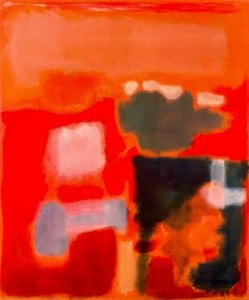
No.1 (Untitled)


 Leggi tutto
Giclée / Stampe d'arte
Stampa giclée o su tela di qualità museale, con produzione rapida e diverse opzioni di finitura. ( Ordina la riproduzione dipinta a mano Acquista download)




P118B $10

P118H $10

P118W $10

P438Z $10

P508JH $12

P508YH $12

P805H $10

P805Z $10

P919BZ $10

P919G $10

P919XJ $10

P959ZH $10

P968JZ $12

W106C $8

W218G $10

W218JH $8

W218Y $10

W307PJ $10

W316G $10

W316PJ $8

W316Y $10

W398PJ $8

W4111J $10

W500HY $15

W500JH $15

W692G $12

W849H $8

W940BG $15

W953PJ $8




Scegli tra le nostre dimensioni predefinite, che rispettano le proporzioni originali dell'opera d'arte.

È possibile inserire dimensioni personalizzate per adattare l'opera a una cornice o a uno spazio specifico. Se la dimensione selezionata non corrisponde alle proporzioni dell'immagine originale, procederemo al ritaglio dell'opera o all'estensione dell'immagine con un bordo specchiato o a tinta unita. Un mockup digitale ti verrà inviato per approvazione prima dell'inizio della produzione.
Si prega di notare che l'anteprima a schermo non riflette il ritaglio o l'estensione effettivi. Solo il mockup mostrerà accuratamente la composizione finale.
Sebbene siano disponibili dimensioni personalizzate, si raccomanda di selezionare una dimensione dall'elenco predefinito per preservare le proporzioni originali.
Consegna in tutto il mondo () in 2 settimane invece delle normali 4/5 settimane. (17 Agosto)

Spedizione espressa gratuita in tutto il mondo

Tela in lino di alta qualità

Assicurazione completa sulla spedizione

Garanzia di rimborso dei dazi doganali

Garanzia di fedeltà cromatica dell'originale

Politica di reso entro 60 giorni (solo per difetti di fabbricazione)

Garanzia di rimborso al 100%

Sconto per acquisti multipli
 L'opzione vetro è disponibile solo per dimensioni inferiori a 110 cm

No.1 (Untitled)
Giclée / Stampe d'arte
Dimensioni della riproduzione
-


Prezzo totale
$ 62
Descrizione del pezzo
Mark Rothko’s ‘No.1 (Untitled)’ – A Meditation on Color and Loss
Mark Rothko's 1948 canvas, ‘No.1 (Untitled)’, is more than just a painting; it’s an immersion into the profound emotional landscape of one of 20th-century art’s most influential figures. This color field masterpiece, dominated by a luminous yellow expanse punctuated with deliberate blue accents and scattered red dots, immediately draws the viewer into a space of quiet contemplation. The sheer scale of the work – unknown but undoubtedly commanding – amplifies this effect, enveloping the observer in its chromatic depths.
- The Rothko Aesthetic: ‘No.1 (Untitled)’ exemplifies Rothko’s signature style, developed during his exploration of color field painting. Rejecting traditional representational forms, he sought to evoke primal human emotions through the layering and blending of saturated hues.
- Technique – Layers of Resonance: The application of paint is crucial to understanding this piece. Rothko employed a technique of applying thin washes of color, building up layers upon layers until the surface achieved an almost translucent quality. This process created a sense of depth and vibration within the colors themselves, inviting the viewer to lose themselves in their shifting relationships.
Historical Context: The Shadow of Displacement
Created in 1948, ‘No.1 (Untitled)’ emerged from a period of immense upheaval – the aftermath of World War II and the burgeoning anxieties of the Cold War. However, to fully appreciate Rothko’s work, it's essential to consider his personal history. Born Markus Yakovlevich Rothkowitz in Daugavpils, Latvia, in 1903, he carried within him a deep-seated sense of displacement stemming from his family’s experiences during the turbulent early 20th century. The pogroms and political unrest that plagued Eastern Europe instilled in him a profound sensitivity to human suffering – a theme that would become a recurring motif in his art. His immigration to Portland, Oregon, in 1913, marked not just a geographical shift but a cultural collision, further fueling his exploration of existential themes related to loss, trauma, and the search for meaning.
Symbolism: Blue, Yellow, and the Scattered Remnants
The deliberate use of color is paramount. The dominant yellow represents warmth, hope, and perhaps even a fragile optimism – qualities that Rothko often sought to convey despite his own struggles with depression. The strategically placed blue accents introduce an element of melancholy and introspection, acting as counterpoints to the yellow’s vibrancy. The black spots, seemingly random, are not accidental; they represent fragments of memory, moments of darkness, or perhaps even the scars of trauma – a visual echo of Rothko's own life experiences. The scattered red dots add another layer of complexity, suggesting fleeting emotions, sparks of passion, or the enduring presence of human connection amidst despair.
Emotional Impact and Collecting
'No.1 (Untitled)' is not merely a decorative piece; it’s an invitation to engage in a deeply personal dialogue with art. Rothko's work possesses a remarkable ability to evoke powerful emotions – sorrow, hope, awe, and ultimately, a sense of shared humanity. A hand-painted reproduction of this artwork offers collectors the opportunity to bring this profound experience into their homes or offices, transforming spaces into contemplative sanctuaries. Its scale and color palette make it particularly well-suited for large rooms, acting as a focal point that commands attention and encourages quiet reflection. This piece is an investment not just in art, but in an enduring meditation on the human condition.
Opere correlate



Biografia dell'artista
giovinezza e influenze
mark rothko (marcus rothkowitz), un rinomato artista americano, è nato il 25 settembre 1903 a Dvinsk, Lettonia. La sua famiglia emigrò negli Stati Uniti quando aveva solo dieci anni. Questo cambiamento culturale avrebbe influenzato in seguito il suo stile artistico.evoluzione artistica
Le prime opere di Rothko erano caratterizzate dall'astrattismo espressionista, uno stile che enfatizzava il processo creativo piuttosto che il prodotto finale. I suoi dipinti, come no. 18 (1948) e untitled (1948), mostravano il suo approccio unico al colore e alla forma.- campo di colore: l'uso da parte di Rothko di audaci campi rettangolari di colore, spesso in forte contrasto tra loro, creava un senso di profondità ed emozione.
- struttura organica: i suoi dipinti sembravano respirare la vita, come se i colori fossero entità viventi.
opere notevoli ed esposizioni
- no. 10 (1950), un dipinto che ha segnato un significativo cambiamento nello stile di Rothko, è ora parte della collezione del Museum of Modern Art.
- I Seagram Murals, una serie di dipinti commissionati per il ristorante Four Seasons, hanno mostrato la capacità di Rothko di adattare il suo stile a diversi ambienti.
- no. 3 (1950), un dipinto che esemplifica l'uso di Rothko di audaci campi rettangolari di colore.
vita successiva e eredità
La vita di Rothko è stata segnata da difficoltà nella salute mentale e da un matrimonio tumultuoso. È morto il 25 febbraio 1970 all'età di 66 anni. Nonostante le sue sfide, Rothko ha lasciato un segno indelebile nel mondo dell'arte. ochre and red on red (campo di colore), un dipinto che mostra l'approccio unico di Rothko al colore, può essere trovato nella collezione ArtsDot.com. La pagina Wikipedia su Mark Rothko fornisce ulteriori informazioni sulla sua vita e sul suo stile artistico.
Mark Rothko
1903 - 1970 , Lettonia
Informazioni rapide
- Artisti Influenti:
- Wassily Kandinsky
- Piet Mondrian
- Artisti Influenzati: ['Minimalismo']
- Data Di Morte: 25 febbraio 1970
- Data Di Nascita: 25 settembre 1903
- Luogo Di Nascita: Daugavpils, Lettonia
- Movimento Artistico: Espressionismo Astratto
- Nazionalità: Americano
- Nome Completo: Mark Rothko / Marcus Rothkowitz
- Opere Notevoli:
- No. 18 (1948)
- No. 10 (1950)
- Murals Seagram
- No. 3 (1950)
Articoli correlati
Mark Rothko: Le 25 Opere Più Iconiche per Arredare con Emozione e Profondità
Esplora le 25 opere più iconiche di Mark Rothko, il maestro dell'espressionismo astratto. Scopri la storia, i colori e l'emozione dietro ogni tela. Acquista riproduzioni artistiche di alta qualità per arredare con stile su ArtsDot.com

La Sublime Armonia del Colore: Esplorando l'Espressionismo Astratto di Mark Rothko
Esplora l'universo emotivo di Mark Rothko e il movimento dell'Espressionismo Astratto. Analisi approfondite delle sue opere più iconiche, influenze artistiche e l'eredità duratura del maestro del Color Field Painting.

I 10 Dipinti Più Famosi Dominati dal Blu Ardesia: Storia, Arte e Decorazioni Raffinate
Esplora i 10 dipinti più iconici dominati dal blu ardesia! Scopri la storia, gli artisti e le tecniche dietro capolavori impressionisti e moderni. Trova riproduzioni artistiche di alta qualità per decorare casa con .

Kandinsky: I 25 Capolavori che Hanno Rivoluzionato l'Arte Moderna | ArtsDot
Esplora i 25 capolavori di Wassily Kandinsky, pioniere dell'arte astratta. Scopri la storia, il significato e le tecniche dietro ogni dipinto iconico. Trova riproduzioni d'arte di alta qualità per decorare la tua casa su ArtsDot.com.

Espressionismo Astratto: I 10 Capolavori che Hanno Definito un Movimento Artistico Rivoluzionario
Esplora i 10 capolavori dell'Espressionismo Astratto con ! Scopri Pollock, Rothko e De Kooning: storia, tecnica e significato di opere iconiche per arredare la tua casa con arte di alta qualità. Esplora la collezione online!