


 Anteprima in scala reale
 Condividi
 Condividi
 Dettagli

 Scarica immagine
 Articoli simili
 Radiografia
 Slideshow
Man sitting beside a window

 Leggi tutto
Riproduzione a olio fatta a mano
Olio su tela dipinto a mano nelle tue dimensioni e con la tua cornice, realizzato su ordinazione dai nostri artisti. ( Passa alla stampa Passa all'immagine)




P118B $10

P118H $10

P118W $10

P438Z $10

P508JH $12

P508YH $12

P805H $10

P805Z $10

P919BZ $10

P919G $10

P919XJ $10

P959ZH $10

P968JZ $12

W106C $8

W218G $10

W218JH $8

W218Y $10

W307PJ $10

W316G $10

W316PJ $8

W316Y $10

W398PJ $8

W4111J $10

W500HY $15

W500JH $15

W692G $12

W849H $8

W940BG $15

W953PJ $8




Scegli tra le nostre dimensioni predefinite, che rispettano le proporzioni originali dell'opera d'arte.

È possibile inserire dimensioni personalizzate per adattare l'opera a una cornice o a uno spazio specifico. Se la dimensione selezionata non corrisponde alle proporzioni dell'immagine originale, provvederemo a ritagliare l'opera o a estendere il dipinto con elementi aggiuntivi dipinti a mano. Un mockup digitale ti sarà inviato per approvazione prima dell'inizio della produzione.
Si prega di notare che l'anteprima a schermo non riflette il ritaglio o l'estensione effettivi. Solo il mockup mostrerà accuratamente la composizione finale.
Sebbene siano disponibili dimensioni personalizzate, consigliamo di selezionare una dimensione dall'elenco predefinito per preservare le proporzioni originali.
Dopo l'ordine, il team di ArtsDot.com contatterà il cliente via e-mail per le istruzioni e fornirà un'anteprima del mockup
Consegna in tutto il mondo () in 3/4 settimane anziché nelle normali 5 settimane. (5 Agosto). Nessun compromesso sulla qualità.

Spedizione espressa gratuita in tutto il mondo

Tela in lino di alta qualità

Assicurazione completa sulla spedizione

Garanzia di rimborso dei dazi doganali

Garanzia di fedeltà cromatica dell'originale

Politica di reso entro 60 giorni (solo per difetti di fabbricazione)

Garanzia di rimborso al 100%

Sconto per acquisti multipli
 L'opzione vetro è disponibile solo per dimensioni inferiori a 110 cm

Man sitting beside a window
Tecnica di riproduzione
Dimensioni della riproduzione
-


Prezzo totale
$ 263
Descrizione dell'opera
A Window Into Duchamp’s Vision: Examining “Man Seated by a Window”
Marcel Duchamp's "Man Seated by a Window," painted in 1907, stands as an arresting testament to the artist’s burgeoning fascination with challenging conventional artistic boundaries. Created during his formative years amidst the vibrant currents of Impressionism and Cubism – movements he would soon dismantle – this deceptively simple canvas embodies Duchamp's nascent philosophical inquiries into the very essence of art itself. It’s a piece that invites contemplation not merely for its aesthetic qualities, but for the profound questions it poses about perception and representation.The Painting's Composition and Style
At first glance, “Man Seated by a Window” presents a tranquil scene: a solitary figure positioned before a window overlooking blossoming plants. The artist skillfully employs Post-Impressionist techniques—characterized by expressive brushstrokes and vibrant color palettes—to convey an atmosphere of contemplative repose. Unlike the meticulous realism championed by Impressionists, Duchamp deliberately eschews detailed depiction, prioritizing instead emotional resonance over photographic accuracy. This stylistic choice reflects his growing disillusionment with traditional artistic conventions and foreshadows his groundbreaking embrace of Conceptual Art. The muted blues and greens dominating the background harmonize beautifully with the warmer hues emanating from the flowers, creating a visual equilibrium that underscores the painting’s serene mood.Technique and Material Considerations
Duchamp executed “Man Seated by a Window” in oil on canvas—a medium he had begun to explore during his academic training—demonstrating an impressive command of artistic craft. However, his approach transcends mere technical proficiency; it's infused with a spirit of experimentation that anticipates Duchamp’s later innovations. The brushstrokes are loose and gestural, conveying movement and capturing the fleeting effects of light on the foliage outside the window. Notably, Duchamp deliberately avoids blending colors extensively, allowing individual pigments to retain their distinct identities—a technique that contributes significantly to the painting's textural richness and visual vibrancy.Historical Context: Impressionism’s Legacy and Duchamp’s Dissolution
“Man Seated by a Window” emerges from the crucible of Impressionism, a movement that revolutionized painting by prioritizing subjective experience over objective observation. Artists like Monet and Renoir sought to capture the ephemeral beauty of nature—the shimmering light, the shifting colors—rather than striving for precise likenesses. Duchamp’s rejection of Impressionistic ideals represents a decisive break with artistic tradition, signaling his commitment to dismantling established hierarchies and redefining notions of artistic value. He viewed Impressionism as aesthetically pleasing but intellectually stagnant, arguing that it lacked the capacity to grapple with fundamental philosophical dilemmas.Symbolic Resonance: The Window as Portal to Reflection
The window itself serves as a potent symbol within “Man Seated by a Window,” representing not merely an architectural feature but also a conduit for introspection and contemplation. As Duchamp himself noted, the figure seated before the window is engaged in "looking," suggesting that he is actively confronting his own thoughts and emotions—a process mirrored in the blossoming flowers outside. The juxtaposition of interior stillness and exterior vitality underscores the painting’s central theme: the relationship between inner consciousness and external reality. It's a visual meditation on the transformative power of observation and the importance of engaging with one's surroundings in a mindful manner.Emotional Impact: Tranquility Amidst Uncertainty
Despite its understated aesthetic qualities, “Man Seated by a Window” possesses an undeniable emotional impact—one characterized by tranquility, serenity, and a subtle hint of melancholy. The painting’s harmonious color scheme and expressive brushstrokes evoke feelings of peace and contentment, inviting viewers to savor the beauty of the natural world. Yet, beneath this surface calm lies a deeper resonance—a recognition that even in moments of repose, we remain confronted with existential questions about our place in the universe. Duchamp's masterpiece continues to captivate audiences today precisely because it speaks to the enduring human desire for connection—both with oneself and with the broader tapestry of existence.Opere correlate


Biografia dell'artista
primi anni di vita e inizi artistici
Marcel Duchamp, pittore, scultore, giocatore di scacchi e scrittore francese-americano, nacque il 28 luglio 1887 a Blainville-Crevon, Normandia, Francia. La sua famiglia, nota per le sue inclinazioni culturali, incoraggiò il suo interesse precoce per l'arte. Il percorso artistico di Duchamp è iniziato con stili post-impressionisti, sperimentando tecniche e soggetti classici.evoluzione artistica e opere notevoli
- L'opera di Marcel Duchamp è associata al cubismo, all'arte concettuale e al dadaismo, sebbene fosse cauto nell'uso del termine dada.
- Una delle sue opere più famose, Fountain (1917), una tazza da urina firmata 'R. Mutt', è un esempio dei suoi readymade, sfidando la nozione di ciò che costituisce l'arte.
- Ritratto di giocatori di scacchi (1911), un'opera cubista, mostra il suo interesse per il gioco e i suoi aspetti strategici.
- To be looked at (from the other side of the glass) with one eye, close to, for almost an hour (1945) è un'altra opera notevole, che riflette le sue inclinazioni dadaiste.
influenza e eredità
L'impatto di Duchamp sull'arte del XX secolo è immenso. Insieme a Pablo Picasso e Henri Matisse, ha definito le arti plastiche nei primi anni del XX secolo. Il suo approccio concettuale all'arte ha influenzato generazioni di artisti.- Esplora altre opere di Duchamp su ArtsDot: Marcel Duchamp | opere d'arte
- Scopri il Museo Ohara d'Arte, Giappone, che presenta collezioni di arte occidentale, tra cui alcune influenzate dallo stile di Duchamp: Museo Ohara d'Arte, Giappone
- Scopri di più sul lettrismo, un movimento influenzato dal dadaismo e dal surrealismo, di cui Duchamp faceva parte: Movimento artistico del lettrismo
conclusione
L'enigmatico approccio di Marcel Duchamp all'arte, che combina elementi concettuali e dadaisti, ha lasciato un segno indelebile nel mondo dell'arte. La sua eredità continua a ispirare artisti e a influenzare lo sviluppo dell'arte moderna e contemporanea. Franck Scurti, artista francese noto per la sua arte concettuale, segue le orme di Duchamp, contribuendo ulteriormente alla eredità di questo pioniere dell'arte.
Marcel Duchamp
1887 - 1968 , Francia
Informazioni rapide
- Artisti Influenzati: ['Franck Scurti']
- Data Di Nascita: 28 luglio 1887
- Luogo Di Nascita: Blainville-sur-Mer, Francia
- Movimento Artistico:
- Cubismo
- Dadaismo
- Arte Concettuale
- Nazionalità: Francese-Americana
- Nome Completo: Marcel Duchamp
- Opere Notevoli:
- Fontana
- Ritratto di giocatori di scacchi
- The Large Glass
- L.H.O.O.Q.
- Boîte-en-valise
Articoli correlati

Reflections of Power & Leisure: Courtly Life in Western Art
Explore the captivating world of aristocratic life through Western art history. Discover Rococo masterpieces & portraits of European nobility. Expert insights for collectors and enthusiasts at ArtsDot.
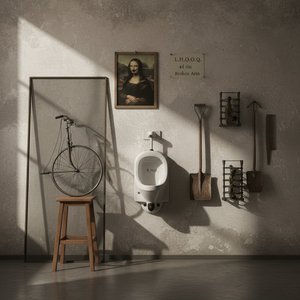
Marcel Duchamp: Sfide alle Convenzioni e Ridefinizione dell'Arte nel XX Secolo
Esplora la rivoluzionaria arte di Marcel Duchamp e il suo impatto sull'arte concettuale del XX secolo. Analisi approfondite, storia del Dadaismo, Fluxus e l'eredità di un maestro anticonformista.

I 10 Capolavori Post-Impressionisti che Hanno Rivoluzionato l'Arte e la Decorazione d'Interni
Esplora i 10 capolavori del Post-Impressionismo con Van Gogh, Monet e Cézanne. Scopri le storie dietro questi dipinti iconici e lasciati ispirare per la tua decorazione d'interni. Stampe su tela di alta qualità su !

Impressionismo e Postimpressionismo: Evoluzione, Caratteristiche Distintive e Influenze Reciproche
Esplora l'evoluzione dell'Impressionismo e del Postimpressionismo con la nostra guida esperta. Scopri i maestri, le tecniche e l'influenza di questi movimenti artistici rivoluzionari.
Echoes of 1887: A Cultural & Artistic Reflection on a Pivotal Year in Modern Painting
Explore the vibrant art & culture of 1887 – a pivotal year bridging Impressionism to Post-Impressionism. Discover Van Gogh, Gauguin & more with ArtsDot's expert insights.



