


 Anteprima in scala reale
 Condividi
 Condividi
 Dettagli
 Guida stampabile

 Scarica
 Articoli simili
 Radiografia
 Slideshow
 Statistiche
Glass Tears


 Leggi tutto
L'opera d'arte visualizzata in questa pagina è protetta dalle leggi sul diritto d'autore, il che significa che non possiamo legalmente creare o vendere una riproduzione identica. Tale protezione è garantita da accordi internazionali quali la Convenzione di Berna e dalle leggi nazionali, incluse quelle stabilite da Legge sul copyright degli Stati Uniti - Titolo 17. Tutti i diritti riservati. Le immagini presenti su questo sito sono protette da copyright e non possono essere riprodotte o utilizzate senza l'autorizzazione scritta di WahooArt.com o dei rispettivi proprietari del copyright.
Questo metodo è pienamente conforme alle normative sul diritto d'autore poiché non prevede la copia o la duplicazione dell'opera protetta. Si tratta invece di una rielaborazione creativa: un nuovo dipinto che trae ispirazione dall'originale, senza tuttavia esserne identico.
Giclée / Stampe d'arte
Stampa giclée o su tela di qualità museale, con produzione rapida e diverse opzioni di finitura. ( Ordina la riproduzione dipinta a mano Passa all'immagine digitale)




P118B €10

P118H €10

P118W €10

P438Z €10

P508JH €12

P508YH €12

P805H €10

P805Z €10

P919BZ €10

P919G €10

P919XJ €10

P959ZH €10

P968JZ €12

W106C €8

W218G €10

W218JH €8

W218Y €10

W307PJ €10

W316G €10

W316PJ €8

W316Y €10

W398PJ €8

W4111J €10

W500HY €15

W500JH €15

W692G €12

W849H €8

W940BG €15

W953PJ €8




Scegli tra le nostre dimensioni predefinite, che rispettano le proporzioni originali dell'opera d'arte.

Inserisci la larghezza e l'altezza desiderate, per adattarle alla tua cornice o alla tua parete. Una stampa può essere solo ritagliata, mai resa più grande dell'immagine originale; pertanto, un formato con una forma differente comporterà la perdita di una parte dell'opera. Ti invieremo un mockup digitale da approvare prima di procedere con la stampa. L'immagine mostrata in questa pagina non rappresenta il ritaglio reale — solo il mockup lo mostra.
Consegna in tutto il mondo () in 2 settimane invece delle normali 4/5 settimane. (23 Ottobre)

Spedizione espressa gratuita in tutto il mondo

Tela in lino di alta qualità

Assicurazione completa sulla spedizione

Garanzia di rimborso dei dazi doganali

Garanzia di perfetta fedeltà cromatica

Politica di reso entro 100 giorni (solo per difetti di fabbricazione)

Garanzia di rimborso al 100%

Sconto per acquisti multipli
 L'opzione vetro è disponibile solo per dimensioni inferiori a 110 cm

Glass Tears
Giclée / Stampe d'arte
Dimensioni della riproduzione
-


Prezzo totale
€ 54
A Frozen Moment of Melancholy: Man Ray’s “Glass Tears”
Man Ray's "Glass Tears," created between 1930 and 1932, isn’t merely a photograph; it’s a distilled emotion captured in stark black and white. The image, a close-up of a woman’s face, immediately draws the viewer into a world of profound sadness and quiet contemplation. It's a deceptively simple composition—a single eye, framed by long, dark lashes adorned with glistening droplets of water – yet within that simplicity lies a complex narrative about grief, performance, and the very nature of representation.
The photograph’s genesis is rooted in the turbulent period following Man Ray's painful separation from his lover, Lee Miller. Following their breakup, Ray embarked on a deliberate act of emotional excavation, creating a series of images intended to both confront and exorcise his feelings. “Glass Tears” emerged during this time, serving as one poignant expression of that inner turmoil. The model, a fashion mannequin, becomes an embodiment of vulnerability—a silent witness to the artist’s heartbreak. Ray's choice to utilize a mannequin rather than a live subject speaks volumes about his desire to control and manipulate the image, transforming a manufactured object into a vehicle for raw emotion.
The Language of Photograms: Technique and Innovation
Man Ray was a pioneer in photographic techniques, and “Glass Tears” exemplifies his innovative approach. The photograph itself is a photogram – an image created directly onto photographic paper without the use of a camera. This process involved placing glass beads on the woman’s face and then exposing the sheet to light through a negative. The resulting effect is remarkably tactile; the beads create a shimmering, almost crystalline texture that mimics the appearance of tears. The stark contrast between the dark lashes and the bright highlights of the eye further emphasizes the image's dramatic intensity.
Ray’s mastery lies in his ability to imbue this seemingly straightforward technique with layers of meaning. He wasn’t simply documenting a face; he was constructing an emotional landscape, manipulating light and texture to evoke a specific mood. The deliberate blurring around the edges contributes to the photograph's dreamlike quality, suggesting that the image exists outside of conventional reality.
Symbolism and Emotional Resonance
The symbolism within “Glass Tears” is both subtle and deeply affecting. The tears themselves are the most obvious symbol – a universal representation of sorrow, loss, and vulnerability. However, Ray’s choice to depict them as glass beads adds another layer of complexity. Glass, often associated with fragility and preciousness, suggests that these tears are not merely expressions of sadness but also represent something valuable—perhaps memories or emotions that cannot be easily replaced.
The woman's gaze – upward and slightly averted – invites the viewer to share in her unspoken grief. It’s a look of quiet contemplation, suggesting an internal struggle with overwhelming emotion. The photograph taps into a primal human response to sadness, creating a powerful connection between the viewer and the subject.
A Legacy of Surrealist Vision
“Glass Tears” is a quintessential example of Man Ray's contribution to the Surrealist movement. While he resisted strict categorization, his work consistently explored themes of dreamlike imagery, psychological states, and the subconscious mind. The photograph’s unsettling beauty and emotional depth align perfectly with the Surrealists’ fascination with challenging conventional perceptions of reality. It stands as a testament to Ray's ability to transform everyday objects—a mannequin, glass beads—into potent symbols of human experience.
Reproductions of “Glass Tears” offer a remarkable opportunity to bring this evocative image into your home or office. The meticulous detail and dramatic lighting of the original are faithfully captured in high-quality reproductions, allowing you to appreciate the artistry and emotional power of this iconic photograph for years to come.
Domande e risposte
"Glass Tears" dispone di un'anteprima in realtà aumentata?
"Glass Tears" dispone di un'anteprima in realtà aumentata: la pagina Anteprima AR dell'opera ti permette di visualizzarla nel tuo spazio tramite un dispositivo compatibile.
In che modo i colori di "Glass Tears" di Man Ray si relazionano alla sua emozione?
"Glass Tears" di Man Ray combina una tavolozza Neutrals con un tono Melancholic.
Posso esaminare "Glass Tears" più nel dettaglio?
La vista a raggi X di "Glass Tears" di Man Ray è disponibile nella pagina Raggi X dell'opera: un esame interattivo dell'immagine attraverso undici strati ottici.


Biografia dell'artista
Una vita illuminata dalle ombre
Emmanuel Radnitzky, conosciuto al mondo come Man Ray, era uno spirito inquieto che sfidava ogni facile categorizzazione. Nato nel 1890 a Philadelphia da genitori immigrati ebrei russi, il suo percorso da aspirante pittore a fotografo e cineasta pionieristico incarna il radicale fermento artistico dell'inizio del XX secolo. Il passaggio da “Manny” Radnitzello all'enigmatico “Man Ray” dice molto di per sé su un artista determinato a forgiare una nuova identità, libera da ogni convenzione. Il trasferimento della sua famiglia a New York si rivelò decisivo, esponendolo alla nascente scena modernista e instillandogli una fascinazione per l'esperimento che lo avrebbe accompagnato per tutta la vita. Le prime influenze includevano l'avanguardia europea esposta nella galleria 291 di Alfred Stieglitz e il crudo realismo della Ashcan School – un connubio che avrebbe influenzato sottilmente le sue opere successive. Sebbene inizialmente dedito alla pittura, fu la fotografia a diventare infine il mezzo più potente per Ray per esplorare i confini della percezione e della realtà. Non si limitava a catturare immagini; stava inventando nuovi modi di *vedere*. Le sue prime imprese artistiche furono segnate dal desiderio di rompere con gli stili tradizionali, influenzate dall'incontro sia con il modernismo europeo che con l'energia vitale della vita di New York. Il Ferrer Centre, con le sue tendenze anarchiche e l'enfasi sulla libera espressione, si rivelò particolarmente formativo in questo periodo, favorendo un ambiente in cui la sperimentazione non era solo incoraggiata, ma attesa.Dada, Surrealismo e la ricerca dell'impossibile
La traiettoria artistica di Man Ray prese una svolta drammatica con l'incontro con Marcel Duchamp a New York intorno al 1915. Questo incontro accese una comune fascinazione per la sfida alle nozioni tradizionali d'arte, portando alle esplorazioni dei “ready-mades” – oggetti comuni e manufatti elevati allo status di opera d'arte. Questo spirito ribelle spinse Ray nel cuore del movimento Dada, una protesta anti-arte nata dal disincanto della Prima Guerra Mondiale. Nel 1921, prese la monumentale decisione di trasferirsi a Parigi, diventando una figura centrale sia nei circoli Dada che in quelli Surrealisti che vi fiorivano. Pur non allineandosi mai completamente ad alcun rigido dogma artistico, Ray abbracciando l'esplorazione surrealista dell'inconscio, dei sogni e dell'irrazionale. La sua opera durante questo periodo è caratterizzata da una qualità onirica, spesso inquietante ma innegabilmente affascinante. Non era interessato a ritrarre la realtà così com'è, ma piuttosto come si *percepisce* – frammentata, distorta e intrisa di significati nascosti. Questo abbraccio del subconscio gli permise di andare oltre la mera rappresentazione verso un'esplorazione degli stati psicologici e della risonanza emotiva all'interno della sua arte. Le sue collaborazioni con altri artisti surrealisti, come Salvador Dalí, consolidarono ulteriormente la sua posizione all'interno del movimento, sebbene egli abbia sempre mantenuto un certo grado di indipendenza nella sua visione artistica.Le rayografie e l'alchimia della luce
Forse Man Ray è celebrato soprattutto per l'invenzione della “rayografia”, una tecnica fotografica senza fotocamera scoperta quasi per caso. Queste immagini – create posizionando oggetti direttamente sulla carta fotosensibile ed esponendoli alla luce – producevano composizioni eteree e spettrali che sfidavano la rappresentazione fotografica convenzionale. La rayografia non era semplicemente un metodo alternativo; era una dichiarazione filosofica sulla natura stessa della fotografia. Eliminando l'obiettivo della macchina fotografica, Ray spogliò l'illusione dell'oggettività, rivelando la soggettività intrinseca del mezzo. Queste non erano rappresentazioni *di* cose, ma piuttosto impronte dirette *provenienti* da esse, infuse di un senso di mistero e di un'altrove dimensione. Oltre alle rayografie, i suoi ritratti fotografici – in particolare quelli di artiste come Lee Miller (che sarebbe diventata sia la sua musa che la sua collaboratrice) – sono rinomati per le loro composizioni sorprendenti e la profondità psicologica. Sperimentò incessantemente con la solarizzazione, le esposizioni multiple e la manipolazione in camera oscura, spingendo i limiti di ciò che la fotografia poteva raggiungere. La solarizzazione, in particolare, divenne una tecnica distintiva, creando drammatici ribaltamenti di tono che aggiungevano un elemento di perturbante ai suoi ritratti.Oltre l'immobilità: il cinema e un'eredità duratura
La curiosità artistica di Man Ray si estese oltre le immagini fisse al regno del cinema. I suoi film sperimentali, come *Le Retour à la Raison* (1923) e *L'Étoile de Mer* (1928), erano caratterizzati da un'immaginario surrealista, tecniche di montaggio non convenzionali e il rifiuto delle convenzioni narrative. Non si trattava di storie raccontate in senso tradizionale; erano poesie visive, esplorazioni di forma, ritmo e subconscio. Utilizzò spesso tecniche innovative come l'animazione stop-motion e la sovrapposizione per creare effetti disorientanti e onirici. Sebbene la sua produzione cinematografica sia rimasta relativamente limitata in volume, fu profondamente influente sulle generazioni successive di cineasti d'avanguardia. Durante la sua lunga carriera, Man Ray continuò a sfidare le norme artistiche, rifiutandosi di essere confinato da etichette o aspettative. Morì a Parigi nel 1976, lasciando dietro di sé un corpus di opere che continua a ispirare e provocare. La sua eredità risiede non solo nelle sue innovazioni tecniche, ma anche nel suo incrollabile impegno per la libertà artistica e nella sua incessante ricerca dell'impossibile – un vero pioniere che ha alterato per sempre la nostra percezione dell'arte e della realtà. La sua influenza può essere vista in varie discipline, dalla fotografia e dal cinema contemporanei alla moda e al design, dimostrando il potere duraturo della sua visione.Un'influenza continua
- Fotografia: Le tecniche di Man Ray, in particolare la rayografia e la solarizzazione, continuano a essere esplorate dai fotografi contemporanei.
- Surrealismo: I suoi contributi hanno consolidato il linguaggio visivo del movimento e ispirato innumerevoli artisti in diverse discipline.
- Cinema Sperimentale: Il suo lavoro pionieristico nel cinema ha gettato le basi per le future generazioni di cineasti d'avanguardia.
- Fotografia di Moda: L'approccio innovativo di Ray al ritratto e alla composizione ha influenzato lo sviluppo della fotografia di moda moderna.

Man Ray
1890 - 1976 , Stati Uniti d'America
Informazioni rapide
- Artistic Movement Or Style: Dada, Surrealismo
- Artists Or Movements Influenced By This Artist: ['Surrealismo']
- Artists Who Influenced This Artist: ['Marcel Duchamp']
- Date Of Birth: 27 agosto 1890
- Date Of Death: 18 novembre 1976
- Full Name: Emmanuel Radnitzky
- Nationality: American
- Notable Artworks:
- Rayografie
- Le Retour à la Raison
- L'Étoile de Mer
- Place Of Birth: Philadelphia, USA
Articoli correlati

Pictorialism: A Search for Artistic Photography's Soul – Aesthetics, Techniques & Legacy
Explore the captivating world of Pictorialism – a pivotal movement that transformed photography into fine art. Discover key artists like Stieglitz & Käsebier, techniques, and collecting tips from experts.

Monochrome Visions: Exploring the Aesthetic & Historical Significance of Black & White Photography
Explore the rich history & artistic power of black and white photography. From early techniques to iconic masters like Ansel Adams, discover why monochrome continues to captivate art lovers today. Expert insights for collectors.

Beyond the Lens: Photography's Enduring Influence on Modern & Contemporary Art
Explore photography's pivotal role in shaping modern & contemporary art. Discover key movements, influential artists like Stieglitz, and expert collecting advice from ArtsDot.
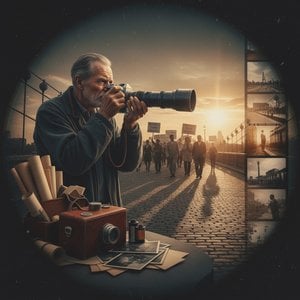
Witnessing History Through Lens & Light: Documentary Photography's Enduring Legacy
Explore the powerful history of documentary photography – from its origins to contemporary masters like Gordon Parks & W. Eugene Smith. Discover how this art form shapes our understanding of society and witness pivotal moments in time.

I 10 Dipinti Più Famosi Dominati dal Nero: Maestri e Storie d'Arte
Esplora i 10 dipinti più iconici dominati dal nero, da Caravaggio a Munch. Scopri storie, tecniche e il potere espressivo di artisti come Rembrandt e Goya. Trova stampe d'arte di alta qualità per la tua casa su .


