


 Anteprima in scala reale
 Condividi
 Condividi
 Dettagli
 Guida stampabile

 Scarica
 Articoli simili
 Radiografia
 Slideshow
 Statistiche
Intimité


 Leggi tutto
Riproduzione a olio fatta a mano
Olio su tela dipinto a mano nelle tue dimensioni e con la tua cornice, realizzato su ordinazione dai nostri artisti. ( Passa alle stampe Passa all'immagine digitale)




P118B €10

P118H €10

P118W €10

P438Z €10

P508JH €12

P508YH €12

P805H €10

P805Z €10

P919BZ €10

P919G €10

P919XJ €10

P959ZH €10

P968JZ €12

W106C €8

W218G €10

W218JH €8

W218Y €10

W307PJ €10

W316G €10

W316PJ €8

W316Y €10

W398PJ €8

W4111J €10

W500HY €15

W500JH €15

W692G €12

W849H €8

W940BG €15

W953PJ €8




Scegli tra le nostre dimensioni predefinite, che rispettano le proporzioni originali dell'opera d'arte.

Inserisci la larghezza e l'altezza di cui hai bisogno, per adattarle alla tua cornice o alla tua parete. Trattandosi di un'opera dipinta a mano, in caso di dimensioni con una forma differente, l'artista può dipingere un po' più oltre i bordi dell'immagine o ritagliare leggermente — la scelta spetta a te. Ti invieremo un mockup digitale da approvare prima che la pittura abbia inizio. L'immagine mostrata in questa pagina non rappresenta il risultato reale — solo il mockup lo fa.
Dopo l'ordine, il team di ArtsDot.com contatterà il cliente via e-mail per ricevere le istruzioni e fornirà un'anteprima del mockup
Consegna in tutto il mondo () in 3/4 settimane anziché nelle normali 5 settimane. (23 Ottobre). Nessun compromesso sulla qualità.

Spedizione espressa gratuita in tutto il mondo

Tela in lino di alta qualità

Assicurazione completa sulla spedizione

Garanzia di rimborso dei dazi doganali

Garanzia di perfetta fedeltà cromatica

Politica di reso entro 100 giorni (solo per difetti di fabbricazione)

Garanzia di rimborso al 100%

Sconto per acquisti multipli
 L'opzione vetro è disponibile solo per dimensioni inferiori a 110 cm

Intimité
Tecnica di riproduzione
Dimensioni della riproduzione
-


Prezzo totale
€ 231
A Quiet Resonance: The Soul of Intimité
In the quiet corners of art history, certain works possess the unique ability to halt time, inviting the viewer into a sanctuary of stillness. Lucien Simon’s 1944 masterpiece, Intimité, is precisely such a work. This evocative portrait captures a profound moment of connection between two figures, seated amidst an abundance of floral arrangements that seem to breathe alongside them. The painting does not merely depict a room; it constructs an atmosphere of profound closeness and domestic peace. As the eye wanders through the composition, one encounters a delicate balance of human presence and botanical beauty, where the man and woman are enveloped by the soft, rhythmic placement of vases and greenery, creating a sense of being tucked away from the outside world.
The technique employed by Simon reflects his mastery of the "Dark Impressionist" style, a departure from the bright, sun-drenched palettes often associated with his contemporaries. Instead, he utilizes a more somber, grounded tonal range that lends the scene an incredible sense of weight and reality. Through masterful brushwork, the textures of the petals, the ceramic surfaces of the vases, and the soft fabrics of the subjects' clothing are rendered with a tactile quality. This controlled use of light and shadow—the interplay of chiaroscuro—serves to highlight the intimacy of the subject matter, drawing the viewer’s focus toward the subtle expressions and the shared space between the two figures, making the atmosphere feel both cozy and deeply contemplative.
Historical Context and Emotional Depth
Created in 1944, a period marked by significant global upheaval, Intimité offers a poignant contrast to the chaos of the era. While much of the world was embroiled in conflict, Simon turned his gaze inward, toward the enduring strength of human connection and the simple, restorative beauty of nature. This choice of subject matter carries a heavy symbolic weight; the flowers act as symbols of life, fragility, and renewal, while the seated figures represent a steadfastness amidst change. The painting serves as a visual poem about the importance of finding sanctuary within one's personal relationships and the quiet joys found in domesticity.
For the discerning collector or interior designer, this piece offers more than mere decoration; it provides an emotional anchor for a room. Its muted tones and rich textures make it an ideal centerpiece for spaces designed for reflection, such as a library, a study, or a sophisticated living area. A high-quality reproduction of Intimité allows the timeless elegance of Simon’s vision to inhabit modern interiors, bringing a sense of historical depth and a calming, sophisticated aura to any environment. It is an invitation to slow down, to breathe, and to appreciate the profound beauty found in life's most quiet, intimate moments.
Domande e risposte
Quale origine nazionale si cela dietro il Impressionism di "Intimité"?
L'opera Impressionism "Intimité" è stata realizzata da un artista nato in Francia.
"Intimité" di Lucien Simon è un'opera dai toni chiari o scuri?
"Intimité" ha una luminosità complessiva di balanced, con una luminanza pari a Soft Shadow.
Dove posso acquistare una riproduzione dipinta a mano di "Intimité" di Lucien Simon?
Le copie dipinte a mano di "Intimité" di Lucien Simon sono in vendita su questo sito: una riproduzione a olio dipinta a mano su tela di lino, ordinate tramite la pagina Riproduzione dipinta a mano.
Opere correlate


Biografia dell'artista
Un'Eleganza Sobria: La Visione dell'Impressionismo Oscuro
Lucien Joseph Simon era molto più di un semplice cronista del paesaggio francese; era un maestro delle ombre atmosferiche che definiscono l'anima bretone. Mentre il più ampio movimento impressionista spesso inseguiva la brillantezza fugace e inondata di sole della luce, Simon cercava una verità più profonda e risonante all'interno dei toni smorzati della terra e del mare. In quanto membro prominente della Bande Noire, insieme ad artisti come Charles Cottet e Dauchez, egli rifiutò la luminosità sgargiamento dei suoi contemporanei a favore di una tavolozza che abbracciava la malinconia e il mistero. La sua opera cattura l'aria pesante e salmastra della costa e la silenziosa, stoica resilienza della vita rurale, trasformando scene semplici in profonde meditazioni sull'esistenza.Fondamenta Accademiche e Maestria della Forma
La brillantezza tecnica dell'opera di Simon affondava le radici in una rigorosa stirpe accademica. Dopo gli anni formativi al Lycée Louis-le-Grand, perfezionò le sue abilità sotto lo sguardo attento di Jules Didier prima di entrare nella prestigiosa Académie Julian tra il 1880 e il 1883. Questa educazione disciplinata gli fornì il comando strutturale necessario per eseguire composizioni complesse con precisione ed emozione. Possedeva una capacità unica di utilizzare sottili variazioni tonali per definire le trame dei tessuti, il calore della pelle e il peso di un'atmosfera. In capolavori come Famille bigoudène en deuil, si vede questa maestria al suo apice, dove la sobria eleganza dell'abbigliamento da lutto e il dolore condiviso di una famiglia sono resi con un realismo palpabile e inquietante.Un'Eredità di Insegnamento e un'Influenza Duratura
Il contributo di Simon al mondo dell'arte si estese ben oltre le sue tele personali; fu una figura cruciale nella coltivazione delle generazioni future. Nel 1902, co-fondò l'Académie de la Grande Chaumière con Alice Dannenberg, stabilendo un santuario vitale per l'esplorazione e la crescita artistica. Il suo ruolo di educatore presso l'École nationale des beaux-arts consolidò ulteriormente la sua importanza all'interno della tradizione accademica francese. Persino nei suoi ultimi anni, Simon continuò a esplorare temi di profonda connessione e pace domestica, come si vede nell'evocativa Intimité del 1944. L'opera della sua vita rimane una testimonianza del potere dell'"Impressionismo Oscuro", lasciando un'eredità che trova una bellezza duratura negli angoli silenziosi e ombrosi dell'esperienza umana.
Lucien Simon
1861 - 1945 , Francia
Informazioni rapide
- Artistic Movement Or Style: Impressionism
- Artists Or Movements Influenced By This Artist: ['Cubism']
- Artists Who Influenced This Artist: ['Jules Didier']
- Date Of Birth: 1861
- Date Of Death: 1945
- Full Name: Lucien Joseph Simon
- Nationality: French
- Notable Artworks:
- Fin de repas à kergaït
- Soirée à l’atelier
- A self-portrait of 1908
- Le Ramassage du Goémon
- Place Of Birth: Paris, France
Articoli correlati

Paul Cézanne: I 25 Capolavori che Hanno Rivoluzionato l'Arte Moderna | ArtsDot
Esplora i 25 capolavori di Paul Cézanne, il maestro dell'impressionismo e post-impressionismo. Scopri la storia, le tecniche e i colori iconici dietro opere come 'Le grandi bagnanti' e 'Mont Sainte-Victoire'. Trova riproduzioni artistiche di alta qualità per decorare la tua casa su ArtsDot.com.

Silent Narratives: Exploring the Enduring Appeal of Still Life Painting Across Centuries
Explore the rich history of still life painting with ArtsDot. Discover Dutch Masters, decode vanitas symbolism & learn about collecting timeless art. Expert insights and museum-quality reproductions.

Impressionismo: I 10 Capolavori che Rivoluzionarono la Pittura | ArtsDot
Esplora i 10 capolavori dell'Impressionismo con ArtsDot. Scopri Monet, Renoir e Degas: storia, tecnica e colori che hanno rivoluzionato l'arte. Stampe di alta qualità per la tua casa! Esplora la collezione online.

Beyond Impressionism: Exploring the Emotional Depth of Post-Impressionist Painting
Explore the profound emotional depth & innovative techniques of Post-Impressionism with ArtsDot. Discover Cézanne, Van Gogh, Gauguin & more – and their lasting impact on modern art.
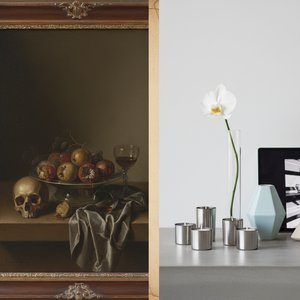
The Enduring Appeal of Still Life: A Historical & Contemporary Exploration
Explore the rich history & symbolism of still life painting with ArtsDot. Discover masterpieces from the Dutch Golden Age, learn about vanitas art, and find expert guidance for collecting timeless artworks.