
- Home

- Stampa su tela
- Lovis Corinth
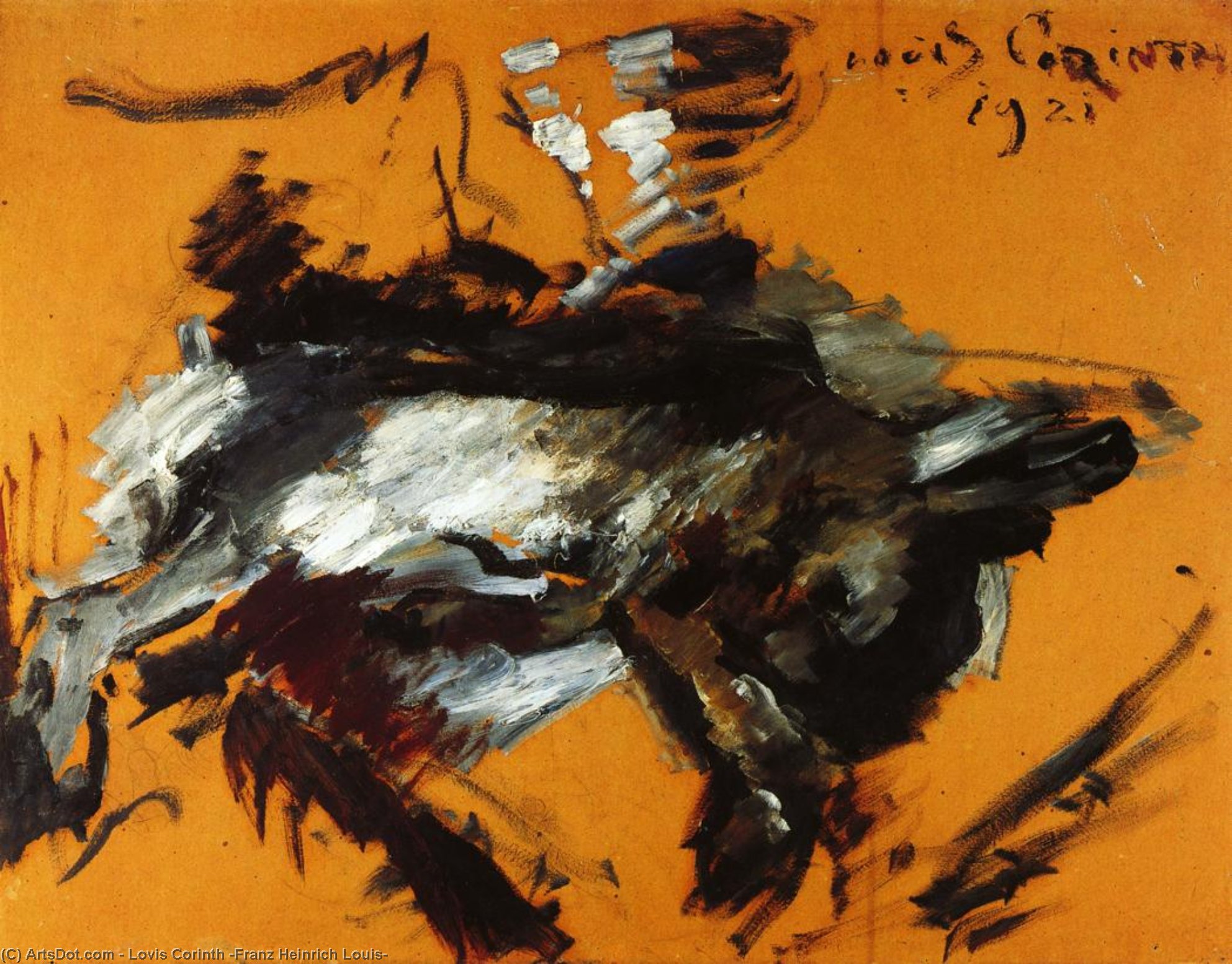
- The Hare
 Anteprima
 Condividi
 Condividi
 Dettagli

 Scarica immagine
 Articoli simili
 Radiografia
 Slideshow
The Hare
 Oil
Oil- WallArt
- Expressionism
 1921
1921- Modern
 65.0 x 85.0 cm
 Leggi tutto
Giclée / Stampe d'arte
Stampa giclée o su tela di qualità museale, con produzione rapida e diverse opzioni di finitura. ( Passa alla pittura fatta a mano Passa all'immagine)




P118B $10

P118H $10

P118W $10

P438Z $10

P508JH $12

P508YH $12

P805H $10

P805Z $10

P919BZ $10

P919G $10

P919XJ $10

P959ZH $10

P968JZ $12

W106C $8

W218G $10

W218JH $8

W218Y $10

W307PJ $10

W316G $10

W316PJ $8

W316Y $10

W398PJ $8

W4111J $10

W500HY $15

W500JH $15

W692G $12

W849H $8

W940BG $15

W953PJ $8




Scegli tra le nostre dimensioni predefinite, che rispettano le proporzioni originali dell'opera d'arte.

È possibile inserire dimensioni personalizzate per adattare l'opera a una cornice o a uno spazio specifico. Se la dimensione selezionata non corrisponde alle proporzioni dell'immagine originale, procederemo al ritaglio dell'opera o all'estensione dell'immagine con un bordo specchiato o a tinta unita. Un mockup digitale ti verrà inviato per approvazione prima dell'inizio della produzione.
Si prega di notare che l'anteprima a schermo non riflette il ritaglio o l'estensione effettivi. Solo il mockup mostrerà accuratamente la composizione finale.
Sebbene siano disponibili dimensioni personalizzate, si raccomanda di selezionare una dimensione dall'elenco predefinito per preservare le proporzioni originali.
Consegna in tutto il mondo () in 2 settimane invece delle normali 4/5 settimane. (1 Agosto)

Spedizione espressa gratuita in tutto il mondo

Tela in lino di alta qualità

Assicurazione completa sulla spedizione

Garanzia di rimborso dei dazi doganali

Garanzia di fedeltà cromatica dell'originale

Politica di reso entro 60 giorni (solo per difetti di fabbricazione)

Garanzia di rimborso al 100%

Offerta per acquisti multipli
 L'opzione vetro è disponibile solo per dimensioni inferiori a 110 cm

The Hare
Giclée / Stampe d'arte
Dimensioni della riproduzione
-


Prezzo totale
$ 62
Descrizione del pezzo da collezione
A Dance of Light and Instinct: Rediscovering Lovis Corinth’s The Hare
In the quiet, evocative realm of early 20th-century German art, few works capture the raw, pulsing energy of nature quite like Lovis Corinth’s The Hare. Painted in 1921, this masterpiece serves as a profound window into the artist's late-career mastery, where the boundaries between Impressionist light and Expressionist emotion begin to dissolve. The painting presents a captivating study of movement and stillness; the hare is not merely a static subject but a presence captured in various states of being—standing alert on its hind legs, resting, and reclining. This rhythmic repetition of form creates a sense of temporal fluidity, as if the viewer is witnessing a fleeting moment of life unfolding in real-time against a vibrant, dreamlike backdrop.
The technical brilliance of this piece lies in Corinth’s ability to manipulate color and texture to evoke a visceral response. The background, an abstract expanse of warm, glowing orange, acts as a luminous stage that pushes the subject forward, demanding the viewer's undivided attention. Through a skillful application of light, the artist breathes life into the fur and musculature of the hare, using bold, confident brushstrokes that suggest the tactile reality of the creature. This technique does more than just depict an animal; it captures the very essence of vitality. For the discerning collector or interior designer, this painting offers a sophisticated interplay of warmth and movement, making it a commanding focal point that can breathe life into any curated space.
Symbolism and the Spirit of the Era
Beyond its surface beauty, The Hare carries a weight of symbolic significance that reflects the tumultuous era in which Corinth lived. As a bridge between the observational precision of Impressionism and the raw, psychological depth of Expressionism, Corinth uses the hare to explore themes of vulnerability and resilience. The creature, often a symbol of fertility and the cyclical nature of life, is presented here with a sense of profound autonomy. There is no hunter in this frame, only the pure, unadulated existence of the subject within its abstract environment. This focus on the intrinsic value of life, stripped of narrative distraction, resonates deeply with modern sensibilities that seek solace in the organic and the authentic.
For those looking to integrate fine art into a contemporary home, this reproduction offers more than just decoration; it provides an emotional anchor. The painting’s ability to evoke both tranquility through its warm palette and excitement through its dynamic composition makes it an incredibly versatile piece. Whether placed in a sun-drenched morning room or a moody, sophisticated study, The Hare invites contemplation and serves as a testament to the enduring power of the natural world. It is a celebration of life captured in paint, a timeless fragment of history that continues to inspire awe and wonder in the hearts of art lovers worldwide.
Biografia dell'artista
Primi anni e formazione
Lovis Corinth, nato Franz Heinrich Louis il 21 luglio 1858 a Tapiau, in Prussia, fu un artista e scrittore tedesco la cui opera matura come pittore e incisore realizzò una sintesi di impressionismo ed espressionismo. La prima parte della vita di Corinth fu segnata dal suo talento per il disegno, che lo portò a studiare pittura all'Accademia di Königsberg nel 1876.Sviluppo artistico
Lo sviluppo artistico di Corinth fu influenzato da diverse figure e movimenti chiave:- I primi lavori di Lovis Corinth erano caratterizzati da un approccio naturalistico, incoraggiato dal suo istruttore Otto Günther.
- Studiò sotto Ludwig von Löfftz all'Accademia di Belle Arti di Monaco, che enfatizzava l'attenta osservazione dei colori e dei valori.
- Corinth fu anche influenzato da Courbet e dalla Scuola Barbizon, così come dalle opere di Rubens durante il suo periodo ad Anversa.
Opere notevoli e stile
Alcune delle opere più importanti di Corinth includono:- Nella Macello (78 x 89 cm, Staatsgalerie di Stoccarda, Germania), che mette in mostra il suo uso dell'olio su tela.
- Autoritratto (47 x 53 cm, Kunsthalle di Brema, Germania), che dimostra la sua abilità nel disegno.
- Semi-nuda femminile con cappello (283 x 383 cm, Kunstpalast, Düsseldorf, Germania), che evidenzia il suo uso della matita.
Eredità e vita successiva
La vita successiva di Corinth fu segnata dalla sua presidenza della Secessione berlinese dal 1915 al 1925. Pubblicò anche numerosi saggi sulla storia dell'arte, tra cui "Das Erlenen der Malerei" ("Sull'apprendimento della pittura") nel 1908. Corinth morì il 17 luglio 1925, dopo un ictus nel 1911 che lo aveva parzialmente paralizzato. Link chiave:
Lovis Corinth
1858 - 1925 , Paesi Bassi
Informazioni rapide
- Artisti Influenti:
- Courbet
- Rubens
- Ludwig von Löfftz
- Data Di Nascita: 21 luglio 1858
- Luogo Di Nascita: Tauwade, Paesi Bassi
- Movimento Artistico: Impressionismo ed Espressionismo
- Nazionalità: Germana
- Nome Completo: Lovis Corinth (Franz Heinrich Louis)
- Opere Notevoli:
- Nella Macello
- Autoritratto
- Semi-nuda femminile con cappello
Articoli correlati

Kandinsky: I 25 Capolavori che Hanno Rivoluzionato l'Arte Moderna | ArtsDot
Esplora i 25 capolavori di Wassily Kandinsky, pioniere dell'arte astratta. Scopri la storia, il significato e le tecniche dietro ogni dipinto iconico. Trova riproduzioni d'arte di alta qualità per decorare la tua casa su ArtsDot.com.

Espressionismo Astratto: I 10 Capolavori che Hanno Definito un Movimento Artistico Rivoluzionario
Esplora i 10 capolavori dell'Espressionismo Astratto con ! Scopri Pollock, Rothko e De Kooning: storia, tecnica e significato di opere iconiche per arredare la tua casa con arte di alta qualità. Esplora la collezione online!

Astrazione Geometrica: 10 Capolavori che Hanno Definito un Movimento Artistico
Esplora i 10 capolavori dell'Astrazione Geometrica: Mondrian, Malevich e Kandinsky rivoluzionano l'arte moderna. Scopri la storia, i colori e le tecniche di questi movimenti iconici. Stampe d'arte di alta qualità su ArtsDot.com!

Fernand Léger: I 25 Capolavori che Hanno Definito l'Arte Moderna | ArtsDot
Esplora i 25 capolavori di Fernand Léger, pioniere del cubismo e del tubismo. Scopri la storia, le tecniche e l'impatto dell'arte moderna francese. Stampe d'arte e riproduzioni su ArtsDot.com.

Kazimir Malevich: Le 25 Opere Iconiche che Hanno Rivoluzionato l'Arte Moderna | ArtsDot
Esplora le 25 opere iconiche di Kazimir Malevich, pioniere del suprematismo e dell'arte astratta. Scopri la storia dietro 'Black Square', 'Bianco su bianco' e altre creazioni rivoluzionarie. Trova riproduzioni d'arte di alta qualità per decorare la tua casa su ArtsDot.com.



