

 Anteprima in scala reale
 Invia
Invia Condividi
 Dettagli opera
 Guida
Guida

 Scarica
 Simili
 Radiografia
 Slideshow
 Q&A
Q&A Statistiche
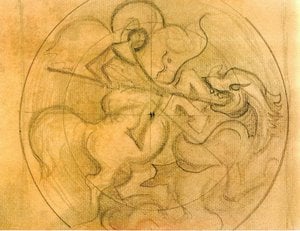
Untitled

- 98.0 x 130.0 cm
 Espandi i dettagli
L'opera d'arte visualizzata in questa pagina è protetta dalle leggi sul diritto d'autore, il che significa che non possiamo legalmente creare o vendere una riproduzione identica. Tale protezione è garantita da accordi internazionali quali la Convenzione di Berna e dalle leggi nazionali, incluse quelle stabilite da Legge sul copyright degli Stati Uniti - Titolo 17. Tutti i diritti riservati. Le immagini presenti su questo sito sono protette da copyright e non possono essere riprodotte o utilizzate senza l'autorizzazione scritta di WahooArt.com o dei rispettivi proprietari del copyright.
Questo metodo è pienamente conforme alle normative sul diritto d'autore poiché non prevede la copia o la duplicazione dell'opera protetta. Si tratta invece di una rielaborazione creativa: un nuovo dipinto che trae ispirazione dall'originale, senza tuttavia esserne identico.
Giclée / Stampe d'arte
Stampa giclée o su tela di qualità museale, con produzione rapida e diverse opzioni di finitura. ( Acquista il dipinto realizzato a mano Passa all'immagine digitale)




































Scegli tra le nostre dimensioni predefinite, che rispettano le proporzioni originali dell'opera d'arte.

Inserisci la larghezza e l'altezza desiderate, per adattarle alla tua cornice o alla tua parete. Una stampa può essere solo ritagliata, mai resa più grande dell'immagine originale; pertanto, un formato con una forma differente comporterà la perdita di una parte dell'opera. Ti invieremo un mockup digitale da approvare prima di procedere con la stampa. L'immagine mostrata in questa pagina non rappresenta il ritaglio reale — solo il mockup lo mostra.
Consegna in tutto il mondo () in 2 settimane invece delle normali 4/5 settimane. (2 Novembre)

Spedizione espressa gratuita in tutto il mondo

Tela in lino di alta qualità

Assicurazione completa sulla spedizione

Garanzia di rimborso dei dazi doganali

Garanzia di fedeltà cromatica assoluta

Politica di reso entro 100 giorni (solo per difetti di fabbricazione)

Garanzia di rimborso al 100%

Offerta per acquisti multipli
 L'opzione vetro è disponibile solo per dimensioni inferiori a 110 cm

Untitled
Giclée / Stampe d'arte
Dimensioni riproduzione
-


Prezzo finale calcolato
€ 55
Opere simili


Biografia dell'artista
La danza viscerale della materia: la vita e l'eredità di Kazuo Shiraga
Nel turbulento panorama del Giappone del dopoguerra, un nuovo linguaggio espressivo emerse dalle macerie della tradizione, spinto da un bisogno crudo e incontrollato di confrontarsi con la realtà. Al cuore di questa rivoluzione si stagliava Kazles Shiraga, un artista il cui stesso metodo di creazione divenne una performance di lotta fisica e liberazione spirituale. Nato ad Amagasaki nel 1924, i primi anni di Shiraga furono immersi in una dualità di influenze che avrebbero successivamente definito la sua estetica radicale. Si era formato nel mondo meticoloso e disciplinato del Nihonga—lo stile pittorico tradizionale giapponese caratterizzato da pennellate delicate e sottili sfumature tonali—eppure era simultaneamente perseguitato e ispirato dai movimenti primordiali e coreografati del teatro Noh. Questa precoce immersione nei gesti ritualistici della performance avrebbe infine trovato strada nelle sue tele, non attraverso tratti delicati, ma attraverso i movimenti violenti e avvolgenti dell'intero corpo.
La vera metamorfosi della carriera di Shiraga avvenne con il suo coinvolgimento nella Gutai Art Association, un collettivo che contribuì a fondare nel 1955. Insieme a visionari come Jirō Yoshihara, Shiraga cercò di andare oltre la mera rappresentazione degli oggetti, puntando invece ad "abbracciare la materia" e permetterle di parlare da sola. Questo periodo segnò la nascita della sua tecnica più iconica e viscerale: la pittura con i piedi. Rinunciando al pennello tradizionale, Shiraga si sospendeva a una corda sopra una tela distesa sul pavimento, usando i piedi per manipolare spessi e pesanti strati di pittura a olio. Questa non era solo una scelta stilistica, ma un atto esistenziale; utilizzando tutto il suo corpo, colmò il divario tra la presenza fisica dell'artista e il medium stesso, trasformando l'atto del dipingere in una danza di pura energia e istinto.
Una sinfonia di caos e spirito
Contemplare un dipinto di Shiraga significa trovarsi di fronte a un campo di battaglia di colore e consistenza. Le sue opere degli anni d'oro del gruppo Gutai sono caratterizzate da un impasto gestuale intenso che cattura l'inerzia dei suoi movimenti. I blu vorticosi, i rossi infuocati e i neri profondi non giacciono passivamente sulla tela; collidono, colano e si sovrappongono in un modo che evoca un senso di lotta cosmica. Questa tecnica era profondamente intrecciata con la sua evoluzione personale, in particolare con la sua successiva conversione al Buddismo. Con la maturità, l'energia caotica delle sue prime performance iniziò a riflettere un viaggio spirituale più profondo: una ricerca di trasformazione e rinnovamento in mezzo al flusso dell'esistenza. Opere come Fire of Dattan fungono da profonde testimonianza di ciò, dove composizioni vibranti evocano l'idea di un'anima che attraversa una metamorfosi attraverso il fuoco e la luce.
Oltre alla pura fisicità della sua opera, la significatività di Shiraga risiede nel modo in cui ha ridefinito i confini di ciò che l'arte può essere. Fu un pioniere che rifiutò di lasciarsi confinare dalla cornice, esplorando:
- La Performance Art: Utilizzando il corpo come strumento per lasciare segni indelebili nel mondo.
- La Tridimensionalità: Andando oltre la superficie piatta per confrontarsi con installazioni e creazione di oggetti.
- La Materialità: Trattando la pittura non solo come colore, ma come una sostanza scultorea pesante che possiede il proprio peso e la propria autonomia.
Attraverso la sua sperimentazione radicale, Kazuo Shiraga fece molto più che inventare un nuovo modo di dipingere; egli sfidò la definizione stessa del ruolo dell'artista nella società. Spostò l'attenzione dal prodotto finito al processo della creazione, assicurando che le tracce della lotta e del movimento umano rimanessero per sempre incise nel pigmento. La sua eredità rimane una pietra miliare della storia dell'arte moderna, ricordandoci che la vera creatività richiede spesso di rompere i nostri strumenti, abbandonare le nostre comodità e confrontarci con il mondo con tutto il nostro essere, senza inibizioni.

Kazuo Shiraga
1924 - 2008 , Giappone
Dettagli rapidi
- Artistic Movement Or Style: Gutai Art Association
- Artists Or Movements Influenced By This Artist: ['Yves Klein']
- Artists Who Influenced This Artist: ['Kazuo Shiraga']
- Date Of Birth: 1924
- Date Of Death: 2008
- Full Name: Fujiko Shiraga
- Nationality: Giapponese
- Notable Artworks: ['White Plank']
- Place Of Birth: Osaka, Giappone