


 Anteprima in scala reale
 Condividi
 Condividi
 Dettagli

 Scarica immagine
 Articoli simili
 Radiografia
 Slideshow
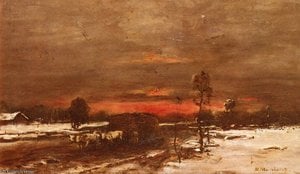
Winter

 Leggi tutto
Riproduzione a olio fatta a mano
Olio su tela dipinto a mano nelle tue dimensioni e con la tua cornice, realizzato su ordinazione dai nostri artisti. ( Ordina stampa Acquista download)




































Scegli tra le nostre dimensioni predefinite, che rispettano le proporzioni originali dell'opera d'arte.

È possibile inserire dimensioni personalizzate per adattare l'opera a una cornice o a uno spazio specifico. Se la dimensione selezionata non corrisponde alle proporzioni dell'immagine originale, provvederemo a ritagliare l'opera o a estendere il dipinto con elementi aggiuntivi dipinti a mano. Un mockup digitale ti sarà inviato per approvazione prima dell'inizio della produzione.
Si prega di notare che l'anteprima a schermo non riflette il ritaglio o l'estensione effettivi. Solo il mockup mostrerà accuratamente la composizione finale.
Sebbene siano disponibili dimensioni personalizzate, consigliamo di selezionare una dimensione dall'elenco predefinito per preservare le proporzioni originali.
Dopo l'ordine, il team di ArtsDot.com contatterà il cliente via e-mail per le istruzioni e fornirà un'anteprima del mockup
Consegna in tutto il mondo () in 3/4 settimane anziché nelle normali 5 settimane. (18 Agosto). Nessun compromesso sulla qualità.

Spedizione espressa gratuita in tutto il mondo

Tela in lino di alta qualità

Assicurazione completa sulla spedizione

Garanzia di rimborso dei dazi doganali

Garanzia di fedeltà cromatica dell'originale

Politica di reso entro 60 giorni (solo per difetti di fabbricazione)

Garanzia di rimborso al 100%

Sconto per acquisti multipli
 L'opzione vetro è disponibile solo per dimensioni inferiori a 110 cm

Winter
Tecnica di riproduzione
Dimensioni della riproduzione
-


Prezzo totale
$ 263
Opere correlate




Biografia dell'artista
Early Life and Artistic Beginnings
Károly Ferenczy (February 8, 1862 – March 18, 1917) was born in Vienna, Austria, to Ida Graenzenstein and Karel Freund, a Hungarian railway construction official. His mother’s untimely death shortly after his birth profoundly shaped his formative years, instilling within him a sensitivity to loss and an enduring fascination with capturing human emotion on canvas. From a young age, Ferenczy demonstrated exceptional artistic talent, pursuing formal training at the University of Vienna where he studied law alongside art. This dual pursuit reflected the intellectual curiosity that would characterize his entire life—a blend of rigorous scholarship and passionate engagement with creative expression. His early artistic influences included Jules Bastien-Lepage, whose naturalistic style championed a direct observation of nature and imbued Ferenczy with a foundational appreciation for plein air painting techniques.- Vienna’s Artistic Landscape: Ferenczy's formative years coincided with Vienna’s flourishing artistic milieu, fostering connections with fellow artists and exposing him to the avant-garde currents shaping European art.
- Influences of Bastien-Lepage: Bastien-Lepage’s emphasis on capturing natural light and portraying rural life resonated deeply with Ferenczy's developing aesthetic sensibilities.
Munich and Impressionistic Transformation
A pivotal moment in Ferenczy’s artistic trajectory arrived in 1889 when he relocated to Munich, Germany—a city renowned as the epicenter of European art innovation. Recognizing the transformative potential of German artistic culture, Ferenczy enrolled at the Akademie der Bildenden Künste München (Munich Academy of Fine Arts), immersing himself in a vibrant environment brimming with experimental ideas and challenging conventions. Here, he encountered Simon Hollósy, a Hungarian painter who championed Impressionism and encouraged students to embrace French painting techniques—particularly en plein air painting—as a means of conveying the immediacy of experience. Ferenczy’s exposure to Hollosy's circle profoundly broadened his artistic horizons, propelling him toward a more liberated and expressive style that would define his subsequent oeuvre.- The Akademie der Bildenden Künste München: Munich Academy fostered an environment conducive to experimentation and innovation, attracting artists eager to push boundaries and redefine artistic expression.
- Simon Hollósy’s Influence: Hollosy's advocacy for Impressionism instilled in Ferenczy a commitment to capturing fleeting moments of beauty and conveying emotion through color and light—a hallmark of his distinctive artistic vision.
The Nagybánya Artists’ Colony and Hungarian Modernism
In 1896, Ferenczy joined forces with István Réti and János Thorma to establish the Nagybánya artists’ colony—a landmark initiative that would solidify Hungary's position at the forefront of European artistic developments. Situated in Transylvania (now Romania), Nagybánya became a crucible for Hungarian Modernism, attracting a cohort of talented painters who sought to forge a unique national identity rooted in both tradition and innovation. Ferenczy spearheaded this endeavor, fostering a collaborative spirit among artists and championing a bold embrace of Impressionistic principles—coupled with a deep reverence for Hungarian landscapes and rural life. The colony’s output—characterized by luminous color palettes and evocative depictions of the Hungarian countryside—became emblematic of Ferenczy's artistic legacy.- The Founding of Nagybánya: Ferenczy’s vision for Nagybánya stemmed from a desire to revitalize Hungarian art and instill in younger artists a commitment to capturing the essence of national identity through artistic expression.
- Impressionistic Techniques: The colony's artists adopted Impressionistic techniques—primarily plein air painting—to convey the immediacy of experience and capture the transformative effects of light on the landscape.
Mature Style and Symbolist Explorations
Throughout his prolific career, Ferenczy honed his artistic skills in diverse mediums—oil paintings, watercolors, prints, and etchings—demonstrating versatility and unwavering dedication to mastering various artistic approaches. His style evolved from naturalistic depictions of Hungarian landscapes to more introspective explorations of human emotion and psychological depth. Influenced by Symbolist aesthetics—particularly the works of Gustave Moreau and Edvard Munch—Ferenczy incorporated mythological themes and allegorical imagery into his paintings, reflecting a fascination with timeless narratives and conveying profound spiritual resonances. Works such as “Leda” (1902) and “Apollo and Marsyas” (1904) exemplify Ferenczy’s artistic ambition to transcend mere representation and engage viewers in contemplation—a testament to his enduring contribution to Hungarian art history.- Symbolist Influences: Moreau and Munch's exploration of myth, emotion, and psychological symbolism profoundly impacted Ferenczy's artistic sensibilities, shaping his stylistic choices and thematic preoccupations.
- Diverse Artistic Mediums: Ferenczy’s mastery encompassed a wide range of artistic mediums—oil paintings, watercolors, prints, and etchings—reflecting his adaptability and unwavering commitment to honing his craft across various disciplines.

Károly Ferenczy
1862 - 1917 , Austria
Informazioni rapide
- Artistic Movement Or Style: Impressionism Hungary
- Artists Who Influenced This Artist:
- Simon Hollósy
- Jules Bastien-Lepage
- Date Of Birth: February 8, 1862
- Full Name: Károly Ferenczy
- Nationality: Hungarian
- Notable Artworks:
- Feeding The Chickens
- Portrait Of Béni Ferenczy
- Place Of Birth: Vienna, Austria
Articoli correlati

Károly Ferenczy: Pioneering Hungarian Modernism & the Soul of a Nation
Explore the life & art of Károly Ferenczy, a pivotal figure in Hungarian Modernism. Discover his landscapes, portraits, and role in founding the Nagybánya colony. Expert insights for collectors & enthusiasts.

I 10 Capolavori del Paesaggio: Arte, Storia e Decorazioni Raffinate | ArtsDot
Esplora i 10 capolavori del paesaggio artistico! Da Monet a Van Gogh, scopri la storia e le tecniche dietro quadri iconici. Trova stampe su tela di alta qualità per decorare casa con arte e stile. Scopri tutte le opere su ArtsDot.com

Paul Cézanne: I 25 Capolavori che Hanno Rivoluzionato l'Arte Moderna | ArtsDot
Esplora i 25 capolavori di Paul Cézanne, il maestro dell'impressionismo e post-impressionismo. Scopri la storia, le tecniche e i colori iconici dietro opere come 'Le grandi bagnanti' e 'Mont Sainte-Victoire'. Trova riproduzioni artistiche di alta qualità per decorare la tua casa su ArtsDot.com.

Evocations of Place: A Historical Journey Through Landscape Art
Explore the rich history of landscape art with ArtsDot. Discover renowned artists, movements like Impressionism & Romanticism, and expert guidance for collecting timeless pieces. Find your perfect serene escape today!

Evocations of Place: A Historical Journey Through Landscape Art
Explore the rich history of landscape art with ArtsDot. Discover renowned artists, movements like Impressionism & tonalism, and expert guidance for collecting timeless pieces. Find your perfect serene escape today!

