

 Anteprima in scala reale
 Invia
Invia Condividi
 Dettagli opera
 Guida
Guida

 Scarica
 Simili
 Radiografia
 Slideshow
 Q&A
Q&A Statistiche
Sir John Robinson

- 71.0 x 56.0 cm
 Espandi i dettagli
Giclée / Stampe d'arte
Stampa giclée o su tela di qualità museale, con produzione rapida e diverse opzioni di finitura. ( Acquista il dipinto realizzato a mano Passa all'immagine digitale)




































Scegli tra le nostre dimensioni predefinite, che rispettano le proporzioni originali dell'opera d'arte.

Inserisci la larghezza e l'altezza desiderate, per adattarle alla tua cornice o alla tua parete. Una stampa può essere solo ritagliata, mai resa più grande dell'immagine originale; pertanto, un formato con una forma differente comporterà la perdita di una parte dell'opera. Ti invieremo un mockup digitale da approvare prima di procedere con la stampa. L'immagine mostrata in questa pagina non rappresenta il ritaglio reale — solo il mockup lo mostra.
Consegna in tutto il mondo () in 2 settimane invece delle normali 4/5 settimane. (2 Novembre)

Spedizione espressa gratuita in tutto il mondo

Tela in lino di alta qualità

Assicurazione completa sulla spedizione

Garanzia di rimborso dei dazi doganali

Garanzia di fedeltà cromatica assoluta

Politica di reso entro 100 giorni (solo per difetti di fabbricazione)

Garanzia di rimborso al 100%

Offerta per acquisti multipli
 L'opzione vetro è disponibile solo per dimensioni inferiori a 110 cm

Sir John Robinson
Giclée / Stampe d'arte
Dimensioni riproduzione
-


Prezzo finale calcolato
€ 55
Opere simili


Biografia dell'artista
John James Napier (1831–1877): A Victorian Painter of Domestic Intimacy
John James Napier, born in Edinburgh in 1831, emerged as a prominent Victorian portrait painter during a period marked by significant social and artistic change. His distinctive style—characterized by meticulous detail and an unwavering focus on capturing the essence of familial relationships—established him as one of London’s most celebrated artists of his time. While biographical information remains somewhat sparse, Napier's legacy rests firmly upon his captivating depictions of everyday life within affluent Victorian households. Napier’s artistic journey began with formal training at the Edinburgh School of Art and Design, where he honed his technical skills before relocating to London in 1859. Immediately immersing himself in the vibrant art scene of the capital, he quickly gained recognition for his ability to portray subjects with remarkable sensitivity and psychological insight. Unlike many contemporaries who favored grand historical narratives or mythological themes, Napier deliberately chose to depict scenes from domestic interiors—often featuring mothers and children—offering viewers a glimpse into the private sphere of Victorian society. His artistic influences were diverse, drawing inspiration from artists such as Sir Thomas Lawrence and Frederic Leighton, both masters of portraiture known for their idealized representations of nobility. However, Napier’s approach differed markedly from these figures; he eschewed overtly decorative flourishes in favor of understated elegance and a profound understanding of human emotion. He meticulously observed his subjects—capturing subtle expressions and gestures that conveyed unspoken feelings—resulting in portraits imbued with an unparalleled sense of warmth and authenticity. Napier's prolific output included numerous commissions for wealthy families throughout London, securing him a place among the Royal Academy and British Institution’s most esteemed painters. His paintings consistently garnered critical acclaim, praised for their technical virtuosity and emotional resonance. Notable works include “Janet Parker Langmuir” (1867), a poignant portrayal of a mother cradling her child—a piece that exemplifies Napier's signature style and continues to resonate with audiences today. Furthermore, his inclusion in the British Institution’s annual exhibitions solidified his reputation as a leading voice within Victorian artistic discourse. Ultimately, John James Napier’s contribution to art history transcends mere stylistic innovation; he championed a humanist vision that prioritized portraying the complexities of human experience—specifically familial bonds—within the context of Victorian society. His enduring influence can be seen in subsequent generations of portrait painters who sought to emulate his meticulous technique and empathetic gaze. Napier's legacy persists as a testament to the power of art to illuminate the quiet dramas unfolding within ordinary lives, securing him a place among the icons of Victorian artistic achievement.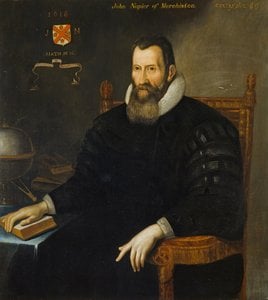
John James Napier
1831 - 1877
Dettagli rapidi
- Full Name: John James Napier
- Nationality: British
- Date Of Birth: 1831
- Date Of Death: 1877
- Place Of Birth: London, England
- Notable Artworks:
- Janet Parker Langmuir
- Highgate Cemetery
- Artistic Movement Or Style: Victorian Portraiture