


 Anteprima in scala reale
 Condividi
 Condividi
 Dettagli
 Guida stampabile

 Scarica
 Articoli simili
 Radiografia
 Slideshow
 Statistiche
The Running Brook


 Leggi tutto
Riproduzione a olio fatta a mano
Olio su tela dipinto a mano nelle tue dimensioni e con la tua cornice, realizzato su ordinazione dai nostri artisti. ( Passa alle stampe Passa all'immagine digitale)




P118B €10

P118H €10

P118W €10

P438Z €10

P508JH €12

P508YH €12

P805H €10

P805Z €10

P919BZ €10

P919G €10

P919XJ €10

P959ZH €10

P968JZ €12

W106C €8

W218G €10

W218JH €8

W218Y €10

W307PJ €10

W316G €10

W316PJ €8

W316Y €10

W398PJ €8

W4111J €10

W500HY €15

W500JH €15

W692G €12

W849H €8

W940BG €15

W953PJ €8




Scegli tra le nostre dimensioni predefinite, che rispettano le proporzioni originali dell'opera d'arte.

Inserisci la larghezza e l'altezza di cui hai bisogno, per adattarle alla tua cornice o alla tua parete. Trattandosi di un'opera dipinta a mano, in caso di dimensioni con una forma differente, l'artista può dipingere un po' più oltre i bordi dell'immagine o ritagliare leggermente — la scelta spetta a te. Ti invieremo un mockup digitale da approvare prima che la pittura abbia inizio. L'immagine mostrata in questa pagina non rappresenta il risultato reale — solo il mockup lo fa.
Dopo l'ordine, il team di ArtsDot.com contatterà il cliente via e-mail per ricevere le istruzioni e fornirà un'anteprima del mockup
Consegna in tutto il mondo () in 3/4 settimane anziché nelle normali 5 settimane. (24 Ottobre). Nessun compromesso sulla qualità.

Spedizione espressa gratuita in tutto il mondo

Tela in lino di alta qualità

Assicurazione completa sulla spedizione

Garanzia di rimborso dei dazi doganali

Garanzia di perfetta fedeltà cromatica

Politica di reso entro 100 giorni (solo per difetti di fabbricazione)

Garanzia di rimborso al 100%

Sconto per acquisti multipli
 L'opzione vetro è disponibile solo per dimensioni inferiori a 110 cm

The Running Brook
Tecnica di riproduzione
Dimensioni della riproduzione
-


Prezzo totale
€ 231
A Symphony of Serenity: Exploring The Running Brook
To gaze upon John George Brown's "The Running Brook" is to step across a threshold and into a moment suspended in time—a pocket of profound, untroubled peace. This 1873 oil on canvas does more than merely depict a forest scene; it captures the very breath of nature at its most tranquil. The composition immediately draws the eye along the gentle current of the stream, an artery of liquid silver winding through the verdant embrace of the woods. Standing near this water's edge, the solitary figure seems less like a subject and more like an embodiment of quiet contemplation, inviting the viewer to pause their own hurried existence and simply listen to the murmur of the flowing water.
Mastery in Light and Atmosphere
Brown’s technical brilliance is most evident in his handling of light. The painting is a masterclass in capturing natural illumination; notice how the sunlight, filtered through the dense canopy overhead, dapples the forest floor and dances across the ripples of the brook. This play of shadows and luminous patches lends an incredible depth to the scene, transforming what could be a simple landscape into a dimensional, breathing world. The artist employs soft brushstrokes that allow the viewer's eye to wander effortlessly, mimicking the way light shifts subtly over time in a real woodland setting. It is this delicate interplay—the muted colors against the bright highlights—that gives the work its signature sense of ethereal calm.
Symbolism and the Human Connection to Nature
Beyond its aesthetic beauty, "The Running Brook" resonates with deep symbolism. The running water itself has long been a universal metaphor for the passage of time, yet here, it feels cyclical and eternal—a constant reassurance against life's inevitable changes. The surrounding forest represents refuge, a sanctuary from the clamor of civilization. Even the small detail of the bird perched on a branch adds a touch of wild, untamed life observing the quiet communion between man and nature. For the collector or decorator, this piece offers more than just decoration; it offers an emotional anchor—a visual promise of peace.
A Glimpse into Late 19th Century Landscape Art
Historically, "The Running Brook" situates itself within a rich tradition of landscape painting that sought to elevate the sublime beauty of the natural world. While Brown’s work speaks with a distinctly American sensibility rooted in observation, it shares an affinity with the Impressionist focus on fleeting moments found in nature, much like Monet's explorations of light. Owning a reproduction of this piece allows one to connect directly with the artistic currents of the late 19th century—a time when artists turned increasingly toward capturing the emotional resonance inherent in the landscape itself. It is a testament to Brown’s skill as an observer and interpreter of the natural spirit.
Domande e risposte
Che livello di saturazione e intensità presenta "The Running Brook" di John George Brown?
Il colore di "The Running Brook" presenta una saturazione di Clear Color Presence e un'intensità di Vivid.
Qual è la luminosità percepita di "The Running Brook" di John George Brown?
La luminosità percepita di "The Running Brook" di John George Brown è bright. Può essere armonizzata con la luce dello spazio destinato all'opera.
Che livello di contrasto presenta "The Running Brook" di John George Brown?
Il contrasto chiaroscurale di "The Running Brook" è registrato come Bold. Il contrasto descrive quanto marcata sia la differenza tra le aree chiare e quelle scure.
Opere correlate


Biografia dell'artista
John George Brown: Una Vita Dedicata a Catturare l'Infanzia Americana
- Nato: Durham, Regno Unito (1831)
- Morto: 1913
John George Brown è stato un artista britannico-americano rinomato per i suoi dipinti di genere che raffigurano la vita dei bambini in America durante il XIX secolo. La sua opera offre uno sguardo toccante alla società vittoriana, concentrandosi particolarmente sulle esperienze dei ragazzi di strada e della gioventù rurale.
Primi Anni e Formazione Artistica
- Primi Anni: La prima vita di Brown fu segnata da circostanze modeste. Nato a Durham, in Inghilterra, iniziò a lavorare in una fabbrica di vetro all'età di quattordici anni per sostenere la sua famiglia.
- Auto-Formazione: Nonostante la limitata formazione formale, Brown dimostrò un talento artistico innato e perseguì l'auto-formazione attraverso corsi serali alla School of Design a Newcastle. Successivamente studiò all'Accademia dei Trustee a Edimburgo.
- Emigrazione in America: Nel 1853, Brown emigrò negli Stati Uniti, stabilendosi a Brooklyn, New York. Questo trasferimento si rivelò fondamentale per la sua carriera artistica.
- Studi Formali: All'arrivo in America, approfondì i suoi studi alla Graham Art School e alla National Academy of Design, affinando le sue capacità sotto istruttori come Thomas Seir Cummings.
Carriera Artistica e Stile Caratteristico
- Primi Ritratti: Brown si stabilì inizialmente come ritrattista, ma gradualmente spostò la sua attenzione verso scene di genere.
- L'Ascesa del Genere "Ragazzo di Strada": A partire dagli anni '60 dell'Ottocento, divenne celebrato per le sue raffigurazioni di ragazzi di strada – lustrascarpe, venditori di giornali e fiorai – catturando la loro vita quotidiana con notevoli dettagli ed empatia. Questi dipinti risuonarono profondamente in un pubblico desideroso di vedere rappresentazioni della vita americana.
- Influenze: Lo stile di Brown fu influenzato dalla scuola Barbizon, nota per la sua enfasi sulla pittura paesaggistica e le raffigurazioni realistiche della vita quotidiana. Ammirava anche l'uso drammatico della luce e del colore di William Turner.
- Caratteristiche Distintive: I suoi dipinti sono caratterizzati da una rappresentazione sentimentale ma osservatrice dell'infanzia, spesso intrisa di sottotoni morali. L'attenzione meticolosa di Brown ai dettagli, in particolare nella raffigurazione di abbigliamento e dintorni, è notevole.
- Successo Commerciale: Un uomo d'affari astuto, Brown registrò il copyright di molte delle sue opere più popolari, portando a una riproduzione diffusa come litografie cromate e stampe fotografiche, migliorando ulteriormente la sua fama e il suo successo finanziario.
Opere Principali e Significato Storico
- Dipinti Notabili: Alcune delle opere più conosciute di Brown includono "The Net Mender" (Il Riparatore di Reti) e "The First Point", che esemplificano la sua capacità di catturare la bellezza della vita quotidiana. “Claiming the Shot - A Group of Portraits after the Hunt in the Adirondacks” (Rivendicando lo Sparo – Un Gruppo di Ritratti dopo la Caccia nelle Adirondack) è un'altra opera significativa, che mostra una scena di gruppo con realismo notevole.
- Rappresentazione dell'America Vittoriana: I dipinti di Brown forniscono preziose informazioni sulla società americana del XIX secolo, in particolare sulla vita dei bambini lavoratori e sul mutevole paesaggio urbano.
- Commento Morale: Il suo lavoro spesso portava un sottile messaggio morale, riflettendo la sua convinzione nell'importanza del duro lavoro, dell'onestà e della resilienza.
- Presenza nei Musei: I dipinti di Brown sono conservati in prestigiose collezioni tra cui la National Gallery a Londra e il Detroit Institute of Arts.
Ultimi Anni ed Eredità
- Passaggio alla Rappresentazione degli Anziani: Negli anni successivi, l'attenzione artistica di Brown si spostò verso la rappresentazione di persone anziane, spesso raffigurate in ambienti rurali, evocando un senso di nostalgia per un passato più semplice.
- Attività Artistica Continua: Rimase un membro attivo di varie istituzioni artistiche, tra cui l'American Watercolor Society e la National Academy of Design, ricoprendo la carica di vicepresidente quest'ultima dal 1899 al 1904.
- Impatto Duraturo: John George Brown ha lasciato un corpus significativo di opere che continuano ad essere ammirate per la sua rappresentazione sentimentale dell'infanzia americana e per la sua acuta raffigurazione della società vittoriana. È ricordato come uno dei pittori di genere più ricchi degli Stati Uniti all'epoca della sua morte, a testimonianza sia del suo talento artistico che della sua perspicacia negli affari.

John George Brown
1831 - 1913 , Regno Unito
Informazioni rapide
- Artistic Movement Or Style: Barbizon, pittura di genere
- Artists Who Influenced This Artist: ['William Turner']
- Date Of Birth: 11 novembre 1831
- Date Of Death: 8 febbraio 1913
- Full Name: John George Brown
- Nationality: Britannico-Americano
- Notable Artworks (List Of Titles):
- The Net Mender
- The First Point
- Claiming the Shot
- Place Of Birth (City And Country): Durham, Regno Unito
Articoli correlati

I 10 Capolavori Impressionisti che Hanno Rivoluzionato il Paesaggio Pittorico
Esplora i 10 capolavori impressionisti che hanno rivoluzionato il paesaggio pittorico! Monet, Renoir e altri maestri catturati in stampe su tela di alta qualità. Scopri la storia dell'arte e trova l'opera perfetta per arredare casa tua con ArtsDot.com.

John Constable: I 25 Capolavori che Celebrano la Bellezza della Campagna Inglese
Esplora i 25 capolavori di John Constable, il maestro del Romanticismo inglese. Paesaggi suggestivi, luce naturale e colori vibranti ti aspettano. Acquista riproduzioni d'arte di alta qualità su ArtsDot.com e porta la bellezza della campagna inglese nella tua casa.
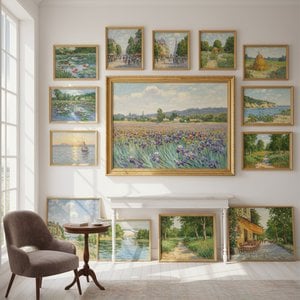
I 10 Capolavori Impressionisti che Hanno Rivoluzionato il Paesaggio Pittorico
Esplora i 10 capolavori impressionisti che hanno rivoluzionato il paesaggio pittorico! Monet, Renoir e altri maestri catturati in stampe su tela di alta qualità. Trova l'arte perfetta per la tua casa su ArtsDot.com.

Nature’s Sanctuary: Curating Enchanting Forest Artworks to Transform Your Home into a Serene Woodland Retreat
Transform your home into a serene woodland retreat with enchanting forest artworks. Discover museum-quality oil reproductions and custom landscape commissions designed to bring the peaceful beauty of nature indoors.

Renoir: I 25 Capolavori Essenziali per Amare l'Impressionismo | ArtsDot
Esplora i 25 capolavori di Renoir, l'icona dell'Impressionismo! Scopri la storia, le tecniche e i colori vibranti dei suoi dipinti più famosi. Trova riproduzioni artistiche di alta qualità per decorare casa tua su ArtsDot.com.


