


 Anteprima in scala reale
 Condividi
 Condividi
 Dettagli
 Guida stampabile

 Scarica
 Articoli simili
 Radiografia
 Slideshow
 Statistiche
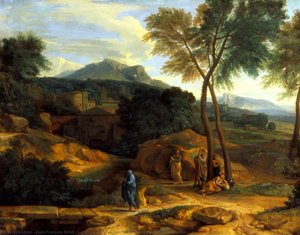
Idyllic Landscape

 Leggi tutto
Giclée / Stampe d'arte
Stampa giclée o su tela di qualità museale, con produzione rapida e diverse opzioni di finitura. ( Ordina la riproduzione dipinta a mano Passa all'immagine digitale)




P118B $10

P118H $10

P118W $10

P438Z $10

P508JH $12

P508YH $12

P805H $10

P805Z $10

P919BZ $10

P919G $10

P919XJ $10

P959ZH $10

P968JZ $12

W106C $8

W218G $10

W218JH $8

W218Y $10

W307PJ $10

W316G $10

W316PJ $8

W316Y $10

W398PJ $8

W4111J $10

W500HY $15

W500JH $15

W692G $12

W849H $8

W940BG $15

W953PJ $8




Scegli tra le nostre dimensioni predefinite, che rispettano le proporzioni originali dell'opera d'arte.

È possibile inserire dimensioni personalizzate per adattare l'opera a una cornice o a uno spazio specifico. Se la dimensione selezionata non corrisponde alle proporzioni dell'immagine originale, procederemo al ritaglio dell'opera o all'estensione dell'immagine con un bordo specchiato o a tinta unita. Un mockup digitale ti verrà inviato per approvazione prima dell'inizio della produzione.
Si prega di notare che l'anteprima a schermo non riflette il ritaglio o l'estensione effettivi. Solo il mockup mostrerà accuratamente la composizione finale.
Sebbene siano disponibili dimensioni personalizzate, si raccomanda di selezionare una dimensione dall'elenco predefinito per preservare le proporzioni originali.
Consegna in tutto il mondo () in 2 settimane invece delle normali 4/5 settimane. (26 Settembre)

Spedizione espressa gratuita in tutto il mondo

Tela in lino di alta qualità

Assicurazione completa sulla spedizione

Garanzia di rimborso dei dazi doganali

Garanzia di perfetta fedeltà cromatica

Politica di reso entro 100 giorni (solo per difetti di fabbricazione)

Garanzia di rimborso al 100%

Sconto per acquisti multipli
 L'opzione vetro è disponibile solo per dimensioni inferiori a 110 cm

Idyllic Landscape
Giclée / Stampe d'arte
Dimensioni della riproduzione
-


Prezzo totale
$ 62
Jean-François Millet’s Idyllic Landscape: A Window into Rural Life
Jean-François Millet's "Idyllic Landscape," though its exact dimensions remain unknown, offers a profoundly moving glimpse into the heart of 19th-century rural France. Painted around the mid-1860s, this work transcends mere landscape depiction; it’s a carefully constructed tableau that speaks volumes about the dignity and hardship of peasant life, firmly rooted in Millet's own upbringing within the Norman countryside. Born in Gruchy in 1814, Millet didn’t inherit an artistic legacy but rather a life inextricably linked to the rhythms of agriculture – sowing, reaping, and enduring the relentless demands of the land. This intimate connection is palpable throughout his art, imbuing each scene with an authenticity that resonated powerfully with a society undergoing rapid industrialization and urbanization.
The painting immediately establishes a sense of tranquility, achieved through a muted palette dominated by earthy greens, browns, and soft blues. The composition centers around a substantial tree, its branches providing welcome shade to the figures strolling beneath – likely villagers engaged in leisurely pursuits. Two smaller trees on the right side add depth and visual interest, while the distant horizon is framed by a gently rolling sky. Millet masterfully employs atmospheric perspective; details recede into the distance, creating an illusion of vastness and emphasizing the scale of the landscape.
Realism and the Dignity of Labor
Millet’s work firmly places him within the burgeoning Realist movement, a reaction against the idealized Romantic landscapes that preceded it. He eschewed romantic notions of beauty in favor of portraying life as it truly was – often difficult and unglamorous. The figures in "Idyllic Landscape" are not presented as heroic or sublime; they are simply people going about their daily lives. Their clothing is modest, their postures relaxed, suggesting a comfortable familiarity with the surroundings. The presence of animals—a horse and a dog—further reinforces this connection to rural life, highlighting the symbiotic relationship between humans and nature.
Notably, Millet’s meticulous attention to detail reveals the physical labor inherent in peasant existence. The way the figures move, the texture of their clothing, and the subtle variations in light and shadow all contribute to a sense of realism that was revolutionary for its time. He wasn't interested in grand narratives or dramatic events; instead, he sought to capture the quiet dignity of ordinary people engaged in everyday tasks.
Symbolism and Emotional Resonance
While seemingly straightforward, "Idyllic Landscape" is rich with symbolic meaning. The tree itself can be interpreted as a symbol of life, strength, and resilience – offering shelter and sustenance to those who seek it. The figures’ leisurely stroll suggests a moment of respite from the demands of labor, a brief acknowledgment of beauty amidst hardship. The overall mood is one of contentment and harmony, inviting viewers to contemplate the simple joys of rural existence.
Millet's use of light is particularly noteworthy. It’s not harsh or dramatic but rather soft and diffused, creating an atmosphere of warmth and serenity. This gentle illumination contributes significantly to the painting’s emotional impact, evoking a sense of nostalgia for a bygone era and reminding us of the enduring value of connection with nature.
Collecting a Reproduction
ArtsDot offers meticulously crafted hand-painted reproductions of Jean-François Millet's "Idyllic Landscape," allowing you to bring this iconic work into your home or office. Our skilled artists faithfully recreate Millet’s nuanced brushwork, atmospheric perspective, and evocative use of color, ensuring that the essence of the original painting is preserved with exceptional detail. Whether you are an art enthusiast, a collector seeking to expand your collection, or simply someone who appreciates the beauty of rural life, a ArtsDot reproduction offers a stunning and authentic representation of this timeless masterpiece. Explore our range of sizes and framing options to find the perfect addition to your space – a window into the heart of 19th-century France.
Opere correlate




Biografia dell'artista
primi anni di vita e istruzione
jean-françois millet, nato il 4 ottobre 1814 in Normandia, Francia, è emerso come figura chiave nella scuola di Barbizon e un sostenitore del movimento artistico realista. Cresciuto in una comunità agricola, la sua infanzia è stata segnata da esperienze rurali che hanno profondamente influenzato i suoi temi artistici.viaggio artistico
L'educazione artistica formale di Millet è iniziata nel 1833 sotto la guida del pittore di ritratti Bon du Mouchel a Cherbourg. In seguito ha studiato con Théophile Langlois de Chèvreville, uno studente di Baron Gros. Sostenuto da una borsa di studio, si è trasferito a Parigi nel 1837 per frequentare l'École des Beaux-Arts e ha studiato sotto la guida di Paul Delaroche. Tuttavia, il suo percorso non è stato privo di ostacoli; nel 1839 ha perso la sua borsa di studio e si è trovato respinto dal Salon.opere notevoli e movimento realista
Il viaggio artistico di Millet riflette il suo profondo legame con le sue radici rurali e la sua dedizione a rappresentare la vita dei contadini con dignità e realismo. Alcune delle sue opere più importanti includono:- I mietitori (1855), una rappresentazione toccante dei contadini, che mostra la maestria di Millet nel realismo.
- L'Angelus (1850-1861), una serie di dipinti che evidenziano le difficoltà quotidiane della vita rurale.
- Il seminatore (1850), una rappresentazione iconica delle difficoltà affrontate dai contadini, ora ospitata al Musée d'Orsay di Parigi.
eredità e influenza
L'eredità di Millet come fondatore della scuola di Barbizon lo segna come una figura chiave nella transizione verso il realismo nell'arte. La sua influenza può essere vista nelle opere di artisti successivi, tra cui Correa Benito Rebolledo, che hanno continuato a spingere i confini del realismo. Esplora altre opere di Millet e il movimento realista su ArtsDot: Jean François Millet the elder | ArtsDot Il nuovo realismo artistico | ArtsDot
Jean-François Millet
1814 - 1875 , Francia
Informazioni rapide
- Artisti Influenti:
- Bon du Mouchel
- Théophile Langlois
- Paul Delaroche
- Artisti Influenzati: ['Correa Benito Rebolledo']
- Data Di Nascita: 4 ottobre 1814
- Luogo Di Nascita: Gruchy, Francia
- Movimento Artistico: Realismo, Scuola di Barbizon
- Nazionalità: Francese
- Nome Completo: Jean-François Millet
- Opere Notevoli:
- I mietitori
- L'Angelus
- Il seminatore
Articoli correlati

Jean-François Millet: Realismo, Vita Rurale e la Poetica Rappresentazione del Lavoro
Esplora la vita e le opere di Jean-François Millet, maestro del realismo rurale. Approfondisci il suo contributo alla Scuola di Barbizon, l'iconografia del lavoro contadino e l'influenza sull'arte moderna. Analisi approfondite e contesto storico.

I 10 Capolavori del Realismo Romantico che hanno Incantato la Storia dell'Arte
Esplora l'emozione del Realismo Romantico attraverso 10 capolavori senza tempo. Scopri la storia di maestri come Constable e Friedrich e lasciati ispirare da opere iconiche per il tuo arredamento. Trova riproduzioni d'arte di qualità museale su ArtsDot.com.

Cultivating Visions: Rural Life & Social Commentary in Art History
Explore the rich history of rural life in art! Discover masterpieces from Dutch Masters to Van Gogh & Courbet. Uncover artistic movements, social significance & expert collecting insights at ArtsDot.

John Constable: I 25 Capolavori che Celebrano la Bellezza della Campagna Inglese
Esplora i 25 capolavori di John Constable, il maestro del Romanticismo inglese. Paesaggi suggestivi, luce naturale e colori vibranti ti aspettano. Acquista riproduzioni d'arte di alta qualità su ArtsDot.com e porta la bellezza della campagna inglese nella tua casa.

Echoes of Rural Life: Art's Enduring Representations of the Countryside
Explore the rich history of rural life in art! Discover masterpieces from Millet to Mauve & beyond. Learn about Realism, Barbizon School & find inspiration for your home with ArtsDot.


