


 Anteprima in scala reale
 Condividi
 Condividi
 Dettagli

 Scarica immagine
 Articoli simili
 Radiografia
 Slideshow
untitled (2082)


 Leggi tutto
Riproduzione a olio fatta a mano
Olio su tela dipinto a mano nelle tue dimensioni e con la tua cornice, realizzato su ordinazione dai nostri artisti. ( Ordina stampa Acquista download)




P118B $10

P118H $10

P118W $10

P438Z $10

P508JH $12

P508YH $12

P805H $10

P805Z $10

P919BZ $10

P919G $10

P919XJ $10

P959ZH $10

P968JZ $12

W106C $8

W218G $10

W218JH $8

W218Y $10

W307PJ $10

W316G $10

W316PJ $8

W316Y $10

W398PJ $8

W4111J $10

W500HY $15

W500JH $15

W692G $12

W849H $8

W940BG $15

W953PJ $8




Scegli tra le nostre dimensioni predefinite, che rispettano le proporzioni originali dell'opera d'arte.

È possibile inserire dimensioni personalizzate per adattare l'opera a una cornice o a uno spazio specifico. Se la dimensione selezionata non corrisponde alle proporzioni dell'immagine originale, provvederemo a ritagliare l'opera o a estendere il dipinto con elementi aggiuntivi dipinti a mano. Un mockup digitale ti sarà inviato per approvazione prima dell'inizio della produzione.
Si prega di notare che l'anteprima a schermo non riflette il ritaglio o l'estensione effettivi. Solo il mockup mostrerà accuratamente la composizione finale.
Sebbene siano disponibili dimensioni personalizzate, consigliamo di selezionare una dimensione dall'elenco predefinito per preservare le proporzioni originali.
Dopo l'ordine, il team di ArtsDot.com contatterà il cliente via e-mail per le istruzioni e fornirà un'anteprima del mockup
Consegna in tutto il mondo () in 3/4 settimane anziché nelle normali 5 settimane. (16 Agosto). Nessun compromesso sulla qualità.

Spedizione espressa gratuita in tutto il mondo

Tela in lino di alta qualità

Assicurazione completa sulla spedizione

Garanzia di rimborso dei dazi doganali

Garanzia di fedeltà cromatica dell'originale

Politica di reso entro 60 giorni (solo per difetti di fabbricazione)

Garanzia di rimborso al 100%

Sconto per acquisti multipli
 L'opzione vetro è disponibile solo per dimensioni inferiori a 110 cm

untitled (2082)
Tecnica di riproduzione
Dimensioni della riproduzione
-


Prezzo totale
$ 263
Descrizione dell'opera
A Window into Faith and Observation: Exploring Jan van Eyck’s Untitled Composition
Jan van Eyck, a titan amongst Early Netherlandish painters, stands as an unparalleled pioneer of oil painting—a transformative innovation that irrevocably altered the artistic landscape of his era. Born around 1390 in Maastricht, Netherlands, he descended from a lineage deeply rooted in artistic prowess; his brother Hubert, equally gifted, pursued similar endeavors, though much about Hubert’s oeuvre remains shrouded in obscurity. Biographical details surrounding Van Eyck's formative years are sparse, yet what emerges is undeniable: an innate talent coupled with unwavering dedication propelled him to remarkable heights within the vibrant artistic milieu of Bruges and beyond. By 1422, he had established a flourishing workshop in The Hague, fostering collaboration amongst assistants and accepting commissions that cemented his reputation as a master craftsman—a testament not merely to skill but also to shrewd judgment and trustworthiness.- Style: Van Eyck’s distinctive style embodies the meticulous realism characteristic of Northern Renaissance art. Unlike the stylized depictions prevalent in Italy at the time, he prioritized precise observation and detailed rendering, capturing textures and nuances with breathtaking accuracy.
- Technique: The cornerstone of his artistic achievement was the masterful application of oil paint—a technique previously considered experimental—allowing for unprecedented luminosity and depth. Layers upon layers of pigment were painstakingly built up, creating surfaces that shimmered with an otherworldly glow and revealing astonishing detail. This painstaking process demanded immense patience and precision.
Opere correlate


Biografia dell'artista
vitae e carriera
Jan van Eyck, una figura eminente del movimento pittorico fiammingo antico, nacque intorno al 1390 a Maaseik, Belgio attuale. Entro il 1422, si era affermato come pittore maestro con un laboratorio e assistenti ad Anversa. In particolare, ha servito Giovanni III il Crudele e successivamente Filippo il Bello, duca di Borgogna, come pittore di corte, godendo di grande stima e impegnandosi in attività diplomatiche.contributi artistici
Le opere di Van Eyck, inizialmente radicate nello stile gotico internazionale, trascendono i suoi confini attraverso il suo approccio naturalistico potenziato e l'uso innovativo della pittura a olio. Ciò ha stabilito un nuovo standard nell'arte, rendendolo un pioniere del movimento pittorico fiammingo antico. Alcune delle sue opere più importanti includono:- Dio Padre (212 x 83 cm, Rinascimento del nord, olio su tavola, visualizza su ArtsDot.com)
- Ritratto di un giovane (33 x 19 cm, Rinascimento del nord, olio su tavola, visualizza su ArtsDot.com)
- Triptico di Dresda (Vergine e bambino con San Michele e Santa Caterina e un donatore) (28 x 38 cm, Gemäldegalerie alte meister, Dresda, Germania, Rinascimento del nord, legno, visualizza su ArtsDot.com)
- Ritratto di Giovanni Arnolfini e sua moglie (dettaglio) (Galleria Nazionale, Londra, Regno Unito, olio, visualizza su ArtsDot.com)
- Uomo con turbante blu (17 x 23 cm, Museo nazionale d'arte della Romania, Bucarest, Romania, Rinascimento del nord, legno, visualizza su ArtsDot.com)
eredità e influenza
L'influenza di Van Eyck è stata profonda, ponendo le basi per la fioritura della tradizione pittorica fiamminga antica. Il suo uso innovativo della pittura a olio ha aggiunto profondità e realismo alle sue opere, rendendolo una figura rinomata nel mondo dell'arte. Per esplorare altre opere di Jan Van Eyck e del movimento pittorico fiammingo antico, visita la pagina di Jan Van Eyck su ArtsDot.com.Ulteriori letture
* Wikipedia: [Jan van Eyck](https://en.wikipedia.org/wiki/jan_van_eyck) * ArtsDot.com: pittore fiammingo nordico * ArtsDot.com: il movimento artistico fiammingo antico
Jan van Eyck
1390 - 1441 , Paesi Bassi
Informazioni rapide
- Artistic Movement Or Style: Pittura fiamminga antica
- Artists Or Movements Influenced By This Artist: ['Early Netherlandish']
- Date Of Birth: c. 1390
- Date Of Death: 1441
- Full Name: Jan van Eyck
- Nationality: Fiammingo
- Notable Artworks:
- Polittico di Gand
- Ritratto di Arnolfini
- Place Of Birth: Maastricht, Paesi Bassi
Articoli correlati

I 10 Capolavori della Pittura Fiamminga Antica: Arte, Storia e Stile per la Tua Casa
Esplora i 10 capolavori della pittura fiamminga antica! Jan van Eyck, Rogier van der Weyden e altri maestri rinascimentali. Scopri storia, tecnica e simbolismo di questi dipinti iconici. Trova riproduzioni d'arte di alta qualità per la tua casa su ArtsDot.com.
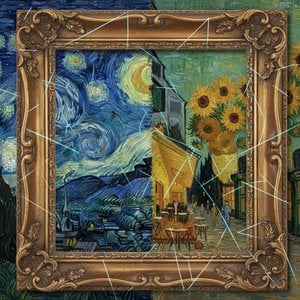
Van Gogh: Le 25 Opere Più Iconiche per Amare l'Arte e Arredare con Stile
Esplora le 25 opere più iconiche di Van Gogh: dai Girasoli alla Notte Stellata. Scopri la storia, lo stile e i colori che hanno reso Vincent van Gogh un maestro dell'arte moderna. Trova riproduzioni di alta qualità su ArtsDot.com.

Jan van Eyck: Innovazione, Simbolismo e l'Alba della Pittura Primitiva Fiamminga
Esplora l'innovazione e il simbolismo rivoluzionari di Jan van Eyck, padre della pittura fiamminga. Analisi approfondita della tecnica ad olio, del Polittico dell'Agnello Mistico e dei suoi capolavori. Scopri la sua eredità artistica.

I 10 Capolavori del Rinascimento Netherlandese: Arte, Storia e Decorazioni di Lusso
Esplora i 10 capolavori del Rinascimento Netherlandese: Jan van Eyck, Rogier van der Weyden e altri maestri fiamminghi. Scopri la storia, le tecniche e il simbolismo di questi dipinti iconici. Riproduzioni d'arte di lusso su ArtsDot.com.

Rembrandt van Rijn: I 25 Capolavori Immortali da Ammirare | ArtsDot
Esplora i 25 capolavori di Rembrandt van Rijn, da 'La Ronda di Notte' ai suoi intensi autoritratti. Scopri la storia, le tecniche e l'arte barocca del maestro olandese. Riproduzioni di alta qualità su ArtsDot.com.



