


 Anteprima in scala reale
 Condividi
 Condividi
 Dettagli
 Guida stampabile

 Scarica
 Articoli simili
 Radiografia
 Slideshow
 Statistiche
Le Diable au Moulin


 Leggi tutto
Giclée / Stampe d'arte
Stampa giclée o su tela di qualità museale, con produzione rapida e diverse opzioni di finitura. ( Ordina la riproduzione dipinta a mano Passa all'immagine digitale)




P118B €10

P118H €10

P118W €10

P438Z €10

P508JH €12

P508YH €12

P805H €10

P805Z €10

P919BZ €10

P919G €10

P919XJ €10

P959ZH €10

P968JZ €12

W106C €8

W218G €10

W218JH €8

W218Y €10

W307PJ €10

W316G €10

W316PJ €8

W316Y €10

W398PJ €8

W4111J €10

W500HY €15

W500JH €15

W692G €12

W849H €8

W940BG €15

W953PJ €8




Scegli tra le nostre dimensioni predefinite, che rispettano le proporzioni originali dell'opera d'arte.

Inserisci la larghezza e l'altezza desiderate, per adattarle alla tua cornice o alla tua parete. Una stampa può essere solo ritagliata, mai resa più grande dell'immagine originale; pertanto, un formato con una forma differente comporterà la perdita di una parte dell'opera. Ti invieremo un mockup digitale da approvare prima di procedere con la stampa. L'immagine mostrata in questa pagina non rappresenta il ritaglio reale — solo il mockup lo mostra.
Consegna in tutto il mondo () in 2 settimane invece delle normali 4/5 settimane. (24 Ottobre)

Spedizione espressa gratuita in tutto il mondo

Tela in lino di alta qualità

Assicurazione completa sulla spedizione

Garanzia di rimborso dei dazi doganali

Garanzia di perfetta fedeltà cromatica

Politica di reso entro 100 giorni (solo per difetti di fabbricazione)

Garanzia di rimborso al 100%

Sconto per acquisti multipli
 L'opzione vetro è disponibile solo per dimensioni inferiori a 110 cm

Le Diable au Moulin
Giclée / Stampe d'arte
Dimensioni della riproduzione
-


Prezzo totale
€ 54
A Descent into Shadow and Spectacle: James Ensor’s *Le Diable au Moulin*
James Ensor's Le Diable au Moulin (The Devil at the Mill) is not merely a depiction of a scene; it’s an immersion. Painted in 1888, this unsettling work, now available as a meticulously crafted hand-painted reproduction from ArtsDot.com, plunges the viewer into a world steeped in psychological unease and theatrical grotesqueness – a hallmark of Ensor's unique artistic vision. The painting captures a chaotic gathering at a mill, but it’s far removed from a simple rural tableau. Instead, it feels like a fever dream, a carnival of anxieties rendered with startling clarity and unsettling detail.
Ensor, born in Ostend, Belgium, in 1860, cultivated an intensely personal style deeply rooted in his childhood experiences. His parents operated a souvenir shop brimming with the paraphernalia of travel and celebration – masks, shells, and exotic objects that fueled his imagination and provided him with a rich visual lexicon. This fascination with disguise and spectacle would become central to his oeuvre, particularly evident in works like Le Diable au Moulin. The painting’s setting, a mill, is deliberately ambiguous; it's not a picturesque rural scene but rather a stage for the unfolding drama of human folly and perhaps even demonic influence.
The Language of Masks and Distortion
Ensor’s masterful use of color and composition immediately establishes an atmosphere of disorientation. The palette is dominated by jarring contrasts – sickly greens, bruised purples, and unsettling yellows – creating a sense of visual discomfort. Figures are rendered with exaggerated features and distorted proportions, reflecting the psychological turmoil at play. Notice, for example, the central figure, partially obscured yet radiating an aura of menace; his posture suggests both defiance and vulnerability. The two birds in the sky, seemingly oblivious to the chaos below, add another layer of surrealism, hinting at a detachment from earthly concerns.
The masks themselves are crucial to understanding the painting’s symbolism. They represent not just concealment but also the performance of identity – the way we present ourselves to the world and the hidden anxieties that lie beneath the surface. Ensor's use of these theatrical devices is reminiscent of his earlier works, such as *The Scandalized Masks* (1883), where he explored the unsettling power of disguise and its potential for revealing uncomfortable truths. The presence of a devil figure, subtly integrated into the scene rather than overtly displayed, reinforces this theme of hidden darkness.
Expressionism and the Seeds of Modernity
Le Diable au Moulin is widely considered to be a pivotal work in the development of Expressionism, predating many of the movement’s more well-known figures. Ensor's focus on subjective experience, emotional intensity, and distorted representation anticipates the core tenets of this artistic approach. The painting rejects academic realism in favor of conveying inner states—fear, anxiety, and a sense of impending doom—through bold color, exaggerated forms, and unsettling imagery.
Furthermore, Ensor’s work reflects the broader cultural anxieties of the late 19th century – a period marked by rapid industrialization, social upheaval, and a growing sense of alienation. The mill itself can be interpreted as a symbol of progress and modernity, but one that has become corrupted and menacing. It's a visual representation of the darker side of societal transformation.
A Reproduction Worth Savoring
ArtsDot’s hand-painted reproductions capture the essence of Ensor’s genius with remarkable fidelity. Each brushstroke, each carefully chosen hue, faithfully recreates the painting’s unsettling atmosphere and complex symbolism. This isn't simply a print; it’s an experience—a chance to engage with one of the most challenging and rewarding works in modern art history. Whether you are an established collector, an enthusiastic admirer of Ensor’s work, or seeking a unique piece of art decoration for your home, Le Diable au Moulin offers a profound and unforgettable visual journey.
Explore the full detail and artistry of this captivating masterpiece at ArtsDot.com today.
Domande e risposte
Quanto è luminoso, in generale, "Le Diable au Moulin"?
La luminosità percepita di "Le Diable au Moulin" di James Ensor è brilliant. Può essere armonizzata con la luce dello spazio destinato all'opera.
Quanto è satura la tavolozza di "Le Diable au Moulin"?
"Le Diable au Moulin" di James Ensor è registrato con una saturazione Balanced Soft.
A quale periodo della carriera di James Ensor appartiene "Le Diable au Moulin"?
"Le Diable au Moulin" rappresenta il Mature Period di James Ensor.
Opere correlate


Biografia dell'artista
vita e percorso artistico
james sidney edouard, baron ensor, un illustre pittore e incisore belga, nacque il 13 aprile 1860 a Ostend, Belgio. La sua giovinezza fu segnata da un background culturale diversificato, con un padre inglese, james frederic ensor, e una madre belga, maria catherina haegheman. Privo di interesse per gli studi accademici tradizionali, ensor lasciò la scuola a quindici anni per dedicarsi all'arte, ricevendo formazione da pittori locali e successivamente studiando presso l’Académie Royale des Beaux-Arts a Bruxelles.stile artistico e temi
Lo stile artistico di Ensor fu caratterizzato dalla sua esplorazione della mente inconscia e dalle immagini oniriche, che influenzarono significativamente l'espressionismo e il surrealismo. I suoi dipinti spesso presentavano soggetti bizzarri, tra cui carnevali, maschere, burattini, scheletri e allegorie fantastiche. Opere notevoli includono The Scandalized Masks (1883) e Skeletons Fighting Over a Hanged Man (1891), che mostrano il suo unico connubio tra lo grotesco e il fantastico.riconoscimento e eredità
Nonostante le prime resistenze, l'opera di Ensor ottenne gradualmente accettazione e ammirazione. Entro il 1920, fu oggetto di importanti mostre; nel 1929 fu nominato barone dal re Albert, e nel 1933 ricevette la Légion d’honneur. La sua eredità come figura pioniera nell'arte moderna è evidente nella sua influenza sui movimenti artistici successivi, tra cui l'espressionismo e il surrealismo.opere chiave ed esposizioni
* The Intrigue (90 x 150 cm, Koninklijk Museum voor Schone Kunsten, Anversa, Belgio) * Tribulations of Saint Anthony (1887, ora nel museo del modern art, New York)- Scopri di più sulla vita e l'opera di James Ensor su ArtsDot: James Ensor
- Esplora il Museo Mu.Zee a Ostend, Belgio, che presenta una collezione di arte belga dal 1830 in poi su ArtsDot: Discover the Museum Mu.Zee in Ostend, Belgium
- Impara di più sulla pittura simbolista e la sua influenza sull'espressionismo e il surrealismo su Wikipedia: Symbolist Painting

James Ensor
1860 - 1949 , Belgio
Informazioni rapide
- Artisti Influenti:
- Pieter Bruegel il Vecchio
- Francisco Goya
- James Abbott McNeill Whistler
- Artisti Influenzati:
- Espressionismo
- Surrealismo
- Data Di Nascita: 13 aprile 1860
- Luogo Di Nascita: Ostenda, Belgio
- Movimento Artistico: Espressionismo, Simbolismo
- Nazionalità: Belga
- Nome Completo: James Sidney Edouard Ensor
- Opere Notevoli:
- The Scandalized Masks
- Skeletons Fighting...
- Christ's Entry...
- Tribulations of Saint...
Articoli correlati
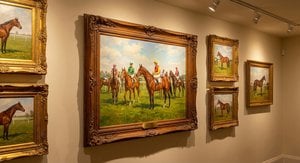
Sir Alfred James Munnings: I 25 Capolavori che Celebrano la Bellezza del Cavallo e della Campagna Inglese
Esplora i 25 capolavori di Alfred James Munnings, pittore inglese celebrato per la sua arte equestre e i paesaggi rurali. Scopri storie, tecniche e colori unici. Stampe d'arte e riproduzioni su ArtsDot.com!
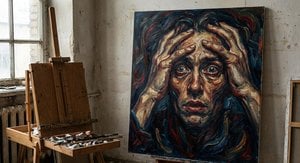
Figurative Expressionism: Emotional Intensity & Subjective Reality in 20th-Century Art
Explore the powerful world of Figurative Expressionism with ArtsDot. Discover key artists like Kirchner & Beckmann, understand its emotional depth, and learn how to collect this influential 20th-century art movement.

Le Visioni Grottesche di James Ensor: Commento Sociale e Innovazione Artistica
Esplora il mondo provocatorio di James Ensor, pioniere del Simbolismo Belga. Analisi approfondita delle sue opere più iconiche, tra satira sociale e innovazione artistica. Scopri il significato nascosto dietro maschere e scheletri.

Unlocking Emotion: A Beginner's Guide to the Raw Power of Symbolic Expressionism Art
Discover the raw emotion of Symbolic Expressionism. Our expert guide explores how masters like Munch use color and form to convey inner feelings, offering inspiration for collectors looking to bring powerful, soulful art into their modern homes.

James Abbott McNeill Whistler: I 25 Capolavori che Definirono un'Epoca - Arte e Decorazioni di Lusso
Esplora i 25 capolavori di James Abbott McNeill Whistler, il maestro dell'estetismo e dei notturni. Scopri la storia, le tecniche e l'armonia unica nei suoi dipinti più famosi. Stampe d'arte e riproduzioni di alta qualità su ArtsDot.com.


