


 Anteprima in scala reale
 Condividi
 Condividi
 Dettagli

 Scarica immagine
 Articoli simili
 Radiografia
 Slideshow
La dame a l' eventail


 Leggi tutto
Riproduzione a olio fatta a mano
Olio su tela dipinto a mano nelle tue dimensioni e con la tua cornice, realizzato su ordinazione dai nostri artisti. ( Acquista stampa Acquista immagine)




P118B $10

P118H $10

P118W $10

P438Z $10

P508JH $12

P508YH $12

P805H $10

P805Z $10

P919BZ $10

P919G $10

P919XJ $10

P959ZH $10

P968JZ $12

W106C $8

W218G $10

W218JH $8

W218Y $10

W307PJ $10

W316G $10

W316PJ $8

W316Y $10

W398PJ $8

W4111J $10

W500HY $15

W500JH $15

W692G $12

W849H $8

W940BG $15

W953PJ $8




Scegli tra le nostre dimensioni predefinite, che rispettano le proporzioni originali dell'opera d'arte.

È possibile inserire dimensioni personalizzate per adattare l'opera a una cornice o a uno spazio specifico. Se la dimensione selezionata non corrisponde alle proporzioni dell'immagine originale, provvederemo a ritagliare l'opera o a estendere il dipinto con elementi aggiuntivi dipinti a mano. Un mockup digitale ti sarà inviato per approvazione prima dell'inizio della produzione.
Si prega di notare che l'anteprima a schermo non riflette il ritaglio o l'estensione effettivi. Solo il mockup mostrerà accuratamente la composizione finale.
Sebbene siano disponibili dimensioni personalizzate, consigliamo di selezionare una dimensione dall'elenco predefinito per preservare le proporzioni originali.
Dopo l'ordine, il team di ArtsDot.com contatterà il cliente via e-mail per le istruzioni e fornirà un'anteprima del mockup
Consegna in tutto il mondo () in 3/4 settimane anziché nelle normali 5 settimane. (12 Agosto). Nessun compromesso sulla qualità.

Spedizione espressa gratuita in tutto il mondo

Tela in lino di alta qualità

Assicurazione completa sulla spedizione

Garanzia di rimborso dei dazi doganali

Garanzia di fedeltà cromatica dell'originale

Politica di reso entro 60 giorni (solo per difetti di fabbricazione)

Garanzia di rimborso al 100%

Sconto per acquisti multipli
 L'opzione vetro è disponibile solo per dimensioni inferiori a 110 cm

La dame a l' eventail
Tecnica di riproduzione
Dimensioni della riproduzione
-


Prezzo totale
$ 263
Descrizione dell'opera
A Portrait of Intrigue: Unveiling James Ensor’s “La Dame à l’Eventail”
James Ensor's "La dame à l'eventail" (The Lady with the Parasol) is not merely a depiction of a woman; it’s an immersion into a carefully constructed world of unsettling beauty and veiled commentary. Painted around 1890, this work exemplifies Ensor’s unique brand of Expressionism – a style he pioneered in Belgium that prioritized emotional intensity over strict realism. The painting immediately draws the viewer in with its muted palette dominated by browns, greens, and blues, creating an atmosphere of quiet contemplation tinged with unease. The subject herself is presented from behind, her back turned to us, fostering a sense of mystery and inviting speculation about her thoughts and intentions. This deliberate choice of perspective is characteristic of Ensor’s work; he frequently employs this technique to create psychological depth and suggest hidden narratives within his scenes. The woman's elegant attire – hinting at a bygone era – contrasts sharply with the slightly unsettling details, such as the skeletal figure glimpsed on the right side of the canvas, a recurring motif in Ensor’s oeuvre that speaks to mortality and the fragility of life.The Carnival Legacy: Masks, Spectacle, and Social Critique
Ensor's fascination with masks stemmed directly from his childhood spent amidst the vibrant chaos of Ostend’s annual carnival. His parents operated a souvenir shop overflowing with these theatrical objects – grotesque faces, elaborate costumes, and whimsical figures – providing him with an unparalleled visual vocabulary. “La dame à l’eventail” is deeply rooted in this experience; the parasol itself becomes a symbolic shield, perhaps concealing her identity or protecting her from unseen forces. The presence of the skeletal figure, often interpreted as representing death or decay, subtly undermines the scene's initial appearance of serenity and elegance. Ensor frequently used carnival imagery to critique societal norms and expose hypocrisy – a theme powerfully evident in his work. This painting isn’t simply a portrait; it’s a carefully orchestrated tableau designed to provoke thought about themes of identity, mortality, and the artificiality of social appearances.Technique and Artistic Innovation: A Pioneering Approach
Ensor's technique is as distinctive as his subject matter. He employed a layered approach, building up color and texture through multiple glazes – a method that lends the painting a remarkable depth and luminosity. Notice how he uses broken brushstrokes to create a sense of movement and instability, particularly in the folds of the woman’s dress and the delicate structure of the parasol. His use of symbolism is equally sophisticated; each element—the masks, the skeleton, the muted colors—contributes to a complex web of meaning. Ensor was a master of visual suggestion, relying on implication rather than explicit statement. He deliberately avoided conventional portraiture techniques, opting instead for a style that prioritized emotional expression and psychological insight. This approach aligns him with the burgeoning Expressionist movement, which sought to convey inner feelings and subjective experiences through art.Symbolism and Emotional Resonance: A Glimpse into Ensor’s Psyche
“La dame à l’eventail” resonates deeply with the unsettling themes that preoccupied James Ensor throughout his career. The painting can be interpreted as a meditation on the duality of human nature – the contrast between outward appearances and inner realities, between life and death, between beauty and decay. The woman's back turned to the viewer creates an immediate sense of detachment, suggesting a hidden vulnerability or perhaps even a deliberate concealment. The skeletal figure serves as a constant reminder of mortality, while the parasol offers a fragile defense against the uncertainties of existence. Ultimately, Ensor’s masterpiece invites us to confront our own anxieties and assumptions about identity, appearance, and the mysteries that lie beneath the surface of everyday life. It's a powerfully evocative work that continues to captivate viewers with its unsettling beauty and profound psychological depth – qualities perfectly captured in ArtsDot’s meticulously crafted reproductions.Opere correlate


Biografia dell'artista
vita e percorso artistico
james sidney edouard, baron ensor, un illustre pittore e incisore belga, nacque il 13 aprile 1860 a Ostend, Belgio. La sua giovinezza fu segnata da un background culturale diversificato, con un padre inglese, james frederic ensor, e una madre belga, maria catherina haegheman. Privo di interesse per gli studi accademici tradizionali, ensor lasciò la scuola a quindici anni per dedicarsi all'arte, ricevendo formazione da pittori locali e successivamente studiando presso l’Académie Royale des Beaux-Arts a Bruxelles.stile artistico e temi
Lo stile artistico di Ensor fu caratterizzato dalla sua esplorazione della mente inconscia e dalle immagini oniriche, che influenzarono significativamente l'espressionismo e il surrealismo. I suoi dipinti spesso presentavano soggetti bizzarri, tra cui carnevali, maschere, burattini, scheletri e allegorie fantastiche. Opere notevoli includono The Scandalized Masks (1883) e Skeletons Fighting Over a Hanged Man (1891), che mostrano il suo unico connubio tra lo grotesco e il fantastico.riconoscimento e eredità
Nonostante le prime resistenze, l'opera di Ensor ottenne gradualmente accettazione e ammirazione. Entro il 1920, fu oggetto di importanti mostre; nel 1929 fu nominato barone dal re Albert, e nel 1933 ricevette la Légion d’honneur. La sua eredità come figura pioniera nell'arte moderna è evidente nella sua influenza sui movimenti artistici successivi, tra cui l'espressionismo e il surrealismo.opere chiave ed esposizioni
* The Intrigue (90 x 150 cm, Koninklijk Museum voor Schone Kunsten, Anversa, Belgio) * Tribulations of Saint Anthony (1887, ora nel museo del modern art, New York)- Scopri di più sulla vita e l'opera di James Ensor su ArtsDot: James Ensor
- Esplora il Museo Mu.Zee a Ostend, Belgio, che presenta una collezione di arte belga dal 1830 in poi su ArtsDot: Discover the Museum Mu.Zee in Ostend, Belgium
- Impara di più sulla pittura simbolista e la sua influenza sull'espressionismo e il surrealismo su Wikipedia: Symbolist Painting

James Ensor
1860 - 1949 , Belgio
Informazioni rapide
- Artisti Influenti:
- Pieter Bruegel il Vecchio
- Francisco Goya
- James Abbott McNeill Whistler
- Artisti Influenzati:
- Espressionismo
- Surrealismo
- Data Di Nascita: 13 aprile 1860
- Luogo Di Nascita: Ostenda, Belgio
- Movimento Artistico: Espressionismo, Simbolismo
- Nazionalità: Belga
- Nome Completo: James Sidney Edouard Ensor
- Opere Notevoli:
- The Scandalized Masks
- Skeletons Fighting...
- Christ's Entry...
- Tribulations of Saint...
Articoli correlati
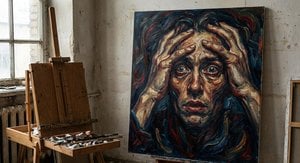
Figurative Expressionism: Emotional Intensity & Subjective Reality in 20th-Century Art
Explore the powerful world of Figurative Expressionism with ArtsDot. Discover key artists like Kirchner & Beckmann, understand its emotional depth, and learn how to collect this influential 20th-century art movement.

I 10 Capolavori Acrilico su Tela che Hanno Rivoluzionato l'Arte |
Esplora i 10 capolavori acrilico su tela che hanno rivoluzionato l'arte moderna! Scopri le storie di Pollock, Rothko e altri maestri. Stampe artistiche di alta qualità per arredare con stile. Visita

I 10 Capolavori Acrilici che Hanno Rivoluzionato l'Arte | ArtsDot
Esplora i 10 capolavori acrilici che hanno rivoluzionato l'arte! Dalla potenza di Rothko all'innovazione di Warhol, scopri storie e tecniche. Trova riproduzioni arte su ArtsDot.com e arreda con stile.

Espressionismo Tedesco: 10 Capolavori Rivoluzionari per Arredare con Emozione
Esplora i 10 capolavori dell'Espressionismo Tedesco con ArtsDot.com! Scopri Kirchner, Munch e Nolde, le loro emozioni intense e tecniche rivoluzionarie. Arreda la tua casa con stampe d'arte di alta qualità. Esplora la collezione online!

John James Audubon: Vita immersa nell'arte ornitologica e nella natura selvaggia americana
Scopri la vita e l'opera di John James Audubon, il celebre ornitologo e artista americano. Approfondisci 'The Birds of America', le sue tecniche innovative e l'eredità artistica e naturalistica che continua a ispirare.



