

 Anteprima in scala reale
 Condividi
 Condividi
 Dettagli

 Scarica immagine
 Articoli simili
 Radiografia
 Slideshow
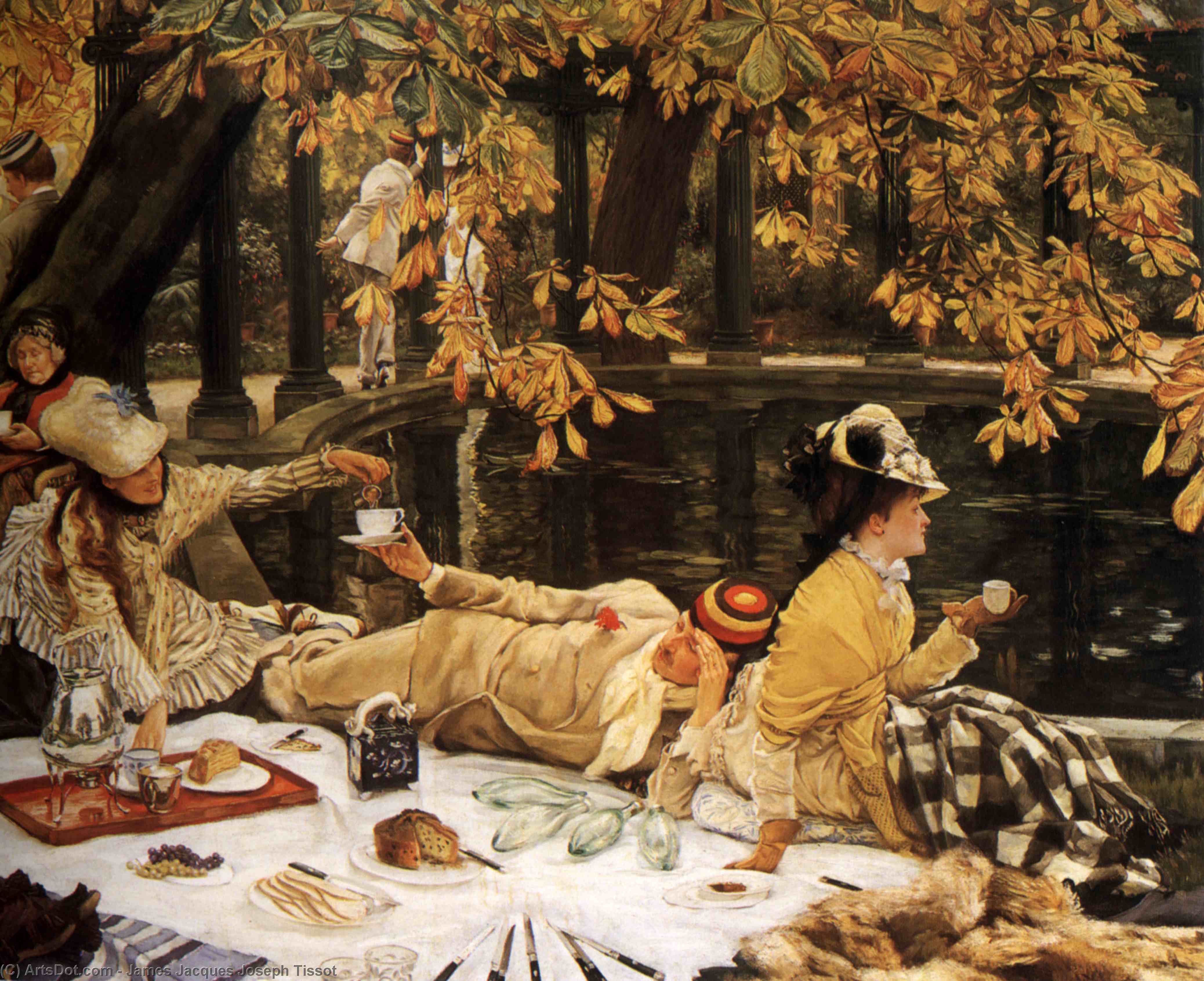
Holyday


 Leggi tutto
Riproduzione a olio fatta a mano
Olio su tela dipinto a mano nelle tue dimensioni e con la tua cornice, realizzato su ordinazione dai nostri artisti. ( Ordina stampa Acquista download)




P118B $10

P118H $10

P118W $10

P438Z $10

P508JH $12

P508YH $12

P805H $10

P805Z $10

P919BZ $10

P919G $10

P919XJ $10

P959ZH $10

P968JZ $12

W106C $8

W218G $10

W218JH $8

W218Y $10

W307PJ $10

W316G $10

W316PJ $8

W316Y $10

W398PJ $8

W4111J $10

W500HY $15

W500JH $15

W692G $12

W849H $8

W940BG $15

W953PJ $8




Scegli tra le nostre dimensioni predefinite, che rispettano le proporzioni originali dell'opera d'arte.

È possibile inserire dimensioni personalizzate per adattare l'opera a una cornice o a uno spazio specifico. Se la dimensione selezionata non corrisponde alle proporzioni dell'immagine originale, provvederemo a ritagliare l'opera o a estendere il dipinto con elementi aggiuntivi dipinti a mano. Un mockup digitale ti sarà inviato per approvazione prima dell'inizio della produzione.
Si prega di notare che l'anteprima a schermo non riflette il ritaglio o l'estensione effettivi. Solo il mockup mostrerà accuratamente la composizione finale.
Sebbene siano disponibili dimensioni personalizzate, consigliamo di selezionare una dimensione dall'elenco predefinito per preservare le proporzioni originali.
Dopo l'ordine, il team di ArtsDot.com contatterà il cliente via e-mail per le istruzioni e fornirà un'anteprima del mockup
Consegna in tutto il mondo () in 3/4 settimane anziché nelle normali 5 settimane. (16 Agosto). Nessun compromesso sulla qualità.

Spedizione espressa gratuita in tutto il mondo

Tela in lino di alta qualità

Assicurazione completa sulla spedizione

Garanzia di rimborso dei dazi doganali

Garanzia di fedeltà cromatica dell'originale

Politica di reso entro 60 giorni (solo per difetti di fabbricazione)

Garanzia di rimborso al 100%

Sconto per acquisti multipli
 L'opzione vetro è disponibile solo per dimensioni inferiori a 110 cm

Holyday
Tecnica di riproduzione
Dimensioni della riproduzione
-


Prezzo totale
$ 363
Descrizione dell'opera
A Glimpse into Victorian Serenity
In the gentle embrace of an afternoon sun, Jacques Joseph Tissot’s "Holyday" invites the viewer into a world of refined leisure and quiet elegance. This exquisite oil painting serves as a window into the heart of Victorian high society, capturing a moment where time seems to slow under the sprawling canopy of a lush garden. The scene unfolds around an outdoor tea party, where the soft rustle of silk and the delicate clink of porcelain are almost audible through Tissont's masterful brushwork. As we gaze upon the elegantly dressed women engaged in conversation and repose, we are transported to an era defined by its pursuit of grace, social ritual, and a deep, romanticized connection to the natural world.
The composition is a masterclass in layered storytelling, drawing the eye through a meticulously arranged landscape. A dense, vibrant foliage overhead casts a dappled pattern of light and shadow across the figures, creating a sense of intimacy and seclusion. Tissot utilizes an organic flow of lines—the sweeping curves of tree branches and the soft silhouettes of reclining figures—to contrast against the structured geometry of the tea service and garden elements. This interplay between the wild beauty of nature and the disciplined etiquette of human society creates a captivating visual tension that keeps the viewer perpetually engaged with every corner of the canvas.
Technique, Light, and the Impressionist Touch
While Tissot’s roots are firmly planted in the meticulous tradition of Realism, "Holyday" breathes with the luminous energy of Impressionism. The artist demonstrates a profound command over light, using it not merely to illuminate, but to sculpt the atmosphere itself. The dappled sunlight filtering through the leaves creates a rhythmic pattern of brightness and shade, lending a three-dimensional depth to the textures of fine fabrics, polished silver, and verdant leaves. Each stroke of the brush is intentional, contributing to a rich tapestry of textures that range from the smooth, porcelain skin of the subjects to the heavy, intricate weaves of their afternoon attire.
The use of color in this piece is both subtle and profound. Tissot employs a palette that evokes the warmth of a late summer or early autumn afternoon, using muted tones in the distance to create atmospheric perspective, which pulls the viewer deeper into the garden's embrace. For collectors and interior designers, this technique offers a unique advantage; the painting possesses a remarkable ability to harmonize with various color schemes, providing a sophisticated focal point that brings both warmth and a sense of historical depth to any curated space.
Symbolism and Emotional Resonance
Beyond its surface beauty, "Holyday" is rich with the symbolism of an idealized age. The tea party serves as more than just a social gathering; it is a symbol of stability, refinement, and the cultivated peace of the upper classes. The presence of the young girl observing the scene adds a layer of continuity, suggesting the passing of traditions and the innocence of youth within the structured world of adulthood. There is a profound sense of nostalgia embedded in every detail, evoking a longing for a period characterized by slow living and aesthetic appreciation.
For those seeking to adorn their homes with art that inspires tranquility, this masterpiece offers an unparalleled emotional impact. It does not merely decorate a wall; it transforms a room into a sanctuary of peace. Whether viewed as a historical document of 19th-century French life or as a pure exploration of light and beauty, "Holyday" remains a timeless testament to the elegance of the human spirit in repose. Owning a high-quality reproduction of this work allows one to carry this sense of serene sophistication into the modern era, making it an exquisite choice for any discerning art lover.
Opere correlate


Biografia dell'artista
Early Life and Artistic Beginnings
Jacques Joseph Tissot, born October 15, 1836, in Nantes, France, was destined for a life steeped in artistic passion from his earliest years. His father, a drapery merchant, instilled in him an appreciation for craftsmanship and detail—qualities that would profoundly shape his artistic vision. Simultaneously, his mother, a milliner, nurtured his sensitivity to beauty and fashion, exposing him to the vibrant world of Parisian society. Despite familial responsibilities, Tissot relentlessly pursued his artistic ambitions, enrolling at the École des Beaux-Arts in Paris where he honed his skills under the tutelage of luminaries like Ingres, Flandrin, and Lamothe. This formative period cemented his commitment to painting as a vocation and established him firmly within the influential Parisian art milieu.The Salon Years and Recognition
Tissot’s debut at the Paris Salon in 1861 marked a pivotal moment—the unveiling of “The Meeting of Faust and Marguerite,” a dramatic tableau that captivated audiences and garnered considerable acclaim from critics. Purchased by the state for inclusion in the Luxembourg Gallery, this ambitious undertaking signaled Tissot's burgeoning reputation as a painter capable of capturing complex narratives and conveying profound emotion. Subsequent Salon exhibitions solidified his position within the artistic establishment, showcasing his evolving style and attracting commissions from prominent patrons. His early successes fueled confidence and propelled him toward exploring new subjects and techniques—a trajectory that would ultimately define his illustrious career.Genre Painting and Parisian Society
Tissot’s artistic breakthrough arrived with his series “La Femme à Paris,” a meticulously observed depiction of the demi-mondaine world of late Victorian London. These paintings, characterized by their luminous color palettes and masterful rendering of textures—particularly fabrics—became synonymous with capturing the allure and dynamism of Parisian high society. Tissot's meticulous attention to detail extended beyond mere visual representation; he sought to convey not only appearances but also psychological nuances, reflecting the anxieties and aspirations of his subjects. His work stands as a testament to Impressionistic influences blended with realism, offering an unparalleled glimpse into the social customs and artistic sensibilities of the Belle Époque.Biblical Themes and Japonisme
Throughout his prolific output, Tissot embraced diverse artistic inspirations—ranging from medieval narratives to biblical scenes—demonstrating remarkable versatility. His depictions of religious subjects, imbued with spiritual depth and emotional resonance, showcased his ability to elevate visual storytelling into profound contemplation. Simultaneously, he was captivated by Japonisme—the fascination with Japanese art and aesthetics that swept across Europe during the Victorian era—evident in compositions infused with asymmetrical arrangements and subtle color harmonies reminiscent of Japanese prints. This stylistic fusion underscored Tissot’s intellectual curiosity and his willingness to experiment with innovative artistic approaches.Later Years and Legacy
Tissot's life took a dramatic turn when he enlisted in the Franco-Prussian War, serving on the French side—an experience that undoubtedly shaped his worldview. Following the war’s conclusion, he relocated to London where he pursued etching alongside Sir Seymour Haden and honed his artistic skills through portrait commissions and caricatures for Vanity Fair. His relationship with Kathleen Newton blossomed into a passionate companionship, providing him with enduring inspiration for numerous paintings. Tragically, Newton succumbed to tuberculosis in 1882—a profound loss that deeply affected Tissot’s creative output. Despite this sorrowful chapter, he continued to produce exceptional artwork until his death in 1902. Today, Jacques Joseph Tissot's legacy resides in museums across Europe and North America—most notably the Musée National Jean-Jacques Henner in Paris—where his celebrated paintings continue to inspire admiration for their artistic brilliance and evocative portrayal of Victorian life and faith. His enduring influence on genre painting and Impressionism secures his place as one of France’s most distinguished artists of the 19th century.
Jacques Joseph Tissot
1836 - 1902 , Francia
Informazioni rapide
- Artistic Movement Or Style: Genre Painting
- Artists Or Movements Influenced By This Artist: ['Impressionism']
- Artists Who Influenced This Artist:
- Jean-Auguste Ingres
- Gustave Courbet
- Date Of Birth: October 15, 1836
- Date Of Death: August 8, 1902
- Full Name: Jacques Joseph Tissot
- Nationality: French
- Notable Artworks:
- The Meeting of Faust and Marguerite
- La Femme à Paris
- Place Of Birth: Nantes, France
Articoli correlati

James Abbott McNeill Whistler: I 25 Capolavori che Definirono un'Epoca - Arte e Decorazioni di Lusso
Esplora i 25 capolavori di James Abbott McNeill Whistler, il maestro dell'estetismo e dei notturni. Scopri la storia, le tecniche e l'armonia unica nei suoi dipinti più famosi. Stampe d'arte e riproduzioni di alta qualità su ArtsDot.com.

Sir Alfred James Munnings: I 25 Capolavori che Celebrano la Bellezza del Cavallo e della Campagna Inglese
Esplora i 25 capolavori di Alfred James Munnings, pittore inglese celebrato per la sua arte equestre e i paesaggi rurali. Scopri storie, tecniche e colori unici. Stampe d'arte e riproduzioni su ArtsDot.com!
Jacques Joseph Tissot: Cronista della Belle Époque e l'Evoluzione Narrativa nell'Arte del XIX Secolo
Esplora la vita e le opere di Jacques Joseph Tissot, il cronista della Belle Époque. Analisi approfondita del suo stile unico, l'influenza dei contesti sociali e artistici, e l'eredità duratura di questo maestro dell'arte ottocentesca.

James Sant: Capturing Victorian Childhood & the Evolving Landscape of British Genre Painting
Explore the life & art of James Sant (1820-1916), renowned Victorian portraitist to Queen Victoria. Discover his captivating depictions of childhood, landscapes, and aristocratic society. Learn about his legacy & find fine art reproductions.

Renoir: I 25 Capolavori Essenziali per Amare l'Impressionismo | ArtsDot
Esplora i 25 capolavori di Renoir, l'icona dell'Impressionismo! Scopri la storia, le tecniche e i colori vibranti dei suoi dipinti più famosi. Trova riproduzioni artistiche di alta qualità per decorare casa tua su ArtsDot.com.



