


 Anteprima in scala reale
 Condividi
 Condividi
 Dettagli
 Guida stampabile

 Scarica
 Articoli simili
 Radiografia
 Slideshow
 Statistiche
Broken Spaces 5
 1974
1974 44.0 x 51.0 cm
 Leggi tutto
Acquista un'immagine digitale ad alta risoluzione e ottimizzata, di qualità nettamente superiore all'anteprima online.
Ogni file è meticolosamente preparato dai nostri specialisti interni attraverso l'uso di strumenti avanzati e un sapiente ritocco manuale. Garantiamo che ogni immagine presenti una chiarezza eccezionale, una precisione cromatica impeccabile e dettagli raffinati.
Il file finale viene consegnato via e-mail entro 72 ore, ottimizzato per un uso immediato in contesti professionali, editoriali e di stampa. Si tratta della stessa qualità affidata ai più prestigiosi studi di design, editori e gallerie d'arte.
Immagine Digitale
Scarica un file ad alta risoluzione per uso personale, per la stampa e per progetti creativi. ( Passa alle stampe Ordina la riproduzione dipinta a mano)
Incluso in ogni acquisto di immagini digitali
Consegna digitale professionale e garantita
Quando scegli ArtsDot.com, non riceverai solo un'immagine: riceverai un'opera d'arte digitale professionalmente ottimizzata, realizzata con la massima precisione e accompagnata da una garanzia di soddisfazione. Ecco tutto ciò che include il tuo ordine, automaticamente:

Consegna rapida via email
Riceverai il file dell'immagine digitale ad alta risoluzione via email entro 72 ore dall'ordine, pronto per un uso immediato.

File digitale potenziato dall'IA
La tua opera d'arte viene ottimizzata professionalmente attraverso l'uso di strumenti avanzati di intelligenza artificiale e una revisione manuale, garantendo il massimo livello di dettaglio, nitidezza e accuratezza cromatica.

Riconsegna gratuita a vita
Hai eliminato o perso accidentalmente il tuo file? Non preoccuparti: te lo invieremo di nuovo in qualsiasi momento, gratuitamente.

Nessun costo di importazione, mai
Goditi la tua opera d'arte istantaneamente senza costi doganali, dazi o spese di spedizione: i download digitali sono sempre esenti da tasse.

Garanzia di fedeltà cromatica
Garantiamo che la tua immagine digitale rifletta i colori originali con la massima fedeltà, grazie all'uso di strumenti professionali e a una gestione accurata del colore.

Garanzia soddisfatti o rimborsati 100 giorni
Se non sei soddisfatto della tua immagine digitale, la revisioneremo o ti rimborseremo il 100% entro 100 giorni, senza domande.

Garanzia di rimborso al 100%
Non sei soddisfatto? Ricevi un rimborso completo entro 100 giorni dal ricevimento del tuo file digitale, senza dover fornire spiegazioni.

Sconti per ordini multipli
Acquista 3 immagini, risparmia il 10% - Acquista 5, risparmia il 15% - Acquista 10+, risparmia il 20%. Ideale per progetti creativi, gallerie e agenzie.
Opere correlate


Biografia dell'artista
Jack Whitten: Una Voce Rivoluzionaria nell'Arte Astratta
Jack Whitten (1939-2018) si erge come una figura monumentale dell'arte astratta americana, un artista la cui incessante sperimentazione e il profondo impegno con la storia — in particolare l'eredità della schiavitù e il Movimento per i Diritti Civili — hanno trasformato le nozioni convenzionali di pittura e scultura. Più che limitarsi a creare opere visivamente straordinarie, Whitten ha inventato tecniche che hanno alterato fondamentalmente le possibilità dell'espressione artistica, guadagnandosi il riconoscimento come vero innovatore e voce vitale nella seconda metà del XX secolo. La sua carriera si è estesa per sei decadi, segnata da un'evoluzione costante, dal rifiuto di essere categorizzato e da un incrollabile impegno nell'esplorare la complessa relazione tra arte, cultura e giustizia sociale.
Nato a Bessemer, Alabama — una città immersa nelle realtà della segregazione Jim Crow — la giovinezza di Whitten ha plasmato profondamente la sua visione artistica. La morte del padre quando aveva otto anni gli ha trasmesso un senso di resilienza e indipendenza, mentre l'asilo privato della madre gli ha offerto un primo contatto con il processo creativo. Fondamentale è stato l'eredità ricevuta da suo zio, un pittore pubblicitario, che gli ha fornito strumenti che sarebbero diventati centralide nelle sue tecniche rivoluzionarie. Questo primo legame con la comunicazione visiva — l'atto di creare insegne, slogan e immagini per il consumo pubblico — ha gettato le basi per le sue successive esplorazioni sulla rappresentazione e i suoi limiti.
Il percorso artistico di Whitten è iniziato al Tuskegee Institute, dove inizialmente intraprese studi pre-medici, influenzato dall'ambizione di suo fratello di diventare medico nell'esercito. Tuttavia, testimoniare in prima persona le ingiustizie della segregazione ha acceso in lui un profondo impegno verso il cambiamento sociale. Si unì all'ROTC e utilizzò i guadagni derivanti dalla pittura di cartellini per i negozi per mantenersi durante l'università, partecipando contemporaneamente alle manifestazioni per i Diritti Civili, inclusa una marcia cruciale a Baton Rouge dove aiutò a organizzare i cartelli di protesta. Questa esperienza ha consolidato la sua fede nella resistenza non violenta e ha influenzato profondamente i temi che avrebbero permeato gran parte della sua opera.
Trasferitosi a New York City nel 1960, Whitten si iscrisse alla Cooper Union, immergendosi nella vibrante scena artistica della metropoli in espansione. Lì incontrò una vasta gamma di influenze — dagli espressionisti astratti come Willem de Kooning e Jackson Pollock agli astrattisti neri come Romare Beless e Jacob Lawrence. Questi incontri scatenarono un periodo di intensa sperimentazione, portandolo a sviluppare le sue tecniche distintive: la stratificazione di vernice acrilica con tessuto in rete di nylon per creare superfici morbide e materiche; l'uso di un "developer" — uno strumento a forma di T — per trascinare il colore sulla tela con tratti singoli e decisi; e, successivamente, l'impiego di metodi di stampa elettrostatica per produrre opere che sfumavano i confini tra pittura e fotografia. Le sue prime opere, in particolare la serie "Heads" (1964), dimostrarono la sua fascinazione nell'esplorare l'interazione tra forma e percezione, utilizzando pigmento bianco traslucido contro il nero per creare figure ambigue, quasi spettrali.
La serie Black Monolith e un'eredità di protesta
Forse il contributo più duraturo di Whitten alla storia dell'arte è la serie “Black Monolith” (1970-197ello), un corpo di opere che funge sia da memoriale personale sia da potente dichiarazione sull'eredità della schiavitù in America. Ispirato dalla morte di suo fratello, Whitten creò una serie di dipinti — spesso di dimensioni monumentali — dedicati a coloro che amava: amici, familiari e figure prominenti che avevano plasmato la sua vita e la sua visione del mondo. Queste opere sono caratterizzate da una densa stratificazione di colore, che spesso incorpora frammenti di ritagli di giornale, fotografie e altri materiali di recupero, creando superfici testurizzate che evocano il peso della storia e della memoria.
La serie “Black Monolith” non è semplicemente una collezione di ritratti; è un'esplorazione del trauma, della perdita e della resilienza. Whitten impiegò deliberatamente tecniche — come la stesura del colore con una spatola per creare un senso di movimento e interruzione — per trasmettere l'intensità emotiva del suo soggetto. L'uso del nero come colore dominante ha ulteriormente amplificato questo effetto, simboleggiando sia il lutto che la presenza persistente del passato. Come egli stesso dichiarò: “I miei dipinti sono progettati come armi”, con l'obiettivo di “penetrare e distruggere l'estetica occidentale” e, in ultima analisi, servire come strumenti per il cambiamento sociale e politico.
Tecnica e innovazione: un esperimento perpetuo
Ciò che distingueva Jack Whitten da molti dei suoi contemporanei non era uno stile fisso, ma un incrollabile impegno verso la sperimentazione. Durante tutta la sua carriera, spinse costantemente i confini della tecnica pittorica, sviluppando nuovi metodi e materiali che sfidavano le pratiche artistiche convenzionali. Il suo lavoro iniziale con la rete di nylon creò un effetto materico unico, mentre l'uso dello strumento “developer” — un semplice strumento a forma di T — gli permise di manipolare il colore in modi precedentemente inimmaginabili.
Lo studio di Whitten divenne un laboratorio, dove testava rigorosamente le proprietà di vari materiali e tecniche. Sperimentò celebremente congelando la vernice acrilica, riscaldandola, frantumandola con un martello e applicandola direttamente sulla carta utilizzando metodi di stampa elettrostatica. Questa ricerca incessante dell'innovazione ha dato origine a un corpo di opere straordinariamente diversificato — che spazia da delicate texture simili a piume a composizioni dense e stratificate, piene di frammenti di testo e immagini. La sua volontà di abbracciare il caso e la spontaneità ha contribuito ulteriormente al carattere unico della sua arte.
Riconoscimento e significato storico
Nonostante le significative sfide affrontate come artista nero in un mondo dell'arte prevalentemente bianco, l'opera di Jack Whitten ottenne gradualmente riconoscimento durante gli anni '70 e '80. Ricevette numerosi riconoscimenti, tra cui una mostra personale al Whitney Museum of American Art nel 1974 e la National Medal of Arts nel 2016 — una testimonianza del suo profondo impatto sull'arte contemporanea. Le sue opere sono oggi conservate nei principali musei di tutto il mondo, tra cui il Museum of Modern Art (MoMA) e il Metropolitan Museum of Art.
Più che un semplice artista, Jack Whitten è stato un commentatore culturale che ha usato la sua arte per affrontare questioni di razza, identità e giustizia sociale. La sua serie “Black Monolith” rimane un potente simbolo di ricordo e resilienza, mentre le sue tecniche innovative continuano a ispirare gli artisti di oggi. L'eredità di Whitten risiede non solo nella bellezza dei suoi dipinti, ma anche nel suo incrollabile impegno nel sfidare le convenzioni e nell'utilizzare l'arte come mezzo per confrontarsi con le complessità della storia americana.
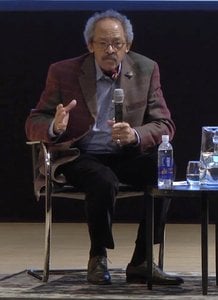
Jack Whitten
1939 - , Stati Uniti
In breve
- Artistic Movement Or Style: Pittura/scultura astratta
- Artists Or Movements Influenced By This Artist:
- Jacob Lawrence
- Norman Lewis
- Artists Who Influenced This Artist:
- Willem de Kooning
- Robert Blackburn
- Romare Bearden
- Date Of Birth: 1939
- Date Of Death: 20 gennaio 2018
- Full Name: Jack Whitten
- Nationality: Americano
- Notable Artworks:
- Serie Black Monolith
- Serie Heads
- Birmingham 1964
- Place Of Birth: Bessemer, Alabama