


 Anteprima in scala reale
 Condividi
 Condividi
 Dettagli
 Guida stampabile

 Scarica
 Articoli simili
 Radiografia
 Slideshow
 Statistiche
Hubert Schmalix - I’m having a Bad Time


 Leggi tutto
Giclée / Stampe d'arte
Stampa giclée o su tela di qualità museale, con produzione rapida e diverse opzioni di finitura. ( Ordina la riproduzione dipinta a mano Passa all'immagine digitale)




































Scegli tra le nostre dimensioni predefinite, che rispettano le proporzioni originali dell'opera d'arte.

È possibile inserire dimensioni personalizzate per adattare l'opera a una cornice o a uno spazio specifico. Se la dimensione selezionata non corrisponde alle proporzioni dell'immagine originale, procederemo al ritaglio dell'opera o all'estensione dell'immagine con un bordo specchiato o a tinta unita. Un mockup digitale ti verrà inviato per approvazione prima dell'inizio della produzione.
Si prega di notare che l'anteprima a schermo non riflette il ritaglio o l'estensione effettivi. Solo il mockup mostrerà accuratamente la composizione finale.
Sebbene siano disponibili dimensioni personalizzate, si raccomanda di selezionare una dimensione dall'elenco predefinito per preservare le proporzioni originali.
Consegna in tutto il mondo () in 2 settimane invece delle normali 4/5 settimane. (26 Settembre)

Spedizione espressa gratuita in tutto il mondo

Tela in lino di alta qualità

Assicurazione completa sulla spedizione

Garanzia di rimborso dei dazi doganali

Garanzia di perfetta fedeltà cromatica

Politica di reso entro 100 giorni (solo per difetti di fabbricazione)

Garanzia di rimborso al 100%

Sconto per acquisti multipli
 L'opzione vetro è disponibile solo per dimensioni inferiori a 110 cm

Hubert Schmalix - I’m having a Bad Time
Giclée / Stampe d'arte
Dimensioni della riproduzione
-


Prezzo totale
$ 62
Opere correlate


Biografia dell'artista
Hubert Schmalix: A Pioneer of Young Wilde Painting
Hubert Schmalix (1952 – 2025) emerged as a pivotal figure in Austrian art during the vibrant era of the junge wilde movement, cementing his legacy as one of its most influential voices. Born in Graz, Austria, Schmalix’s artistic journey began amidst the burgeoning countercultural fervor of the late 1970s, reacting against the prevailing trends of minimalist and conceptual art—a reaction fueled by a desire to reclaim expressive painting from the sterile grip of intellectual abstraction. The junge wilde collective championed a bold aesthetic characterized by vibrant colors and rapid brushstrokes – an approach profoundly shaped by Karl Horst Hödicke, a professor at Berlin’s Academy of Art who advocated for a return to tactile materiality and emotional resonance within artistic practice. Schmalix's distinctive style skillfully blended realism with impressionistic techniques, achieving remarkable sensitivity in his depictions of landscapes and portraits alike; he sought to capture not just what was seen but also how it felt. Early Influences: Schmalix’s formative years were deeply impacted by Austrian Expressionism, particularly the powerful works of Ernst Fuchs and Viktor Mischiek. These artists instilled within him a fundamental belief in painting as an instrument for conveying profound emotion and experience—a conviction that would serve as guiding principle throughout his artistic career. Their emphasis on subjective interpretation and psychological depth resonated powerfully with Schmalix’s own creative impulses. The junge Wilde Movement: In 1978, Schmalix joined the junge wilde movement alongside Siegfried Anzinger, Erwin Bohatsch, Herbert Brandl, Gunter Damisch, Hubert Scheibl, and others—a collective united by a shared commitment to revitalizing painting’s expressive potential. Rejecting the detached logic of dominant artistic philosophies, the junge wilde artists prioritized gesture and color as primary vehicles for conveying emotion; Schmalix embraced this ethos wholeheartedly, contributing significantly to the movement's distinctive visual language. Notable Works: Schmalix’s oeuvre is marked by numerous landscapes bathed in luminous hues—particularly breathtaking panoramas of Austrian alpine vistas—where he skillfully employed impressionistic brushstrokes to convey a sense of immediacy and atmospheric depth. Equally compelling are his figurative paintings exploring themes of identity, memory, and psychological introspection; these canvases pulsate with palpable energy, reflecting Schmalix’s unwavering dedication to capturing the essence of human experience. Among his most celebrated pieces is “I’m having a Bad Time,” a poignant portrayal of solitude and vulnerability rendered in masterful detail. International Recognition & Institutional Representation: Schmalix’s artistic reputation soared internationally through participation in prestigious exhibitions such as Venice Biennale (1984), Fondation Cartier (1986), “An International Survey of Recent Painting and Sculpture” (Museum of Modern Art, New York), Sydney Biennale (1984), and numerous solo shows across Europe and North America. His paintings are now housed in prominent museum collections including Neue Galerie Graz - Universalmuseum Joanneum, Österreichische Galerie Belvedere, Museum Moderner Kunst Stiftung Ludwig, Sammlung Essl, Albertina Modern, and Schlossmuseum Linz—a testament to the enduring power of his artistic vision and its recognition by leading cultural institutions. Schmalix’s legacy continues to inspire artists today – a profound reminder that painting can serve as a conduit for emotional expression and perceptual experience, upholding the values championed by the junge wilde movement and Karl Horst Hödicke.
Hubert Schmalix
1952 - , Austria
Informazioni rapide
- Artistic Movement Or Style: Junge Wilde
- Artists Or Movements Influenced By This Artist: ['Young Wild Ones']
- Artists Who Influenced This Artist: ['Karl Horst Hödicke']
- Date Of Birth: Dicembre 17, 1952
- Full Name: Hubert Schmalix
- Nationality: Austriaco
- Notable Artworks: ['I’m having a Bad Time']
- Place Of Birth: Graz, Austria
Articoli correlati

Ephemeral Visions: Exploring the Artistic Legacy & Contemporary Practice of Watercolor Painting
Explore the captivating world of watercolor painting! Discover its rich history, essential techniques, influential artists & collecting tips. A comprehensive guide for art enthusiasts from ArtsDot.
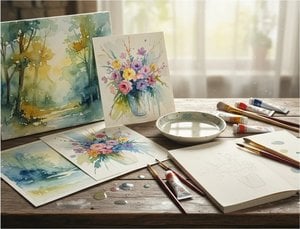
Ephemeral Visions: Exploring the Artistic Legacy & Nuances of Watercolor Painting
Explore the captivating world of watercolor painting! Discover its rich history, essential techniques, influential artists & collecting tips from art experts. A comprehensive guide for enthusiasts.

I 10 Capolavori dell'Acquerello che Hanno Rivoluzionato l'Arte | ArtsDot
Esplora i 10 capolavori dell'acquerello che hanno cambiato la storia dell'arte! Da Turner a Monet, scopri le storie e le tecniche di questi artisti iconici. Trova riproduzioni di alta qualità e idee per decorare casa con ArtsDot.com.

Ephemeral Visions: Exploring the History & Emotional Resonance of Watercolor Painting
Explore the captivating history of watercolor painting, from ancient techniques to modern masters like Kandinsky & Blake. Discover essential artists, collecting tips & the emotional power of this luminous medium. Expert insights for art enthusiasts.

I 10 Capolavori Impressionisti che Hanno Rivoluzionato il Paesaggio Pittorico
Esplora i 10 capolavori impressionisti che hanno rivoluzionato il paesaggio pittorico! Monet, Renoir e altri maestri catturati in stampe su tela di alta qualità. Scopri la storia dell'arte e trova l'opera perfetta per arredare casa tua con ArtsDot.com.