


 Anteprima in scala reale
 Condividi
 Condividi
 Dettagli
 Guida
Guida

 Scarica
 Articoli simili
 Radiografia
 Slideshow
 Statistiche
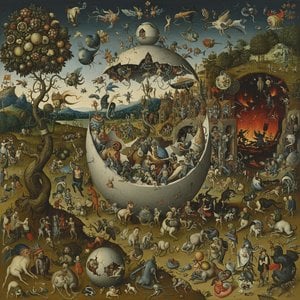
This is a human(Ecce Homo)

 Leggi tutto
Giclée / Stampe d'arte
Stampa giclée o su tela di qualità museale, con produzione rapida e diverse opzioni di finitura. ( Ordina la riproduzione dipinta a mano Passa all'immagine digitale)




P118B $10

P118H $10

P118W $10

P438Z $10

P508JH $12

P508YH $12

P805H $10

P805Z $10

P919BZ $10

P919G $10

P919XJ $10

P959ZH $10

P968JZ $12

W106C $8

W218G $10

W218JH $8

W218Y $10

W307PJ $10

W316G $10

W316PJ $8

W316Y $10

W398PJ $8

W4111J $10

W500HY $15

W500JH $15

W692G $12

W849H $8

W940BG $15

W953PJ $8




Scegli tra le nostre dimensioni predefinite, che rispettano le proporzioni originali dell'opera d'arte.

È possibile inserire dimensioni personalizzate per adattare l'opera a una cornice o a uno spazio specifico. Se la dimensione selezionata non corrisponde alle proporzioni dell'immagine originale, procederemo al ritaglio dell'opera o all'estensione dell'immagine con un bordo specchiato o a tinta unita. Un mockup digitale ti verrà inviato per approvazione prima dell'inizio della produzione.
Si prega di notare che l'anteprima a schermo non riflette il ritaglio o l'estensione effettivi. Solo il mockup mostrerà accuratamente la composizione finale.
Sebbene siano disponibili dimensioni personalizzate, si raccomanda di selezionare una dimensione dall'elenco predefinito per preservare le proporzioni originali.
Consegna in tutto il mondo () in 2 settimane invece delle normali 4/5 settimane. (25 Settembre)

Spedizione espressa gratuita in tutto il mondo

Tela in lino di alta qualità

Assicurazione completa sulla spedizione

Garanzia di rimborso dei dazi doganali

Garanzia di perfetta fedeltà cromatica

Politica di reso entro 100 giorni (solo per difetti di fabbricazione)

Garanzia di rimborso al 100%

Sconto per acquisti multipli
 L'opzione vetro è disponibile solo per dimensioni inferiori a 110 cm

This is a human(Ecce Homo)
Giclée / Stampe d'arte
Dimensioni della riproduzione
-


Prezzo totale
$ 62
A Portrait of Suffering: Exploring Hieronymus Bosch’s “This is a Human”
The painting "This is a Human," attributed to the enigmatic Netherlandish artist Hieronymus Bosch (1450-1516), stands as a haunting testament to the anxieties and spiritual turmoil of its time. Born in ’s-Hertogenbosch, Brabant—a region grappling with religious reformation and burgeoning urban life—Bosch’s artistic output defies easy categorization, cementing his place among the most distinctive voices of the Early Renaissance. Unlike many artists preoccupied with idealized beauty or classical grandeur, Bosch relentlessly pursued a vision rooted in grotesque realism and psychological depth, creating images that simultaneously repel and fascinate viewers centuries later.- Subject Matter: The artwork depicts the crucifixion of Jesus Christ—a pivotal event in Christian theology—but Bosch’s depiction transcends mere religious iconography. Rather than presenting a serene tableau of piety, he portrays a scene fraught with palpable emotion and unsettling detail. Figures surrounding the crucified Jesus are rendered with unflinching honesty, capturing expressions of grief, bewilderment, and despair.
- Style: Bosch’s style is undeniably unique—characterized by an astonishing blend of meticulous observation and fantastical imagination. He meticulously captures anatomical accuracy alongside bizarre creatures and symbolic landscapes, resulting in a visual language that anticipates Surrealism and foreshadows the anxieties of modernity. The artist's penchant for disturbing imagery distinguishes him from his contemporaries.
Technique: A Masterclass in Detail
Bosch’s technique is remarkable for its precision and expressive power. Executed in oil paint on panel—a common medium of the period—he employed a layering process that allowed him to build up textures and create astonishing levels of detail. Bosch meticulously rendered every element of his compositions, from the folds of drapery to the expressions on the faces of the figures. The artist’s use of chiaroscuro—the dramatic interplay between light and shadow—further enhances the emotional impact of the painting, emphasizing the suffering endured by Jesus and amplifying the sense of unease within the scene.- Color Palette: Bosch utilized a muted color palette dominated by earthy tones—browns, ochres, and reds—reflecting the somber mood of the crucifixion. However, splashes of vibrant hues—particularly crimson—serve to draw attention to key elements within the composition, intensifying their symbolic significance.
- Composition: Bosch’s compositional choices contribute significantly to the painting's unsettling effect. The figures are arranged in a claustrophobic space, creating a sense of confinement and mirroring the psychological torment experienced by those witnessing the crucifixion. The placement of objects—such as the wine glass and swords—further reinforces the symbolic narrative.
Historical Context: Fear and Faith Amidst Uncertainty
“This is a Human” emerged during a period of profound religious upheaval in Europe. The Protestant Reformation was challenging papal authority and reshaping theological beliefs, sparking intense debates about salvation and morality. Bosch’s artwork reflects this intellectual ferment by confronting viewers with uncomfortable questions about human nature and the consequences of sin. Furthermore, the painting anticipates anxieties surrounding mortality and decay—themes prevalent in medieval art but powerfully articulated by Bosch through his grotesque imagery.Symbolism: Decoding Layers of Meaning
The symbolism embedded within “This is a Human” operates on multiple levels. The crucifixion itself represents sacrifice and redemption, yet Bosch presents it not as an idealized spiritual experience but as a brutal confrontation with suffering. The figures surrounding Jesus embody various aspects of human emotion—compassion, grief, fear—highlighting the universality of human experience. Objects like the wine glass and swords symbolize judgment and divine retribution, underscoring the painting’s moral dimension. Bosch's masterful use of symbolism elevates the artwork beyond mere depiction to profound meditation on faith, mortality, and the darker recesses of the human psyche.Opere correlate


Biografia dell'artista
vita e carriera
Hieronymus Bosch, un pittore olandese/fiammingo di spicco proveniente da Brabante, nacque intorno al 1450 a ‘s-Hertogenbosch, nei Paesi Bassi. La sua vita rimane avvolta nel mistero, con solo pochi documenti che ne attestano l'esistenza. Nonostante la mancanza di informazioni biografiche, l'arte di Bosch ha avuto un impatto profondo sull'arte europea settentrionale, in particolare nel XVI secolo.stile artistico e influenze
Lo stile unico di Bosch, caratterizzato da **rappresentazioni surreali e immaginarie di temi religiosi**, è stato ampiamente influente. I suoi dipinti a olio su legno, spesso con **visioni inquietanti e infernali**, sono stati oggetto di numerose interpretazioni. Il Triptico del Giudizio Universale (c. 1480-1490) e il Giardino delle Delizie Terrene (c. 1490-1510) sono due dei suoi lavori più celebrati, che mostrano la sua maestria nel mezzo.opere notevoli e collezioni
* Ascesa dei Giusti (Rinascimento settentrionale, olio su tavola): un raro esempio del lavoro di Bosch, con una scena onirica e ultraterrena. * Epifania (c. 1495, Museo del Prado, Madrid): un triptico che dimostra l'uso innovativo dell'olio su legno da parte di Bosch. * Testa di un Halberger (Museo del Prado, Madrid): un esempio raffinato della pittura di ritratti di Bosch, che evidenzia la sua attenzione ai dettagli.musei e collezioni che espongono le opere di Bosch
* Il Museo del Prado, Madrid: ospita alcune delle sue opere più famose, tra cui l'Epifania e il Triptico del Giudizio Universale. * Il Museo d'Arte di Filadelfia, Filadelfia: presenta una versione dell'Epifania, offrendo una prospettiva unica sullo stile artistico di Bosch.- Esplora altre opere di Hieronymus Bosch su https://ArtsDot.com/@/hieronymus-bosch
- Scopri il movimento dell'arte fiamminga antica e i suoi principali esponenti, tra cui Jan van Eyck e Pieter Bruegel il Vecchio, su https://ArtsDot.com/@@/a@d3cpaf-the-erly-netherlandish-art-movement
- Impara di più sulla vita e le opere di Pieter Bruegel il Vecchio su https://en.wikipedia.org/wiki/pieter_bruegel_the_elder
eredità
Lo stile enigmatico di Hieronymus Bosch ha affascinato gli appassionati d'arte per secoli, e la sua influenza può ancora essere vista nelle opere di numerosi artisti. La sua combinazione unica di **surrealismo e profonde intuizioni sulla condizione umana** ha consolidato il suo posto come maestro della pittura fiamminga.
Gerolamo Bosch
1450 - 1516 , Paesi Bassi
Informazioni rapide
- Artisti Influenzati: ['Pieter Bruegel il Vecchio']
- Data Di Morte: 1516
- Data Di Nascita: c. 1450
- Luogo Di Nascita: 's-Hertogenbosch, Paesi Bassi
- Movimento Artistico: Rinascimento nordico
- Nazionalità: Olandese/Fiammingo
- Nome Completo: Gerolamo Bosch
- Opere Notevoli:
- Triptico del Giudizio Universale
- Il Giardino delle Delizie Terrene
- Ascesa dei Giusti
- Epifania
Articoli correlati

I 10 Capolavori dell'Alto Medioevo: Arte, Storia e Decorazioni Raffinate
Esplora i 10 capolavori dell'Alto Medioevo! Affreschi romanici, icone gotiche e mosaici bizantini raccontano storie di fede e arte. Trova riproduzioni di alta qualità e idee per decorare la tua casa con ArtsDot.com.
Hieronymus Bosch: I 25 Capolavori che Rivoluzionano l'Arte e Decorano la Tua Casa
Esplora i 25 capolavori di Hieronymus Bosch, pittore fiammingo simbolo dell'arte medievale. Scopri il simbolismo del Giardino delle Delizie e altre opere iconiche. Riproduzioni d'arte su ArtsDot.com!

Capolavori Medievali: 10 Opere d'Arte che Hanno Definito un'Epoca | ArtsDot
Esplora i 10 capolavori medievali che hanno plasmato la storia dell'arte! Da Giotto a Duccio, scopri storie, tecniche e simbolismi di affreschi e dipinti iconici. Trova riproduzioni d'arte di alta qualità per decorare casa con ArtsDot.com.

I 25 Capolavori del Prado: Arte Spagnola e Decorazioni di Lusso per la Tua Casa
Esplora i 25 capolavori del Museo del Prado: Velázquez, Goya, El Greco e altri maestri spagnoli. Scopri storie, tecniche e colori che hanno reso queste opere immortali. Trova riproduzioni d'arte di alta qualità per la tua casa su ArtsDot.com!

Gerolamo Bosch: Decifrare le Visioni di un Maestro Olandese
Esplora il mondo enigmatico di Gerolamo Bosch con ArtsDot. Analisi approfondite delle sue opere, simbolismo nascosto e l'influenza duratura del maestro fiammingo sull'arte moderna.


