


 Anteprima in scala reale
 Condividi
 Condividi
 Dettagli
 Guida stampabile

 Scarica
 Articoli simili
 Radiografia
 Slideshow
 Statistiche
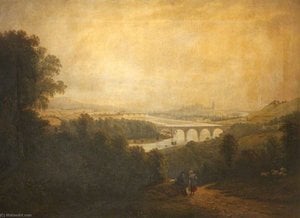
Pontcysyllte Aqueduct
 1873
1873 54.0 x 43.0 cm
 Leggi tutto
Giclée / Stampe d'arte
Stampa giclée o su tela di qualità museale, con produzione rapida e diverse opzioni di finitura. ( Ordina la riproduzione dipinta a mano Passa all'immagine digitale)




































Scegli tra le nostre dimensioni predefinite, che rispettano le proporzioni originali dell'opera d'arte.

Inserisci la larghezza e l'altezza desiderate, per adattarle alla tua cornice o alla tua parete. Una stampa può essere solo ritagliata, mai resa più grande dell'immagine originale; pertanto, un formato con una forma differente comporterà la perdita di una parte dell'opera. Ti invieremo un mockup digitale da approvare prima di procedere con la stampa. L'immagine mostrata in questa pagina non rappresenta il ritaglio reale — solo il mockup lo mostra.
Consegna in tutto il mondo () in 2 settimane invece delle normali 4/5 settimane. (24 Ottobre)

Spedizione espressa gratuita in tutto il mondo

Tela in lino di alta qualità

Assicurazione completa sulla spedizione

Garanzia di rimborso dei dazi doganali

Garanzia di perfetta fedeltà cromatica

Politica di reso entro 100 giorni (solo per difetti di fabbricazione)

Garanzia di rimborso al 100%

Sconto per acquisti multipli
 L'opzione vetro è disponibile solo per dimensioni inferiori a 110 cm

Pontcysyllte Aqueduct
Giclée / Stampe d'arte
Dimensioni della riproduzione
-


Prezzo totale
€ 54
Opere correlate


Biografia dell'artista
Henry Smyth: A Visionary Landscape Painter Bridging Romanticism and Modern Physics
Henry Smyth (1800-1873) stands as an intriguing figure in Victorian art history—a scientist who simultaneously pursued a profound artistic sensibility, producing landscapes that capture the sublime beauty of Wales and Nottinghamshire with remarkable precision. While his scientific endeavors – primarily focused on spectroscopy and nuclear physics – might seem worlds apart from the easel, Smyth’s intellectual curiosity profoundly shaped his artistic vision, resulting in paintings imbued with an understated elegance and a sensitivity to light and atmosphere that distinguish him from many of his contemporaries.- Early Life & Education: Born in Clinton, New York, Smyth's formative years were marked by a privileged upbringing under the tutelage of Woodrow Wilson at Princeton University. He excelled academically, earning degrees from Lawrenceville School and Princeton itself—a foundation for his later pursuits in both science and art.
- Cambridge Years & Scientific Breakthroughs: Smyth’s journey to Cambridge University cemented his commitment to scientific inquiry. Studying under Ernest Rutherford and collaborating with Pyotr Kapitsa, he revolutionized understanding of atomic structure through groundbreaking spectroscopic research on triatomic molecules like carbon dioxide—a testament to his intellectual rigor.
The Artistic Impulse: Landscape Painting as Meditation
Despite the demands of scientific research, Smyth harbored a deep passion for landscape painting. Influenced by Romantic ideals and captivated by the dramatic vistas of Wales – particularly Pontcysyllte Aqueduct—he embarked on a prolific artistic career. His canvases aren’t merely representations of scenery; they are expressions of emotion and contemplation, achieved through meticulous observation and masterful technique. Smyth's approach to color was notable for its subtlety, favoring muted tones that conveyed the mood of the scene rather than striving for flamboyant visual impact.Notable Works & Recognition
Smyth’s artistic output includes celebrated paintings such as “Castell Dinas Bran,” depicting the imposing silhouette of Snowdonia against a brooding sky—a masterful portrayal of atmospheric perspective and tonal gradation. Similarly, “Nottingham Meadows” captures the tranquil beauty of Derbyshire's pastoral landscapes with luminous colors and delicate brushstrokes. His work garnered critical acclaim during his lifetime and continues to resonate with viewers today.Legacy & Influence
Beyond his artistic achievements, Smyth’s intellectual legacy extends into the realm of nuclear physics. He played a pivotal role in shaping the early development of atomic energy, serving on the Manhattan Project and later as ambassador to the IAEA—demonstrating an uncommon blend of scientific rigor and diplomatic engagement. His unwavering belief in international cooperation regarding nuclear weapons earned him the Atoms for Peace Award and cemented his place as a visionary thinker who championed humanist values alongside groundbreaking scientific discoveries. Henry Smyth’s art serves as a poignant reminder that creativity can flourish across disciplines, enriching our understanding of both the natural world and the human spirit.
Henry Smyth
1800 - 1873
Informazioni rapide
- Full Name: Henry DeWolf Smyth
- Nationality: American
- Date Of Birth: 1800
- Date Of Death: 1873
- Place Of Birth: Clinton, New York
- Notable Artworks:
- Castell Dinas Bran
- Nottingham Meadows
- Artistic Movement Or Style: Romanticism
- Artists Who Influenced This Artist:
- Ernest Rutherford
- James Franck
- Artists Or Movements Influenced By This Artist: ['Henry Moore']