

 Anteprima in scala reale
 Condividi
 Condividi
 Dettagli

 Scarica immagine
 Articoli simili
 Radiografia
 Slideshow
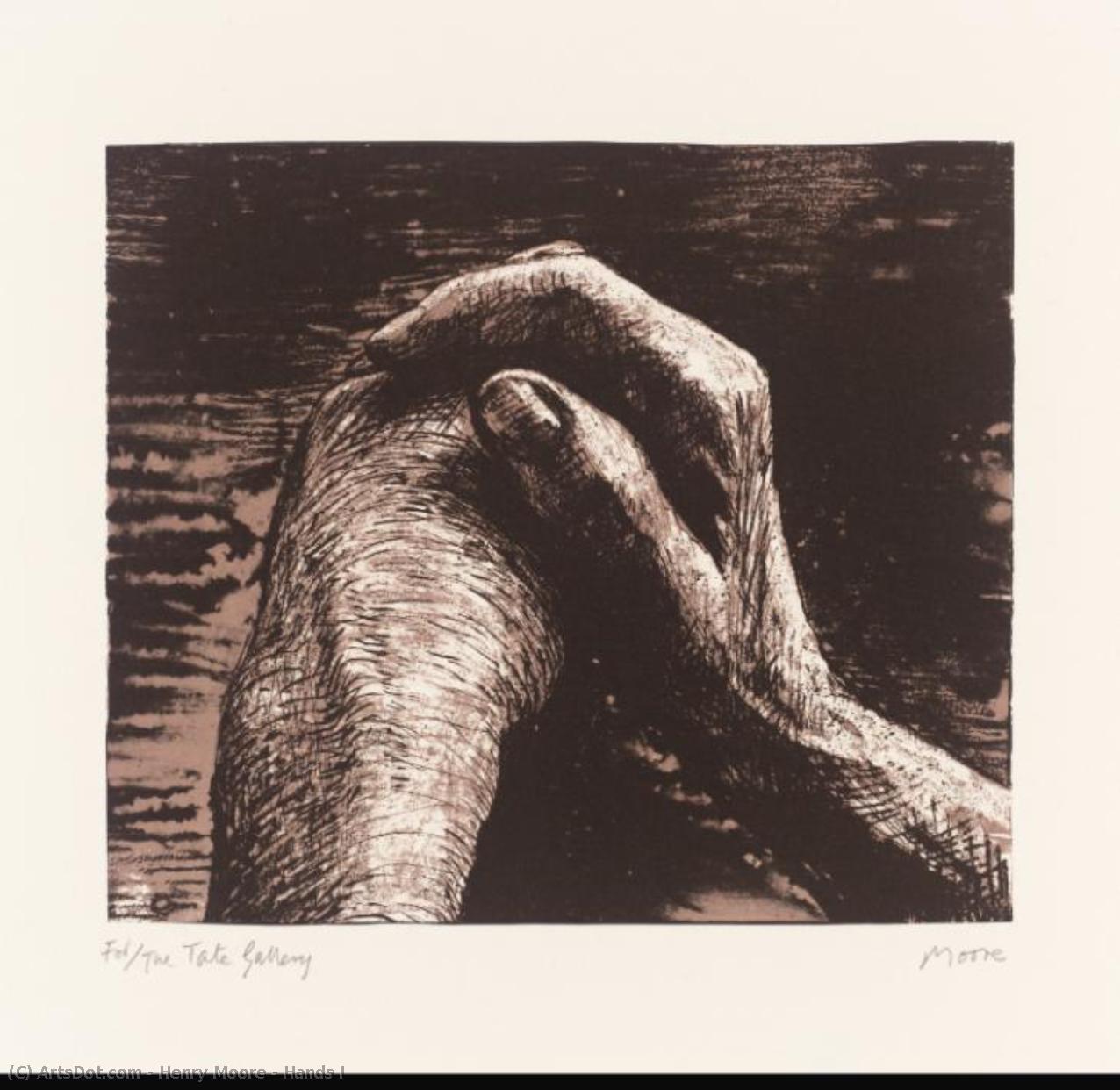
Mani I
 Litografia
- Opere da parete
- Neo-Romanticism
 1973
1973 24.0 x 22.0 cm
 Tate Britain
 Leggi tutto
Riproduzione a olio fatta a mano
Olio su tela dipinto a mano nelle tue dimensioni e con la tua cornice, realizzato su ordinazione dai nostri artisti. ( Ordina stampa Acquista download)




P118B $10

P118H $10

P118W $10

P438Z $10

P508JH $12

P508YH $12

P805H $10

P805Z $10

P919BZ $10

P919G $10

P919XJ $10

P959ZH $10

P968JZ $12

W106C $8

W218G $10

W218JH $8

W218Y $10

W307PJ $10

W316G $10

W316PJ $8

W316Y $10

W398PJ $8

W4111J $10

W500HY $15

W500JH $15

W692G $12

W849H $8

W940BG $15

W953PJ $8




Scegli tra le nostre dimensioni predefinite, che rispettano le proporzioni originali dell'opera d'arte.

È possibile inserire dimensioni personalizzate per adattare l'opera a una cornice o a uno spazio specifico. Se la dimensione selezionata non corrisponde alle proporzioni dell'immagine originale, provvederemo a ritagliare l'opera o a estendere il dipinto con elementi aggiuntivi dipinti a mano. Un mockup digitale ti sarà inviato per approvazione prima dell'inizio della produzione.
Si prega di notare che l'anteprima a schermo non riflette il ritaglio o l'estensione effettivi. Solo il mockup mostrerà accuratamente la composizione finale.
Sebbene siano disponibili dimensioni personalizzate, consigliamo di selezionare una dimensione dall'elenco predefinito per preservare le proporzioni originali.
Dopo l'ordine, il team di ArtsDot.com contatterà il cliente via e-mail per le istruzioni e fornirà un'anteprima del mockup
Consegna in tutto il mondo () in 3/4 settimane anziché nelle normali 5 settimane. (19 Agosto). Nessun compromesso sulla qualità.

Spedizione espressa gratuita in tutto il mondo

Tela in lino di alta qualità

Assicurazione completa sulla spedizione

Garanzia di rimborso dei dazi doganali

Garanzia di fedeltà cromatica dell'originale

Politica di reso entro 60 giorni (solo per difetti di fabbricazione)

Garanzia di rimborso al 100%

Sconto per acquisti multipli
 L'opzione vetro è disponibile solo per dimensioni inferiori a 110 cm

Mani I
Tecnica di riproduzione
Dimensioni della riproduzione
-


Prezzo totale
$ 263
Descrizione dell'opera
Henry Moore’s ‘Hands I’: A Silent Dialogue of Connection
The lithograph “Hands I” by Henry Moore, created in 1973, is more than just a depiction of two hands clasped together; it's a profound meditation on human connection, vulnerability, and the enduring power of touch. This deceptively simple image, rendered in stark black and white, immediately draws the viewer into an intimate space – a space defined by quiet reassurance and unspoken communication. Moore, a titan of 20th-century sculpture, frequently explored themes of the body, particularly the female form, but here he strips away the monumental scale of his bronze figures to focus on the most fundamental element of human interaction: our hands.
The composition is remarkably restrained. The hands are positioned close enough for a gentle overlap, their fingers intertwined in a gesture that suggests both support and shared experience. There’s no dramatic action, no indication of a specific event or narrative; instead, the focus rests entirely on the subtle curves of the flesh, the delicate lines of the knuckles, and the implied warmth radiating from this silent exchange. The lithograph technique itself contributes to the image's impact – the grainy texture of the stone captures the tactile quality of skin, reinforcing the sense that we are observing a real, tangible moment.
The Sculptor’s Journey: Moore’s Early Influences
Understanding “Hands I” requires acknowledging Henry Moore’s extraordinary artistic journey. Born in 1898 in Castleford, Yorkshire, he initially resisted his father's aspirations for him to become a miner, instead pursuing an education fueled by a lifelong fascination with form and texture. This early exposure to clay and wood proved pivotal, laying the groundwork for his later success as a sculptor. Moore’s upbringing amidst the rolling hills of Yorkshire profoundly shaped his aesthetic sensibility; he sought to capture the undulating forms of the landscape in his work, translating its organic curves into abstract shapes.
His early years were marked by experimentation and a constant striving to understand the relationship between human anatomy and the natural world. This pursuit led him to study ethnographic collections at the British Museum, immersing himself in the art and sculpture of primitive cultures – particularly African and Oceanic art – which profoundly influenced his approach to abstraction. The influence of these non-Western forms is evident in the simplified yet expressive quality of “Hands I,” a testament to Moore’s ability to distill complex ideas into their most essential elements.
Symbolism and Emotional Resonance
While Moore himself often resisted assigning definitive interpretations to his work, "Hands I" undeniably carries symbolic weight. The gesture of hands clasped together is universally understood as an expression of trust, comfort, and solidarity. It speaks to the fundamental human need for connection – a desire to offer support, receive reassurance, and share in another’s experience. The absence of facial features further amplifies this sense of anonymity; the hands transcend individual identity, becoming emblems of shared humanity.
Furthermore, the monochrome palette enhances the image's emotional impact. The stark contrast between black and white heightens the sense of intimacy and vulnerability, drawing the viewer into a quiet contemplation of human connection. It’s a powerful reminder that sometimes, the most profound expressions are communicated without words – through the simple act of holding hands.
A Reproduction for Art & Interior Design
ArtsDot offers meticulously crafted hand-painted reproductions of Henry Moore's “Hands I,” ensuring that you can experience the full beauty and emotional resonance of this iconic artwork. Our skilled artists faithfully recreate Moore’s distinctive style, capturing the subtle nuances of texture and form with exceptional detail. This reproduction is not merely a copy; it’s a vibrant interpretation, imbued with the same spirit of contemplation and connection as the original lithograph.
Whether you're an art collector seeking to expand your collection or an interior designer looking for a piece that evokes warmth and serenity, “Hands I” is a timeless addition to any space. Its understated elegance and profound symbolism make it a truly captivating work of art – one that invites viewers to pause, reflect, and appreciate the simple beauty of human connection.
Opere correlate


Biografia dell'artista
Primi anni di vita e formazione
Moore nacque a Castleford, West Riding dello Yorkshire, Inghilterra, da Mary Baker e Raymond Spencer Moore. Suo padre, un autodidatta con una passione per la musica e la letteratura, incoraggiò i suoi figli a perseguire una formazione formale. Henry Moore frequentò le scuole elementari e primarie di Castleford, dove iniziò a modellare l'argilla e intagliare il legno.Sviluppo artistico e stile
- Le incisioni più antiche documentate di Moore, come la targa per la Scott Society alla scuola secondaria di Castleford, risalgono alla sua adolescenza.
- Successivamente adottò il metodo della scultura diretta, che divenne un marchio distintivo del suo stile, come si può vedere in opere come La Vergine e il Bambino.
- Le forme di Moore sono solitamente astrazioni della figura umana, che tipicamente raffigurano madri e figli o figure reclinanti. Molti interpreti paragonano la forma ondulata delle sue figure reclinanti al paesaggio e alle colline del suo luogo di nascita, lo Yorkshire.
Opere notevoli e eredità
- Le sculture in bronzo monumentali e semi-astratte di Moore si trovano in tutto il mondo come opere d'arte pubbliche, a testimonianza della sua eccezionale abilità e del suo contributo alla scultura britannica moderna.
- La sua capacità di realizzare commissioni su larga scala lo rese estremamente ricco, ma visse frugally, destinando la maggior parte dei suoi guadagni all’istituzione della Fondazione Henry Moore, che continua a sostenere l'educazione e la promozione delle arti.
- Le opere di Moore si possono trovare in vari musei, tra cui The Ingram Collection of Modern British and Contemporary Art, che presenta un’impressionante varietà di arte moderna e contemporanea proveniente dalla Gran Bretagna e da altri paesi.
Influenze e sviluppo successivo
Moore fu influenzato dall'arte preistorica, in particolare dalle sculture ciclopiche ritrovate a Malta nel 1928. Queste forme primitive lo ispirarono ad abbracciare la semplicità e la monumentalità nelle sue opere. Successivamente, studiò le opere di artisti come Michelangelo e Brancusi, che contribuirono a plasmare il suo approccio alla forma e allo spazio. Il suo lavoro si evolse nel tempo, sperimentando con diversi materiali e tecniche, tra cui bronzo, acciaio inossidabile e pietra. La sua ricerca sulla forma umana astratta lo portò a creare alcune delle sculture più iconiche del XX secolo.Significato storico
Henry Moore è ampiamente considerato uno dei più importanti scultori britannici del XX secolo. Il suo lavoro ha avuto un impatto significativo sullo sviluppo della scultura moderna, influenzando generazioni di artisti. La sua capacità di combinare l'astrazione con la rappresentazione figurativa lo rese una figura unica nel panorama artistico internazionale. Le sue opere pubbliche sono diventate parte integrante del paesaggio urbano e rurale in tutto il mondo, testimoniando la sua eredità duratura.
Henry Moore
1898 - 1986 , Regno Unito
Informazioni rapide
- Data Di Nascita: 1898
- Luogo Di Nascita: Castleford, Regno Unito
- Movimento Artistico: Scultura moderna
- Nazionalità: Britannico
- Nome Completo: Henry Spencer Moore
- Opere Notevoli:
- Torso Appuntito
- Specchio a Taglio Obliquo
- Motive Verticale, Maquette N° 1
- Ninnananna Testa Dormiente
Articoli correlati

Henri Matisse: I 25 Capolavori Essenziali per Amare l'Arte e Decorare con Stile
Esplora i 25 capolavori di Henri Matisse, il maestro del fauvismo e dei colori vivaci. Scopri la storia, lo stile unico e l'impatto culturale di ogni dipinto. Trova riproduzioni arte di alta qualità per decorare casa tua su ArtsDot.com.

Bianco Sublime: I 10 Dipinti Più Famosi Dominati dal Colore Bianco | .it
Esplora i 10 dipinti più celebri dominati dal bianco, da Monet a Malevich. Scopri la storia, le tecniche e l'impatto di queste opere iconiche. Trova stampe su tela e riproduzioni d'arte di alta qualità per decorare casa con stile su .

I 10 Dipinti Più Famosi Dominati dal Nero: Maestri e Storie d'Arte
Esplora i 10 dipinti più iconici dominati dal nero, da Caravaggio a Munch. Scopri storie, tecniche e il potere espressivo di artisti come Rembrandt e Goya. Trova stampe d'arte di alta qualità per la tua casa su .

Henry Moore: Scultura e Modernità – Forma, Emozione e la Condizione Umana
Esplora l'universo scultoreo di Henry Moore: dalle influenze primordiali alla figura reclinata, un viaggio nella forma, l'emozione e la condizione umana. Approfondimenti storici e artistici su ArtsDot.

Timeless & Chic: Elevating Your New Home with the Sophistication of Black and White Photography
Transform your new home with the timeless allure of black and white photography. ArtsDot.com specializes in elegant monochrome decor and custom hand-painted wedding portraits that turn cherished milestones into lasting, soulful masterpieces. Elevate your space with ease.



