


 Anteprima in scala reale
 Condividi
 Condividi
 Dettagli

 Scarica
 Articoli simili
 Radiografia
 Slideshow
 Statistiche
untitled (3950)


 Leggi tutto
Riproduzione a olio fatta a mano
Olio su tela dipinto a mano nelle tue dimensioni e con la tua cornice, realizzato su ordinazione dai nostri artisti. ( Passa alle stampe Passa all'immagine digitale)




P118B $10

P118H $10

P118W $10

P438Z $10

P508JH $12

P508YH $12

P805H $10

P805Z $10

P919BZ $10

P919G $10

P919XJ $10

P959ZH $10

P968JZ $12

W106C $8

W218G $10

W218JH $8

W218Y $10

W307PJ $10

W316G $10

W316PJ $8

W316Y $10

W398PJ $8

W4111J $10

W500HY $15

W500JH $15

W692G $12

W849H $8

W940BG $15

W953PJ $8




Scegli tra le nostre dimensioni predefinite, che rispettano le proporzioni originali dell'opera d'arte.

È possibile inserire dimensioni personalizzate per adattare l'opera a una cornice o a uno spazio specifico. Se la dimensione selezionata non corrisponde alle proporzioni dell'immagine originale, provvederemo a ritagliare l'opera o a estendere il dipinto con elementi aggiuntivi dipinti a mano. Un mockup digitale ti sarà inviato per approvazione prima dell'inizio della produzione.
Si prega di notare che l'anteprima a schermo non riflette il ritaglio o l'estensione effettivi. Solo il mockup mostrerà accuratamente la composizione finale.
Sebbene siano disponibili dimensioni personalizzate, consigliamo di selezionare una dimensione dall'elenco predefinito per preservare le proporzioni originali.
Dopo l'ordine, il team di ArtsDot.com contatterà il cliente via e-mail per ricevere le istruzioni e fornirà un'anteprima del mockup
Consegna in tutto il mondo () in 3/4 settimane anziché nelle normali 5 settimane. (17 Settembre). Nessun compromesso sulla qualità.

Spedizione espressa gratuita in tutto il mondo

Tela in lino di alta qualità

Assicurazione completa sulla spedizione

Garanzia di rimborso dei dazi doganali

Garanzia di perfetta fedeltà cromatica

Politica di reso entro 100 giorni (solo per difetti di fabbricazione)

Garanzia di rimborso al 100%

Sconto per acquisti multipli
 L'opzione vetro è disponibile solo per dimensioni inferiori a 110 cm

untitled (3950)
Tecnica di riproduzione
Dimensioni della riproduzione
-


Prezzo totale
$ 263
A Window into the Northern Renaissance
In the quiet, luminous depths of Hans Holbein the Younger’s untitled (3950), one finds more than just a portrait; one encounters a profound psychological encounter that has captivated viewers for centuries. Executed between 1526 and 1528, this masterpiece serves as a breathtaking window into the Northern Renaissance, an era defined by an almost spiritual devotion to meticulous detail and the exploration of human emotion. The subject, likely a noblewoman of high standing, gazes out from the panel with a serene yet piercing expression that seems to bridge the gap between the sixteenth century and our modern gaze. There is an undeniable intimacy in her presence, a quality that makes this work not merely a historical artifact, and but a living, breathing entity capable of transforming any space it inhabits.
Holbein’s technical mastery is nothing short of revolutionary. Through the painstaking application of thin, translucent oil glazes, he achieved a level of realism that feels almost tactile. To look upon this painting is to experience the subtle textures of skin, the delicate weight of a white cap, and the soft, velvet-like appearance of the small black bird held within the woman's grasp. This layering technique creates a luminous surface that captures light in a way that mimics the natural world, providing a depth and brilliance that remains striking even in reproduction. For the discerning collector or interior designer, this luminosity offers a sophisticated focal point, bringing a sense of classical elegance and enduring light to a curated room.
Symbolism and the Soul of the Subject
Beyond its outward beauty, the painting is a complex tapestry of humanist thought and Christian iconography. During the period of its creation, Europe was undergoing a massive intellectual shift, fueled by the rediscovery of classical texts and the rise of humanism. Holbein subtly weaves these themes into the very fabric of the portrait. The inclusion of birds—specifically the small black bird held delicately in the woman’s hand, alongside others perched in the background—is laden with symbolic weight. In the iconographic language of the time, birds often represented spirituality, hope, and the concept of resurrection. This suggests that the sitter possessed an inner peace and a contemplative nature, reflecting the virtues of piety and grace so highly valued by the Tudor court.
This interplay between the physical and the metaphysical creates an emotional impact that is both soothing and intellectually stimulating. The balanced composition, with its careful arrangement of figures and background elements, provides a sense of stability and harmony. For those seeking to decorate a space with art that inspires reflection, this piece offers a profound narrative. It is a work that invites the viewer to linger, to search for hidden meanings within the folds of drapery or the glint in an eye, making it an ideal acquisition for those who appreciate art as a medium for storytelling and deep emotional resonance.
Opere correlate


Biografia dell'artista
vita e formazione
Hans Holbein il Giovane, una figura di spicco nel Rinascimento del Nord, nacque nel 1497 ad Augusta, in Germania. Sebbene spesso confuso con suo padre, Hans Holbein il Vecchio, un artista e incisore rinomato, l'opera del Giovane Holbein è distinta e notevole di per sé.carriera artistica
La carriera artistica di Holbein il Giovane iniziò sotto la guida del padre. Successivamente viaggiò in Inghilterra, dove divenne pittore di corte per Re Enrico VIII. Questa posizione gli permise di catturare l'essenza della famiglia reale e dell'emergente aristocrazia inglese. La sua opera è caratterizzata da:- realismo eccezionale: i ritratti di Holbein sono celebrati per la loro qualità realistica, come si vede in Ritratto di una dama ignota (Rinascimento del Nord).
- composizione innovativa: il suo uso della composizione è evidente in Sir William Butts (37 x 46 cm, Rinascimento del Nord, olio su tavola).
- studio per il ritratto di famiglia di Thomas More (38 x 52 cm, Rinascimento del Nord) mostra la sua abilità nel catturare l'essenza di una famiglia.
opere notevoli e eredità
L'opera di Holbein il Giovane si trova in vari musei, tra cui i Musei Statali di Berlino (Germania), dove il suo uomo ignoto con libri di musica e liuto (olio su tavola) è esposto. La sua influenza sul Rinascimento del Nord è innegabile e la sua opera continua a ispirare gli artisti di oggi. Holbein il Giovane morì nel 1543, ma la sua eredità vive attraverso i suoi affascinanti ritratti e studi dettagliati. visualizza altre opere di Hans Holbein il Giovane su ArtsDot.
Hans Holbein il Giovane
1497 - 1543 , Italia
Informazioni rapide
- Artistic Movement Or Style: Rinascimento del Nord
- Artists Who Influenced This Artist:
- Hans Holbein il Vecchio
- Albrecht Dürer
- Date Of Birth: 1497
- Date Of Death: 1543
- Full Name: Hans Holbein il Giovane
- Nationality: Tedesco
- Notable Artworks:
- Ritratto di Enrico VIII
- Gli ambasciatori
- Autoritratto
- Madonna del Borgomastro Meyer
- Sir William Butts
- Place Of Birth: Augusta, Italia
Articoli correlati

Hans Holbein il Giovane: Realismo psicologico e la maestria del ritratto rinascimentale
Scopri Hans Holbein il Giovane, maestro del Rinascimento tedesco e ritrattista di corte. Analisi approfondita del suo realismo psicologico, tecniche pittoriche e l'eredità artistica che lo rende un punto di riferimento nella storia dell'arte.

Opere d'Arte per la Serenità: I 10 Capolavori che Infondono Calma e Pace
Scopri 10 capolavori che evocano serenità e pace interiore. Esplora la storia di Monet, Van Gogh e altri maestri dell'arte impressionista e post-impressionista. Trova stampe artistiche online per creare un'atmosfera rilassante con .

Feathered Visions: A Historical & Artistic Exploration of Birds in Painting
Explore the rich history of birds in painting! Discover symbolism, artistic movements & master artists like Audubon. High-quality reproductions available at ArtsDot.

Espressionismo Tedesco: 10 Capolavori Rivoluzionari per Arredare con Emozione
Esplora i 10 capolavori dell'Espressionismo Tedesco con ArtsDot.com! Scopri Kirchner, Munch e Nolde, le loro emozioni intense e tecniche rivoluzionarie. Arreda la tua casa con stampe d'arte di alta qualità. Esplora la collezione online!
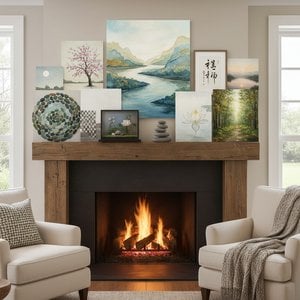
Le 10 Opere d'Arte Più Rilassanti di Sempre: Stile e Serenità per la Tua Casa
Scopri le 10 opere d'arte più rilassanti di sempre, da Monet a Van Gogh. Esplora la storia e l'emozione dietro i capolavori che infondono serenità alla tua casa. Quadri tranquilli per un arredamento di lusso su .


![Ritratto Doppio di Jean de Dinteville e Georges de Selve (detto anche Gli Ambasciatori) [dettaglio]](/media/artworks/images-thumb/bb/ab/bbab7ce77b7dd15d23d21114a63b51a4.jpg)


