


The picture follows your choices: , .
Descrizione del reperto
A poignant religious scene of Jesus Christ surrounded by mourners in Guido da Siena's 1270 Entombment, capturing the profound emotion of the late medieval period and inviting you to explore this sacred masterpiece.
 Espandi i dettagli
Biografia dell'artista
Scopri Guido da Siena (c.1230-1290), pittore senese fondamentale noto per lo stile bizantino e le pale d'altare. Esplora opere come 'Fuga in Egitto' e 'Madonna col Bambino'. #SienaArt #ItalianPainting
Riproduzione a olio fatta a mano
Olio su tela dipinto a mano nelle tue dimensioni e con la tua cornice, realizzato su ordinazione dai nostri artisti. ( Passa alle stampe Passa all'immagine digitale)
More about this painting
 Anteprima in scala reale
 Invia
Invia Condividi
 Dettagli opera
 Guida
Guida

 Scarica
 Simili
 Radiografia
 Slideshow
 Q&A
Q&A Statistiche
Order your painting in four simple steps
Take your time. You can change any answer; the price in your order card follows each choice.
1 Step one of four
Which size would you like?
These sizes keep the proportions of the original painting. The drawing shows your choice on a wall, above a two-metre sofa.
Or give your own measurements
Scegli tra le nostre dimensioni predefinite, che rispettano le proporzioni originali dell'opera d'arte.

Inserisci la larghezza e l'altezza desiderate, per adattarle alla tua cornice o alla tua parete. Trattandosi di un'opera dipinta a mano, in caso di dimensioni con un formato differente, l'artista può estendere leggermente il dipinto oltre i bordi dell'immagine o ritagliare una piccola parte — la scelta spetta a te. Ti invieremo un mockup digitale da approvare prima che la realizzazione abbia inizio. L'immagine mostrata in questa pagina non rappresenta il risultato finale — solo il mockup lo fa.
2 Step two of four
How should it be prepared: rolled, stretched or framed?
The prices below are for the size you chose in step one.
Choose the edges of the stretched canvas
Choose your frame

White €1

Blurside €1

Extended €1

P118B €10

P118H €10

P118W €10

P438Z €10

P508JH €12

P508YH €12

P805H €10

P805Z €10

P919BZ €10

P919G €10

P919XJ €10

P959ZH €10

P968JZ €12

W106C €8

W218G €10

W218JH €8

W218Y €10

W307PJ €10

W316G €10

W316PJ €8

W316Y €10

W398PJ €8

W4111J €10

W500HY €15

W500JH €15

W692G €12

W849H €8

W940BG €15

W953PJ €8

H24-GOLD €30

H24-SILVER €30

H36-GOLD €45

H36-SILVER €45
Con cornice
Moulding: . Overall size with the frame: .
3 Step three of four
Would you like anything changed in the painting?
Most people answer no. Because each painting is made by hand, our artist can also adapt it for you.
After order, ArtsDot.com team will email client for instructions and provide a mockup preview
4 Step four of four
A few finishing options
All of them are optional. The answers already selected cost nothing extra.
Who paints it?
Consegna in tutto il mondo () in 3/4 settimane anziché nelle normali 5 settimane. (2 Novembre). Nessun compromesso sulla qualità.
A nameplate, as in a museum?
Dettagli della targhetta in bronzo inciso
This elegant plaque features the artist's name and the title of the artwork, finely engraved for a timeless presentation.
It is made from bronze with a refined, elegant finish. The text is precisely laser-engraved for a sharp and permanent result. Measuring 9x2 cm, the plaque is compact yet easy to read. It's built to be durable and scratch-resistant, offering a professional, museum-quality look. Mounting is simple thanks to the included adhesive backing.
Dettagli della targhetta in acrilico trasparente
The plaque includes essential engraved details such as the artist's name, the title of the artwork, the date it was created, the type of media used-like oil on canvas or watercolor-a brief description of the piece, and a QR code that links to the complete artwork information.
It is crafted from clear acrylic, offering a sleek, modern appearance. The text is UV-engraved in black to ensure strong visual contrast. With a size of 10x15 cm, it ensures optimal readability. It comes equipped with two metal hooks for secure wall mounting. The plaque is designed to be weather-resistant, making it suitable for various environments, and it includes interactive features that work seamlessly with smartphone scanning.
Dettagli della targhetta in acrilico nero
This elegant plaque includes engraved information such as the artist's name, the title of the artwork, the date it was created, the type of media used (like oil on canvas or watercolor), a short description of the artwork, and a QR code for quick access to more information.
The plaque itself is made from refined black acrylic with a premium finish. The text is laser-engraved in white for high contrast and readability. Its size is 10x15 cm, designed to be easy to read. It comes with two metal hooks for professional mounting. The design is sleek and fits any interior style. It is also weather-resistant and durable, with built-in digital integration for mobile compatibility.
A protective varnish?
When do you need it?
✓ Check and order
Your painting, as you ordered it

Entombment
Tecnica di riproduzione
Dimensioni riproduzione
-

Artisti di alto livello
Maggiore dettaglio, finezza e tempi di produzione dedicati
-

Cornice per riproduzione
-
-
Per opere d'arte o riproduzioni con un lato superiore a 105 cm (circa 41 pollici), la cornice verrà spedita in forma di kit smontato. Questo metodo garantisce una consegna sicura e previene danni durante il trasporto.
Montaggio professionale richiesto - non è un prodotto fai-da-te.
Il kit deve essere assemblato e la tela tesa da un esperto cornice professionista, utilizzando colla per legno (non inclusa), una pinza per tendere la tela e morsetti per mantenere i listelli in squadra durante l'asciugatura della colla. Un montaggio errato o una tensione non uniforme della tela possono danneggiare permanentemente l'opera d'arte e non sono coperti dalla nostra garanzia.
 Per opere d'arte o riproduzioni con un lato superiore a 105 cm (circa 41 pollici), la cornice verrà spedita in forma di kit smontato. Questo metodo garantisce una consegna sicura e previene danni durante il trasporto.
Tutte le barre in legno massello sono incluse, tagliate con precisione alle dimensioni corrette.
Da assemblare con le viti fornite e con la colla per legno per gli incastri degli angoli, che non è inclusa e dovrà essere reperita dal vostro corniceio.
Sono necessari strumenti professionali non inclusi: una pinza tendicanvas (tenditore) e dei morsetti per mantenere i listelli in squadra durante l'asciugatura della colla.
Importante:
Gli incastri d'angolo richiedono colla per legno, i listelli devono essere mantenuti in posizione con dei morsetti finché la colla non è completamente asciutta, e il tensionamento della tela sulla cornice assemblata richiede una pinza per tendere la tela. Nessuno di questi strumenti è incluso nel kit. Si prega di consultare un incorniciatore professionista esperto prima di ordinare questa misura.

Didascalia
-
-

Vernice protettiva
Vernice lucida (esalta i colori, protegge da luce e umidità)
-

Personalizza la mia opera
Esempi di personalizzazione: sostituire il volto con una foto del cliente; aggiungere un animale domestico (ad esempio, sostituire un gatto con un cane); inserire un messaggio nascosto nello sfondo; cambiare il paesaggio o gli elementi dello sfondo.
-

Consegna rapida
Consegna in tutto il mondo () in 3/4 settimane anziché nelle normali 5 settimane. (2 Novembre). Nessun compromesso sulla qualità.
-
Spedizione espressa
Spedizione in tutto il mondo () in 5 settimane. (9 Novembre).
Spedizione inclusa
Prezzo finale calcolato
€ 234
L'opzione vetro è disponibile solo per dimensioni inferiori a 110 cm
Included with every order
- Spedizione espressa gratuita in tutto il mondo
- Tela in lino di alta qualità
- Assicurazione completa sulla spedizione
- Garanzia di rimborso dei dazi doganali
- Garanzia di fedeltà cromatica assoluta
- Politica di reso entro 100 giorni (solo per difetti di fabbricazione)
- Garanzia di rimborso al 100%
- Offerta per acquisti multipli


A Sacred Descent: The Poignant Grace of Guido da Siena’s Entombment
In the quiet, hallowed atmosphere of the late thirteenth century, a profound moment of human and divine sorrow was captured by the hand of Guido da Siena. His Entombment serves as a breathtaking window into the spiritual heart of the Sienese school, a period where art began to breathe with a new, tender vitality. The painting presents us with the heavy, somber reality of Christ’s lifeless body, positioned at the center of a deeply moving composition. As we gaze upon the scene, we are not merely observers of a historical event, but witnesses to a communal grief that transcends time. The figures surrounding the central figure of Jesus are arranged in a way that draws the eye inward, creating a rhythmic movement of sorrow that guides the viewer through the landscape of loss.
The technique employed by Guido reflects the exquisite transition from the rigid Byzantine traditions toward the more emotive and fluid styles that would eventually define the Italian Renaissance. Through delicate brushwork and a masterful use of color, the artist imbues the scene with a sense of weight and texture. The backdrop of rugged mountains provides more than just a setting; it acts as a silent, eternal witness to the tragedy, adding a layer of monumental scale to the intimate human drama unfolding in the foreground. This interplay between the earthly landscape and the divine subject matter creates a tension that is both grounding and transcendent, making the piece an ideal focal point for any space dedicated to contemplation and profound beauty.
Symbolism and the Language of Devotion
Every element within this masterpiece is steeped in symbolic significance, designed to evoke a visceral response from the faithful. The positioning of the figures—some standing in quiet mourning, others leaning in with palpable anguish—creates a hierarchy of grief that mirrors the complexity of human emotion. The light, though subtle, seems to emanately from the very essence of the sacred subject, casting soft shadows that define the contours of the mourners' faces and the folds of their garments. This use of light serves as a metaphor for the lingering presence of the divine even in the depths of death. For collectors and enthusiasts of sacred art, the Entombment offers a rich tapestry of iconography that rewards repeated study and deep meditation.
For those looking to integrate such a powerful work into a curated interior, this reproduction offers an unparalleled opportunity to introduce a sense of historical depth and spiritual serenity. Whether placed in a grand gallery or a quiet study, the painting’s ability to command attention through its emotional gravity is unmatched. It is more than a mere decoration; it is an invitation to reflect on themes of sacrifice, memory, and the enduring strength of the human spirit. Owning a piece that captures such a pivotal moment in art history allows one to surround themselves with the timeless elegance and profound narrative power of the Sienese masters.
Domande e risposte
Quanto sono vivaci i colori di "Entombment"?
I colori di "Entombment" di Guido Da Siena presentano una saturazione Clear Color Presence e un'intensità Vivid.
Qual è la luminosità di "Entombment" di Guido Da Siena?
I colori di "Entombment" presentano una luminanza Gentle Luminance.
In che modo "Entombment" si inserisce nel percorso artistico di Guido Da Siena?
"Entombment" appartiene alla produzione Italo-Byzantine di Guido Da Siena, i cui temi ricorrenti includono byzantine art influence, religious devotion themes, sienese school tradition, central religious narrative, key devotional work.
Opere simili


Guido Da Siena
1230 - 1290, Italia
Biografia dell'artista
Villard de Honnecourt: Il taccuino dell'architetto e l'alba del design rinascimentale
Villard de Honnecourt, figura avvolta in un intrigante mistero, si staglia come uno degli artisti più significativi ed enigmatici della Francia del XIII secolo. Nato intorno al 1230 in Picardia – regione celebre per la sua vivacità artistica in quel periodo – l'eredità di Villard poggia quasi interamente su un straordinario “taccuino”, o album, oggi custodito presso la Bibliothèque nationale de France a Parigi. Questo manoscritto meticolosamente curato, che racchiude circa 250 disegni e progetti che spaziano da una serie sbalorditiva di soggetti – dai piani architettonici ai dispositivi meccanici, fino alle raffigurazioni di figure umane e forme animali – offre uno sguardo senza precedenti sulla mente di un artista e ingegnere autenticamente innovativo. La sua vita rimane in gran parte priva di documenti, un dettaglio che accresce il fascino che circonda questa figura cruciale della storia dell'arte europea. Il taccuino sopravvissuto rivela un uomo profondamente immerso sia nella conoscenza antica che nelle pratiche contemporanee. Si crede che Villard non fosse un semplice artigiano, ma che possedesse una comprensione sofisticata della geometria, delle proporzioni e delle tecniche costruttive – principi radicati nell'antichità classica ma abilmente adattati al suo tempo. Il manoscritto è una affascinante fusione di queste influenze, integrando istruzioni dettagliate accanto a rappresentazioni artistiche, suggerendo un manuale pratico destinato a guidare costruttori e artigiani. Le prime interpretazioni vedevano spesso Villard come un semplice architetto, ma gli studi più recenti suggeriscono un ruolo più sfaccettato: un ingegnere esperto, forse persino un agente incaricato di reperire reliquie per istituzioni religiose, utilizzando il suo talento artistico per documentare e diffondere il sapere. L'inclusione di disegni che ritraggono l'Ungheria, dove trascorse “molti giorni”, accenna a possibili compiti diplomatici o amministrativi intrapresi durante i suoi viaggi. Il taccuino stesso è un reperto straordinario: una collezione di fogli di pergamena legati insieme in modo quasi casuale, riflettendo forse il modo in cui fu compilato dallo stesso Villard o da uno scriba successivo. I suoi contenuti sono incredibilmente diversificati, mostrando un artista capace di progettare con la stessa disinvoltura maestose cattedrali gotiche, intricati dispositivi meccanici (incluso un affascinante progetto per una clessidra ad acqua) e studi dettagliati dell'anatomia umana e delle forme animali. I disegni dimostrano un occhio osservativo acuto e una padronanza della prospettiva, una competenza che sarebbe diventata sempre più fondamentale nei secoli a venire. Notevolmente, l'affermazione di Villard di aver eseguito molti dei suoi disegni “dal vivo” (al vif) è particolarmente intrigante, poiché suggerisce una pratica artistica insolita per l'epoca, accennando a un livello di osservazione diretta e di coinvolgimento con il mondo circostante.Influenze architettoniche e stile gotico
L'opera di Villard è indissolubilmente legata al nascente movimento architettonico gotico che stava trasformando l'Europa durante il XIII secolo. Il taccuino contiene disegni dettagliati di cattedrali significative, tra cui le torri della facciata occidentale della Cattedrale di Laon e le cappelle radiali con la navata principale della Cattedrale di Reims – strutture che incarnano le altezze vertiginose, l'ornamentazione intricata e le soluzioni strutturali innovative caratteristiche del design gotico. Questi disegni non sono semplici copie; dimostrano una profonda comprensione dei principi alla base di questi magnifici edifici — l'uso di archi a sesto acuto, volte a costoloni, contrafforti rampanti e vetrate colorate — e riflettono il desiderio di Villard di documentare e replicare tali innovazioni. La sua meticolosa attenzione al dettaglio, specialmente nella rappresentazione degli elementi architettonici, rivela un profondo apprezzamento per la bellezza e la complessità dell'architettura gotica.Oltre l'architettura: progettazione meccanica e tecniche artistiche
Sebbene i suoi disegni architettonici siano senza dubbio l'aspetto più celebre del lavoro di Villard, il taccuino contiene anche una ricchezza di progetti per dispositivi meccanici, testimonianza del suo spirito inventivo e delle sue abilità ingegneristiche. Questi includono piani per orologi ad acqua, pulegge, leve e altri ingegnosi congegni, mostrando una comprensione pratica della meccanica e il desiderio di migliorare la vita quotidiana. Inoltre, il taccuino è ricco di studi su figure umane e animali, che dimostrano la maestria di Villard nell'anatomia e la sua capacità di rendere forme realistiche. Egli incluse anche istruzioni dettagliate sulle tecniche per creare motivi decorativi, mosaici e altri abbellimenti artistici, rappresentando una risorsa preziosa per gli artigiani e i maestri d'ascia in tutta Europa.Significato storico ed eredità
L'eredità di Villard de Honnecourt non risiede in grandi monumenti o capolavori celebrati, ma piuttosto nel suo straordinario taccuino: un documento unico che offre una visione impareggiabile del mondo intellettuale e artistico della Francia del XIII secolo. Egli rappresenta una figura chiave capace di colmare il divario tra l'artigianato medievale e l'innovazione rinascimentale. La sua meticolosa documentazione di tecniche architettoniche, progetti meccanici e pratiche artistiche è servita come risorsa preziosa per generazioni di artigiani e ingegneri. Il taccuino stesso è considerato uno degli esempi più importanti sopravvissuti di illustrazione manoscritta precoce, dimostrando un livello di abilità tecnica e sofisticazione artistica raramente visto nelle opere coeve. L'influenza di Villard può essere tracciata attraverso gli artisti e gli architetti successivi che trassero ispirazione dai suoi disegni e dalle sue tecniche, contribuendo allo sviluppo continuo dell'architettura gotica e alla diffusione delle idee rinascimentali in tutta Europa. La sua opera funge da promemoria del fatto che l'innovazione spesso non nasce da grandi proclami o teorie rivoluzionarie, ma dalla dedizione silenziosa di artigiani esperti che documentano meticolosamente il proprio mestiere.Ulteriori risorse


Articoli correlati

Capolavori Medievali: 10 Opere d'Arte che Hanno Definito un'Epoca | ArtsDot
Esplora i 10 capolavori medievali che hanno plasmato la storia dell'arte! Da Giotto a Duccio, scopri storie, tecniche e simbolismi di affreschi e dipinti iconici. Trova riproduzioni d'arte di alta qualità per decorare casa con ArtsDot.com.
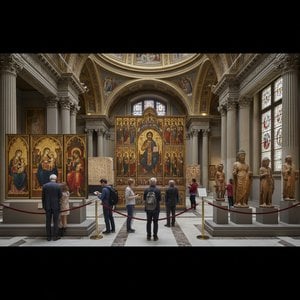
Sacred Narratives Embodied: A Comprehensive Exploration of Religious Iconography in Art History
Explore the rich history of religious iconography in art! Discover symbolism, movements & masterpieces from Byzantine to Renaissance periods. Expert insights for collectors and enthusiasts at ArtsDot.

I 10 Capolavori dell'Alto Medioevo: Arte, Storia e Decorazioni Raffinate
Esplora i 10 capolavori dell'Alto Medioevo! Affreschi romanici, icone gotiche e mosaici bizantini raccontano storie di fede e arte. Trova riproduzioni di alta qualità e idee per decorare la tua casa con ArtsDot.com.