
- Home

- Stampa su tela
- Giorgio Vasari
- Interor view

 Ordina la riproduzione Acquista download
 Invia
Invia
 Condividi
 Dettagli opera
 Aggiungi ai preferiti

 Scarica
 Simili
 Radiografia
 Slideshow
Interor view


 Scopri di più
Giclée / Stampa d'arte
Stampa giclée o su tela di qualità museale, con produzione rapida e diverse opzioni di finitura.




P118B $10

P118H $10

P118W $10

P438Z $10

P508JH $12

P508YH $12

P805H $10

P805Z $10

P919BZ $10

P919G $10

P919XJ $10

P959ZH $10

P968JZ $12

W106C $8

W218G $10

W218JH $8

W218Y $10

W307PJ $10

W316G $10

W316PJ $8

W316Y $10

W398PJ $8

W4111J $10

W500HY $15

W500JH $15

W692G $12

W849H $8

W940BG $15

W953PJ $8




Scegli tra le nostre dimensioni predefinite, che rispettano le proporzioni originali dell'opera d'arte.

È possibile inserire dimensioni personalizzate per adattare l'opera a una cornice o a uno spazio specifico. Se la dimensione selezionata non corrisponde alle proporzioni dell'immagine originale, procederemo al ritaglio dell'opera o all'estensione dell'immagine con un bordo specchiato o a tinta unita. Un mockup digitale ti verrà inviato per approvazione prima dell'inizio della produzione.
Si prega di notare che l'anteprima a schermo non riflette il ritaglio o l'estensione effettivi. Solo il mockup mostrerà accuratamente la composizione finale.
Sebbene siano disponibili dimensioni personalizzate, si raccomanda di selezionare una dimensione dall'elenco predefinito per preservare le proporzioni originali.
Consegna in tutto il mondo () in 2 settimane invece delle normali 4/5 settimane. (10 Luglio)

Spedizione espressa gratuita in tutto il mondo

Tela in lino di alta qualità

Assicurazione completa sulla spedizione

Garanzia di rimborso dei dazi doganali

Garanzia di fedeltà cromatica

Politica di reso entro 60 giorni (solo per difetti)

Garanzia di rimborso al 100%

Sconto per acquisti multipli
 L'opzione vetro è disponibile solo per dimensioni inferiori a 110 cm

Interor view
Giclée / Stampa d'arte
Dimensioni riproduzione
-


Prezzo totale finale
-
Descrizione dell'opera
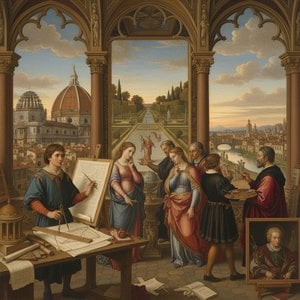
A Glimpse into Florentine Grandeur: The Interor View by Giorgio Vasari
Within the imposing walls of the Palazzo Vecchio in Florence resides a breathtaking fresco, “Interor View” by Giorgio Vasari – a masterpiece that transcends mere decoration and offers a profound window into the artistic and cultural heart of the Renaissance. Completed around 1555, this monumental work isn’t simply a depiction of a room; it's an immersive experience, a carefully constructed illusion designed to evoke a sense of timeless elegance and civic pride. Vasari, already a celebrated artist and historian, was commissioned by the Medici family to embellish the palace, solidifying his position as a key figure in shaping Florentine art and its legacy.
The painting itself is a testament to Vasari’s mastery of *trompe-l'oeil*, or “fooling the eye.” He employs frescoes – a technique favored during this era for its ability to create vibrant, enduring surfaces – to meticulously recreate an interior space. The scene unfolds within a grand chamber, dominated by a towering ceiling adorned with intricate coffers and classical motifs. Below, a substantial wooden table anchors the room, suggesting a setting for important meetings or formal gatherings. Antique busts of Greek philosophers flank the table, subtly reinforcing the intellectual atmosphere, while two chairs invite contemplation. Vasari’s skill isn't merely in replicating form; he captures light, shadow, and texture with remarkable precision, creating an illusion of depth that draws the viewer directly into the scene.
The Language of Renaissance Symbolism
Beyond its technical brilliance, “Interor View” is rich in symbolic meaning. The figures depicted within the fresco are not merely decorative; they represent key values and ideals of the Renaissance. Classical allegorical figures engage in activities that speak to virtue, wisdom, and justice – a deliberate nod to the classical heritage that Vasari so admired. The careful arrangement of these figures suggests a harmonious balance between earthly pursuits and divine inspiration. Note the subtle references to Roman mythology woven throughout the composition; these allusions were not merely aesthetic choices but served as potent reminders of the enduring legacy of ancient Rome, which Renaissance thinkers sought to revive.
The use of color is equally deliberate. Vasari masterfully employs a palette of rich reds, blues, and golds – colors associated with power, wealth, and divinity – to heighten the sense of grandeur and importance. The vibrant hues contrast beautifully with the muted tones of the architectural elements, creating a dynamic visual interplay that captivates the eye.
Vasari: A Renaissance Polymath
Understanding “Interor View” requires appreciating Giorgio Vasari himself. He was more than just an artist; he was a prolific writer and historian, best known for his monumental "Lives of the Most Excellent Painters, Sculptors, and Architects." This biographical work not only documented the lives of Renaissance masters but also shaped our understanding of art history itself. Vasari’s own artistic style reflected this multifaceted nature – he seamlessly blended painting, architecture, and historical scholarship. His meticulous attention to detail, combined with his deep knowledge of classical antiquity, made him a truly exceptional figure of the Renaissance.
A Legacy of Artistic Innovation
“Interor View” stands as a remarkable achievement in Renaissance art, showcasing Vasari’s technical skill, artistic vision, and profound understanding of symbolism. It's a testament to the power of illusion and a celebration of Florentine civic pride. Reproductions of this iconic fresco offer a unique opportunity to bring a piece of Renaissance grandeur into any setting – whether as a focal point in a grand salon or a subtle enhancement to a more intimate space. The painting’s enduring appeal lies not only in its beauty but also in its ability to transport the viewer back in time, offering a glimpse into the vibrant world of 16th-century Florence.
Opere simili


Biografia dell'artista
La Vita e la Formazione di Giorgio Vasari
Giorgio Vasari, pittore, architetto, scrittore e storico dell'arte italiano di grande rilievo, nacque il 30 luglio 1511 ad Arezzo, in Toscana. Iniziò il suo percorso artistico come allievo di Guglielmo da Marsiglia, un abile pittore di vetrate colorate. All'età di sedici anni, Vasari entrò a far parte della cerchia di Andrea del Sarto e dei suoi allievi, Rosso Fiorentino e Jacopo Pontormo, a Firenze.Carriera Artistica
I dipinti manieristi di Vasari furono molto apprezzati durante la sua vita. Nel 1529, visitò Roma, dove studiò le opere di Raffaello e altri artisti del Rinascimento romano. Tra le sue opere più significative si annoverano:- Lo studio del pittore (affresco, 1548), situato nella Casa Vasari ad Arezzo (visualizzabile su ArtsDot).
- Il Giudizio Universale (affresco, 1572), nella cupola della cattedrale di Firenze.
- L'Adorazione dei Magi (dipinto ad olio, 1566), nella chiesa di Santa Croce a Firenze (disponibile su ArtsDot).
Contributi Architettonici
Vasari si distinse anche come architetto, realizzando opere importanti quali:- La loggia del Palazzo degli Uffizi a Firenze, che funge da piazza pubblica.
- Il Corridoio Vasariano, che collega gli Uffizi al Palazzo Pitti a Firenze (esplorabile su ArtsDot).
- La ristrutturazione di chiese medievali come Santa Maria Novella e Santa Croce.
Eredità e "Le Vite"
Vasari è spesso definito il "primo storico dell'arte" grazie al suo libro Le vite de' più eccellenti pittori, scultori e architettori, un testo fondamentale nella storia della storiografia artistica. Quest’opera offre una panoramica completa degli artisti italiani dal Trecento al Cinquecento, analizzando le loro opere e il contesto storico in cui sono state realizzate. Vasari morì il 27 giugno 1574 a Firenze, all'età di 62 anni, lasciando un'impronta indelebile nel mondo dell'arte e della cultura italiana. Scopri di più sulla vita e l’opera di Giorgio Vasari su ArtsDot: Giorgio Vasari | 72 opere d'arte
Giorgio Vasari
1511 - 1574 , Italia
Dati rapidi
- Artisti Influenti:
- Andrea del Sarto
- Raffaello
- Michelangelo
- Data Di Nascita: 30 luglio 1511
- Luogo Di Nascita: Arezzo, Italia
- Movimento Artistico: Manierismo
- Nazionalità: Italiana
- Nome Completo: Giorgio Vasari
- Opere Notevoli:
- Lo studio del pittore
- Il Giudizio Universale
- Adorazione dei Magi
Articoli correlati

Il Fresco Moderno: Arte sui Soffitti per Hotel di Lusso
Scopri l'arte del soffitto moderno per hotel di lusso! Guide esperte, tecniche innovative e ispirazioni uniche per trasformare i tuoi spazi con affreschi personalizzati. : qualità garantita.

The Flourishing of Humanism: A Comprehensive Exploration of the Italian Renaissance Art Movement
Explore the Italian Renaissance! Discover humanist ideals, iconic masterpieces by Leonardo, Michelangelo & Raphael, and lasting artistic innovations. A comprehensive guide for art enthusiasts.

Masaccio: La Rivoluzione Pittorica del Rinascimento Attraverso Realismo e Innovazione Emotiva
Scopri la rivoluzione pittorica di Masaccio e il suo impatto sull'arte rinascimentale. Analisi approfondita della prospettiva, del chiaroscuro e delle opere chiave che hanno cambiato la storia dell'arte.
The Dawn of a New Vision: Exploring Themes & Innovations in Early Renaissance Art (c. 1400-1500)
Explore the groundbreaking innovations & humanist ideals of Early Renaissance art (c. 1400-1500). Discover masterpieces by Botticelli, Fra Angelico & more. A deep dive for art enthusiasts.

Paolo Uccello e la Prospettiva Rinascimentale: Un Viaggio nella Ricerca della Verità Visiva
Esplora la rivoluzionaria prospettiva di Paolo Uccello e il suo contributo all'arte rinascimentale. Analisi approfondite del ciclo di San Romano, stile unico e impatto sulla storia dell'arte. Scopri l'eredità di questo maestro fiorentino.



