

 Anteprima in scala reale
 Condividi
 Condividi
 Dettagli

 Scarica immagine
 Articoli simili
 Radiografia
 Slideshow
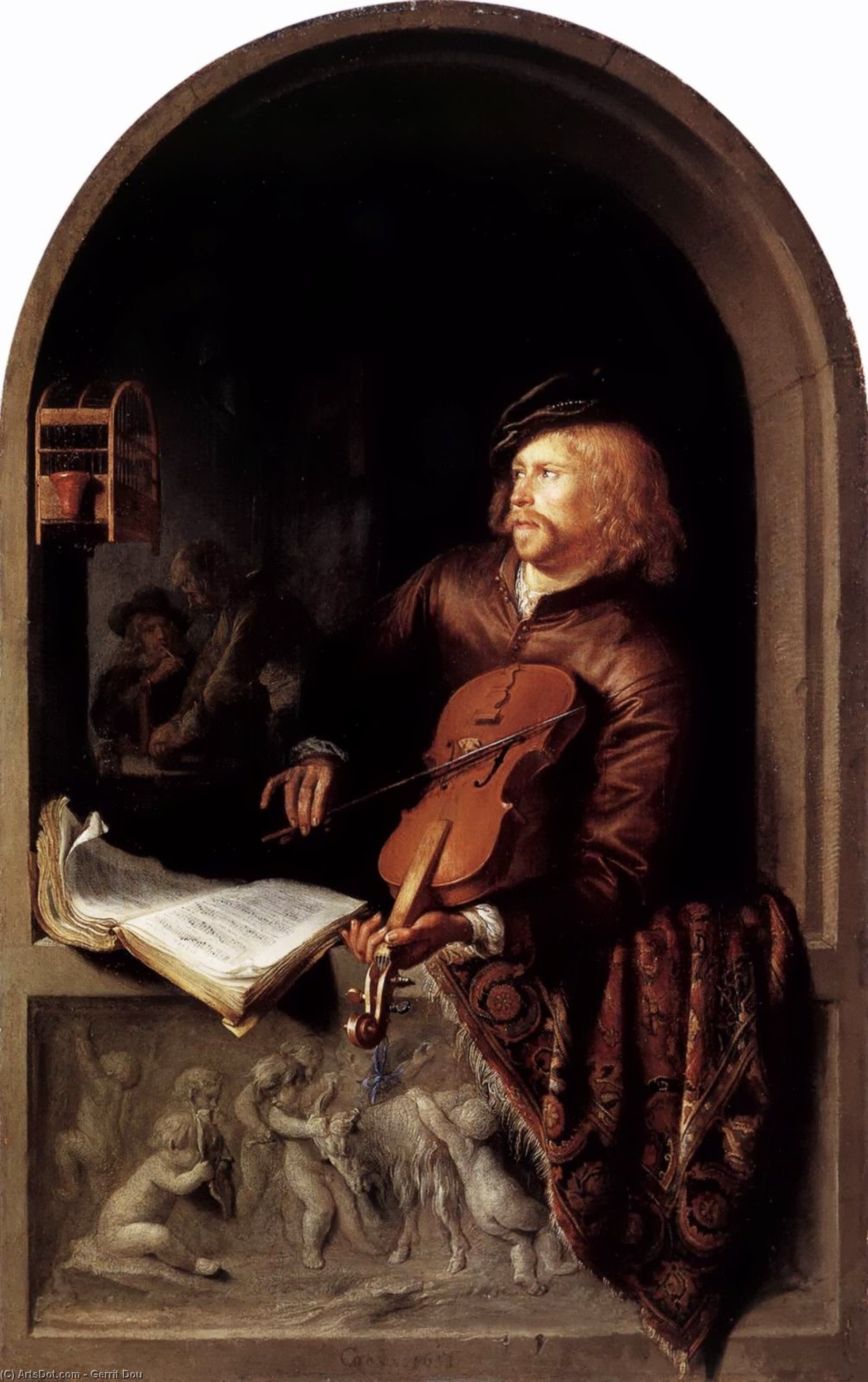
Violon Player
 Oil On Canvas
- WallArt
- Baroque Dutch Painting
 1653
1653- Renaissance
 32.0 x 20.0 cm
 Museo Liechtenstein
 Leggi tutto
Giclée / Stampe d'arte
Stampa giclée o su tela di qualità museale, con produzione rapida e diverse opzioni di finitura. ( Ordina la riproduzione dipinta a mano Acquista download)




P118B $10

P118H $10

P118W $10

P438Z $10

P508JH $12

P508YH $12

P805H $10

P805Z $10

P919BZ $10

P919G $10

P919XJ $10

P959ZH $10

P968JZ $12

W106C $8

W218G $10

W218JH $8

W218Y $10

W307PJ $10

W316G $10

W316PJ $8

W316Y $10

W398PJ $8

W4111J $10

W500HY $15

W500JH $15

W692G $12

W849H $8

W940BG $15

W953PJ $8




Scegli tra le nostre dimensioni predefinite, che rispettano le proporzioni originali dell'opera d'arte.

È possibile inserire dimensioni personalizzate per adattare l'opera a una cornice o a uno spazio specifico. Se la dimensione selezionata non corrisponde alle proporzioni dell'immagine originale, procederemo al ritaglio dell'opera o all'estensione dell'immagine con un bordo specchiato o a tinta unita. Un mockup digitale ti verrà inviato per approvazione prima dell'inizio della produzione.
Si prega di notare che l'anteprima a schermo non riflette il ritaglio o l'estensione effettivi. Solo il mockup mostrerà accuratamente la composizione finale.
Sebbene siano disponibili dimensioni personalizzate, si raccomanda di selezionare una dimensione dall'elenco predefinito per preservare le proporzioni originali.
Consegna in tutto il mondo () in 2 settimane invece delle normali 4/5 settimane. (16 Agosto)

Spedizione espressa gratuita in tutto il mondo

Tela in lino di alta qualità

Assicurazione completa sulla spedizione

Garanzia di rimborso dei dazi doganali

Garanzia di fedeltà cromatica dell'originale

Politica di reso entro 60 giorni (solo per difetti di fabbricazione)

Garanzia di rimborso al 100%

Sconto per acquisti multipli
 L'opzione vetro è disponibile solo per dimensioni inferiori a 110 cm

Violon Player
Giclée / Stampe d'arte
Dimensioni della riproduzione
-


Prezzo totale
$ 62
Descrizione del pezzo
Gerrit Dou’s ‘Violon Player’: A Masterclass in Dutch Golden Age Detail
This exquisite hand-painted reproduction captures Gerrit Dou's remarkable ability to distill the essence of human experience into a single, intensely observed moment. Painted in 1653, “Violon Player” offers a poignant glimpse into the life of a musician during the Dutch Golden Age – a period defined by burgeoning commerce, artistic innovation, and a profound appreciation for leisure and refinement. The painting’s subject, a man absorbed in his violin, is rendered with an almost unsettling realism, inviting us to contemplate not just his actions but also his inner world.
- Subject & Composition: The central figure dominates the canvas, his posture suggesting both concentration and perhaps a touch of melancholy. The inclusion of indistinct figures in the background – likely members of his audience – adds depth to the scene without disrupting the focus on the musician himself. This careful composition is characteristic of Dou’s approach, prioritizing narrative suggestion over explicit storytelling.
- Style & Technique: Dou was a key figure within the Leiden Fijnschilders group, renowned for their meticulous attention to detail and mastery of *sfumato* – a technique that employs subtle gradations of light and shadow to create an atmospheric effect. Notice the incredibly detailed rendering of the violin’s varnish, the folds in the man's clothing, and the play of light on his face. This level of precision was exceptionally demanding, requiring hours of painstaking work.
Chiaroscuro and the Drama of Light
Gerrit Dou’s command of chiaroscuro – the dramatic use of light and dark – is perhaps the most striking element of “Violon Player.” He expertly manipulates light to create a sense of depth, volume, and emotional intensity. The soft glow illuminating the musician's face contrasts sharply with the darker recesses of the room, drawing our attention to his expression and intensifying the scene’s mood. This technique was particularly favored by Dou, reflecting his fascination with capturing fleeting moments of illumination – often seen in his candlelit night-scenes.
- Material & Craftsmanship: Each reproduction is created using traditional hand-painting techniques, employing archival-quality pigments and canvas to ensure lasting beauty. The meticulous brushwork and the rich color palette faithfully recreate Dou’s original vision, capturing the nuances of light and texture that are essential to his style.
Symbolism and Context
“Violon Player” transcends a simple portrait; it offers a window into 17th-century Dutch society. The musician represents a segment of the middle class, enjoying a moment of respite from their daily activities. The violin itself was a symbol of status and refinement during this era. Dou’s work reflects the growing importance of secular pursuits and leisure within the burgeoning merchant culture of Leiden. This painting aligns with the broader artistic trends of the Dutch Golden Age, where artists sought to capture not just physical likenesses but also the psychological states of their subjects.
- Historical Significance: Created in 1653, this work exemplifies Dou’s peak creative period. It provides a valuable insight into the artistic practices and aesthetic sensibilities of the Dutch Golden Age – a time when art flourished alongside economic prosperity and intellectual curiosity.
Perfect for Your Space
This stunning reproduction of Gerrit Dou's “Violon Player” is more than just a beautiful image; it’s an investment in timeless artistry. Its elegant composition, masterful technique, and evocative atmosphere make it a perfect addition to any interior space – from a formal salon to a contemporary living room. Bring the drama and sophistication of the Dutch Golden Age into your home with this exceptional hand-painted reproduction.
Opere correlate


Biografia dell'artista
biografia di un pittore prolifico
Gerrit (Gérard) Dou, figura di spicco della pittura dell'età dell'oro olandese, nacque il 7 aprile 1613 a Leida, nei Paesi Bassi. Morì il 9 febbraio 1675, lasciando dietro di sé un'impressionante eredità di dipinti finemente lavorati che continuano ad affascinare gli appassionati d'arte in tutto il mondo.stile artistico e specializzazione
Lo stile artistico di Gerrit Dou è caratterizzato da un trattamento minuzioso ed elaborato, spesso con scene di genere e dipinti "nicchia" trompe-l'oeil. La sua padronanza del chiaroscuro è particolarmente degna di nota, come si può vedere nelle sue scene notturne illuminate a candela. Questo mix unico di abilità lo ha portato ad essere associato ai fijnschilders di Leida.vita e formazione
Gerrit Dou nacque a Leida il 7 aprile 1613, figlio del vetraio Douwe Jansz de Vries van Arentsvelt di Harlingen e Marritge Jansdr van Rosenburg. Fin da giovane dimostrò un interesse per la pittura. Studiò disegno con Bartholomeus Dolendo e successivamente lavorò nella bottega del padre come vetraio. All'età di quattordici anni, fu mandato a studiare con il maestro Rembrandt van Rijn, dove rimase per circa tre anni. Durante questo periodo, Dou acquisì le sue abilità nel colore e negli effetti sottili del chiaroscuro, riflettendo lo stile del suo maestro in diverse delle sue prime opere. Successivamente, sviluppò uno stile distintivo che si discostava da quello di Rembrandt, coltivando un trattamento minuzioso ed elaborato.opere notevoli e collezioni
* L'astronomo alla luce di una candela, un dipinto che mostra l'esperienza di Dou nel catturare le sfumature della luce, si può trovare su ArtsDot.com. * La collezione di Leida a New York, un rinomato museo d'arte, presenta opere di Gerrit Dou, tra gli altri artisti degni di nota. Per maggiori informazioni sulla collezione, visita la guida completa alla collezione di Leida su ArtsDot.com.influenza e eredità
L'influenza di Gerrit Dou si può vedere nei suoi allievi, tra cui Frans van Mieris il Vecchio e Gabriel Metsu. Il suo lavoro è stato esposto in vari musei, come il Museo Huis ten Bosch all'Aia, nei Paesi Bassi, che ospita un'impressionante collezione di arte europea dal XVI al XVIII secolo.- Fatti chiave: * Nato: 7 aprile 1613, Leida, Paesi Bassi * Morto: 9 febbraio 1675 * Opere notevoli: l'astronomo alla luce di una candela, scene di genere e scene notturne illuminate a candela * Ha influenzato: Frans van Mieris il Vecchio, Gabriel Metsu e altri
- Letture consigliate: * Gerrit (Gérard) Dou su ArtsDot.com * pittura dell'età dell'oro olandese su wikipedia
conclusione
I notevoli contributi di Gerrit (Gérard) Dou all'età dell'oro olandese hanno lasciato un segno indelebile nel mondo dell'arte. I suoi dipinti accattivanti, caratterizzati dai loro dettagli intricati e dall'abile uso della luce, continuano a ispirare artisti e appassionati d'arte. Per esplorare altre sue opere e quelle di altri artisti degni di nota, visita ArtsDot.com.
Gerrit Dou
1613 - 1675 , Paesi Bassi
Informazioni rapide
- Artisti Influenti: ['Rembrandt van Rijn']
- Artisti Influenzati:
- Frans van Mieris
- Gabriel Metsu
- Data Di Morte: 9 febbraio 1675
- Data Di Nascita: 7 aprile 1613
- Luogo Di Nascita: Leida, Paesi Bassi
- Movimento Artistico: Pittura olandese, Secolo d'oro
- Nazionalità: Olandese
- Nome Completo: Gerrit (Gerard) Dou
- Opere Notevoli: ["L'astronomo a lume di candela"]
Articoli correlati
Gerrit Dou: Intimità e Luce nell'Età dell'Oro Olandese
Esplora l'universo artistico di Gerrit Dou, maestro del Secolo d'Oro olandese. Analisi approfondita della sua tecnica pittorica, il simbolismo nascosto nelle sue opere e l'influenza sulla storia dell'arte.

Golden Age Reflections: Dutch Baroque Painting & Cultural Innovation
Explore the Dutch Golden Age of painting! Discover key artists like Vermeer & ter Borch, their innovative techniques, and the rich cultural context behind these Baroque masterpieces. Learn about collecting & appreciating this iconic art period.

I 10 Capolavori dell'Età d'Oro Olandese: Arte, Storia e Stile per la Tua Casa
Esplora i 10 capolavori dell'Età d'Oro Olandese con ! Rembrandt, Vermeer e altri maestri rivivono in dipinti iconici. Scopri storia, tecnica e colori di opere senza tempo per arredare la tua casa con arte di qualità museale. Esplora la collezione online!
Illuminating Realism: Exploring the Dutch Golden Age of Painting (1600-1700)
Explore the Dutch Golden Age of painting (1600-1700) with ArtsDot. Discover Rembrandt, Vermeer & other masters. Learn about techniques, history & find museum-quality reproductions.

Illuminating Innovation: Exploring the Dutch Golden Age of Painting
Explore the Dutch Golden Age of painting with ArtsDot. Discover Rembrandt, Vermeer & other Masters. Learn about key characteristics, iconic artworks, and lasting influence. Expert insights for collectors & enthusiasts.



