


 Anteprima in scala reale
 Condividi
 Condividi
 Dettagli
 Guida stampabile

 Scarica
 Articoli simili
 Radiografia
 Slideshow
 Statistiche
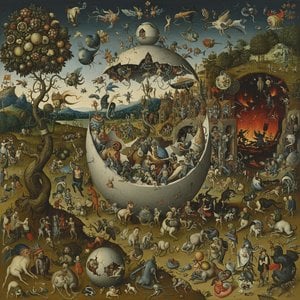
Scene Hell
 Acrilico su tela
- Opere da parete
- Mannerist Drawing
 163.0 x 176.0 cm
 Staatliche Museen zu Berlin
 Leggi tutto
Giclée / Stampe d'arte
Stampa giclée o su tela di qualità museale, con produzione rapida e diverse opzioni di finitura. ( Ordina la riproduzione dipinta a mano Passa all'immagine digitale)




P118B €10

P118H €10

P118W €10

P438Z €10

P508JH €12

P508YH €12

P805H €10

P805Z €10

P919BZ €10

P919G €10

P919XJ €10

P959ZH €10

P968JZ €12

W106C €8

W218G €10

W218JH €8

W218Y €10

W307PJ €10

W316G €10

W316PJ €8

W316Y €10

W398PJ €8

W4111J €10

W500HY €15

W500JH €15

W692G €12

W849H €8

W940BG €15

W953PJ €8




Scegli tra le nostre dimensioni predefinite, che rispettano le proporzioni originali dell'opera d'arte.

Inserisci la larghezza e l'altezza desiderate, per adattarle alla tua cornice o alla tua parete. Una stampa può essere solo ritagliata, mai resa più grande dell'immagine originale; pertanto, un formato con una forma differente comporterà la perdita di una parte dell'opera. Ti invieremo un mockup digitale da approvare prima di procedere con la stampa. L'immagine mostrata in questa pagina non rappresenta il ritaglio reale — solo il mockup lo mostra.
Consegna in tutto il mondo () in 2 settimane invece delle normali 4/5 settimane. (21 Ottobre)

Spedizione espressa gratuita in tutto il mondo

Tela in lino di alta qualità

Assicurazione completa sulla spedizione

Garanzia di rimborso dei dazi doganali

Garanzia di perfetta fedeltà cromatica

Politica di reso entro 100 giorni (solo per difetti di fabbricazione)

Garanzia di rimborso al 100%

Sconto per acquisti multipli
 L'opzione vetro è disponibile solo per dimensioni inferiori a 110 cm

Scene Hell
Giclée / Stampe d'arte
Dimensioni della riproduzione
-


Prezzo totale
€ 54
Scene in Hell: A Descent Into Darkness
Hieronymus Bosch’s “Scenes in Hell” stands as an unsettling testament to the anxieties of late medieval Europe—a visual distillation of fear, judgment, and divine retribution rendered with unparalleled detail and psychological depth. Painted sometime around 1500, this monochrome sketch captures a chaotic panorama of demonic torment, reflecting the artist's profound engagement with theological debates surrounding purgatory and damnation. Bosch’s vision transcends mere illustration; it’s an immersive experience designed to provoke contemplation on mortality and moral responsibility.- Composition & Style: The artwork embodies Mannerist drawing—characterized by elongated figures, exaggerated poses, and a deliberate distortion of perspective—a stylistic departure from the idealized forms prevalent in earlier Renaissance art. Bosch eschews traditional realism, prioritizing expressive gesture and dramatic impact over accurate representation. This technique serves to heighten the emotional intensity of the scene, immersing the viewer in a realm of terror and despair.
- Technique: Bosch’s masterful use of hatching—a meticulous layering of intersecting lines—creates astonishing textural complexity. The artist skillfully builds up tonal values through shading, simulating the rough surfaces of flesh, bone, fur, and stone with remarkable precision. This painstaking process underscores his dedication to capturing not just what he saw but also how it *felt*, conveying a palpable sense of unease and dread.
- Symbolism & Narrative: The sketch depicts a gruesome tableau populated by grotesque animals—horses and bulls engaged in violent combat—representing the primal forces of chaos and evil. Each figure embodies symbolic representations of sin, torment, and divine punishment. The inclusion of instruments of torture—such as hooks, racks, and impalement devices—further emphasizes the severity of God’s judgment.
- Historical Context: Bosch's work emerged during a period marked by religious fervor and intellectual ferment. The artist wrestled with questions surrounding purgatory and the afterlife, reflecting the anxieties of his time regarding salvation and damnation. His depiction of Hell aligns with broader artistic trends exploring themes of morality and spiritual struggle—a response to the growing influence of humanist thought alongside the looming shadow of the Reformation.
- Emotional Impact: “Scenes in Hell” exerts a profound emotional impact on the viewer, eliciting feelings of horror, pity, and fascination. Bosch’s unsettling imagery confronts us with the darkest aspects of human nature—the capacity for cruelty, indulgence, and despair—leaving an indelible impression on anyone who encounters it.
Detailed Analysis: The Artistry Behind the Horror
Bosch's meticulous hatching technique isn’t merely decorative; it’s integral to conveying the psychological drama of his composition. Consider the way he renders the musculature of the horses—the swirling lines emphasize movement and tension, mirroring the brutality of their struggle. Similarly, the depiction of human figures is imbued with expressive gesture—a deliberate distortion of proportion contributes to a sense of disorientation and vulnerability. These stylistic choices underscore Bosch’s ambition to depict not just what he saw but also how it *felt*, transforming his sketch into an unforgettable experience for the viewer.Beyond Technique: Exploring the Symbolism
The symbolism embedded within “Scenes in Hell” speaks volumes about Bosch's theological convictions and his engagement with contemporary debates surrounding morality. The animals—particularly the horses and bulls—represent primal instincts and uncontrolled passions, symbolizing the forces of evil that threaten to undermine human virtue. Instruments of torture serve as reminders of divine retribution—a chilling portrayal of the consequences of sinfulness. Bosch’s masterful use of visual language compels us to confront uncomfortable truths about human nature and our relationship with God.A Legacy Enduring Through Time
“Scenes in Hell” continues to captivate audiences centuries after its creation, demonstrating Bosch's enduring influence on artistic expression. Its unsettling imagery—characterized by grotesque figures and dramatic distortions—has inspired countless artists throughout history, cementing his place as one of the most visionary creators of Mannerist art. Reproductions of this iconic sketch offer a glimpse into the mind of a genius—a testament to his ability to transform fear and despair into profound artistic contemplation.Domande e risposte
Qual è la dimensione di stampa consigliata per "Scene Hell"?
La dimensione di stampa consigliata per "Scene Hell" di Gerolamo Bosch è Formato grande.
Che atmosfera Scene Hell saprebbe donare a un ambiente?
"Scene Hell" di Gerolamo Bosch emana un'atmosfera Drammatico ed è consigliato per un Zona giorno. Il mood rappresenta ciò che l'opera dona allo spazio circostante.
"Scene Hell" di Gerolamo Bosch è un ritratto, un paesaggio o una composizione quadrata?
"Scene Hell" di Gerolamo Bosch è una composizione in Formato orizzontale. Le proporzioni meritano di essere verificate prima di scegliere la dimensione della stampa.
Opere correlate


Biografia dell'artista
vita e carriera
Hieronymus Bosch, un pittore olandese/fiammingo di spicco proveniente da Brabante, nacque intorno al 1450 a ‘s-Hertogenbosch, nei Paesi Bassi. La sua vita rimane avvolta nel mistero, con solo pochi documenti che ne attestano l'esistenza. Nonostante la mancanza di informazioni biografiche, l'arte di Bosch ha avuto un impatto profondo sull'arte europea settentrionale, in particolare nel XVI secolo.stile artistico e influenze
Lo stile unico di Bosch, caratterizzato da **rappresentazioni surreali e immaginarie di temi religiosi**, è stato ampiamente influente. I suoi dipinti a olio su legno, spesso con **visioni inquietanti e infernali**, sono stati oggetto di numerose interpretazioni. Il Triptico del Giudizio Universale (c. 1480-1490) e il Giardino delle Delizie Terrene (c. 1490-1510) sono due dei suoi lavori più celebrati, che mostrano la sua maestria nel mezzo.opere notevoli e collezioni
* Ascesa dei Giusti (Rinascimento settentrionale, olio su tavola): un raro esempio del lavoro di Bosch, con una scena onirica e ultraterrena. * Epifania (c. 1495, Museo del Prado, Madrid): un triptico che dimostra l'uso innovativo dell'olio su legno da parte di Bosch. * Testa di un Halberger (Museo del Prado, Madrid): un esempio raffinato della pittura di ritratti di Bosch, che evidenzia la sua attenzione ai dettagli.musei e collezioni che espongono le opere di Bosch
* Il Museo del Prado, Madrid: ospita alcune delle sue opere più famose, tra cui l'Epifania e il Triptico del Giudizio Universale. * Il Museo d'Arte di Filadelfia, Filadelfia: presenta una versione dell'Epifania, offrendo una prospettiva unica sullo stile artistico di Bosch.- Esplora altre opere di Hieronymus Bosch su https://ArtsDot.com/@/hieronymus-bosch
- Scopri il movimento dell'arte fiamminga antica e i suoi principali esponenti, tra cui Jan van Eyck e Pieter Bruegel il Vecchio, su https://ArtsDot.com/@@/a@d3cpaf-the-erly-netherlandish-art-movement
- Impara di più sulla vita e le opere di Pieter Bruegel il Vecchio su https://en.wikipedia.org/wiki/pieter_bruegel_the_elder
eredità
Lo stile enigmatico di Hieronymus Bosch ha affascinato gli appassionati d'arte per secoli, e la sua influenza può ancora essere vista nelle opere di numerosi artisti. La sua combinazione unica di **surrealismo e profonde intuizioni sulla condizione umana** ha consolidato il suo posto come maestro della pittura fiamminga.
Gerolamo Bosch
1450 - 1516 , Paesi Bassi
Informazioni rapide
- Artisti Influenzati: ['Pieter Bruegel il Vecchio']
- Data Di Morte: 1516
- Data Di Nascita: c. 1450
- Luogo Di Nascita: 's-Hertogenbosch, Paesi Bassi
- Movimento Artistico: Rinascimento nordico
- Nazionalità: Olandese/Fiammingo
- Nome Completo: Gerolamo Bosch
- Opere Notevoli:
- Triptico del Giudizio Universale
- Il Giardino delle Delizie Terrene
- Ascesa dei Giusti
- Epifania
Articoli correlati

The Nuances of Graphite: Exploring Emotional Depth & Technical Mastery in Pencil Drawing
Explore the captivating world of graphite drawing! Discover its rich history, master essential techniques like chiaroscuro, and learn how artists evoke emotion through this timeless medium. Expert insights for art enthusiasts.
Hieronymus Bosch: I 25 Capolavori che Rivoluzionano l'Arte e Decorano la Tua Casa
Esplora i 25 capolavori di Hieronymus Bosch, pittore fiammingo simbolo dell'arte medievale. Scopri il simbolismo del Giardino delle Delizie e altre opere iconiche. Riproduzioni d'arte su ArtsDot.com!

I Capolavori dei Musei Statali di Berlino: 25 Opere d'Arte Indimenticabili
Esplora i 25 capolavori dei Musei Statali di Berlino! Dalla Nefertiti al Pergamon, scopri la storia e l'arte dietro ogni opera. Riproduzioni artistiche di alta qualità per decorare casa con stile su ArtsDot.com.

Gerolamo Bosch: Decifrare le Visioni di un Maestro Olandese
Esplora il mondo enigmatico di Gerolamo Bosch con ArtsDot. Analisi approfondite delle sue opere, simbolismo nascosto e l'influenza duratura del maestro fiammingo sull'arte moderna.

I 25 Capolavori del Prado: Arte Spagnola e Decorazioni di Lusso per la Tua Casa
Esplora i 25 capolavori del Museo del Prado: Velázquez, Goya, El Greco e altri maestri spagnoli. Scopri storie, tecniche e colori che hanno reso queste opere immortali. Trova riproduzioni d'arte di alta qualità per la tua casa su ArtsDot.com!


